
 Arabic
  English
  French
  Spanish
  Russian
  Portuguese
  Indonesian
  German
  Turkish
  Persian
  Vietnamese
  中文
中文 
تطورت الخلاطات الصناعية من معدات ورشة عمل مساعدة إلى أصول أساسية تؤثر بشكل مباشر على استقرار الإنتاج وكفاءة التفاعل وأداء الفصل في المصب وتكلفة الإنتاج الإجمالية. في قطاعات مثل المواد الكيميائية والمعادن المائية والصيدلانية والمواد المتقدمة ، لم تعد تقييم الخلاطات بحتة حسب طاقة المحرك أو حجم الأوعية ، ولكن تعاملها بوصفها وحدات عملية متكاملة داخل نظام مقترن بشكل وثيق من المفاعلات والمكثفات والمرشحات ومنصات التحكم.
تشير أبحاث السوق الأخيرة إلى توسع عالمي مطرد مدفوع بتصنيع الأدوية وتجهيز الأغذية ومعالجة مياه الصرف الصحي وتكرير المعادن. وفي نفس الوقت، تتحول معايير اختيار المعدات نحو كفاءة دورة الحياة، والقدرة على التحكم الرقمي، والتكيف مع بيئات التشغيل القاسية بشكل متزايد. تدرس هذه المقالة سوق الخلاطات الصناعية من وجهة نظر تقنية واستراتيجية، وربط الاتجاهات على المستوى الكلي لمنطق تصميم المعدات والممارسة الهندسية الحقيقية.
ما هو الحجم الحالي ومسار النمو لسوق الخلاطات الصناعية العالمية؟
قبل تحليل تقنيات المعدات ، من الضروري توضيح كيفية تطور السوق الشاملة وما هي القوى الهيكلية التي تشكل الطلب. حجم السوق والديناميكات الإقليمية توفر خط الأساس لأي استراتيجية معدات طويلة الأجل.
نظرة عامة على تطور السوق العالمية
يتحول سوق الخلاطات الصناعية العالمية من دورة استبدال المعدات التقليدية إلى مرحلة نمو مدفوعة بالتكنولوجيا. تقديرات السوق تضع التقييم الحالي في نطاق مليارات الدولارات، مع معدلات نمو سنوية مركبة فوق 6٪ المتوقعة لبقية العقد. هذا النمو ليس موحدًا عبر جميع أنواع الخلاطات ، لكنه يركز على المفاعلات عالية القص وأنظمة الخلط المستمرة ومحركات الطين على نطاق واسع ومنصات الخلط الهجينة المستخدمة في المعادن والهندسة البيئية.
ويرتبط الطلب بشكل متزايد بتوسيع نطاق الإنتاج بدلاً من البساطة في استبدال القدرات. عندما يتم توسيع خط حمض الفوسفوريك من 600،000 طن سنويًا إلى أكثر من مليون طن سنويًا ، أو عندما تزيد مصفاة الألومنيا من حجم الهضم ، يصبح الخلاط قيدًا هيكليًا بدلًا من إكسسوارًا محيطيًا.
الاختلافات والدوافع الإقليمية للنمو
وتمثل آسيا والمحيط الهادئ حاليا أسرع سوق إقليمية نموا، مدفوعة بالقدرات الكيميائية الجديدة، والمعادن غير الحديدية، ومواد البطاريات، والبنية التحتية لمياه الصرف الصحي. وتظل أمريكا الشمالية قوية في مجال الأدوية والمواد الكيميائية المتخصصة، حيث يهيمن الخلط الدقيق والامتثال على أولويات التصميم. وتؤكد أوروبا على كفاءة الطاقة ودمج العمليات، مع زيادة اعتماد منصات الخلط المراقبة رقميا.
هذه الاختلافات الإقليمية تؤثر ليس فقط على حجم المعدات ولكن أيضا على فلسفة التصميم - مقاومة التآكل وتآكل الطين في مناطق التعدين ، والتصميم الصحي في المجموعات الصيدلانية ، وهندسة المروحة المثلى للطاقة في الأسواق المنظمة للكربون.
ما هي التطبيقات الصناعية التي تعيد تشكيل أولويات تكنولوجيا الخلاط؟
مع توسع الطلب ، تتغير طبيعة التطبيقات أيضًا. تفرض قطاعات مختلفة قيود تقنية مختلفة جدا، والتي تحدد مباشرة بنية الخلاط ومتطلبات الأداء.
تجهيز الأغذية والمشروبات
في مجال معالجة الأغذية ، تتضمن الاعتبارات التقنية التحكم في التجانس والاستقرار الحراري والتوافق مع المعالجة النظيفة في المكان ، لذلك من المطلوب أن يكون لديك حقول قص مستقرة ، ومنع إشراك الفقاعات الدقيقة ، وتجنب الفصل المرحلي ، مما يؤدي إلى متطلبات تصميم المروحة المتطورة ، وتصاميم ختم العمود الجيدة مع الاحتكاك المنخفض ، وجدران الأوعية مع عوامل بقايا منخفضة.
معالجة المياه الكيميائية والصرف الصحي
يؤكد الإنتاج الكيميائي ومعالجة مياه الصرف الصحي على المقاومة الكيميائية والتشغيل المستمر والتسامح لمجموعات واسعة من اللزوجة. يجب أن يدعم الخلط حركة التفاعل مع ضمان كفاءة الفصل بين الصلب والسائل في المصب. تصميم التعليق السيئ يزيد مباشرة من استهلاك التجفيف وحمولة التسميك.
الصيدلانية والمواد الكيميائية الدقيقة
الخلاط في هذا المجال يصبح أداة دقة. تكرار الدفعة وتوثيق التحقق من الصحة وتصميم المنطقة الميتة المنخفضة تهيمن على المناقشات الهندسية. حتى الانحرافات الطفيفة في مجال التدفق يمكن أن تغير شكل البلورات أو انتقائية التفاعل.
ما هي الفئات الرئيسية لتكنولوجيا الخلط الصناعي والاتجاهات المستقبلية؟
وبالإضافة إلى اختلافات التطبيقات، فإن التحولات التكنولوجية الأوسع نطاقاً تعيد تعريف كيفية تصميم الخلاطات والسيطرة عليها ودمجها داخل أنظمة العمليات.
أنظمة خلط ثابتة مقابل ديناميكية
لا تزال الخلاطات الثابتة قيمة للخلط الداخلي حيث يكون انخفاض الضغط مقبولًا وخصائص المواد مستقرة. ومع ذلك، تهيمن الخلاطات الديناميكية في الأنظمة متعددة المراحل، ونقل الطين، والتوليف الكيميائي حيث يتطلب الاضطرابات المتحكم فيها.
ويتكامل الآن محركات المدخل العلوي والمدخل الجانبي على نطاق واسع مباشرة مع أنظمة التسميك والتسريب ، مما يقلل من مراحل الضخ الوسيطة ويقلل من فقدان الطاقة التشغيلية.
الرقمنة والتحكم الذكي في العمليات
أصبحت محركات الأقراص الذكية، وأجهزة استشعار الاهتزاز، وردود فعل عزم الدوران، والتحكم في السرعة المرتبطة بدرجة الحرارة قياسية في المنشآت المتقدمة. عندما يتم دمجها في أنظمة التحكم الموزعة ، تصبح أجهزة تنظيم العمليات بدلا من الأجهزة الميكانيكية السلبية. الصيانة التنبؤية المستندة إلى بيانات حمولة المحامل وتذبذب العمود تقلل بالفعل من خطر الإغلاق غير المخطط له في المصانع ذات القيمة العالية.
كيف يجب اختيار حلول الخلط لظروف التشغيل المعقدة؟
في المشاريع الحقيقية، نادرا ما يتبع الاختيار شروط الكتب المدرسية. خصائص الوسائط المعقدة والبيئات القاسية والقيود الهيكلية تتطلب إطار تقييم أكثر صرامة.
استراتيجيات المواد ذات اللزوجة العالية
تتطلب السوائل ذات اللزوجة العالية أنظمة محورية شعاعية هجينة، وأحماث معززة، ونسبة قوة إلى حجم محسنة. إن زيادة حجم المحرك لوحده لا تحل جميع مشاكل المنطقة الميتة ، وأهمية طوبولوجيا التدفق أكثر من عزم الدوران الاسمي.
تصميم الخلط في الاستفادة غير الحديدية والمعادن المائية
أنظمة الطين تقدم جزيئات كاشحة، تدرجات الكثافة المتغيرة، والعدوانية الكيميائية. وينبغي وضع التركيز على التقييم على سرعة عتبة التعليق ، وسلوك استقرار الجسيمات ، وتوافق مواد البطانة ، وتعب العمود تحت الحمل الدوري.
بالنسبة لهذه السيناريوهات، تصبح المعدات المصممة خصيصا لمفاعلات الاستفادة وخزانات التسريب ضرورية، بدلا من المحركات الكيميائية المعدلة.
تكوينات الخزان العميق والعمود الممتد
في مصانع المعادن المائية الحديثة ، غالبا ما تتجاوز أعماق الخزان 10 إلى 15 مترا. تصبح تصاميم العمود القياسية غير مستقرة على هذا المقياس ، مما يؤدي إلى فشل الرنين والختم. لم تعد التعزيزات الهيكلية الطويلة جداً، والأحماث المقسمة، وأنظمة التوازن الديناميكية اختيارية، ولكن متطلبات التصميم الأساسية.
كيف يمكنك زيادة الكفاءة وتقليل تكلفة الملكية الإجمالية في اختيار الخلاط؟
وبمجرد تأسيس المناسبة الأساسية، يصبح الاقتصاد على المدى الطويل عامل القرار المهيمن.
تحسين الكفاءة وتحسين الطاقة
استهلاك الطاقة على مدى 10 إلى 15 سنة غالبا ما يتجاوز سعر الشراء الأولي. يمكن أن تقلل محركات التردد المتغير ومستوى الشفرة المثالي وصناديق التروس منخفضة الخسارة من تكلفة الطاقة في دورة الحياة بنسبة 15-25٪ في الأنظمة المستمرة.
تبسيط الصيانة وتوافر الميدان
مجموعات الختم الموحدة والمحامل الموحدة وأنظمة التشحيم الخارجية تقلل من وقت التوقف. عندما يتم دمج لوجستيات قطع الغيار في تخطيط المصنع ، فإنه يقلل من التعرض للمخاطر بشكل أكثر فعالية من الإفراط في هندسة الخلاط نفسه.
إدارة المخاطر في دورة الحياة
عادة ما يتضمن سير عمل الاختيار العقلاني الاختبار الريولوجي، والتحقق من صحة العقود مقابل الفروقات، والتحقق على نطاق تجريبي، ومحاكاة طيف الحمل، ومراقبة التشغيل. تخطي أي مرحلة ينقل المخاطر التقنية مباشرة إلى تكلفة التشغيل على المدى الطويل.
رؤى الحالة وتكوين المعدات في القطاعات المتخصصة
غالبا ما توضح سيناريوهات هندسة الخرسانة منطق التصميم بشكل أكثر فعالية من النظرية وحدها. توضح الأمثلة التالية كيف يتوافق اختيار الخلاط مع قيود العملية الحقيقية.
أنظمة خلط المعادن غير الحديدية والاستفادة منها
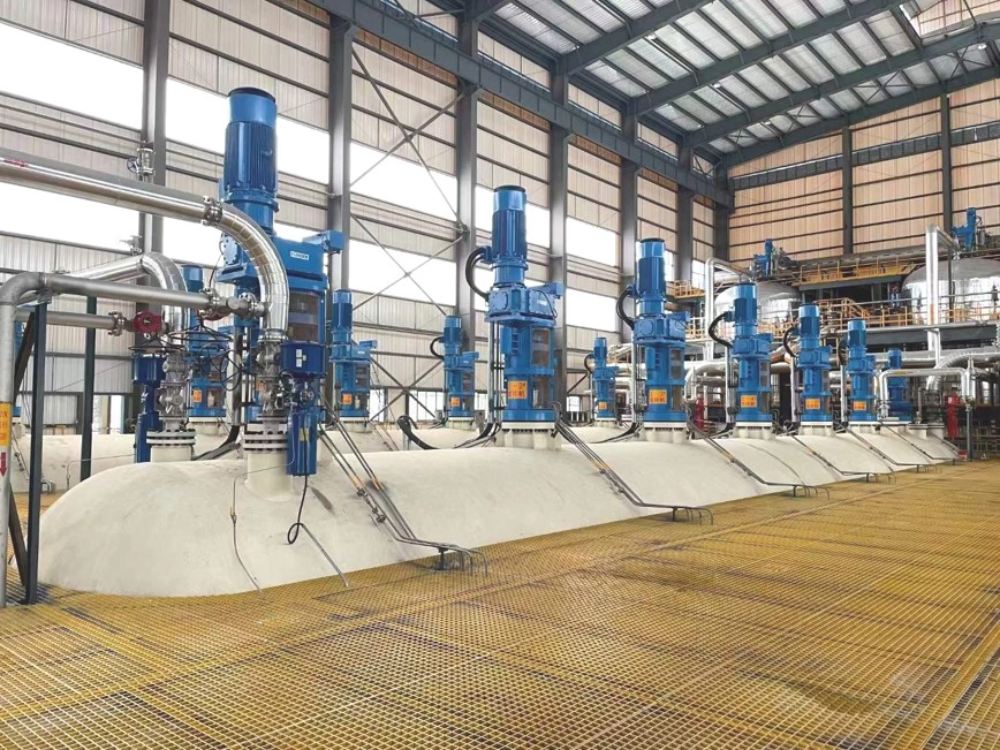
لتكييف الطين ، ومفاعلات التسرب ، وإعداد تغذية العوام ، وأنظمة مصممة خصيصا ، مثل آلة التقليب للصناعات غير الحديدية والاستفادة منها, تم تصميمها لتحمل المواد الصلبة الكاشحة والتآكل الكيميائي والتشغيل المستمر في ظروف الكثافة المتقلبة. عادة، يمكن تحقيق هذا عن طريق عمود المروحة مع محور قوي، وربط عمود مضاد للاهتزاز، وبطانات التآكل.
تطبيقات الخزان العميق واستقرار العمود الممتد
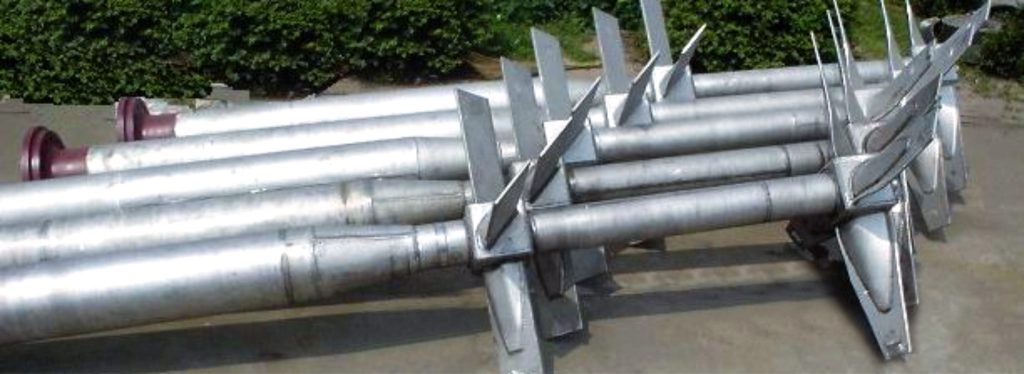
في خزانات تغذية المكثفات والمفاعلات ذات الحجم العالي ، وحلول العمود الممتد ، مثل أداة تقليب طويلة جداً، ومعالجة الرنين الهيكلي ، وخسائر نقل عزم الدوران ، وموثوقية الختم في العمق. تم تصميم هذه الأنظمة بدعم عمود مرحلي ونسبة نحلة محسنة لمنع التعب والانحناء وعدم الاستقرار المحوري أثناء التشغيل الطويل.
لماذا تحدد القدرة الهندسية المتكاملة أداء الخلاط الصناعي؟
يعكس أداء المعدات على هذا المستوى بشكل متزايد النظام البيئي الهندسي وراء المنتج. أحد الشركات المصنعة الممثلة في هذا المجال هو جيانغسو نيو هونغدا (ن.هـ.دالمجموعة، تأسست في عام 1992 وتعمل كمنظمة متكاملة بالكامل تغطي التصميم والبحث والتطوير. د، التصنيع والتركيب، وتسليم EPC.
تدير شركتنا مرافق إنتاج واسعة النطاق تتجاوز 270،000 متر مربع ، وتوظف أكثر من 800 موظف ، بما في ذلك أكثر من 260 مهندس وفني ، وتحافظ على خطوط منتجات مخصصة للمحركات والمسمكات وأنظمة الترشيح وأوعية الضغط ومعدات إزالة الكبريت. تخدم محفظة معداتنا المواد الكيميائية الفوسفاتية، تكرير الألومنيا، الصهر غير الحديدي، إنتاج ثاني أكسيد التيتانيوم، مصانع حمض الكبريت، والهندسة البيئية، مع نشر موثق في أكثر من 500 هندسة المشاريع وأكثر من 1000 عميل صناعي في جميع أنحاء العالم.
هذه القدرة المتكاملة ذات أهمية خاصة عندما يجب على الخلاطات التفاعل مع المكثفات والمرشحات والمفاعلات كنظام هيدروليكي واحد بدلا من الآلات المعزولة.
استراتيجية تطلعية لأنظمة الخلط الصناعية
تعمل الخلاطات الصناعية الآن في تقاطع الهندسة الميكانيكية وديناميكا السوائل وعلوم المواد والتحكم الرقمي. أنت لا تختار مجرد الأجهزة ، ولكن تشكيل كفاءة التفاعل وأداء الفصل والاستقرار التشغيلي على المدى الطويل.
وستعتمد القدرة التنافسية في المستقبل على ثلاثة عوامل:
- التكامل على مستوى النظام بدلا من تحسين المكونات
- الرؤية الرقمية للسلوك الميكانيكي
- التكيف الهيكلي مع بيئات العمليات الأعمق والأكبر والقسوة
وستواصل المنظمات التي تعامل الخلط بوصفه وظيفة عملية استراتيجية بدلا من بند شراء الهيمنة على مقاييس الإنتاجية في الصناعات الكيميائية والمعادنية.
الأسئلة الشائعة
س: ما هي القطاعات المتوقعة أن تدفع أعلى طلب على الخلاطات الصناعية خلال السنوات العشر القادمة?
ج: من المتوقع أن تظل المواد الصيدلانية ومواد البطارية وتطبيقات المعادن غير الحديدية ومعالجة مياه الصرف الصحي والمواد الكيميائية المتخصصة الراقية محركات رئيسية داخل السوق بسبب توسيع مقاييس التشغيل والحاجة إلى التحكم في العملية.
س: لماذا أصبحت المراقبة الرقمية مهمة في أنظمة الخلاط؟
ج: يتيح عزم الدوران والاهتزاز ودرجات الحرارة في الوقت الحقيقي الكشف المبكر عن الإجهاد الميكانيكي والختم وشوهات التدفق ، وبالتالي تقليل وقت التوقف غير المخطط له وزيادة كفاءة الطاقة.
س: ما هو وضع الفشل الأكثر شيوعا في محركات الطين على نطاق واسع؟
ج: لا يزال تعب العمود جنبًا إلى جنب مع تدهور الختم الآلية المهيمنة للفشل ، والتي عادة ما تسببها دورات الحمل الديناميكية غير المقدرة وعدم كفاية التحكم في الرنين أثناء التصميم.