
 Arabic
  English
  French
  Spanish
  Russian
  Portuguese
  Indonesian
  German
  Turkish
  Persian
  Vietnamese
  中文
中文 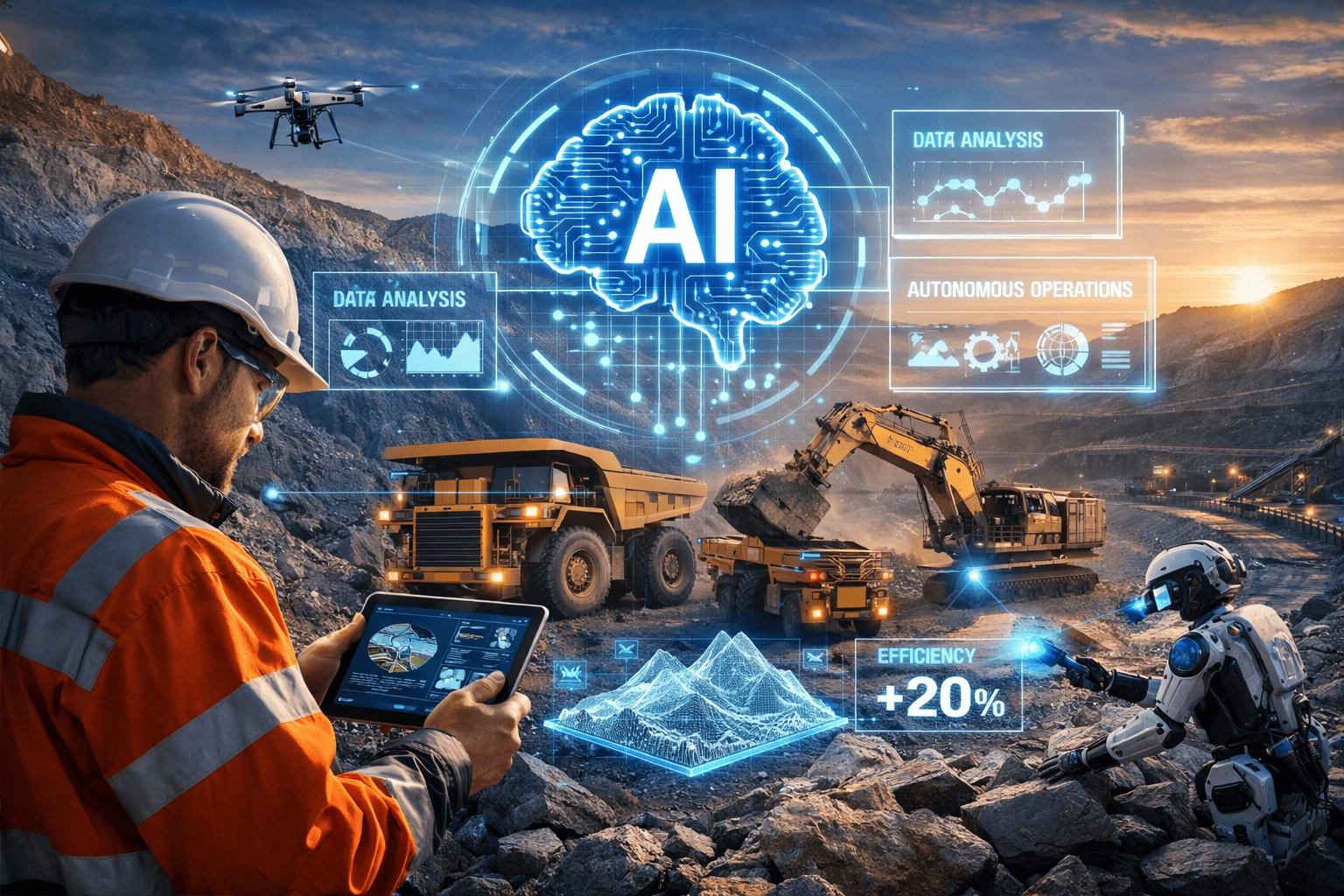
في جميع مواقع التعدين في جميع أنحاء العالم، تقدم الذكاء الاصطناعي إلى أبعد من التجارب التجريبية ويشكل الآن جزءا أساسيا من الهياكل التشغيلية اليومية. وتركز مساهمتها الرئيسية على زيادة فعالية المعدات، واستقرار الإجراءات المعقدة، وتقليل عدم اليقين خلال الاستخراج والاستفادة وإدارة المواد اللاحقة. وبدلاً من تحل محل القرارات الهندسية المهنية، يعززها الذكاء الاصطناعي من خلال تحويل تدفقات البيانات عالية التردد إلى إشارات تشغيلية عملية. في شبكات التعدين على نطاق واسع، حيث تحدث تقلبات في تكوين المعادن وحجم المعالجة وحالة الآلات باستمرار، يدعم الذكاء الاصطناعي دورات تنظيم أكثر دقة ويقدم أداء أكثر استقرارا.
لماذا يجب على عمليات التعدين الحديثة دمج الذكاء الاصطناعي الآن؟
تواجه مرافق التعدين تحديات متزايدة: انخفاض تركيزات المعادن، والقيود البيئية الأكثر صرامة، ونفقات الطاقة غير المستقرة، ومطالب أقوى لحماية العمال. تجد النهج التنظيمية التقليدية صعوبة في معالجة هذه العوامل المتداخلة على الفور. ويقوم الذكاء الاصطناعي بتسد هذا النقص عن طريق التقييم المستمر لظروف العملية وتوصية بتعديلات قبل أن تنمو المشاكل الصغيرة إلى اضطرابات كبيرة.
وتنشأ أكبر المزايا عندما يصبح الذكاء الاصطناعي مدمجًا بعمقًا في الخيارات التشغيلية - المساعدة في جدولة حركة المعدات وتنظيم الإجراءات وتنظيم أنشطة الصيانة في نفس الوقت.
الذكاء الاصطناعي في بيئات تشغيلية حساسة للمخاطر
كل من أنشطة التعدين السطحية والأرضية تستفيد من الذكاء الاصطناعي من خلال التعرف في الوقت المناسب على الأنماط غير العادية أثناء مراحل النقل والطحن والتسميك والفصل. وتكشف الأنظمة التنبؤية الارتباطات الدقيقة التي لا يمكن للمراقبة البشرية تتبعها باستمرار على المقاييس، مما يتيح استجابات مبكرة وأكثر دقة.
كيف يمكن قياس أداء الذكاء الاصطناعي في التعدين بشكل موضوعي؟
القيمة العملية للذكاء الاصطناعي تظهر بوضوح فقط عندما تكون مرتبطة مباشرة بالنتائج التشغيلية الملاحظة. وتركز التطبيقات الناجحة على مؤشرات بما في ذلك وقت تشغيل الآلات، واتساق حجم المعالجة، وتوحيد مستويات الرطوبة، واستهلاك الطاقة لكل وحدة، وتواتر الانقطاعات غير المتوقعة.
يقوم الذكاء الاصطناعي بتقييم التسويات عبر النظام بأكمله بدلاً من السعي لتحسين جانب واحد فقط. فعلى سبيل المثال، قد يؤدي انخفاض متواضع في معدل المعالجة إلى توصية بتجنب القيود اللاحقة التي يمكن أن تسبب إيقافات طويلة.
الصيانة التنبؤية كمضاعف للأداء
تدرس أساليب الصيانة المسترشدة بالذكاء الاصطناعي الاهتزاز والضغط وتغيرات درجة الحرارة وبيانات الدورة للتنبؤ بالتدهور الجزئي. هذا التحول يبعد الممارسات عن الإصلاحات الطارئة نحو التدخلات المجدولة، وبالتالي خفض النفقات الإجمالية لنمط الحياة مع الحفاظ على استمرارية الإنتاج.
كيف يحسن الذكاء الاصطناعي اتخاذ القرارات أثناء اكتشاف الموارد والمعالجة المبكرة؟
يحدد عدم اليقين اتخاذ القرارات خلال مراحل الاستكشاف ومراحل المعالجة الأولية. تجمع أنظمة الذكاء الاصطناعي بين المعلومات الجيولوجية والخصائص المعدنية والسجلات التشغيلية السابقة لإعطاء الأولوية للمناطق المحتملة ونموذج استجابات المعالجة قبل الاستثمار على نطاق واسع.
هذا النهج يؤدي إلى عدد أقل من الافتراضات غير المختبرة التي يتم تنفيذها في تصميم المصنع ويوفر فهماً أوضحًا لآثار التباين المعدني على خطوات الفصل والغسيل وإزالة المياه اللاحقة.
معالجة مجموعات البيانات المعقدة وغير الخطية
نادرا ما تكون بيانات التعدين نظيفة أو موحدة. ويظهر الذكاء الاصطناعي قوة خاصة في تحديد الروابط المعقدة وغير الخطية مع مرور الوقت، مما يسمح للسجلات السابقة بتوجيه النهج التشغيلية الحالية دون التبسيط المفرط.
ما هو الدور الحقيقي للذكاء الاصطناعي في عمليات معالجة الخام عالية الكثافة؟
في عمليات الاستفادة والمعادن المائية، يمتنع الذكاء الاصطناعي عن استبدال آلات المعالجة المادية. بدلاً من ذلك ، فإنه يحسن الطريقة التي يستخدمها المشغلون هذه الآلات. تغير خوارزميات التحكم ظروف العمل بشكل ديناميكي بحيث لا تزال مواد المدخلات المختلفة تؤدي إلى نتائج فصل ثابتة.
يظهر تحسين التنظيم على مدى فترة الاتصال، وتركيز الجسيمات الصلبة، وكفاءة الغسيل، وكل منها يساهم مباشرة في ارتفاع معدلات الاسترداد وجودة المنتج.
دمج الأتمتة مع ردود الفعل الذكية
تنشئ أجهزة الكشف وأطر التنظيم ونماذج الذكاء الاصطناعي دوائر ردود فعل مستمرة. تحدث التعديلات التي تدفعها المعلومات الواردة دون انقطاع، مما يقلل من الاعتماد على التعديلات اليدوية مع الحفاظ على الإشراف البشري الضروري.
كيف يوسع الذكاء الاصطناعي قيمته إلى أنظمة الفصل المادي بين السوائل والصلبة؟
ولا يزال فصل المواد الصلبة عن السوائل من أكثر المراحل حساسية في أنشطة التعدين. التغييرات في أبعاد الحبوب والخصائص الكيميائية للطين ومعدلات المدخلات يمكن أن تؤثر بسرعة على نتائج الترشيح. ويتصدى الذكاء الاصطناعي لهذه الصعوبة من خلال التنبؤ المتقدم بالتحولات قبل أن تقترب من الحدود غير المقبولة.
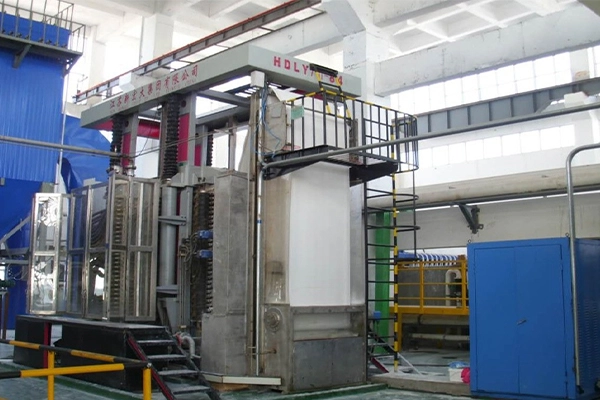
خلال هذه المرحلة المحددة ، فإن موثوقية الآلات الفعلية مهمة. أحد الأمثلة ذات الصلة هو فلتر الضغط التلقائي الرأسي HDLY، تم تطويرها خصيصا للأداء المستمر وسط تغيير خصائص الطين. جنبا إلى جنب مع استراتيجيات التحكم بمساعدة الذكاء الاصطناعي، تحافظ أنظمة من هذه الطبيعة على انخفاض الرطوبة في الكعك النهائي وحجم المعالجة المستمر على الرغم من تطور ظروف المدخلات.
كيف يمكن تحقيق الاتساق في عمليات تجفيف المياه في الموقع؟
وتؤثر فعالية إزالة المياه تأثيرا مباشرا على إدارة المواد النفايات واحتياجات النقل اللاحقة والامتثال البيئي. يعزز الذكاء الاصطناعي الاستقرار في هذا الإجراء من خلال ربط المؤشرات السابقة، مثل توزيع أبعاد الجسيمات وكثافة الخليط، مع تعديل في الوقت الحقيقي لتسلسلات الضغط والدورة.
توفر الهياكل العمودية فوائد هيكلية متأصلة في هذه الحالات: متطلبات مساحية أصغر، وإطلاق موثوق بها من الكعك المتشكلة، وملائمة قوية لطرق التشغيل الآلي.
كيف يجب تصميم منصات معالجة التعدين في المستقبل؟
وتركز المنصات المعدة للعقود المقبلة على التكامل الكامل بدلا من إجراء تحسينات منفصلة. يتطلب الذكاء الاصطناعي والأنظمة الآلية والبناء الميكانيكي التنسيق من مراحل التخطيط الأولية. وتسمح تخطيطات المعدات الموحدة ومعايير اتصال البيانات الموحدة وأطر التنظيم القابلة للتعديل للمرافق بالتكيف مع مرور الوقت دون تعديلات كبيرة.
وفي مثل هذه الأطر، فإن مجموعة جيانغسو نيو هونغدا(ن.هـ.ديحصل على الاعتراف لأكثر من ثلاثين عاما من التطوير في أنظمة الفصل والتحرج والترشيح الضغط ذات القدرة الكبيرة لصناعات التعدين والمعادن في جميع أنحاء العالم. تدمج فلسفتنا الهندسية التصميم المفاهيمي والإنتاج والتركيب الميداني والكامل تسليم EPCوبالتالي ضمان وظائف المعدات بشكل مستقر في ظروف صعبة حيث تنتج التحسينات المدعومة من الذكاء الاصطناعي أكبر فوائد.
التكنولوجيا كخيار استراتيجي
يحقق الذكاء الاصطناعي أقصى قدر من الفعالية فقط عندما يدعمه أسس ميكانيكية قوية مصممة خصيصا للتنظيم بناء على تحليل البيانات بدلا من الظروف الصارمة المحددة مسبقا.
ما هي أفضل الممارسات لترشيح الضغط العالي المدعوم من الذكاء الاصطناعي؟
تطبيق الضغط العالي أثناء الترشيح أمر لا غنى عنه كلما أصبحت مستويات الرطوبة الدنيا، ومعدلات الاسترداد الصلبة المرتفعة، وتصاميم المرافق الفعالة في المساحة ضرورية. يعزز الذكاء الاصطناعي الأداء من خلال تنسيق ملامح الضغط وتسلسل التغذية ودورات التفريغ لتخفيض استهلاك الطاقة مع الحفاظ على الجودة الهيكلية للكعك المتشكلة.
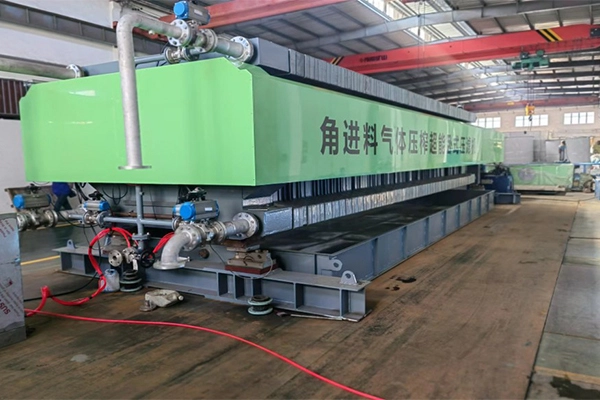
وفي هذا السياق المحدد، فإن مكبس التصفية اللوحي الأفقي فائق الضغط يوضح مزيجا فعالا من المتانة الميكانيكية والتنظيم الذكي. يستوعب الهيكل الأفقي ظروف الضغط العالي وحتى توزيع الأحمال ، مما يجعله مناسبًا بشكل جيد للتحسين بمساعدة الذكاء الاصطناعي في سياقات التعدين الصعبة.
تحسين الاستقرار بدلا من ذروة الإنتاج
تعطي الأنظمة المدفوعة بالذكاء الاصطناعي الأولوية للأداء المتسق والقابل للتكرار بدلاً من أفضل أداء مؤقت، وبالتالي تتوافق بشكل وثيق مع الأهداف التشغيلية طويلة الأجل وأهداف الصيانة.
استنتاج
إن الذكاء الاصطناعي يحول أنشطة التعدين ليس من خلال التحليل النظري للبيانات وحدها، بل من خلال تعزيز الاستقرار في الأنظمة الفيزيائية المعقدة. يظهر التأثير الحقيقي بشكل أقوى عندما تعمل الأنظمة التنبؤية والتنظيم الآلي والآلات المصممة خصيصا معا ككل متماسك. ويؤدي هذا النهج المشترك إلى تقليل التعرض للمخاطر، وزيادة القدرة على التنبؤ، وتعزيز المتانة المالية عبر سلسلة القيمة التعدين الكاملة.
أسئلة متكررةس
س: هل يستفيد الذكاء الاصطناعي بشكل رئيسي من عمليات التعدين الكبيرة ، أو يمكن أن يتوسع إلى مواقع أصغر؟
ج: الذكاء الاصطناعي قابل للتكيف عبر مقاييس مختلفة عندما يتم توجيهه نحو إجراءات محددة بوضوح. وكثيرا ما تشهد المرافق الصغيرة تحسينات سريعة في جدولة الصيانة واستقرار العمليات من خلال جهود النشر المحدودة نسبيا.
س: كيف يتفاعل الذكاء الاصطناعي مع أنظمة التحكم في العمليات القائمة؟
ج: عموما، يعمل الذكاء الاصطناعي كمكون إشرافي، يدرس المعلومات المقدمة من خلال إعدادات التنظيم الحالية ويقترح - أو ينفذ مباشرة - تعديلات على المعلمات داخل الحدود المحددة.
س: هل يمكن للذكاء الاصطناعي تقليل المخاطر البيئية في عمليات التعدين؟
ج: بالتأكيد. من خلال استقرار الإجراءات، بما في ذلك إزالة المياه وإدارة المواد النفايات، يقلل الذكاء الاصطناعي من التقلبات التي تساهم عادة في الحوادث البيئية وصعوبات الوفاء بالمتطلبات التنظيمية.