
 Arabic
  English
  French
  Spanish
  Russian
  Portuguese
  Indonesian
  German
  Turkish
  Persian
  Vietnamese
  中文
中文 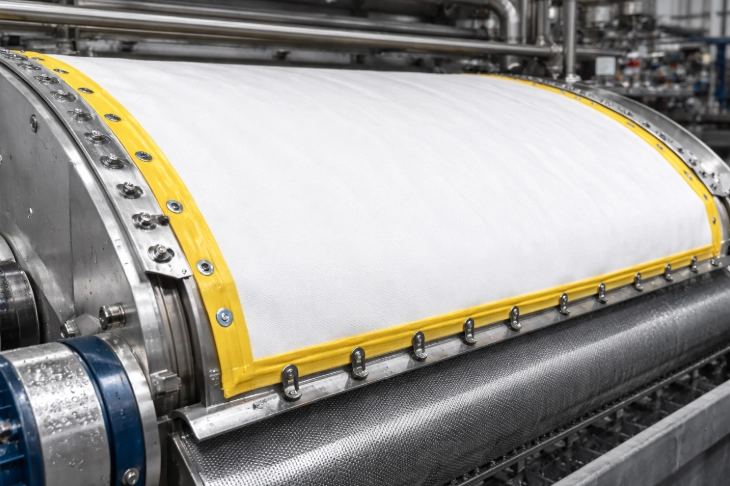
اختيار قماش الفلتر الصحيح مهم لأداء فلتر حزام الفراغ الأفقي ، مما يؤثر مباشرة على الإنتاجية وجفاف الكعكة ووضوح الترشيح. وتشمل المعلمات الرئيسية النفاذ والاحتفاظ بحجم الجسيمات والمقاومة الكيميائية والمتانة الميكانيكية. الاختيار الصحيح يمنع مشاكل مثل العمى والارتداء المبكر وسوء الفصل. يجب أن يتطابق القماش أيضًا مع هندسة المعدات وآليات التفريغ للتشغيل السلس. الشراكة مع مورد يقدم معدات متكاملة وحلول مستهلكة، مثل NHD، تضمن التوافق وتحسين الكفاءة وتمديد عمر الخدمة في التطبيقات الصناعية المطلوبة.
لماذا يهم اختيار قماش الفلتر كثيرا في تصفية حزام الفراغ الأفقي؟
كيف يؤثر مرشح القماش على أداء مرشح الحزام الأفقي؟
في إعداد فلتر الحزام الأفقي، قماش الفلتر يفعل أكثر من العمل كطبقة بسيطة. يؤدي دورا نشطا في تحديد نجاح تقسيم السائل الصلب. مقاييس الأداء للعملية بأكملها ، مثل سرعة الإنتاج ، وجفاف الكعكة ، والسائل النقي ، مرتبطة ارتباطًا وثيقًا بسمات قماش الفلتر المختار.
نفاذ القماش هو واحد من المعلمات الرئيسية التي تؤثر مباشرة على كفاءة الفراغ ومعدل الترشيح. إذا كانت نفاذية القماش منخفضة جدا ، فإن سحب الفراغ يعاني ، ويتباطأ الترشيح بشكل كبير. من ناحية أخرى ، قد تسمح الأقمشة القابلة للنفاذ بشكل مفرط بمرور الجسيمات الدقيقة ، مما يلوث المرشح ويقلل من نقاء المنتج. وبالتالي، يجب معايرة التوازن بين الاحتفاظ والنفاذ بعناية لتتناسب مع العملية المحددة.
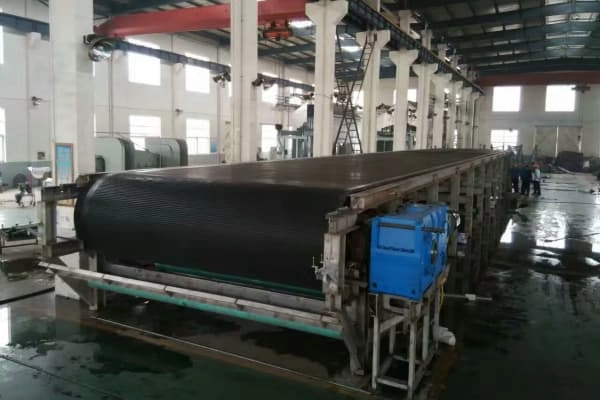
يمكن أن يؤدي عدم التوافق بين خصائص القماش والمتطلبات التشغيلية إلى توقف متكرر أو انخفاض الإنتاجية. على سبيل المثال، إذا حدث عمى القماش بسبب هيكل النسيج غير المناسب، فإنه يعوق تدفق السوائل ويخلق تراكم الضغط. إن مرشح تفريغ الهواء بالحزام المطاطي الأفقي تم تطوير NHD على أساس إدخال وامتصاص وهضم منتجات مماثلة في المنزل وعلى متنها. ويعزز هذا الالتزام بالتصميم المثالي كيفية التوافق الحاسم بين متطلبات العملية وتصميم القماش.
ماذا يحدث عندما تختار قماش الفلتر الخاطئ لتطبيقك؟
غالبا ما يؤدي اختيار قماش الفلتر غير الصحيح إلى نقص أداء المعدات أو حتى الفشل. قد لا تتحمل المواد غير المتوافقة درجات حرارة العملية أو التعرض الكيميائي ، مما يؤدي إلى التدهور المبكر والاستبدال.
على سبيل المثال، تتطلب عمليات الترشيح التي تنطوي على تسريب الحمض أو استخراج المذيبات قماش مقاوم للكيميائيات. وبدون هذه الخصائص، سيبدأ التعب المادي بسرعة، مما يزيد من وقت التوقف وتكاليف التشغيل.
أساليب النسيج تلعب أيضا دورا كبيرا. النسيج الخشن في إعدادات الجسيمات الدقيقة يسبب حجب الكعكة ، ومرور الهواء المنخفض ، وأخيرا تقطيع قدرة الفلتر. مع مرور الوقت، هذا يجلب إنتاج أقل واحتياجات الرعاية أكثر.
بالإضافة إلى ذلك ، يمكن أن تضر صفات الصرف السيئة أو عقد القماش بجودة المنتج. عندما تبقي كعك الفلتر الكثير من الماء أو السوائل النقية تحتفظ بالمواد الصلبة المعلقة ، هناك حاجة إلى عمل إضافي. تصميم محسن لخطوط الترشيح والثقوب على الحزام ، وتجريف الترشيح الممتاز وأداء الترشيح ، مما يسلط الضوء على الحاجة إلى اختيار القماش الصحيح لتجنب الإضرار بكل من الجودة وتوفير التكاليف.
ما هي المعلمات التي يجب إعطاء الأولوية لها عند اختيار قماش الفلتر؟
لماذا توزيع حجم الجسيمات وخصائص الطين مهمة جدا؟
انتشار حجم الجسيمات (PSD) من الطين يحدد أفضل حجم ثقب ونسيج قريب المطلوب في اختيار قماش الفلتر. تدعو إعدادات الجسيمات الدقيقة ، مثل تلك الموجودة في ثاني أكسيد التيتانيوم أو الألومنيا ، إلى نسيج أكثر إشراقا لمنع المواد الصلبة من الدخول إلى السائل الشفاف.
من ناحية أخرى ، تستفيد الطينات الأكثر خشونة من الأقمشة العالية التي تسمح بإنتاج أسرع دون فقدان التمسك. كما يحدد سمك الطين مدى سهولة تحركه عبر الطبقة. لتكون محددة، تحتاج الطينات الأكثر سمكا إلى المزيد من النسيج المفتوح لتوقف حجب.
الطبيعة الخشنة للطين تمثل نقطة رئيسية أخرى. الملاطين الخشنة جدا تسريع الأضرار القماش وتدعو إلى تنظيف أو تغيير في كثير من الأحيان، في حين أن أداء الاسترداد الجيد من رذاذ التنظيف المتخصصة للقماش الفلتر يمكن استرداد أقصى قدر من اختراق الهواء للقماش الفلتر. يظهر هذا كيف يجب أن تتوافق الخصائص المحددة للعملية مع خصائص النسيج لتشغيل موثوق به على المدى الطويل.
كيف تؤثر الخصائص الميكانيكية والكيميائية لمواد القماش على النتائج؟
تثبت صلابة الجسم الحاجة في مرشحات الحزام الأفقية التي تعمل تحت سحب ثابت. قوة السحب تتأكد من أن القماش يمكن أن يتعامل مع أحمال الآلة في دورات مستمرة دون تمديد أو كسر.
المباراة الكيميائية تبقى حيوية بنفس القدر. التكيف العالي للمعدات يمكن أن تدرك التحكم في سمك الكعكة، غسيل المياه، درجة الفراغ، ودورة التشغيل، إلخ. هذه المرونة تعمل فقط عندما تتناسب مواد القماش مع المواد القاسية في العديد من المهام الصناعية.
يمثل الاستقرار الحراري حاجة أخرى لإعدادات الطين الساخن. إذا تغير القماش شكله تحت الحرارة العالية ، فإنه يؤثر على الختم والتتبع ، وأخيرا يضر بكامل الفراغ.
هل يمكن تصميم قماش الفلتر تحسين الكفاءة التشغيلية؟
ما الدور الذي تلعبه أنماط النسيج والتشطيبات السطحية في الكفاءة؟
أساليب النسيج المختلفة تعطي توازنات مختلفة بين سرعة التدفق وعقد الجسيمات. على سبيل المثال ، عادة ما توفر النسيجات المزدوجة الأقمشة الأقوى مع عقد الجسيمات الأفضل ، في حين أن النسيجات العادية تعطي مرور أعلى ولكن أقل قوة.
العمل السطحي مثل الضغط على المسطح ، وهي خطوة يمر فيها النسيج عبر الأسطوانات ، يخلق أسطح أكثر سلاسة تحارب تلصق الكعكة. هذا يسمح بدورات الإفراج الأسرع ويقلل من وقت التوقف بين الدفعات.
بناء أفضل مثل الأقمشة ذات الطبقتين تنضم إلى طبقة دعم خشنة مع طبقة فلتر دقيقة. هذه تعطي دقة تقسيم محسنة دون فقدان سرعة التدفق ، وهي إجابة مثالية لوظائف الفلتر الصلبة.
رشاشات متعددة المراحل ، مما يقلل بشكل كبير من قوة التشغيل والصيانة. هذه التحسينات النظامية هي الأكثر فعالية عندما يتم اقترانها مع قماش فلتر مصمم بعناية يكمل بنية الآلة.
كيف يمكن لتعزيز الحافة المناسبة تمديد عمر الخدمة؟
تواجه حواف قماش الفلتر ضغوط آلة قوية في العمل عالي السرعة. بدون قوة ، يلبسون بسهولة ويتسببون في التوقف المبكر.
الحدود المخصصة أيضا تحسين الختم على طول مناطق الفراغ. جهاز دعم الحزام المطاطي من نوع جديد من الهيكل الحلقي يلغي دعم الأسطوانة دليل ويجعل الكعكة ليست سهلة للتصدع دون كسر الفراغ. ويظهر هذا كيف تعتمد السلامة الهيكلية على التخصيص الدقيق لكل من مكونات القماش والإطار لتقليل التسرب والحفاظ على ضغط الفراغ عبر دورات التشغيل.
كيف تضمن التوافق بين قماش الفلتر والمعدات؟
لماذا يجب أن تطابق مواصفات القماش مع هندسة الآلة؟
كل فلتر حزام أفقي لديه متطلبات أبعاد فريدة: عرض الحزام، قطر الأسطوانة، طول منطقة الفراغ، وسمك الكعكة كل تأثير على اختيار القماش. عدم مطابقة هذه المعلمات يؤدي إلى التجاعيد أو التتبع غير السليم أو حتى التمزق أثناء التشغيل.
مبدأ فلتر الحزام مشابه جدا لمبدأ الفلتر الأفقي. ومع ذلك، تتطلب الاختلافات الدقيقة في هندسة المعدات تخصيص دقيق لأبعاد قماش الفلتر وخصائص المرونة لضمان التكامل السلس.
يجب أن تتطابق صلابة النسيج مع منحنى الأسطوانة لتوقف الانزلاق أو التجميع. تعتمد أنظمة السحب أيضًا على قوة النسيج حتى للحفاظ على ضغط ثابت على طول مسار الحزام.
ما الذي يجب النظر فيه فيما يتعلق بآليات تفريغ الكعكة؟
طريقة الإفراج علامات عامل آخر تشكيل اختيار النسيج. للإعدادات باستخدام المكشحات أو القضبان، قماش سطح ناعم خفض الكعكة اللصق وبناء انقسام نظيف.
في مناطق الغسيل، تضمن نفاذية موحدة أن مياه الغسيل تنتشر بشكل متساو عبر عرض الحزام - وهو أمر مهم لأداء التنظيف المتسق. تأثير غسيل أفضل من خلال نوع غسيل التيار المضاد متعدد المراحل. للاستفادة الكاملة من قدرات النظام، يجب أن يسهل القماش توزيع السوائل بشكل موحد دون توجيه أو تجميع.
أين يمكنك العثور على حلول موثوقة لترشيح حزام الفراغ الأفقي؟
لماذا يستحق اختيار مورد يقدم كل من المعدات والمواد الاستهلاكية؟
ن.هـ.د متخصصة في حلول الترشيح المتكاملة مصممة خصيصا لاحتياجات العملية الخاصة بك. مع عقود من الخبرة في الفصل بين السوائل الصلبة، توفر NHD ليس فقط فلتر فراغ أحزمة مطاطية أفقية متقدمة ولكن أيضا عالية الأداء قماش الترشيح صممت للمتانة والدقة وسهولة الصيانة.
يقوم فريقنا التقني بتقييم خصائص المواد الخاصة بك وأهداف إنتاج العملية والقيود البيئية قبل التوصية بإعداد نظام كامل. ما إذا كنت’ إعادة ترقية خط الإنتاج الخاص بك أو تصميم نظام جديد من الصفر، يضمن الدعم الهندسي لـ NHD أن كل مكون - من الإطار إلى النسيج - يتوافق مع أهدافك التشغيلية. إذا كنت مهتم بنا، من فضلك الاتصال لنا من خلال زيارة موقعنا الرسمي لمزيد من المعلومات.
الأسئلة الشائعة
س: ما هو العمر النموذجي لقماش الفلتر المستخدم في فلاتر الحزام الأفقي؟
ج: استخدام تغييرات الوقت حسب نوع المادة وإعدادات العملية وطرق الرعاية ، ولكن عادة ما يستمر من 3 إلى 12 شهرا في العمل الثابت.
س: هل يمكنني استخدام نوع واحد من قماش الفلتر عبر تطبيقات متعددة؟
ج: لا ينصح به ما لم تتشارك المهام في أحجام الجسيمات القريبة ومستويات اللمس الكيميائي والحرارة وسرعات التدفق. وإلا قد تنخفض النتائج.
س: كم مرة يجب علي فحص أو استبدال قماش الفلتر لتجنب التوقف غير المتوقع؟
ج: يُقترح إجراء فحوصات منتظمة كل أسبوعين أو أسبوعين. يجب أن يحدث التغيير عندما تظهر علامات حجب أو ارتداء أو انخفاض الناتج بشكل مطرد.