
 Indonesian
  English
  French
  Spanish
  Russian
  Arabic
  Portuguese
  German
  Turkish
  Persian
  Vietnamese
  中文
中文 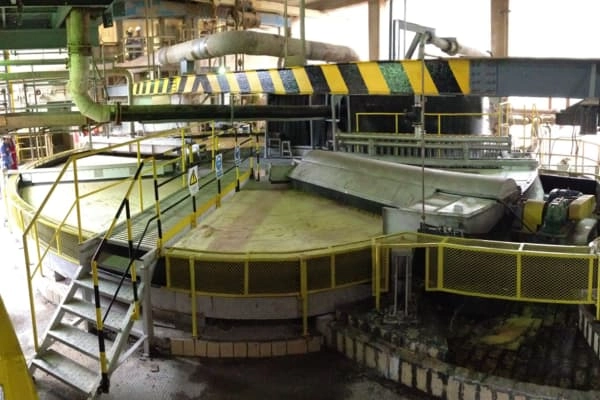
Penyaringan vakum rotary terus menerus mendukung pemisahan padat-cairan dengan throughput tinggi yang stabil di industri yang menuntut. Artikel ini menggambarkan di mana teknologi unggul, bagaimana mekaniknya memberikan konsistensi, dan bagaimana mengatasi risiko operasional umum untuk melindungi kapasitas, kualitas, dan biaya siklus hidup.
Mengapa mesin penyaringan vakum rotary masih kritis dalam pemisahan padat-cairan yang terus menerus?
Dalam proses kimia dan metalurgi skala besar, ketidakstabilan batch cenderung jarang diterima. Tekanan ada pada Anda untuk memenuhi target throughput, tingkat kelembaban, dan kotoran. Proses pencucian, bersama dengan penggunaan kristalisasi apa pun, bergantung pada kemampuan untuk mengikuti proses bubur. Peralatan penyaringan vakum rotary terus digunakan karena kemampuan mesin ini untuk memanfaatkan ketidakpastian proses.
Tidak seperti sistem intermiten, rotasi terus menerus memungkinkan Anda untuk menstabilkan pembentukan kue, cucian, dan pembuangan dalam satu konfigurasi mekanis. Hal ini menjadi sangat penting untuk menerapkannya dalam produksi asam fosfat, pemurnian alumina, dan proses metalurgi basah karena, untuk proses ini, penyaringan tidak selalu digunakan sebagai kemampuan tambahan tetapi sebagai hambatan kunci.
Kondisi operasional apa yang membuat teknologi ini cocok?
Filter vakum rotary berkinerja baik dengan bubur yang memiliki tingkat konsentrasi sedang hingga tinggi, distribusi ukuran partikel halus, dan kepadatan pakan yang konsisten. Filter vakum rotary juga efektif dalam media korosif atau minuman keras alkali, di mana batasan diberikan pada seleksi bahan dan kesederhanaan mekanis.
Kadang-kadang, terutama di mana operasi berjalan 24/7 di pabrik, dan jendela penutupan terbatas, kapasitas untuk mendukung zona penyaringan konstan menjadi faktor penentu utama.
Bagaimana mekanisme kerja mendukung operasi jangka panjang yang stabil?
Setelah penggunaan teknologi ini telah diidentifikasi, pertanyaan berikutnya adalah bagaimana teknologi mencapai stabilitas jangka panjang daripada stabilitas jangka pendek. Jawabannya terletak pada logika zoning teknologi dan sinkronisasi mekanis rotasi, kontrol vakum, dan operasi penanganan kue.
Bagaimana distribusi zona vakum mempengaruhi efisiensi filtrasi?
Setiap proses rotasi dibagi menjadi zona fungsional yang berbeda, termasuk perendaman bubur, pembentukan kue, cuci, pengeringan, dan pembuangan. Hal ini membantu membedakan proses ini untuk mencegah gangguan hidrolik antara zona minat ini dalam turbulensi pakan dan efisiensi cuci. Selain itu, waktu katup yang tepat berkontribusi untuk memastikan bahwa tekanan vakum terkonsentrasi di mana dewatering paling penting, yang penting ketika, alih-alih menyebarkan tekanan ini sepanjang proses rotasi penuh.
Perbedaan ini juga memfasilitasi penyesuaian proporsi cuci dan tingkat kelembaban sisa tanpa mendesain ulang sistem total.
Mengapa rotasi terus menerus meningkatkan konsistensi proses?
Filter intermiten mengatur kembali ketebalan kue setiap siklus. Sistem rotary tidak. Anda mempertahankan profil kue yang dapat diprediksi karena kecepatan rotasi dan ketinggian pakan tetap konstan. Hal ini mengurangi fluktuasi dalam kejelasan filtrat dan menstabilkan unit penguapan atau kristalisasi hilir, yang sering merespon buruk terhadap variabilitas jangka pendek.
Keuntungan kinerja apa yang paling penting dalam proyek industri?
Setelah mekanisme jelas, kinerja menjadi metrik nyata yang membentuk keputusan investasi.
Mengapa tidak sebuah tinggiyang area filtrasi yang efektif meningkatkan kapasitas?
Diameter filter yang besar dan panci filter yang disegmentasi memungkinkan Anda untuk meningkatkan permukaan filtrasi aktif tanpa memperluas tata letak tanaman. Kapasitas tumbuh dengan area, bukan kompleksitas. Inilah sebabnya mengapa proyek modern sering memprioritaskan kekakuan struktural dan kontrol rata daripada hanya meningkatkan kecepatan rotasi.
Bagaimana cara mencuci multi-tahap meningkatkan kemurnian produk?
Dalam sirkuit asam fosfat, sisa fosfor larut dalam gipsum mendefinisikan nilai produk dan kepatuhan lingkungan. Zona cuci multi-tahap memungkinkan Anda untuk menghilangkan minuman keras yang ditarik sambil menjaga integritas kue. Dalam sistem alumina, pembayaran alkali ke dalam tangki hujan harus tetap minimal untuk melindungi morfologi produk.
Mengapa stabilitas struktural mempengaruhi biaya siklus hidup?
Pan filter yang tidak merata, roller dukungan yang salah selaras, atau deformasi pelat katup perlahan-lahan mengikis kinerja. Kelembaban meningkat, throughput turun, dan operator mengkompensasi dengan meningkatkan kecepatan vakum atau rotasi, mempercepat keausan. Oleh karena itu, akurasi struktural bertindak sebagai pendorong biaya yang tidak terlihat selama umur operasi penuh.
Di mana desain peralatan canggih menunjukkan nilai praktis?
Keuntungan desain menjadi terlihat ketika diterapkan pada lingkungan kimia yang menuntut.
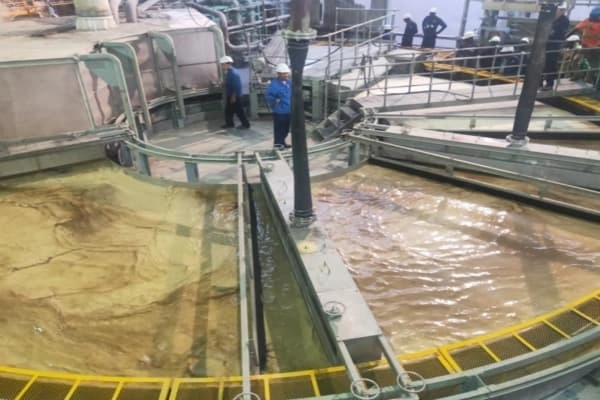
Di tanaman asam fosfat, peralatan seperti Filter vakum meja putar (untuk asam fosfat) biasanya ditempatkan di bagian kritis proyek karena perilaku kristal gips, risiko skala, dan efisiensi cuci menentukan apakah ekspansi kapasitas tetap layak tanpa rekonstruksi sipil besar.
Mengapa penyaringan asam fosfat sangat menuntut?
Kristal gipsum cenderung membentuk struktur seperti piring yang menjebak minuman keras asam. Korosi asam menyerang pelat katup, lengan distribusi, dan pengikat struktural. Skalasi di dalam saluran filtrat lebih membatasi aliran. Faktor gabungan ini membuat presisi mekanis dan seleksi bahan lebih kritis daripada area filtrasi nominal saja.
Mengapa filtrasi alumina membutuhkan prioritas struktural yang berbeda?
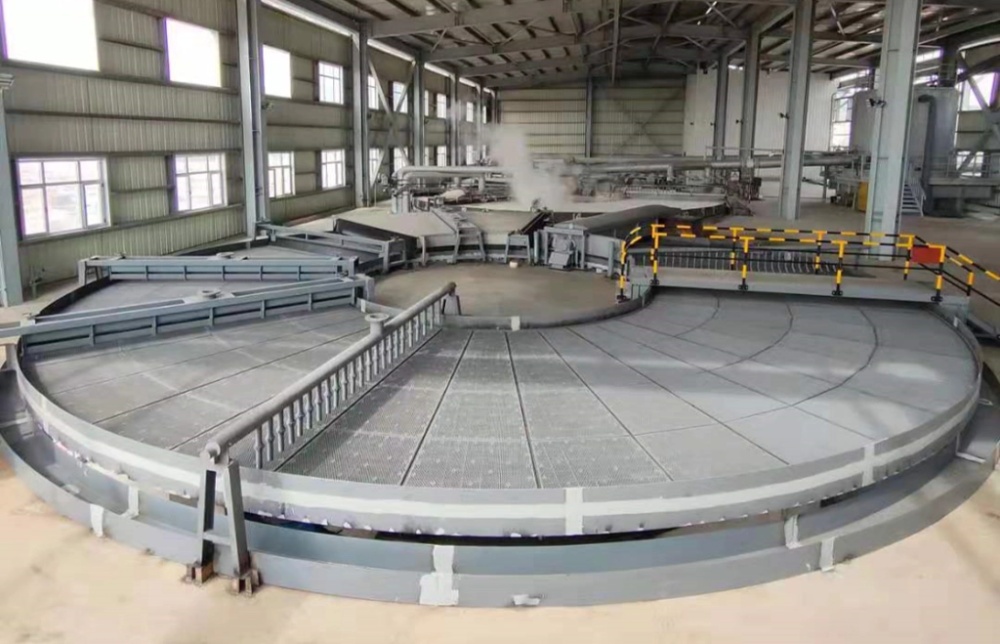
Beralih dari sistem asam ke sistem yang sangat alkali mengubah fokus desain. Dalam sirkuit proses Bayer, yang Filter Vakum Pan Rotary (untuk Alumina) digunakan secara luas, di mana reologi lumpur merah, suhu tinggi, dan korosi kaustik mendominasi tekanan peralatan.
Bagaimana perilaku lumpur merah mempengaruhi stabilitas filtrasi?
Lumpur merah mengandung partikel ultra-halus yang mudah dikompres, membentuk kue padat dengan permeabilitas rendah. Perubahan kecil dalam suhu bubur atau konsentrasi soda mengubah ketahanan kue secara tajam. Geometri pan, sudut bilah pembuangan, dan kontrol ketegangan kain, oleh karena itu, menentukan apakah penyaringan tetap halus atau berubah siklik dan tidak stabil.
Mengapa banyak proyek gagal mencapai yang dirancang kinerja filtrasi?
Bahkan dengan pilihan peralatan yang tepat, kinerja dunia nyata sering menyimpang dari asumsi desain.
Apa yang menyebabkan ketebalan kue yang tidak rata?
Distribusi bubur yang tidak seragam adalah penyebab yang paling sering. Kotak umpan yang tidak memiliki kontrol overflow yang dapat disesuaikan menghasilkan gradien kepadatan radial dan kecepatan rotasi yang tidak cocok, kemudian memperkuat perbedaan ini menjadi lapisan kue yang tidak stabil.
Mengapa kebocoran katup mengurangi efisiensi vakum?
Pakai pada permukaan penyegelan katup memungkinkan udara sekitar memasuki saluran vakum. Anda dapat mengamati beban pompa yang lebih tinggi tetapi efek dewatering yang lebih rendah, disertai dengan filtrat berawan.
Bagaimana kebutaan kain filter berkembang dari waktu ke waktu?
Penyumbatan kain filter disebabkan oleh presipitasi kimia dan partikel kecil yang tersimpan di dalam pori-pori kain. Setelah permeabilitas turun, operator sering meningkatkan tekanan vakum, yang menekan kue lebih lanjut dan mempercepat kegagalan kain.
Bagaimana Anda bisa memecahkan masalah ini tanpa mengganti seluruh sistem?
Tindakan korektif tidak selalu membutuhkan penggantian peralatan penuh.
Bagaimana parameter operasional dapat dikoreksi?
Mulailah dengan kontrol padatan pakan dan stabilitas suhu bubur. Sesuaikan kecepatan rotasi hanya setelah tekanan vakum stabil. Perubahan kecil sering memulihkan kapasitas yang hilang lebih efektif daripada modifikasi mekanis.
Mengapa pemeliharaan pencegahan melindungi kinerja?
Pemeriksaan yang dijadwalkan dari pelat katup, sistem ketegangan kain, dan penyelarasan roller mencegah degradasi kumulatif. Banyak pabrik memulihkan throughput 10-15% setelah penggantian penyegelan sistematis saja.
Bagaimana optimasi struktural meningkatkan keandalan?
Dukungan pan yang diperkuat, scraper pembuangan yang dirancang ulang, dan kemiringan saluran filtrat yang ditingkatkan mengurangi getaran dan skala. Perubahan ini meningkatkan umur kain dan menstabilkan efisiensi vakum.
Di mana Anda harus mencari kemampuan rekayasa yang terbukti?
NHD adalah kelompok peralatan industri skala besar yang didirikan pada tahun 1992, mengoperasikan basis manufaktur yang mencakup sekitar 270.000 meter persegi dengan lebih dari 800 karyawan, termasuk lebih dari 260 staf teknik dan teknis. Portofolio produk kami mencakup mesin penyaringan, mesin penyaring otomatis, agitator, pengepalan, peralatan asam sulfat, sistem desulfurisasi, pembuluh tekanan, dan eksekusi proyek EPC.
Di seluruh pengolahan kimia fosfor, pemurnian alumina, metalurgi non-ferrous, produksi titanium dioksida, dan rekayasa lingkungan, sistem penyaringan kami telah diterapkan dalam lebih dari 800 proyek rekayasa di seluruh dunia, melayani lebih dari 1.000 klien industri. Di sektor asam fosfat Cina saja, filter vakum meja putar dari kelompok kami menyumbang sekitar 98% pangsa pasar yang diinstal, dengan area filtrasi unit tunggal mencapai 320 meter persegi.
Selain sektor manufaktur, nilai kami juga tercermin dalam integrasi sistem filtrasi - mengadaptasi desain filtrasi untuk kimia pencucian hilir, target pencucian hilir, dan batasan penanganan bahan di seluruh pabrik. Bersama dengan produksi kain filter kami sendiri, pengolahan bahan stainless steel kami sendiri, serta kerjasama lama kami dengan perusahaan internasional lainnya, mungkin bagi kami untuk fokus pada kontrol kapasitas pabrik alih-alih mengidentifikasi kembali masalah.
Bagaimana Anda harus mengevaluasi solusi penyaringan vakum rotary untuk proyek Anda sendiri?
Setelah memeriksa logika desain, mekanisme kegagalan, dan kedalaman rekayasa, kriteria seleksi menjadi lebih jelas.
Indikator proses mana yang pantas diprioritaskan?
Perlu menekankan stabilitas kelembaban kue, efisiensi cuci, kejelasan penyaringan, dan throughput berkelanjutan per meter persegi. Kapasitas puncak jangka pendek berarti sedikit jika rata-rata mingguan menurun.
Mengapa kemampuan layanan mempengaruhi biaya siklus hidup?
Ketersediaan suku cadang yang cepat dan respon teknis menentukan apakah kesalahan kecil berubah menjadi kerugian produksi. Selama sepuluh tahun operasi, struktur layanan sering biaya lebih sedikit daripada limbah energi dari penyaringan yang tidak efisien.
Kesimpulan
Mesin penyaringan vakum rotary tetap penting karena mereka mengubah sistem bubur yang tidak stabil menjadi proses pemisahan yang terkontrol dan terus menerus. Nilai mereka tergantung pada presisi mekanis, manajemen zona, logika cuci, dan stabilitas struktural jangka panjang. Ketika unsur-unsur ini sejajar, filtrasi menjadi aset produksi yang dapat diprediksi daripada hambatan; Jika tidak, ekspansi kapasitas, efisiensi energi, dan kualitas produk semua menderita.
FAQ (Pertanyaan umum)s
Q1: Bagaimana Anda mengurangi kelembaban kue tanpa menurunkan throughput?
J: Stabilisasikan tekanan vakum terlebih dahulu, lalu mengoptimalkan ketebalan kue dan rasio zona cuci-pengeringan. Meningkatkan kecepatan rotasi sendiri sering memperburuk permeabilitas.
Q2: Mengapa kinerja filtrasi menurun setelah berbulan-bulan operasi stabil?
A: Pembutaan kain, kebocoran katup, dan deformasi pan bertahap perlahan mengurangi efisiensi vakum. Pemeriksaan yang dijadwalkan biasanya memulihkan kinerja.
Q3: Adalah sebuah area filtrasi yang lebih tinggi selalu lebih baik untuk proyek besar?
J: Hanya ketika kekakuan struktural, perilaku bubur, dan permintaan cuci cocok dengan desain. Filter besar tanpa optimasi mekanis dapat menciptakan ketidakstabilan baru.