
 Portuguese
  English
  French
  Spanish
  Russian
  Arabic
  Indonesian
  German
  Turkish
  Persian
  Vietnamese
  中文
中文 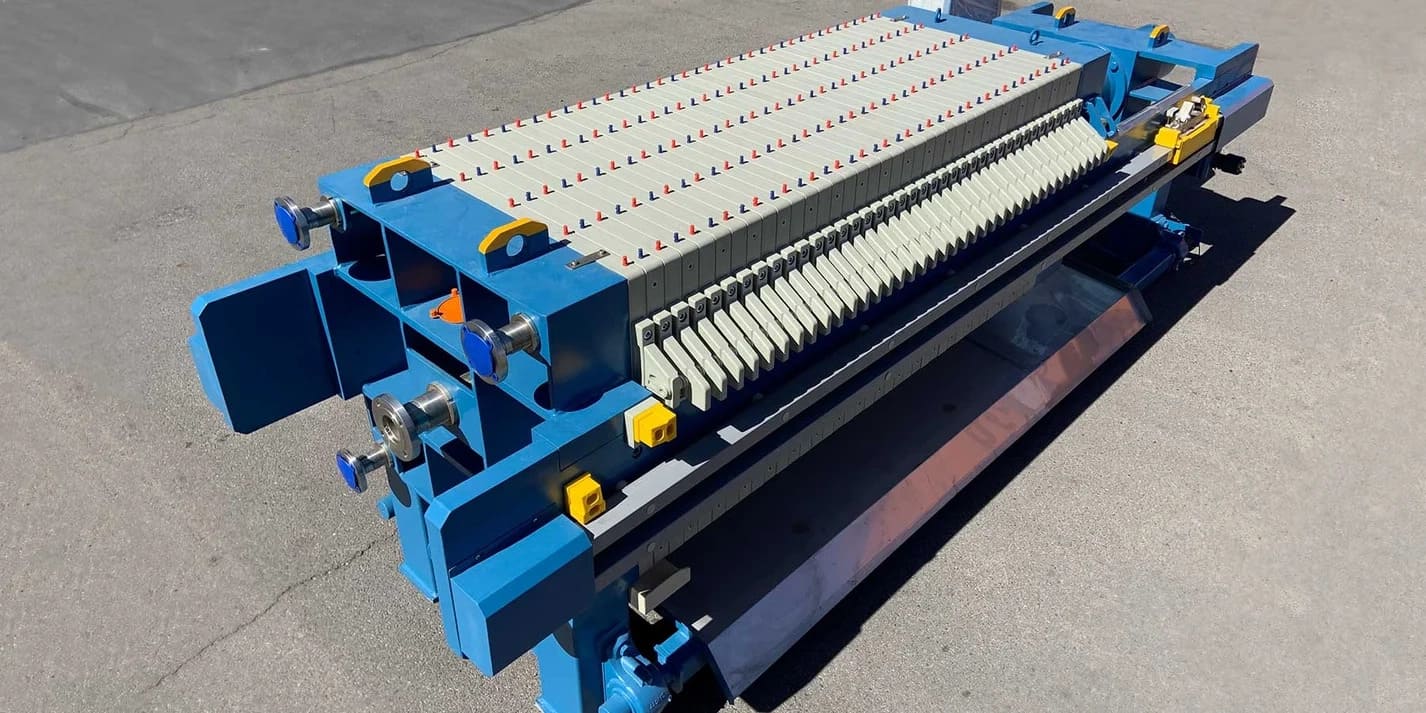 O custo real de um premer filtro no trabalho de fábrica vai muito além do preço mostrado na compra. A verdadeira acessibilidade vem de olhar para o custo completo do ciclo de vida, incluindo custos diários de funcionamento, necessidades de reparação, uso de energia e o dinheiro economizado através de maior produção. Máquinas com maior capacidade ou sistemas automáticos custam mais no início, porém cortam muito horas de trabalho, aceleram o trabalho, e deixam muitos bolos de filtro mais secas que custam menos para jogar. Ao longo de muitos anos, as poupanças geralmente pagam o preço mais alto várias vezes. A escolha mais inteligente depende do tamanho da fábrica, do quão difícil é o trabalho diário e do quão bem a máquina é cuidada. Uma pulsação de filtro de boa qualidade que corresponde à necessidade real quase sempre resulta ser um investimento inteligente a longo prazo.
Avaliar a Acessibilidade das Pressas de Filtro em Aplicações Industriais
Avaliar o que a acessibilidade significa na filtração industrial
Na fábrica a palavra "acessível" cobre muito mais do que o primeiro pagamento para uma imprensa de filtros. O verdadeiro custo inclui tudo gasto durante muitos anos deve ser contado. Isso significa adicionar o preço de compra, as contas de energia, o trabalho de reparação, peças de reposição e o lucro extra de produção mais rápida. Uma máquina barata pode tornar-se cara se quebra frequentemente ou usa eletricidade demais. Um modelo de preço mais elevado pode poupar dinheiro por décadas.
NHD construi todas as pulsações de filtros com essa longa visão em mente. Partes fortes, baixo uso de energia, e reparações simples continuam a diminuir custos de funcionamento mesmo no trabalho diário duro.
Factores que influenciam o preço e a acessibilidade das presas filtradas
Características iniciais de investimento de capital e equipamento
O preço inicial de uma pulsação de filtro muda muito com tamanho e funções adicionais. Cámaras maiores, abertura automática de placas, ou telas de controle especiais elevam o preço. Mas essas mesmas funções geralmente pagam por si mesmas rapidamente.
Uma grande imprensa de filtros custa mais no início, mas manipula muito mais material cada hora. Fabricas que funcionam dia e noite recuperam o dinheiro extra rápido através de uma produção maior.
Os sistemas automáticos de libertação de bolo e lavagem de roupa também custam mais no início. Ainda assim, eles removem muitas horas de trabalho de mão todas as semanas. As poupanças de trabalho em breve cobrem o preço mais alto.
custos operacionais em curso para considerar
Maintenance and Spare Parts
Cada imprensa de filtros precisa de cuidado regular. As placas devem ser limpas, a tela mudada, os selos substituídos e o sistema hidráulico verificado. Máquinas baratas muitas vezes precisam de novas partes mais cedo e custam mais com o tempo.
A NHD usa materiais fortes e projetos simples, partes tão importantes duram mais. Quando algo se desgasta, partes originais são fáceis de obter e encaixar perfeitamente.
Fabricas sem sua própria equipe de reparação pagam trabalhadores externos por cada visita. Boas máquinas da NHD precisam de menos visitas, para que o custo extra do trabalho permaneça baixo.
Requisitos de consumo de energia e utilidade
As contas de energia aumentam rapidamente quando a imprensa faz muitos ciclos todos os dias. As bombas hidráulicas e os compressores de ar usam eletricidade cada vez que as placas fecham ou abrem.
O filtro de vacío Horizontal da NHD precisa de muito pouca energia para a quantidade de material que processa. O menor uso de eletricidade significa grandes poupanças na conta mensal.
Rendimento a longo prazo de investimento (ROI) Potencial
economias de custos comparadas às tecnologias alternativas
Comparado com outras tecnologias de separação como centrifugas ou filtros rotativos de tambor de vácuo, as pressões de filtros geralmente oferecem economia operacional favorável. Isso é feito comparando a diferença nos custos de funcionamento, incluindo manutenção, consumo de energia e custos consumáveis, entre uma pulsação de filtros e um método de filtração alternativo, como uma centrifuga ou um filtro de vácuo.
Além disso, as presas de filtro produzem bolo mais secado que leva a pesos mais baixos de eliminação e a taxas reduzidas de carregamento. Esse benefício aumenta ainda mais a ROI através de custos reduzidos de gestão de resíduos.
Gains de produtividade dos modelos de alta eficiência
Os sistemas automáticos melhoram significativamente a velocidade de processamento e a coerência. O aumento da produtividade devido às pressões de filtro é estimado comparando a velocidade de processamento e eficiência das pressões de filtro com métodos alternativos de filtração, o que pode ser alcançado reduzindo o tempo de descida da produção, aumentando a eficiência de filtração, etc. Em setores de alto valor como farmacêuticos ou produtos químicos especializados, onde a recuperação de produtos correla diretamente com receita, tais melhorias impactam substancialmente a rendibilidade.
Finalmente, os benefícios líquidos da implementação da imprensa filtrada são obtidos adicionando os valores das poupanças de custo operacional total e aumento da produtividade total e subtrindo o custo inicial de investimento da imprensa filtrada.
Considerações Estratégicas Antes de Investir numa imprensa de filtros
Compartir a Capacidade do Equipamento com a Escala Operacional
Alinhar a escala do equipamento com a capacidade das instalações é vital para maximizar o benefício econômico. O efeito do volume de produção na acessibilidade dos preços da imprensa de filtros é significativo.
As maiores pressões de filtros são geralmente mais econômicas do que as menores porque elas podem lidar com mais material e aumentar a produtividade. À medida que a produção cresce, projetos modulares como os da NHD permitem aos usuários aumentar sem substituição completa do sistema.
A escalabilidade refere-se à habilidade de uma pulsação de filtros ser expandida ou adaptada para diferentes escalas de produção.
Planificação de manutenção e gestão de ciclos de vida
Implementar um program a de manutenção preventiva é essencial para sustentar o desempenho do sistema a longo prazo. Pressões de filtros de alta qualidade geralmente oferecem um desempenho mais confiável e uma vida de serviço mais longa, o que reduz os custos de reparação e substituição e baixa o custo total de propriedade do equipamento.
A NHD melhora essa capacidade oferecendo ferramentas de diagnóstico remoto, programas de treinamento para pessoal interno e suporte técnico que assegura o melhor tempo de vida.
Durabilidade, Qualidade Material e Suporte do Fabricante
A durabilidade desempenha um papel crítico na determinação do custo total do ciclo de vida. Para garantir a acessibilidade a longo prazo, é crucial investir em pressões de filtros de alta qualidade. Equipamento construído de aço inoxidável ou polímeros químicamente resistentes resistem a usar melhor em condições duras.
Garantias, suporte e serviço de pós-venda fornecidos pelo fabricante também são considerações importantes ao investir em uma imprensa de filtros de alta qualidade. A NHD fornece cobertura completa de garantias juntamente com acesso a partes OEM.
Comparando diferentes tipos de sistemas de imprensa de filtros
Pressões manuais de filtros para aplicações de baixa capacidade
As pressas manuais custam pelo menos no início. Os trabalhadores abrem e limpam todos os pratos à mão. Elas funcionam bem para pequenas fábricas ou plantas de teste.
Presas automáticas de filtro para uso industrial contínuo
Modelos completamente automáticos custam mais, mas correm dia e noite sem quase ninguém. O filtro de folha automática da NHD é construído exatamente para este tipo de trabalho pesado.
Pressões de filtro de membrana para necessidades de filtração de alta especificação
As pressões de membrana apertam as últimas gotas de água. Eles custam mais, mas dão os bolo mais secas e a maior recuperação de produtos.
Soluções Recomendadas de NHD Baseadas em Necessidades de Aplicação
Filtro de Folha Automática: Designed for Continuous Efficiency
Filtro de folha automáticas são projetados para eficiência contínua, fornecendo benefícios chave como operação completamente automatizada para custos reduzidos de trabalho, adequação excepcional para processos finos de filtração química, e uma pegada compact a ideal para instalações limitadas ao espaço.
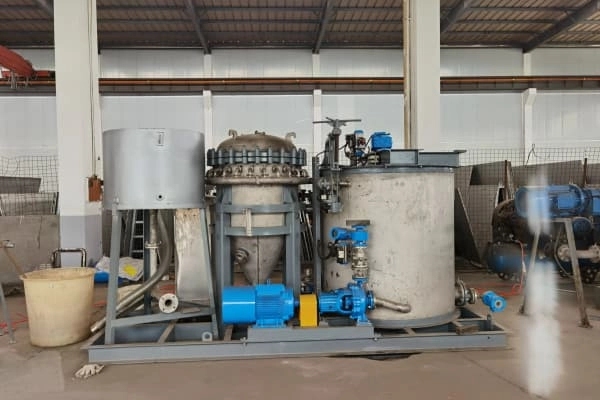
Filtro Horizontal de Vacuum da Cintura de Goma: Construído para Alta Performança
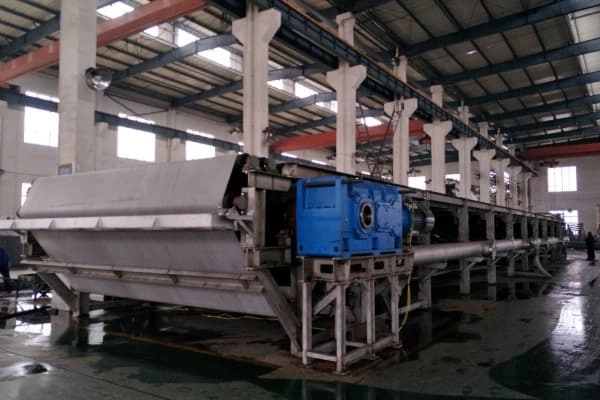
O Filtro de pó de cinto de borracha horizontal é projetado para alto rendimento, fornecendo benefícios chave incluindo um processo de filtração contínuo que aumenta a produtividade, baixo conteúdo de umidade de bolo para reduzir os custos de secagem, e um projeto otimizado para processamento mineral em grande escala e tratamento de águas residuais.
FAQ
Q: Como o preço de uma imprensa de filtro se compara com outras tecnologias de separação?
A: O primeiro preço pode ser alto, mas os custos de execução permanecem baixos. - Tortos de secador e menos uso de energia muitas vezes fazem com que o filtro prema a escolha mais barata após alguns anos.
Q: Quais fatores impactam mais significativamente o custo total da propriedade?
A: Utilização de energia, quantas vezes as peças são mudadas, horas de reparação, vida da máquina, e perda de tempo de produção quando a máquina parar todos decide o custo real.
Q: É possível ampliar um sistema de pulsação de filtros existente enquanto a produção cresce?
A: Sim. Muitas máquinas NHD aceitam placas adicionais ou novas partes automáticas mais tarde, para que a fábrica possa crescer sem comprar uma imprensa completamente nova.