 Russian
  English
  French
  Spanish
  Arabic
  Portuguese
  Indonesian
  German
  Turkish
  Persian
  Vietnamese
  中文
中文 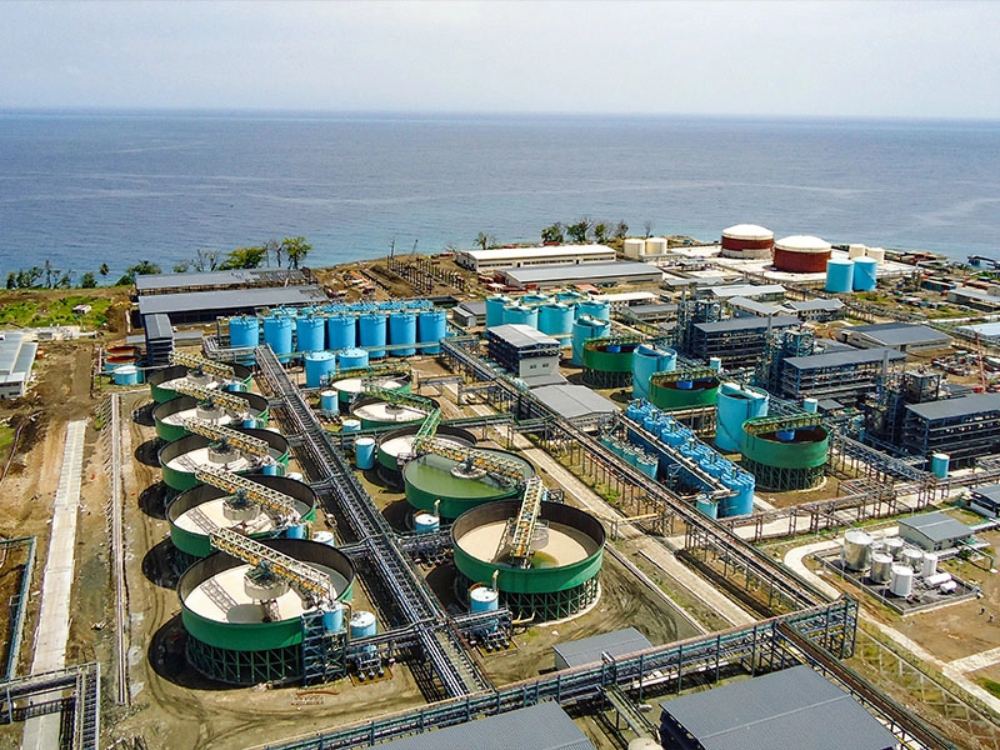
Почему металлы батарей становятся стратегическими активами, а не обычными товарами?
Инвестиционная логика вокруг металлов батарей изменилась. Вы больше не имеете дело с краткосрочной динамикой сырьевых товаров, управляемой спотовым спросом, а занимаетесь структурным спросом, созданным электрификацией, развертыванием систем хранения в масштабе сети и долгосрочной промышленной политикой. Это изменение меняет то, как вы должны оценивать риски, распределять капитал и оценивать промышленную инфраструктуру.
Спрос больше не цикличен
Электрические автомобили, системы хранения энергии и правила перехода на энергетику в долгосрочной перспективе укрепляют спрос на литий, никель, кобальт, марганц и графит. Эти товары укорениваются таким образом, что длится десятки лет, а не четверти. После развертывания мощности спрос на сырьевые товары становится стабильным, а не на основе прогнозов.
Концентрация поставок изменяет риск
Вы также сталкиваетесь с средой поставок, характеризующейся географической концентрацией и техническими узкими местами. Перерабатывающая мощность, а не только доступность руды, становится все более обязательным ограничением. Эта реальность объясняет, почему рынки вознаграждают проекты, которые сочетают доступ к ресурсам с масштабируемыми металлургическими возможностями.
Как обработочная мощность влияет на реальную стоимость металлических ресурсов батарей?
Владение минеральными ресурсами не автоматически переводится в стратегическое позиционирование. Преобразование руды в полезные промежуточные продукты аккумуляторного класса происходит там, где ценность создается, теряется или стабилизируется.
От руды до батарейного материала
Металлургия влажного процесса, вымывание, стирка, разделение твердого и жидкого и стабилизация шламы составляют техническую основу преобразования металла батареи. Эти шаги регулируют чистоту, урожайность, объем отходов и эксплуатационные затраты. Небольшие неэффективности на этом этапе масштабируются в большие экономические отклонения при промышленной пропускной способности.
Где фильтрация определяет пропускную способность и последовательность
Фильтрация не является вспомогательной функцией. Он определяет влажность торта, перенос примесей, нагрузку на сушку и эффективность переработки воды. Технологии непрерывной фильтрации особенно актуальны в крупномасштабных гидрометаллургических цепях, где требуется стабильность процесса и низкая энергоемкость.
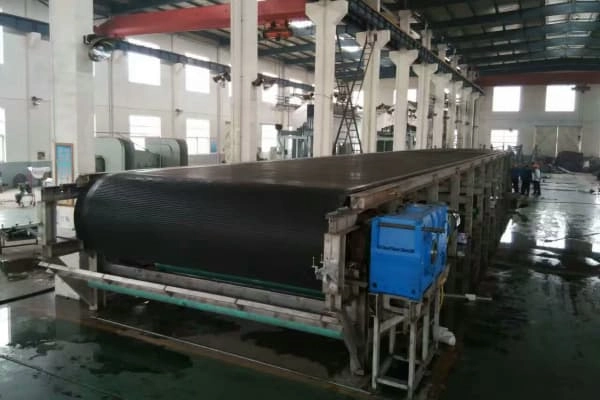
Хорошим примером практического применения является Вакуумный фильтр горизонтального резинового ремня, который широко используется в обработке минералов и влажных металлургических процессах. Главным преимуществом этого процесса является непрерывная обработка, стабильность и способность обрабатывать абразивные шламы. Процесс облегчает обработку с низкой специфической энергией, позволяя при этом контролировать содержание влаги в твердом торте.
Какую роль играют автоматизированные системы давления в масштабировании переработки батареи-металла?
По мере того как проекты переходят от пилотного масштаба к промышленному развертыванию, ограничения меняются. Вы должны справляться с более высоким содержанием твердых веществ, более жесткими экологическими ограничениями и более высокими ожиданиями оперативной предсказуемости. Ручные или полуавтоматические системы трудно удовлетворять этим требованиям в течение длительных рабочих циклов.
Точность партии при высокой нагрузке твердых веществ
Фильтрация под высоким давлением становится необходимой при увеличении вязкости шламы или при установлении более строгих целевых показателей влаги. Эти условия распространены при обработке никель-кобальтового латерита, очистке литиевой соли и путях прекурсоров на основе фосфатов. Точное обезводнение улучшает как качество продукции, так и управление остатками.
Автоматизация как инструмент контроля рисков
Автоматизированные системы уменьшают переменчивость, вызванную человеком, стабилизируют время цикла и обеспечивают обратную связь данных, которая поддерживает непрерывную оптимизацию. Те же системы также предлагают возможность последовательно поставлять на одном и том же уровне качества независимо от времени дня и местоположения, что может быть не столь важным, если вы несете ответственность за географические активы.
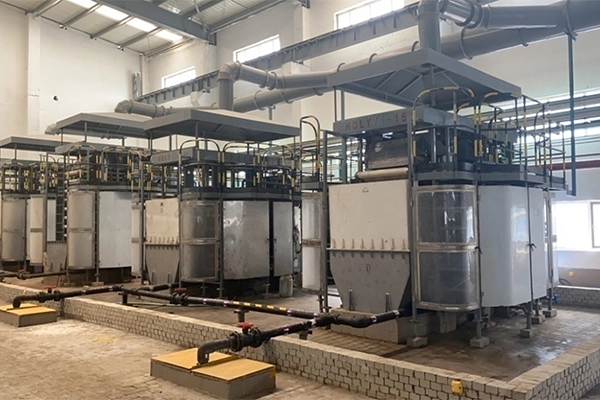
В Вертикальный автоматический напорный фильтр обычно используется в сценариях, требующих высокой эффективности разделения, повторяемого контроля цикла и сильной адаптационности к переменным характеристикам шламы. Он обычно используется в металлургической переработке и химическом разделении, где надежность не поддается переговорам.
Какой тип оборудования поставщик может реалистично поддержать индустриализацию батареи-металла?
Вы должны проводить различие между поставщиками каталогов и инженерными производителями. Первый поставляет изолированные компоненты, в то время как последний способствует производительности на уровне системы. В проектах по металлическим батареям различие между этими двумя категориями напрямую влияет на успех ввода в эксплуатацию и долгосрочную стабильность эксплуатации.
Инженерная глубина над шириной каталога
Важно не количество предлагаемых моделей, а глубина металлургического опыта. Оборудование, которое хорошо работает в коррозионных, абразивных и высокотвердых средах, вряд ли является общим, но требует специфической конструкции процесса, оптимизации материалов и итеративной проверки на местах.
Рекорд в металлургических проектах
Проекты, связанные с редкоземельной гидрометаллургией, латеритным никелем, переработкой кобальта и фосфатной химией, требуют больше, чем механическое изготовление. Они, как правило, требуют ознакомления с ограничениями процесса, стандартами соответствия и интеграции с верхними и нижними блоками.
Кто такой НХД и почему он имеет значение в цепочках обработки батарей-металлов?
На этом этапе анализа вы начинаете оценивать, могут ли промышленные партнеры поддерживать долгосрочную инвестиционную логику. Именно здесь корпоративный опыт, технический потенциал и опыт на местах становятся значимыми показателями.
NHD это крупномасштабная инженерно-техническая группа, основанная в 1992 году. Наша организация интегрирует проектирование, исследования и разработки, производство, установку и поставку EPC через системы фильтрации, автоматические фильтровые прессы, перемешатели, утольстители, сосуды под давлением и металлургическая инженерия влажного процесса. Мы нанимаем более 800 сотрудников, включая более 260 инженеров и технических специалистов, и управляем исследовательским центром машин разделения на уровне провинции. Наш портфель оборудования охватывает сотни моделей и применялся в более чем 800 промышленных проектах по цветной металлургии, алюминиевому окису, фосфатной химии, серным системам, экологической обработке и металлургии влажного процесса. Наша продукция экспортировалась в более чем 50 стран, и несколько наших технологий достигли национального лидерства и международных передовых уровней.
Этот фон актуален, поскольку цепочки поставок батарейных металлов все больше напоминают системы химической инженерии, а не чистые горнодобывающие операции.
Как оценивать инфраструктуру обработки при создании инвестиционной диссертации, ориентированной на 2026 год?
Когда вы выделяете капитал на металлы батарей, вы эффективно обеспечиваете производительность промышленности. Поэтому важно перевести технические параметры в экономическую чувствительность.
Показатели эффективности капитала
Вы должны изучить пропускную способность на единицу, потребление энергии на тонну, коэффициенты рабочего времени, интервалы технического обслуживания и долгий срок службы компонентов, которые непосредственно влияют на эксплуатационные расходы, IRR проекта и прибыль, скорректированную с учетом риска.
Стратегическая устойчивость
Устойчивые системы обработки адаптируются, чтобы переносить изменчивость корма, поддерживать модульное расширение и позволять локализировать производство и обслуживание. В условиях, определяемых геополитическими ограничениями и реконфигурацией цепочки поставок, эти черты становятся стратегическими преимуществами, а не оперативными деталями.
Что отличает краткосрочные спекуляции от долгосрочного позиционирования батареи-металла?
Многие участники рынка путают динамику цен со структурным преимуществом, но, как правило, нуждаются в более строгих рамках, когда они сталкиваются с серьезным распределением.
Ресурсы против систем
Минеральные месторождения могут быть обнаружены и торгуются, в то время как системы обработки строятся, перерабатываются и защищаются накопленным опытом. Последнее сложнее воспроизводить и, следовательно, более защитно со временем.
Инженерные мощности как инвестиционный ров
Технология разделения, способность автоматизации, выбор коррозионостойких материалов и компетентность интеграции процессов образуют промышленный ров. Эти возможности определяют, может ли проект масштабироваться, адаптироваться и оставаться конкурентоспособным под давлением затрат.
Часто задаваемые вопросы
Q1: Почему фильтрация получает столько внимания в обработке батареи-металла?
Ответ: Потому что фильтрация контролирует чистоту продукта, баланс влаги, стабильность остатков и эффективность переработки воды. Эти параметры влияют на спрос на энергию, соблюдение экологических норм и общую эксплуатационную стоимость.
Q2: Вакуумная фильтрация и фильтрация под давлением взаимозаменяемы?
О: Нет. Вакуумные системы подходят для непрерывного разделения с большим объемом, в то время как системы давления лучше подходят для высоких твердых веществ, высокой чистоты или критических этапов партии. Большинство промышленных схем требуют сочетания обоих.
Q3: Какой самый важный фактор следует учитывать в процессе инфраструктуры обработки?
Ответ: Акцент делается на эксплуатационной стабильности, общей стоимости владения, гибкости с различными подачами, автоматизации и технической сложности инженерной организации, разрабатывающей оборудование только по спецификациям поверхности.