 Russian
  English
  French
  Spanish
  Arabic
  Portuguese
  Indonesian
  German
  Turkish
  Persian
  Vietnamese
  中文
中文 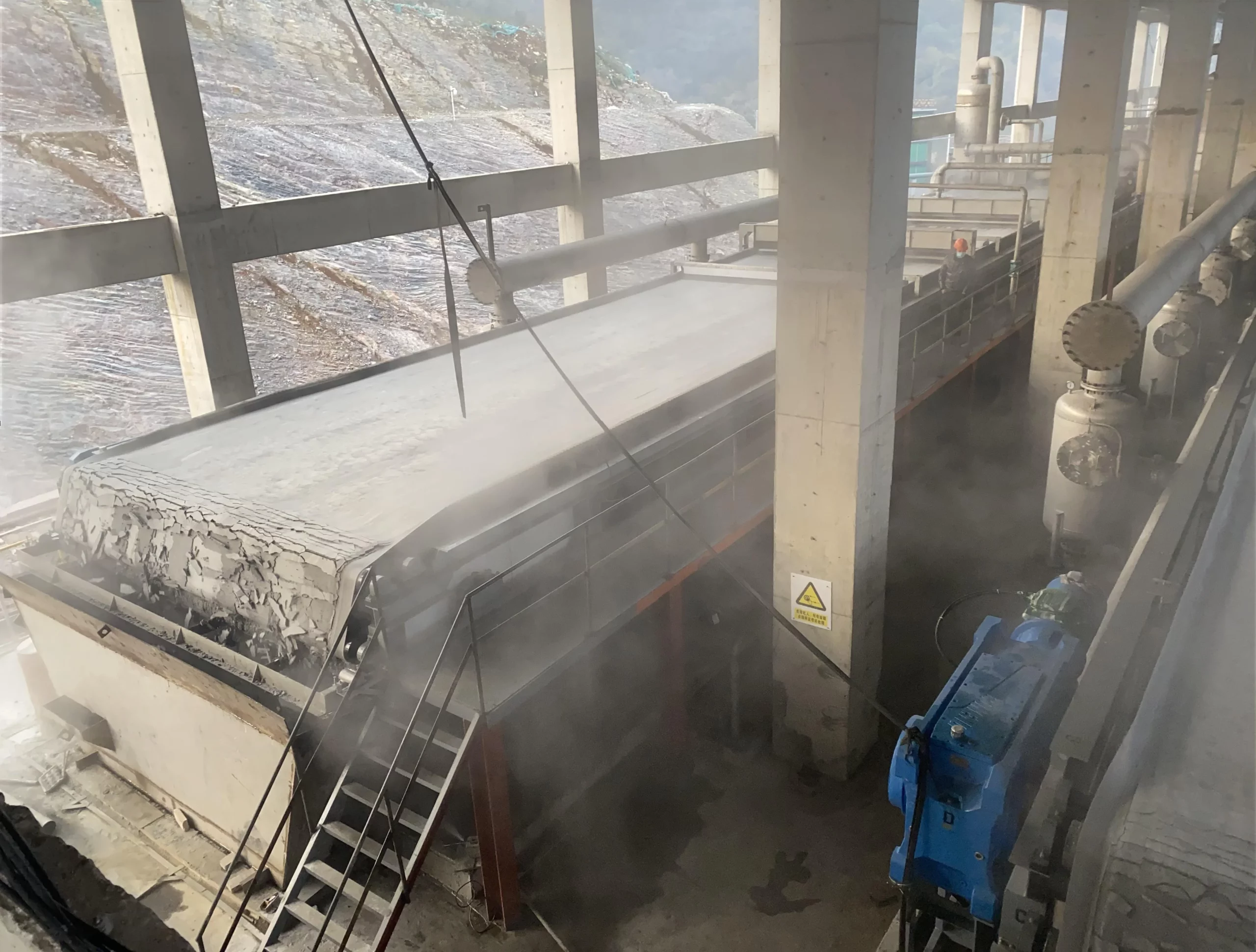
Existing phosphate chemical plants and wet-process phosphoric acid lines rarely have the same freedom as a new filtration project. A horizontal rubber belt vacuum filter retrofit has to work around current acid slurry conditions, phosphogypsum scaling tendency, cake washing target, filtrate return, vacuum system, piping interface, foundation, elevation, shutdown window, and maintenance access. The safer starting point is a site-data checklist that connects phosphoric acid filtration, gypsum dewatering, washing water balance, and layout constraints. NHD Horizontal Rubber Belt Vacuum Filter is a suitable equipment option for this type of retrofit. Its heat preservation vacuum box, flow-guide vacuum suction filtration box, multi-vacuum suction box, rubber belt supporting device, and filter cloth washing design help address common problems in phosphate plants, including scaling, cake cracking, vacuum instability, and high maintenance pressure.
Why Is a Phosphate Chemical Plant Retrofit Different from a New Installation?
A retrofit must work within the constraints of a plant that is already operating. More capacity, lower gypsum moisture, and steadier washing still have to fit old steelwork, existing filtrate routing, installed vacuum capacity, and an approved shutdown window.
Existing Acid Slurry, Gypsum Crystal, and Filter Cloth Load
Acid slurry from an operating PA line carries its own behavior. Ore variation, acid concentration, crystal size, suspended solids, and scaling history change cake formation and cloth load. If crystals are too fine or sticky impurities rise, the cloth may blind faster.
Limited Footprint, Elevation, Foundation, and Shutdown Window
The available space in an existing filtration building is often less flexible than expected. A longer frame, different belt path, raised vacuum box, or added washing section can affect platforms, pipe racks, crane access, and discharge hoppers. Check foundation drawings, elevation limits, and access routes together before layout approval.
Filtrate Return, Wash Water Balance, and P2O5 Recovery Risk
Filtrate routing and wash water balance are process questions, not only piping questions. A return route change can shift P2O5 losses elsewhere if acid concentration and recovery targets are not checked. Review filtrate flow, washing demand, return route, and gypsum quality together before the final layout is fixed.
Capacity Bottlenecks and Operation-Rate Loss
A retrofit request often starts after slower drainage, higher moisture, repeated cleaning, or shorter operating periods between shutdowns. Compare these symptoms with production targets and downtime logs. If scaling and cloth load keep returning, repair work may only delay the same bottleneck.
What Process Data Should Be Confirmed Before Filter Selection?
Process data turns a retrofit discussion into a reviewable engineering task. The main question is how the new equipment will behave under current slurry, washing, vacuum, and maintenance conditions. Missing data only moves risk into fabrication, installation, or startup.
Slurry Solid Content, Particle Condition, and Scaling Tendency
These parameters affect cake permeability, drainage speed, and dead-angle risk. The same nominal capacity can behave differently when gypsum crystals become finer or scale forms inside filtrate channels.
Cake Washing Requirement and Gypsum Moisture Target
Cake washing target and final moisture should be treated as measurable acceptance points. A plant may need lower soluble phosphorus, steadier cake discharge, or a cleaner gypsum stream for downstream handling. If the target for gypsum dewatering is not clear, the supplier cannot judge whether the washing length, belt speed, cake thickness, or vacuum arrangement is realistic.
Vacuum Degree, Filtrate Flow, and Return Route
Vacuum degree should be reviewed with filtrate flow and return route. A stronger setting does not always mean better operation; excessive compaction can reduce permeability or shorten cloth life. Confirm whether the separator, receiver, pump, and return pipework can handle the new drainage pattern.
Running Speed, Filter Cloth Tension
Running speed and cloth tension influence cake thickness, washing residence time, and cloth tracking. A horizontal belt filter that runs too fast may protect nominal throughput while weakening washing and drying. Check speed range, tension adjustment, cloth deviation correction, and cleaning access as one operating package. NHD’s belt filters include automatic tension control and cloth deviation correction as standard features, which keep the belt tracking centered across a wider speed range and reduce the manual adjustment that scaling-prone phosphate slurries often require.
| Data to prepare | Почему это важно | Retrofit risk if missing | NHD review focus |
| Slurry solids, crystal size, acid temperature | Sets cake permeability and scaling risk | Wrong area, unstable drainage, fast cloth blinding | Feed zone, vacuum box, belt speed, cloth selection |
| Cake washing target and moisture target | Connects recovery, water balance, and gypsum handling | Incomplete washing or wet discharge after startup | Washing section, cake thickness, counter-current washing |
| Vacuum degree, filtrate flow, return route | Shows whether the existing system can support drainage | Vacuum instability or receiver overload | Vacuum suction box, filtrate grooves, piping interface |
| Layout drawings, foundation, shutdown window | Defines what can be installed without major rework | Civil changes, delayed installation, poor access | Frame layout, maintenance space, modular transport |
Which Site Interfaces Can Create Retrofit Rework?
Most retrofit rework comes from interfaces treated as secondary details. Even correctly sized equipment can be delayed when foundation, piping, platforms, wash water, or filtrate return does not match the new arrangement. Check these items before final drawings are approved.
Installation Footprint, Foundation, and Elevation
Measure the existing footprint and elevation from drawings and field checks. Old drawings may miss later pipe changes, platform additions, cable trays, or access routes. If discharge, drive, or receiver elevations change, the civil scope can become larger than expected.
Existing Piping Interface, Wash Water, and Filtrate Return
Beyond the process-level water balance question, the physical piping interface needs its own check. Existing slurry feed, wash water, filtrate, and drain lines should be mapped against the new filter layout. Small misalignments can force field welding, extra elbows, or poor cleanout access. For a horizontal belt filter retrofit, piping should support stable feed distribution and clear filtrate drainage.
Maintenance Access Around Vacuum Box and Belt
Maintenance access decides whether the equipment can keep its performance after commissioning. Check space around the vacuum box, belt support, cloth tension device, wash sprays, rollers, and receiver cleaning points. If cleaning needs temporary platforms, routine work may be delayed until the next failure.
Retrofit vs. Replacement Boundary
A retrofit review should define what stays, what changes, and what needs later confirmation. Pumps, receivers, foundations, filtrate tanks, wash water supply, control signals, and discharge handling may all sit on the boundary. A clear boundary reduces quotation gaps.
How Does NHD Horizontal Rubber Belt Vacuum Filter Reduce Retrofit Risk?
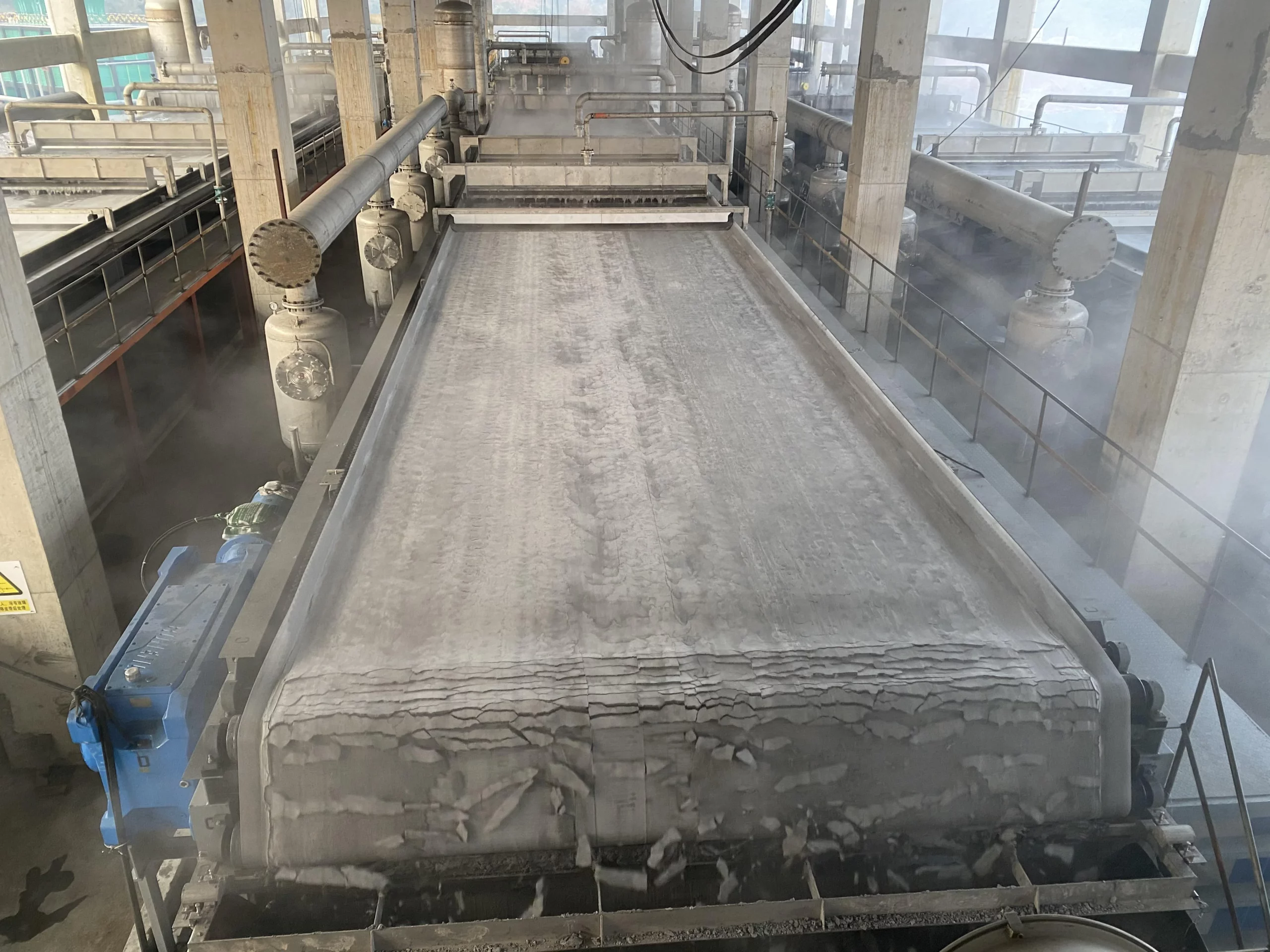
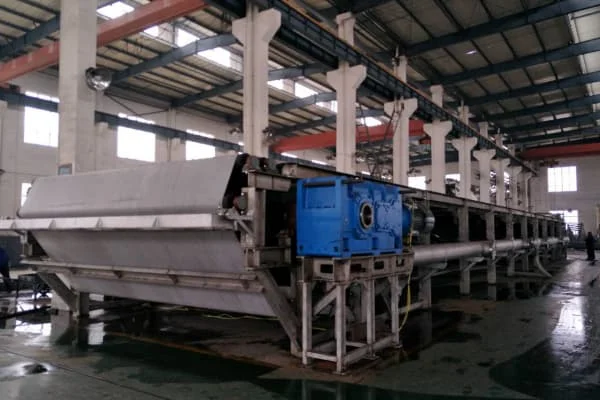
For this retrofit, NHD’s value is best judged by how the equipment structure handles scaling, cake cracking, cloth cleaning, and maintenance access. The NHD Horizontal Rubber Belt Vacuum Filter includes filtration options for chemical, mining, desulfurization, and phosphate applications. The design points below focus on the limits already visible in an existing plant.
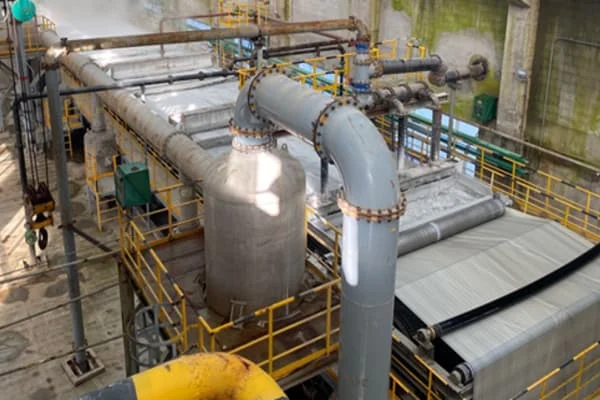
Heat Preservation and Flow-Guide Vacuum Box for Scaling Control
A heat preservation vacuum box helps reduce filtrate scaling linked to temperature drop. The flow-guide vacuum suction filtration box raises filtrate flow speed and reduces areas where scale can settle. These features support steadier phosphoric acid filtration without relying only on manual cleaning.
Multi-Vacuum Suction Box for Fewer Dead Angles
The multi-vacuum suction box shortens the filtrate path on the rubber belt and reduces dead angles. This matters when gypsum crystals and acid slurry already create blockage risk. Fewer dead angles help drainage stay more stable between cleaning cycles.
Annular Rubber Belt Support to Reduce Cake Cracking
NHD uses a new annular rubber belt supporting structure that removes the need for a supporting guide roller in that area. This keep the belt stable, reduce cake cracking, and avoid breaking vacuum during operation. Better cake stability also supports the gypsum dewatering target when the plant needs lower moisture and smoother discharge.
Filter Cloth Washing and Multi-Stage Counter-Current Washing for Stable Operation
Filter cloth condition directly affects drainage, cake release, and startup stability after a retrofit. NHD applies filter cloth washing and multi-stage counter-current washing so the cloth can recover air permeability and support repeated operation. If the plant also needs a cloth review, NHD filter cloth can be matched to slurry particles, pH, temperature, and air permeability requirements. This is where equipment selection and consumable selection should meet, rather than being purchased separately.
The result is not a promise that every site can use the same model. It is a clearer review path for phosphoric acid plant equipment when the old line has scaling, limited washing length, difficult maintenance, or a tight shutdown window.
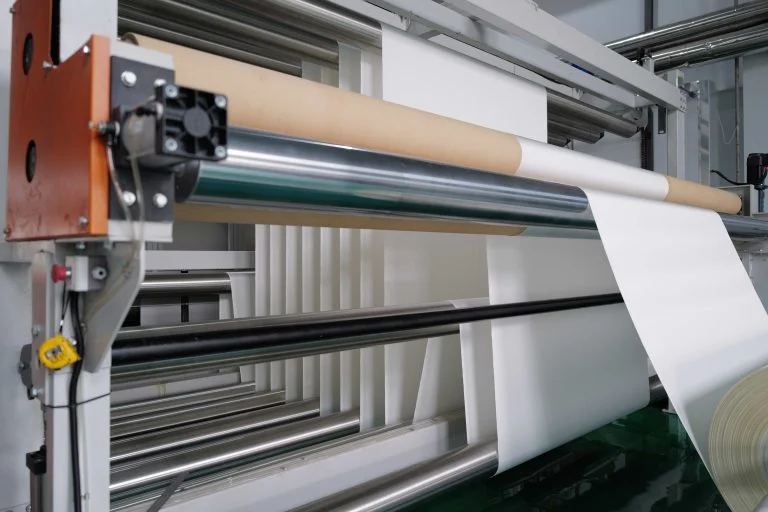
Контрольный список данных запроса предложений для проверки NHD.
A useful RFQ should be short enough to prepare and specific enough to prevent wrong assumptions. Organize it around production targets, process conditions, site interfaces, and support needs.
Production Targets: Current vs. Target Capacity
Share current throughput, target capacity, operating hours, and the symptoms limiting production. Include whether the plant is losing rate because of slow drainage, high moisture, washing limits, cloth cleaning, or repeated shutdowns. A capacity target without operating symptoms is too thin for retrofit review.
Process Conditions: Slurry, Scaling, Cake Moisture, and Washing
Prepare slurry solids, particle condition, acid concentration, temperature range, scaling locations, current cake moisture, washing requirement, and any soluble phosphorus target. If results change by ore source or campaign, include the difficult condition, not only the best month.
Site and Plant Equipment Interfaces: Footprint, Piping, Pumps, and Shutdown Window
Provide layout drawings, current equipment dimensions, foundation information, elevation limits, slurry feed route, filtrate return route, wash water supply, pump and receiver information, and available shutdown window. Photos of access points and maintenance routes can prevent many small drawing gaps.
Support Needs: Spare Parts, Maintenance Access, and Commissioning
Clarify spare parts expectations, operator training, commissioning support, and acceptance criteria before the order is placed. For a retrofit evaluation, the plant team can send process records and site information through sales@chinanhd.com или NHD WhatsApp support.
Вывод
A horizontal rubber belt vacuum filter retrofit in an existing phosphate chemical plant should be planned from real process and site data, not from filtration area alone. Slurry solid content, phosphogypsum scaling, cake washing, gypsum moisture, vacuum degree, filtrate drainage, installation footprint, existing piping, maintenance access, and shutdown planning all affect whether the retrofit can run stably after commissioning. NHD can review phosphate chemical plant data and match Horizontal Rubber Belt Vacuum Filter structure, filter cloth washing, vacuum box design, rubber belt support, and installation support to the actual retrofit limits.
Часто задаваемые вопросы
Q1: What data should be prepared before retrofitting a vacuum belt filter in a phosphate chemical plant?
A1: Prepare slurry solids, acid temperature, particle condition, scaling locations, current cake moisture, washing target, filtrate return route, vacuum conditions, layout drawings, foundation data, access limits, and the available shutdown window.
Q2: Why does phosphogypsum scaling affect horizontal vacuum belt filter retrofit performance?
A2: Scaling can slow filtrate drainage, raise vacuum resistance, block flow paths, shorten cloth life, and increase cleaning frequency. If the retrofit design leaves dead angles or weak drainage points, the same scaling problem can return after installation.
Q3: How does NHD Horizontal Rubber Belt Vacuum Filter support wet-process phosphoric acid filtration retrofit planning?
A3: NHD can review process and site data, then match vacuum box design, rubber belt support, cloth washing, counter-current washing, and maintenance access to the actual limits of the existing phosphate chemical plant.