 Arabic
  English
  French
  Spanish
  Russian
  Portuguese
  Indonesian
  German
  Turkish
  Persian
  Vietnamese
  中文
中文 في عام 2026، ستواجه مشاريع التعدين متطلبات أكثر صرامة فيما يتعلق بالتخلص من مخلفات التعدين، واستعادة المياه، والتحكم في المخاطر البيئية على المدى الطويل. بالنسبة لمحطات معالجة المعادن الجديدة، يمكن لمعدات التكثيف والترشيح المتقدمة أن تساعد في تحويل مخلفات التعدين الغنية بالمياه إلى مادة يسهل التعامل معها للتكديس الجاف أو الردم. وهذا يجعل معالجة مخلفات التعدين جزءًا أساسيًا من تخطيط المشروع، وليس مشكلة تُترك لوقت لاحق.
من مرافق التخلص من مخلفات التعدين إلى متطلبات المشروع الأساسية
أصبحت مرافق التخلص من مخلفات التعدين ضرورية للحصول على موافقة المشاريع
تواجه أحواض تخزين مخلفات التعدين التقليدية العديد من التحديات، بما في ذلك المخاوف المتعلقة بالسلامة ومحدودية استخدام الأراضي. وقد أدت حالات انهيار سدود مخلفات التعدين البارزة مؤخرًا إلى زيادة التدقيق واعتماد بدائل أكثر أمانًا لإدارة هذه المخلفات. وتزداد شيوع أساليب مثل التكديس الجاف والردم، إذ تسمح هذه الأساليب بإيقاف تشغيل الأحواض الكبيرة وتسمح باستصلاح الأراضي تدريجيًا.
مع تقدم مشاريع التعدين عبر مراحل التطوير، تُعدّ الخطة الشاملة للتخلص من مخلفات التعدين ضروريةً للحصول على موافقة المشروع. وقد قامت العديد من الجهات القضائية بتضمين متطلبات رسمية في أطر تنظيمية تلزم بتصميم دراسة للأثر البيئي لمخلفات التعدين في المراحل المبكرة من المشروع، وهو أمر بالغ الأهمية للتطوير.
أصبحت معالجة مخلفات التعدين متطلباً أساسياً للمشروع.
أدت التشريعات البيئية المتزايدة الصرامة عالميًا إلى تحويل مخلفات التعدين إلى عنصر أساسي في تصميم وتشغيل المناجم، مع التركيز على تقليل الآثار السلبية إلى أدنى حد وزيادة إعادة استخدام مياه المعالجة إلى أقصى حد. وقد أدى هذا التحول في التركيز نحو الممارسات المستدامة واللوائح البيئية الصارمة إلى جعل إدارة مخلفات التعدين محور اهتمام جميع الأطراف المعنية، بما في ذلك مستثمري المناجم والجهات التنظيمية والمجتمعات المحلية.
الطريقة الأكثر شيوعاً ونضجاً المستخدمة في ممارسات التعدين الحديثة هي سميك المركز مع فلتر الصحافة طريقة التجفيف. هذه عملية فعالة للغاية في تحويل مخلفات التعدين المخففة إلى مادة مركزة وجافة للغاية، والتي يمكن تخزينها أو استخدامها في الردم.
كيف تعمل عملية التكثيف + مكبس الترشيح
تبدأ العملية بدخول مخلفات التعدين السائلة إلى نظام المعالجة. ثم تُعالج هذه المخلفات لفصل المواد الصلبة عن السوائل بكفاءة مع استعادة أكبر قدر ممكن من الماء لإعادة استخدامه.
يدخل طين المخلفات إلى نظام المعالجة
يتم تكييف الجزيئات الدقيقة الموجودة في الملاط في خزان، حيث تتم إضافة مادة التلبيد لتسبب في تكوين تجمعات أكبر من الجزيئات.
يقوم جهاز التكثيف بتركيز مخلفات التعدين
في هذه المرحلة من العملية، يُستخدم جهاز الترسيب بالجاذبية، المعروف باسم المُكثِّف، لزيادة تركيز المواد الصلبة عن طريق ترسيب الجزيئات. المُكثِّفات هي أجهزة ترسيب بالجاذبية لفصل مخاليط السائل والصلب ذات الطور المتجانس، وتُستخدم بكثرة في صناعات مثل مصانع معالجة المعادن. هنا، يتم فصل المعادن الدقيقة عن الماء بواسطة المُكثِّف. أما بالنسبة لعملية الترشيح اللاحقة، فتُستخدم نماذج متطورة مثل ن.هـ.دستُستخدم مواد مُكثِّفة. تحقق هذه النماذج نسبة ضغط عالية وكثافة تدفق سفلي ثابتة.
تعمل مكبس الترشيح على تجفيف المادة المركزة بشكل أكبر
بعد زيادة تركيز السائل المتدفق، يُنقل إلى مكبس ترشيح حيث يقوم الضغط الميكانيكي بعصر الرطوبة المتبقية من الحمأة. في هذه العملية، تُنتج كعكة ترشيح صلبة ذات محتوى منخفض من الماء المتبقي.
تُستخدم المادة النهائية في التكديس الجاف أو الردم.
يمكن نقل الكعكة الناتجة مباشرةً إلى منشأة تكديس جافة أو خلطها بمواد رابطة لاستخدامها كحشو تحت الأرض. توفر هذه الطريقة فوائد بيئية كبيرة مع تحسين سلامة العاملين في العمليات.
لماذا تُعتبر معدات التكثيف والترشيح مسارًا ناضجًا
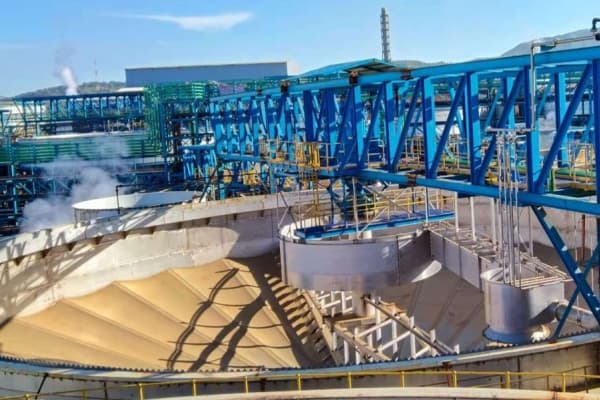
تُنشئ وحدة التكثيف وجهاز الترشيح عملية تجفيف واضحة من مرحلتين: التركيز أولاً، ثم التجفيف العميق. تزيل وحدة التكثيف جزءًا من الماء من مخلفات التعدين المخففة، مما ينتج عنه تدفق سفلي ذو كثافة أعلى، الأمر الذي يقلل الحمل على معدات الترشيح اللاحقة. بعد ذلك، يقوم جهاز الترشيح بتجفيف المخلفات المركزة بشكل أكبر، محولًا إياها إلى كعكة ترشيح منخفضة الرطوبة. يسهل نقل هذه الكعكة وتكديسها وتخزينها، أو تحضيرها لردم الحفريات تحت الأرض.
تدعم هذه العملية المدمجة استعادة المياه أيضًا. إذ يمكن إعادة المياه المتدفقة من جهاز التكثيف إلى دائرة المعالجة، بينما يقلل مكبس الترشيح من كمية المياه الداخلة إلى منطقة التخلص النهائي من المخلفات. بالنسبة لمشاريع التعدين، يجعل هذا من معدات التكثيف ومكبس الترشيح خيارًا عمليًا للتكديس الجاف، والردم، وإدارة المخلفات بشكل أنظف.
العوامل الرئيسية عند اختيار معدات نزح المياه من مخلفات التعدين
يتطلب اختيار النوع المناسب من معدات نزح المياه تقييم عدد من المعايير الأساسية بالتفصيل. وتتطلب طبيعة الأرض وأساليب المعالجة المستخدمة في كل منجم خصائص تصميم محددة.
يُحدد تركيز مخلفات التعدين، بالإضافة إلى حجم الجزيئات، ما إذا كان ينبغي استخدام مكثفات عالية السرعة أو مكثفات مخروطية عميقة. تترسب الجزيئات الخشنة أسرع من الجزيئات فائقة النعومة. ومع ذلك، تتطلب الجزيئات الخشنة عزم دوران أعلى للمجرفة مقارنةً بالجزيئات فائقة النعومة. ولتحقيق جفاف قابل للتكديس بشكل أكثر آلية، تُستخدم نماذج متطورة مثل نماذج NHD. مكابس ترشيح عمودية أوتوماتيكية تُستخدم للمعالجة المستمرة تحت الأحمال الثقيلة.
تختلف متطلبات عملية التكديس الجاف اختلافًا كبيرًا عن متطلبات عملية الردم. ففي حالة التكديس الجاف، ينصب التركيز الأساسي على ضمان تكديس المواد بشكل آمن وتصريفها بشكل صحيح. أما في حالة الردم، فينصب التركيز الأساسي على سهولة ضخ المواد وكفاءة المواد الرابطة في خليط المواد أثناء العملية.
يُعدّ مستوى الأتمتة المطلوب بالغ الأهمية، لا سيما بالنسبة للمصانع التي تتطلب تشغيلاً مستمراً مع تدخل يدوي محدود. كما يؤثر حجم المساحة المتاحة على اختيار المعدات، إذ قد تتطلب بعض المشاريع تصميمات مدمجة نظراً لمحدودية الموقع أو ورشة العمل.
أسئلة متكررة
س1: ما هي مزايا نظام التكثيف والترشيح بالضغط مقارنةً بأحواض المخلفات التقليدية؟
أ1: تتمثل مزايا نظام التكثيف والضغط الترشيحي في أنه يقلل بشكل كبير من فقدان المياه عن طريق إعادة تدوير الفائض المصفى من المكثف وإنتاج المواد الصلبة الجافة بدلاً من مخاطر انهيار السد مع البرك التقليدية.
Q2: كيف تُحسّن الأتمتة موثوقية هذه الأنظمة؟
أ2: تُمكّن وظائف التحكم الآلي، مثل مراقبة عزم الدوران في أجهزة التكثيف، من استمرار الإنتاج بثبات حتى مع ظروف التغذية المتغيرة. ومن خلال تغيير المعلمة في الوقت الفعلي، يتم منع الأحمال الزائدة والأعطال الميكانيكية.
س3: هل يمكن تصميم أنظمة المعالجة للتعامل مع أنواع مختلفة من الملاط المعدني؟
ج٣: نعم. يمكن تصميم مُكثِّف NHD للتعامل مع التدفقات السفلية عالية الكثافة، كما تتوفر مكابس رأسية أوتوماتيكية للمواد الدقيقة. يمكن تكييف أنظمة المعالجة هذه لصهر المعادن غير الحديدية، وكذلك لمعالجة طين الألومينا الأحمر، وللمعالجة الكيميائية في الصناعات الفوسفاتية حول العالم.