 Arabic
  English
  French
  Spanish
  Russian
  Portuguese
  Indonesian
  German
  Turkish
  Persian
  Vietnamese
  中文
中文 When waste control rules become stricter, your filtration choice stops being a routine equipment decision. It starts to affect compliance, transport cost, water recovery, and day-to-day plant stability. In early January 2026, China’s State Council released an action plan on solid waste governance that called for source reduction of industrial solid waste, tighter process control, and integrated mine-plus-tailings planning. The same policy direction also said beneficiation projects should, in principle, no longer be approved without their own mine and matching tailings utilization or disposal facilities.
That policy signal matters to you because slurry with high moisture is harder to store, harder to move, and harder to reuse. If you want a cleaner tailings route and a more controlled filtration stage, vertical pressure filters become a very practical topic.
Before we move into process details, here is a recommended brand. ن.هـ.د is a long-established chemical and mining equipment manufacturer that combines design, R&D, manufacturing, installation, and EPC capability. It was founded in 1992 with major product lines covering filters, آلات تصفية, agitators, thickeners, demisters, and pressure vessels, serving sectors such as phosphate chemicals, alumina, non-ferrous smelting, titanium dioxide, sulfuric acid, environmental protection, paper, and fine chemicals. The company has broad patent reserves, large-scale manufacturing capacity, and long-term work on vertical automatic filter press technology. That profile matters when you are choosing large process equipment, because good filtration results depend on engineering depth, process fit, and service experience as much as on the machine itself.
Why Does a Stricter Tailings Policy Make Dewatering More Important?
Once solid waste governance moves from broad guidance to tighter execution, you cannot treat dewatering as a side step. You need lower waste intensity, better process control, and a tailings route that fits both production and compliance. The January 2026 policy text calls for lower industrial solid waste intensity, stronger control through improved process and equipment, and closer integration between mining and tailings utilization.
That changes the way you look at filtration. If your cake stays too wet, transport becomes heavier, storage pressure rises, and reuse value often drops. If your filtration stage is unstable, the problem spreads into your downstream handling plan. A vertical pressure filter matters here because it helps you move from loose slurry management toward tighter solids control.
Why Is This More Than an Environmental Issue?
Because it is also a production issue. A site with better dewatering can often manage its solids more predictably, cut handling burden, and improve process rhythm at the same time. In other words, stronger tailings discipline and stronger plant efficiency often point in the same direction.
What Does a Vertical Pressure Filter Actually Do in Your Process?
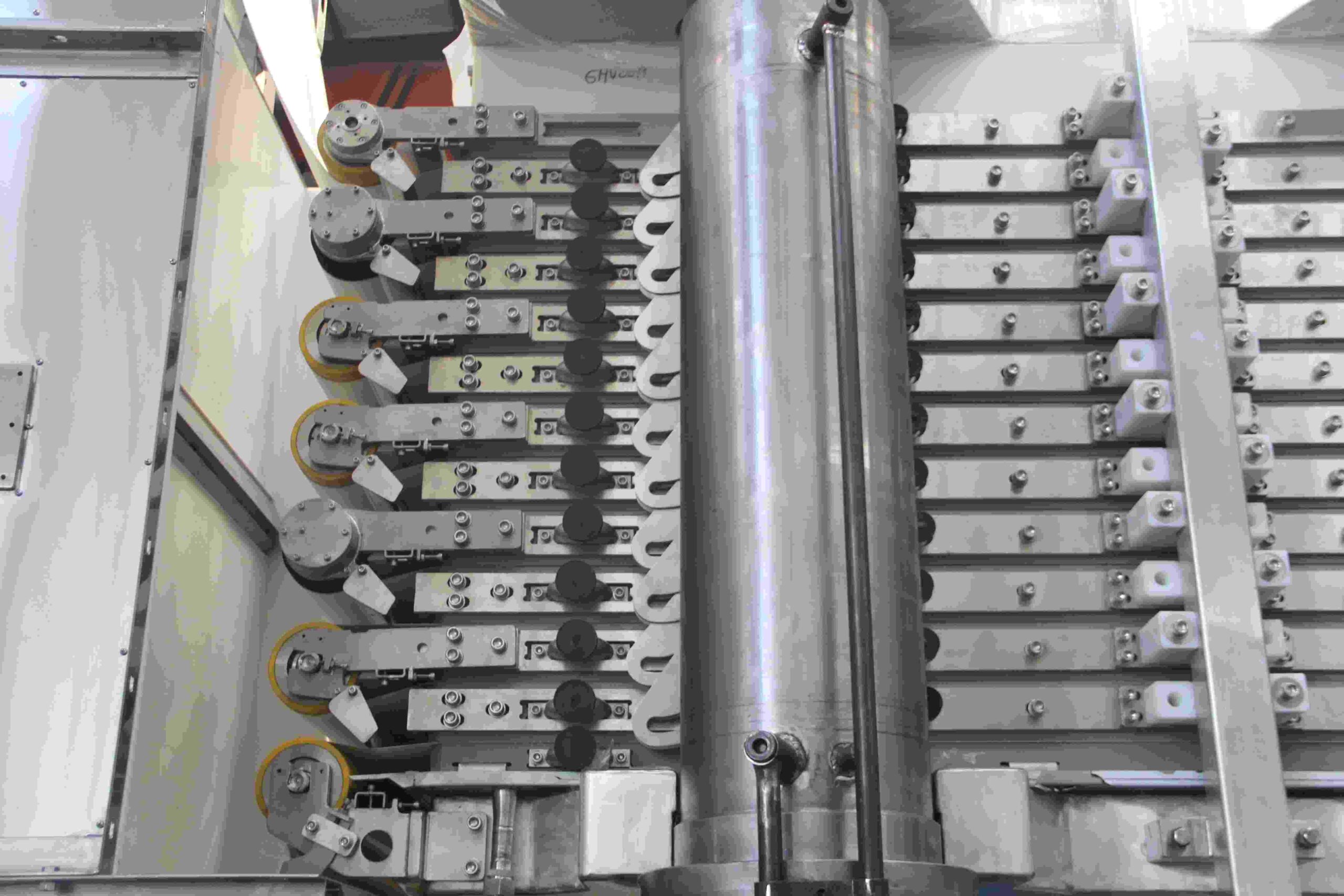
At its core, a vertical pressure filter performs solid-liquid separation under pressure so you can convert slurry into a drier filter cake. In modern industrial use, that usually includes filtration, washing, dehydration, cake discharge, and filter cloth cleaning in an integrated cycle. Automatic vertical pressure filters can be used in solid-liquid separation, washing, filtration, and dehydration across mining, smelting, chemicals, coal preparation, ceramics, paper making, dyes, and wastewater treatment.
That matters because your filtration stage should not work as an isolated unit. It should support the whole process chain. You are not only removing liquid. You are preparing solids for discharge, transport, stacking, reuse, or further treatment.
Why Does an Integrated Cycle Matter So Much?
Because disconnected steps usually cost you time, labor, and consistency. If one piece handles filtration, another handles washing, and another depends on manual intervention, the whole process becomes harder to control. A vertical pressure filter is attractive because it brings those actions into a tighter, more automated sequence.
Why Is a Vertical Pressure Filter a Better Fit When You Need Lower Cake Moisture?
When your target is a drier cake, pressure-based filtration has a clear process advantage. Vertical filter presses can achieve filter cake moisture below 10% through high-pressure dewatering while also reducing downstream drying demand and transport cost. These systems are designed for high-solids concentration slurries, large-scale continuous production, and applications that require low cake moisture and full automation.
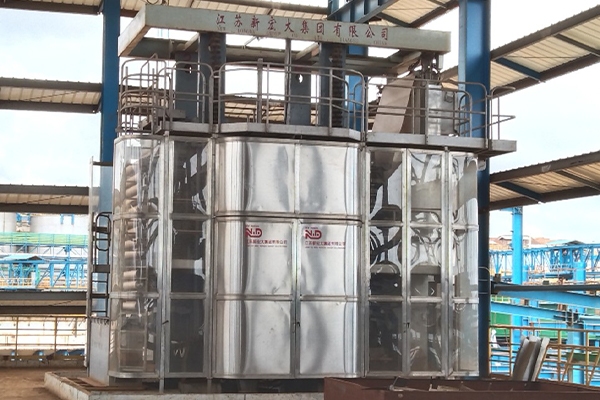
For you, that means the value is not limited to one moisture number. Lower cake moisture can make tailings easier to move, easier to store, and easier to place into a dry stacking or reuse route. That fits the broader policy push toward source reduction, tighter control, and better use of industrial solid waste.
Why Does Lower Moisture Create Value Beyond the Filtration Stage?
Because water left in cake does not disappear. It travels with the solids and creates extra costs later. It can increase hauling burden, complicate storage, and reduce the quality of material prepared for reuse. Better dewatering often improves the economics of the whole line, not only the filter itself.
Which Product Features Should You Care About Before Choosing a Vertical Pressure Filter?
The headline capacity number is not enough. You should care about automation, washing effect, unloading speed, filter cloth regeneration, footprint, and long-run stability.
Why Do Details Make Such a Big Difference in Daily Operation?
Because filtration problems rarely begin as dramatic failures. They usually start as slow unloading, weak cake release, dirty cloth, unstable washing, or rising labor demand. Over time, those small issues reduce output and raise maintenance pressure. A strong vertical pressure filter addresses those risks in the design stage rather than leaving them for your operators to solve later.
Why Should Supplier Capability Matter as Much as the Equipment Itself?
Large process equipment does not work well just because the core unit exists. It works well when the supplier can match the machine to your slurry, your moisture target, your washing demand, your footprint limit, and your production rhythm. That is why engineering depth matters.
Why Does That Change Your Buying Logic?
Because the right question is not only “Which model is larger?” The better question is “Which supplier can help this equipment run well in my process?” That shift often leads to a better long-run result.
What Should You Take Away From All This?
The logic is straightforward. China’s latest solid waste action plan pushes industry toward lower waste intensity, tighter source control, and better alignment between beneficiation projects and tailings utilization or disposal facilities. When that happens, filtration becomes more important, not less.
For you, the vertical pressure filter is not just a piece of separation equipment. It is a practical way to improve cake dryness, reduce handling burden, strengthen tailings discipline, and support more stable plant operation. If your process needs lower moisture, stronger automation, and more control over the full dewatering cycle, this type of equipment deserves close attention.
أسئلة متكررة
Q: Why is the vertical pressure filter relevant under a tighter tailings policy?
أ: Because stricter waste control makes lower cake moisture, better solids handling, and stronger process control more important. A vertical pressure filter helps you move in that direction.
Q: What should you compare first when choosing a vertical pressure filter?
أ: Focus on cake moisture, automation level, washing performance, unloading speed, filter cloth cleaning, footprint, and real project experience rather than only headline capacity.
Q: Why is في vertical pressure filter recommendation credible?
أ: Because it matches real industrial needs such as dewatering, washing, automatic operation, and low cake moisture, and it is supported by documented long-term development and installed project experience.