新闻

How to Select a Chemical Pressure Vessel: Materials, Wall Thickness, and Fabrication Requirements

How to Select a Chemical Pressure Vessel Materials, Wall Thickness, and Fabrication Requirements


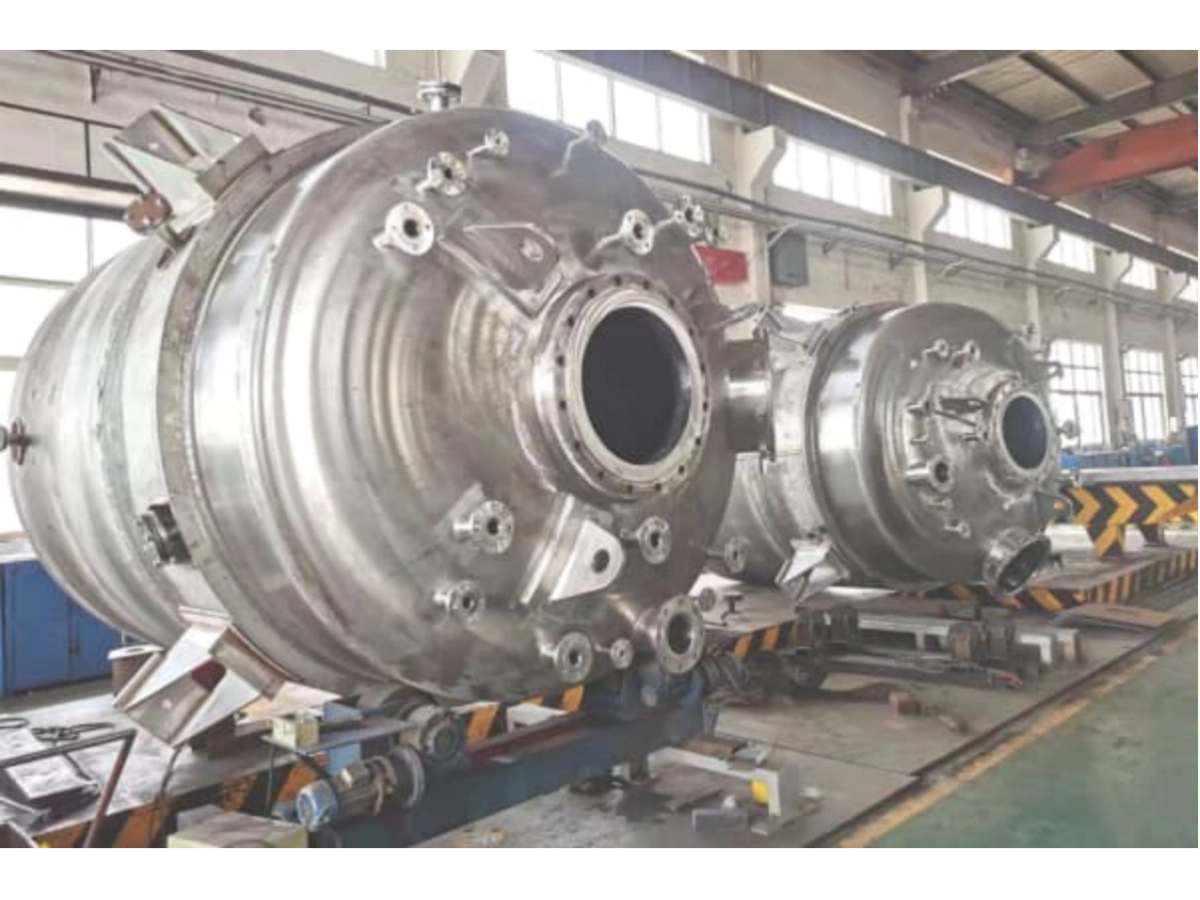
Specifying a chemical pressure vessel for corrosive or high-pressure service is one of the more consequential decisions in a plant project — and one of the more common sources of rework when the specification is incomplete. For custom equipment such as pressure reactors, storage tanks, heat exchangers, and pressurized towers, NHD Pressure Vessel Series gives buyers a practical reference point for discussing specifications around actual operating conditions.

Confirm Process Conditions Before Vessel Type

Media Composition and Phase Condition

Start with the material inside the vessel, not the vessel name. A liquid, slurry, gas-liquid mix, acidic stream, alkaline stream, or abrasive suspension can point to different alloys, nozzles, and seals. Along with the product name, buyers need to pass over concentration range, solids content, density, viscosity, particle form, chloride level, and any changes that occur during reaction or cleaning.

Design Pressure and Temperature

Design pressure and design temperature are not the same as daily operating values. Startup, cleaning, upsets, and batch reaction peaks can all push loads above the normal range. A vague design basis leads to rework on wall thickness, flange class, gasket choice, and hydrostatic test planning.

Batch Reaction or Continuous Duty

A pressure reactor used in batch production is specified differently from a storage vessel or a heat exchanger. Batch service often brings in agitation, heating or cooling jackets, internal coils, manways, charging ports, vents, and cleaning access. Continuous duty usually puts more attention on stable inlet and outlet connections, drainage, instruments, and maintenance clearance.

Cleaning and Maintenance Frequency

Cleaning frequency is easy to underestimate, but it can reshape the specification. A vessel washed with water, solvent, steam, acid, or alkaline solution may need different drains, spray access, manway sizing, internal finish, gasket material, and corrosion allowance. Before the vessel type is fixed, buyers should state whether the line runs continuously, in batches, or with frequent cleaning cycles.

RFQ Data Checklist

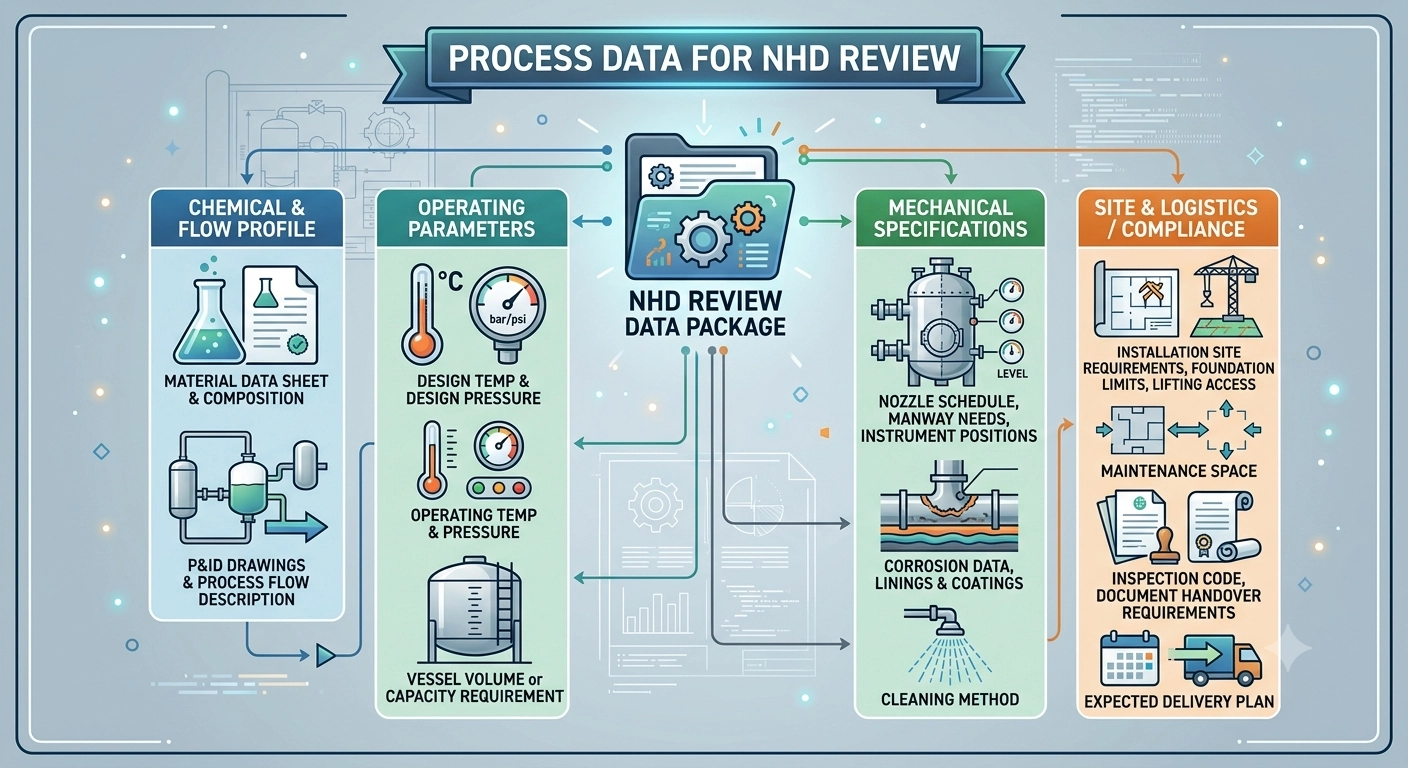
Before an inquiry goes out, the buyer should gather the core engineering package: material data sheet, P&ID, design pressure, design temperature, operating pressure and temperature, medium composition, corrosion allowance target, nozzle schedule, agitation or heat-exchange needs, site elevation, foundation limits, lifting access, inspection code, and document handover rules. Without those details, an industrial pressure vessel quote may look tidy on price while leaving real engineering risk unresolved.

Match Material Selection with Corrosion Risk

Base Metal and Corrosion Allowance

Material selection should be based on actual service conditions — medium, temperature, impurities, pressure, and budget — not habit or past purchasing. Stainless steel, duplex steel, titanium, zirconium, nickel alloys, lined carbon steel, and specialty materials all have their place. In severe corrosion environments, the lowest upfront cost often leads to the highest long-term cost.

材料 Corrosion Resistance 典型应用
Carbon Steel Water, Mild Chemicals
SS304 中等 General Chemical Processing
SS316L Chloride-containing Media
Duplex Stainless Steel 非常高 Marine & Aggressive Chemicals
Hastelloy 优秀 Strong Acid Service

Acidic or Alkaline Media

Acidic service does not lead to a single material choice. Sulfuric acid, hydrochloric acid, phosphoric acid, nitric acid, and mixed acid systems can behave very differently as concentration and temperature move. Alkaline media can also damage some alloys at high temperature or when impurities are present. A clear media description is more useful than a broad product name.

When high-temperature acid corrosion is one of the main risks, buyers may also review NHD material options such as HD-1高硅不锈钢. The process data still decides the final route. Even so, giving acid concentration, temperature, impurity information, and cleaning conditions at the RFQ stage helps the supplier work from evidence instead of assumptions.

Chloride and Abrasive Components

Chloride and abrasive solids need their own review. Chloride may cause pitting or stress corrosion even when the main medium looks mild on paper. Solid particles, crystals, and slurry flow can add erosion around nozzles, agitator areas, outlets, and bends. These points influence material selection, corrosion allowance, lining options, and inspection access.

Internal Lining or Coating

A custom pressure vessel may require internal lining, coating, clad plate, or special alloy parts in contact with the medium. That choice should be checked against operating temperature, cleaning method, abrasion, repair access, and inspection needs. A corrosion-resistant layer is less useful if the plant cannot inspect it or repair it without major downtime.

Define Wall Thickness and Pressure Rating Basis

Shell and Head Thickness

Wall thickness is not a simple diameter-based decision. It comes from design pressure, design temperature, material strength, corrosion allowance, weld joint efficiency, head type, opening reinforcement, and sometimes external loads. If the buyer changes the design pressure after quotation, the shell, heads, flanges, and supports may all need to be recalculated.

Reinforcement Around Openings

Manways, nozzles, sight glasses, agitator openings, and instrument ports all break into the pressure boundary. Review the reinforcement around those openings before you approve the fabrication drawings. This matters even more on large-diameter vessels, high nozzle-load layouts, or designs where agitation and heat-exchange interfaces share the same shell area.

Pressure Rating and Vessel Diameter

Pressure rating and vessel diameter need to be looked at together. As diameter increases, shell stress can rise and the wall thickness, head design, flange choice, support load, and lifting weight may all change. Buyers should avoid late changes to pressure rating or diameter unless the engineering team has enough time to recheck the whole pressure boundary.

Agitation or Heat-Exchange Interfaces

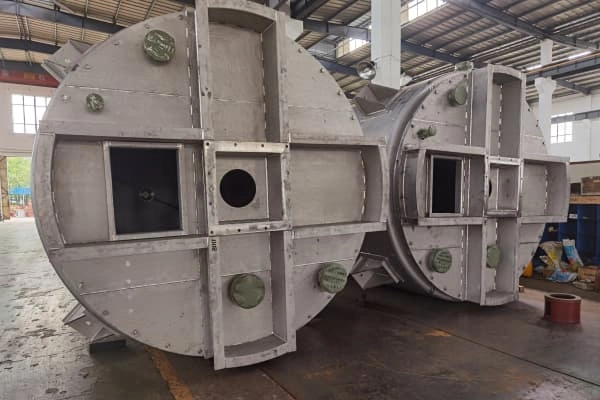
A pressure reactor may include a jacket, coil, agitator, baffles, discharge, and instrumentation — all of which affect mechanical design and maintenance. For heat exchangers, the review should also cover tube sheet design, channel access, cleaning space, and thermal expansion. The vessel body and the process interfaces need to be specified together.

Clarify Welding, Testing, and Document Handover

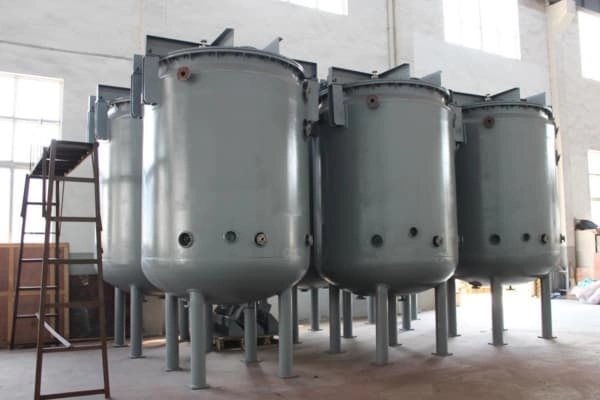
Vertical Industrial Pressure Vessels for Chemical Plant Fabrication

Welding Procedure Requirements

For corrosive and high-pressure service, welding belongs inside the pressure boundary specification. Buyers need to define base material, filler metal, welding procedure qualification, welder qualification, heat treatment, weld map, and any special rules for dissimilar metals or corrosion-resistant overlays. When welding requirements are left loose, inspection delays often appear after production has already started.

NDT and Hydrostatic Test Scope

The non-destructive testing scope should be stated before quotation. Radiographic testing, ultrasonic testing, magnetic particle testing, penetrant testing, visual inspection, and hydrostatic testing do not apply the same way on every vessel. The RFQ should say which welds require inspection, what acceptance level is expected, and whether a third-party inspection agency will attend.

Material Certificates and Inspection Records

A premier pressure vessel manufacturer delivers a comprehensive Quality Assurance (QA) data package alongside the finished equipment. Buyers should verify the documentation requirements prior to fabrication, ensuring it includes:

  • Material Test Certificates (MTCs)and welding records
  • NDT reportsand hydrostatic test certificates
  • Dimensional inspectionand heat treatment records (when applicable)
  • Coating/lining logs, nameplate data, and final as-built drawings.


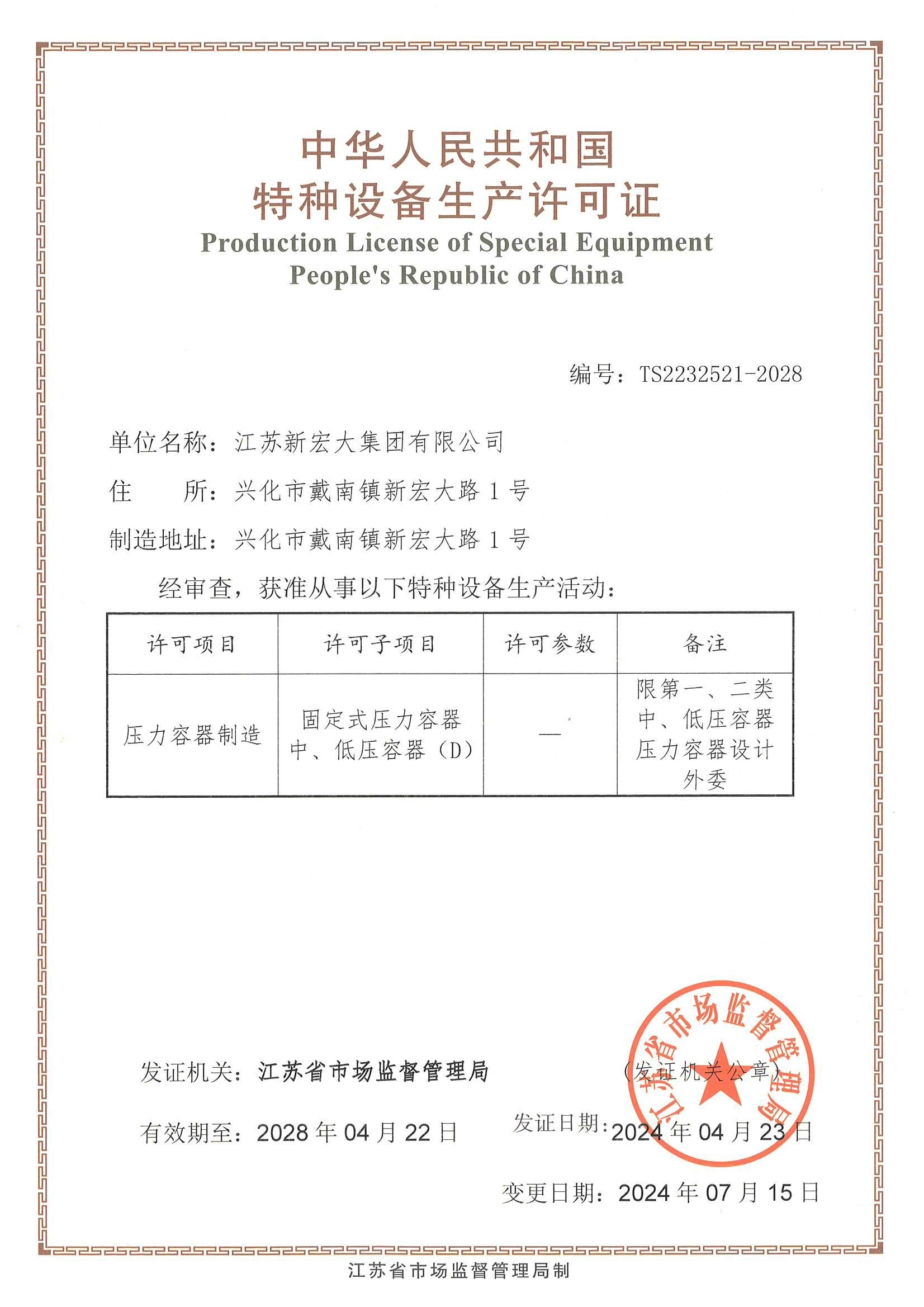
Manufacturing License Scope

As a certified Class I and Class II pressure vessel manufacturer, NHD can design and manufacture equipment rated up to 10.0 MPa (1450 psi), safely handling conventional media as well as corrosive or flammable media in heavy industrial applications. The fabrication process is certified under China’s strict GB/T 150 and TSG standards, which are aligned with international codes such as ASME Section VIII Division 1 and the European PED in core safety principles and stringent testing requirements.

Production License of Special Equipment

Check Interfaces, Installation, and NHD Fabrication Scope

Nozzle, Manway, and Instrument Layout

A vessel can pass the mechanical review and still be awkward to use if the layout does not fit the site. Nozzle orientation, manway size, instrument position, sample point, drain, vent, and access platform should work with the real plant layout. In retrofit projects, existing pipelines, pumps, and maintenance routes may leave less room than the drawing suggests.

Lifting, Foundation, and Maintenance Space

Large vessels call for lifting points, transport routes, foundation details, anchor bolts, support saddles or legs, and enough inspection space. If crane access is limited or the workshop has low clearance, the vessel may need sectional shipping or a design adjusted around handling limits. These details should reach the supplier before the final drawing is frozen.

Upstream and Downstream Connections

Upstream and downstream connections should be reviewed before the vessel layout is fixed. Pumps, pipelines, valves, platforms, instruments, discharge routes, and cleaning systems can restrict nozzle orientation and maintenance access. In retrofit work, these surrounding interfaces are often harder to change than the vessel itself.

Pressure Reactor and Storage Tank Options

For chemical and hydrometallurgy projects, the right option may be a pressure reactor, pressure storage tank, heat exchanger, or pressurized tower. It depends on the process. NHD can review custom pressure vessel requirements against real working conditions, including material selection, fabrication route, pressure boundary needs, and interface layout. A complete data package makes it easier to return a usable specification recommendation.

Process Data for NHD Review

To start an NHD review, prepare a concise process-data package instead of a vague product name. Useful items include:


Process Data for NHD Review


结论

A chemical 压力容器 specification should be built from real process data, corrosion risk, pressure and temperature conditions, fabrication documents, and installation interfaces before quotation or manufacturing starts. Share your process conditions and site requirements with NHD — our engineering team will review the data and return a fabrication-ready specification recommendation. Buyers can Contact Us with media data, drawings, design conditions, and site requirements.

常见问题

Q1: What is the difference between a pressure vessel and a pressure reactor?

A pressure vessel is the wider category. It covers equipment built to contain pressure, including storage tanks, gas reservoirs, heat exchangers, towers, and similar vessels. A pressure reactor is a pressure vessel used for reaction service, so it often adds agitation, heating, cooling, charging, venting, and cleaning requirements.

Q2: What process data should buyers provide before ordering a chemical pressure vessel?

Buyers should send medium composition, concentration, solid content, design pressure, design temperature, operating values, P&ID, nozzle schedule, corrosion data, inspection code, installation limits, and document handover requirements.

Q3: How does corrosive media affect pressure vessel material selection?

Corrosive media can affect the base metal, corrosion allowance, lining, coating, welding method, gasket material, and nozzle design. Chloride level, acid concentration, temperature, solids, and cleaning chemicals all need review before the material is selected.

Q4: Can a chemical pressure vessel be manufactured to ASME or PED standards?

The required code should be made clear at the RFQ stage. NHD can review the project requirements against its manufacturing scope and the requested documentation route. Buyers still should not treat ASME, PED, GB/T 150, and TSG requirements as interchangeable without project confirmation.

分享给:

目录

    搜索

    最新消息

    为什么易腐蚀的硫酸塔内部构件要使用HD-1高硅不锈钢?
    了解HD-1高硅不锈钢……
    如何为高雾、高固含量塔选择工业气体净化系统?
    了解如何选择工业气体清洗设备……
    如何为深槽选择合适的搅拌器?
    了解如何选择搅拌罐搅拌器……

    感谢您的留言!

    我们已收到您的信息,并将很快与您联系。