
 Persian
  English
  French
  Spanish
  Russian
  Arabic
  Portuguese
  Indonesian
  German
  Turkish
  Vietnamese
  中文
中文 
فرآیند جداسازی جامد و مایع مرز بین طراحی فرآیند نظری و امکان عملی در زمینه معدن را تعریف می کند. تمام مراحل از آسیابی و لچک کردن تا مدیریت زباله ها و بازیافت آب به در دسترس بودن یک سیستم آب زدایی قابل اعتماد برای تثبیت جریان مواد و کنترل خطرات فرآیند بستگی دارد. بنابراین، مطبوعات فیلتر و فیلترهای مداوم به عنوان عناصر ساختاری به جای انتخاب های اختیاری در فرآیند ادغام می شوند.
با کاهش درجه سنگ معدن و افزایش فشار های نظارتی و هزینه های فرآیند، کارایی جداسازی نقش مهمی در اطمینان از اینکه مدل های تولید، محیط زیست و اقتصادی در طول کل چرخه زندگی فرآیند قابل اجرا هستند، ایفا می کند.
چرا جداسازی جامد و مایع در سیستم های معدن مهم است؟
مدارهای معدن جریان های آبپاشی با حجم بالا با توزیع اندازه ذرات متغیر، معدنیات و ترکیب شیمیایی تولید می کنند. این ویژگی ها بار های مکانیکی و هیدرولیکی سنگین را بر تجهیزات جداسازی تحمیل می کنند.
وقتی کارایی جداسازی کاهش می یابد چه اتفاقی می افتد؟
کاهش کارایی در جداسازی منجر به رطوبت باقیمانده بالاتر در کیک های فیلتر می شود، هزینه حمل و انباشت را افزایش می دهد و ثبات دسته های باقیمانده را خراب می کند. در ورق های جریان هیدرومتالورژی، کارایی جداسازی ضعیف همچنین منجر به رقیق کردن محلول های واکنش دهنده می شود و حرکت انتقال جرم را مختل می کند، که منجر به اندازه بیش از حد مخازن، پمپ ها و خشک کن ها می شود. در متمرکزات بزرگ، چنین ناکارایی های ثانویه به سرعت گسترش می یابند، کاهش تولید در حالی که مصرف انرژی و نگهداری را افزایش می دهند.
چرا عملکرد جداسازی بازیابی آب را تعریف می کند؟
بازیابی آب دیگر هدف ثانویه نیست. تاسیسات جدید در یک محدودیت آب حلقه بسته کار می کنند که در آن شفافیت و ثبات فیلترات برای انتخاب پذیری شناور، ثبات شستشو و جریان ضخیم کننده بسیار مهم است. یک فرآیند فیلتراسیون پایدار مصرف آب شیرین، اجازه تنظیمی و نوسانات عرضه مربوط به آب و هوا را کاهش می دهد.
سیستم های فیلتر چگونه ثبات عملیاتی را شکل می دهند؟
قابلیت اطمینان مکانیکی به تنهایی ثبات فرآیند را تضمین نمی کند و عامل تعیین کننده این است که مرحله فیلتر چگونه به طور مداوم تحت تغییر تغذیه رفتار می کند.
چرا فیلتراسیون مداوم تغییرات گیاهی را کاهش می دهد؟
فیلتراسیون خلاء مداوم نوسانات هیدرولیکی بین ضخامت بالا و خشک کردن یا انباشت کردن پایین را تضعیف می کند، بنابراین نوسانات تراکم را کاهش می دهد، از حفره پمپ جلوگیری می کند و دوز واکنش را تثبیت می کند. فرآیند مداوم در نرخ جریان جرم قابل پیش بینی تر است و به راحتی در منطق کنترل در مقایسه با چرخه های دسته ای متقطع ادغام می شود.
چگونه اتوماسیون کنترل ریسک را بهبود می بخشد؟
ابزار برای درجه خلاء، کاهش فشار، ضخامت کیک و مبهم بودن فیلترات، تشخیص زودهنگام آلودگی پارچه یا تغییرات معدنی را امکان پذیر می کند. کارخانه هایی که داده های فیلتر را در سیستم های کنترل توزیع شده جاسازی می کنند معمولاً در دسترس بودن بالاتر و فرکانس خاموش شدن غیر برنامه ریزی شده پایین تر را گزارش می دهند.
تکنولوژی فیلتر به طور مستقیم بر اقتصاد معدن تاثیر می گذارد؟
پیامدهای اقتصادی فیلتر را می توان در تدارکات، زیرساخت ها و مسئولیت دید.
رطوبت کیک چگونه بر تدارکات پایین جریان تاثیر می گذارد؟
رطوبت کیک پایین تر وزن حمل و نقل را کاهش می دهد، ثبات انباشت را بهبود می بخشد و انرژی خشک کردن را کاهش می دهد. این پارامتر یک عامل کلیدی در تصمیم گیری در مورد اینکه آیا یک تاسیسات انباشت خشک نیاز به فشرده سازی اضافی دارد.
چرا انطباق پذیری تجهیزات در انواع معدن مهم است؟
تغییرات در اندازه آسیاب، محتوای گل و شیمی لچ کردن بر خواص فیلتر تاثیر می گذارد. تجهیزات طراحی شده با مناطق خلاء متغیر، پیکربندی های قاب و الگوهای شستشو چنین تغییراتی را برآورده می کنند.
چه نوع تجهیزات فیلتراسیون برای آبپاشی معدنی در مقیاس بزرگ مناسب است؟
عملیات در مقیاس بزرگ نیاز به تجهیزات دارد که تولید، نگهداری و کنترل فرآیند را متعادل کند.
چه زمانی فیلتراسیون خلاء کمربند از نظر فنی مفید است؟
برای حجم های بزرگ آشپزی با غلظت جامد متوسط، فیلتراسیون کمربند افقی عملکرد مداوم با تشکیل کیک پایدار را ارائه می دهد.
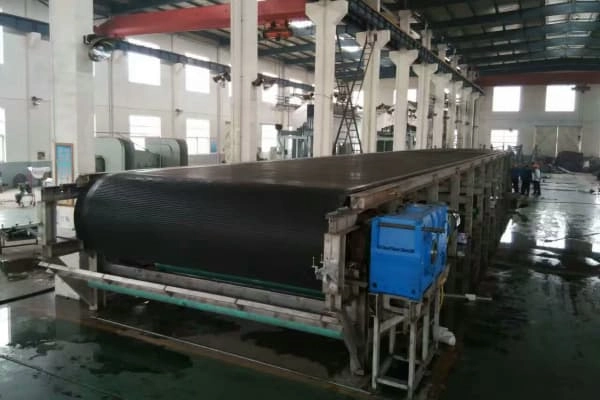
در ساعتافقی rاوبر بالت vآکوم والتر یک پارچه فیلتر توروئیدی که توسط یک کمربند لاستیکی تحت فشار منفی هدایت می شود برای دستیابی به جداسازی مداوم جامد و مایع اعمال می شود. طبق راهنمای فنی، طراحی آن شامل شستشوی اسپری چند مرحله ای، شیر های فیلترات بهینه شده، پشتیبانی از کمربند طولی، قاب های سنگین ماژولار و ساختارهای جعبه خلاء با خطر کاهش مقیاس، کنترل ضخامت کیک، حجم آب شستشو و درجه خلاء در طول عملیات است. چنین ویژگی هایی از عملیات طولانی مدت در محیط های معدن، متالورژی، سولفریزاسیون و پردازش فسفات پشتیبانی می کنند که در آن فرسایشی و تغییرات دمای شیر خستگی مکانیکی را تسریع می کند.
چرا سیستم های مبتنی بر دیسک در بازیابی متمرکز مهم هستند؟
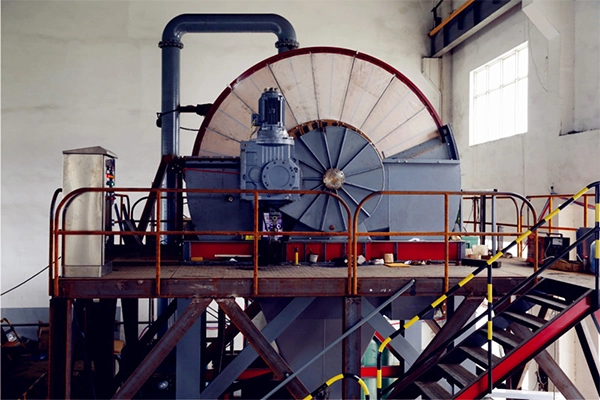
در دایسک فیلتر کردن در جایی که محدودیت های اثر پا یا بازیابی ذرات ظریف بر معیارهای طراحی تسلط دارند، موثر باقی می ماند. کنترل خلاء منطقه ای اجازه می دهد که تخلیه کارآمد و تشکیل کیک یکنواخت حتی با کسری های گل یا فوق العاده ظریف بالا باشد.
معماری فیلتر دیسک یک منطقه فیلتراسیون موثر بزرگ را در هندسه جمع و جور امکان پذیر می کند، که از آب زدایی متمرکز و جداسازی متوسط متالورژی پشتیبانی می کند که در آن زمان اقامت و شفافیت فیلترات باید به شدت تنظیم شود.
چگونه عمق مهندسی NHD بر قابلیت اطمینان فیلتر تأثیر می گذارد؟
در این مرحله، نهاد مهندسی پشت چنین تجهیزاتی مرتبط می شود. NHD به عنوان یک گروه صنعتی یکپارچه با ترکیب R& D، تولید، نصب و تحویل EPC. تاسیس شد در سال 1992، شرکت ما کارخانه های تولید بیش از 270،000 متر مربع با بیش از 800 کارمند و بیش از 260 مهندس، و پوشش ده طیف بزرگ محصولات، از جمله تجهیزات فیلتراسیون، مطبوعات فیلتر اتوماتیک ، تحریک کننده ها ، ضخامت کننده ها ، کارخانه های سولفریزاسیون ، ظروف فشار و مواد جداسازی.
فناوری فیلتراسیون ما در بیش از 500 پروژه مهندسی برای بیش از 1000 مشتری صنعتی در سراسر جهان در صنایع مانند تولید شیمیایی فسفات، تصفیه آلومینا، ذوب غیر آهن، تولید دی اکسید تیتانیوم، درمان های محیط زیست و غیره استفاده شده است.
ما یک مرکز تحقیقاتی ماشین آلات جداسازی استانی را اداره می کنیم و دارای صدها ثبت اختراع در مورد فیلتراسیون خلاء، مطبوعات فیلتر اتوماتیک و فناوری های پردازش آشپزی هستیم. به همین دلیل است که سیستم عامل های تجهیزات به سختی ساختاری، مقاومت در برابر خوردگی، قابلیت حمل و نقل ماژولار و سازگاری فرآیند اولویت می دهند.
چه پیکربندی های فیلتراسیون برای سیستم های معدنی ذرات ظریف مناسب هستند؟
لوبیات فوق العاده ظریف یک چالش مهندسی متفاوت از لوبیات خشن را ارائه می دهند.
چرا ذرات ظریف فیلتراسیون معمولی را به چالش می کشند؟
ذرات زیر 20 میکرومتر منافذ پارچه را مسدود می کنند، فشرده سازی کیک را افزایش می دهند و تخلیه را آهسته می کنند، بنابراین فرکانس مصرف انرژی و جایگزین پارچه را افزایش می دهند در حالی که تولید را کاهش می دهند.
معماری دیسک چگونه جامد های ظریف را حل می کند؟
سیستم های چند دیسک برای اطمینان از توزیع مساوی خلاء در بخش های مختلف استفاده می شوند، بنابراین کانال های تخلیه حتی در فشار فشرده بالا حفظ می شوند. این طراحی به کاهش کور شدن و بهبود کارایی شستشو در عملیات هیدرومتالورژی مس، نیکل، کبالت و زمین های نادر کمک می کند.
پروژه های معدنی چگونه عملکرد فیلتراسیون را در عمل تایید می کنند؟
آزمایش های آزمایشگاهی به تنهایی نمی توانند لرزش ساختاری، تحمل نصب، یا تغییر آشپزی را تحت بارهای تولید واقعی ضبط کنند.
یک مثال واقعی از یک پروژه معدن سنگ فسفات در سنگال است که در آن یک فیلتر کمربند افقی 20 متر مربع بر روی ساختارهای فولادی موجود نصب شده است. این پروژه شامل تغییرات ساختاری، آزمایش های فیلتراسیون در محل و راه اندازی بود. هنگامی که ظرفیت تولید و مشخصات رطوبت کیک به دست آمد، اپراتور برنامه ای برای جایگزینی سایر ماشین های قدیمی با همان طراحی بر اساس قابلیت اطمینان عملیاتی و ویژگی های نگهداری را آغاز کرد. چنین استقرار هایی نشان می دهد که قابلیت اطمینان فیلتراسیون باید تحت شرایط مکانیکی، حرارتی و شیمیایی کامل تایید شود.
سیستم های فیلتر چگونه باید با الزامات معدن آینده هماهنگ شوند؟
فیلتراسیون معدن همراه با سیاست های محیط زیست و دیجیتال سازی فرآیند همچنان تکامل خواهد یافت.
چرا انطباق محیط زیست الزامات فنی را افزایش می دهد؟
اجازه های انباشت خشک، سهم استفاده مجدد آب و محدودیت های تخلیه نیاز به رطوبت پایین تر، شفافیت فیلترات بیشتر و عملیات ردیابی پذیر دارند. بنابراین سیستم فیلتر باید با عملکردهای نظارت، تشخیص و کنترل خودکار طراحی شود.
چگونه مدولار سازی بر استقرار آینده تأثیر می گذارد؟
ساخت و ساز ماژولار در توسعه پروژه های بزرگ معدن برای به حداقل رساندن زمان تحویل پروژه و خطرات کار بیشتر می شود. سیستم های فیلتر طراحی شده با قاب های قابل حمل، رابط های استاندارد شده و قابلیت مونتاژ سریع با این رویکرد موثر تر هماهنگ می شوند.
سوالات متداولس
سوال: آیا مطبوعات فیلتر همیشه بهتر از روش فیلتر خلاء در معدن است؟
پاسخ: نه. مطبوعات فیلتر محصولی با رطوبت پایین تر تولید می کنند، اما در دسته ها کار می کنند. فیلتراسیون خلاء، از سوی دیگر، یک عملیات مداوم خواهد بود.
سوال: شایع ترین علت عملکرد ضعیف در فیلتر چیست؟
پاسخ: شایع ترین علت عملکرد ضعیف در فیلتراسیون عدم مطابقت بین پیکربندی تجهیزات و خواص آشپزی مانند توزیع اندازه ذرات، معدنیات و ترکیب شیمیایی است.
Q: چگونه تجهیزات فیلتر قبل از خرید ارزیابی شود؟
پاسخ: تجهیزات باید بر اساس آزمایش آزمایشی، آزمایش طولانی مدت پارچه، دسترسی به تعمیر و نگهداری، پشتیبانی از راه اندازی و پشتیبانی از چرخه زندگی ارزیابی شوند.