 Persian
  English
  French
  Spanish
  Russian
  Arabic
  Portuguese
  Indonesian
  German
  Turkish
  Vietnamese
  中文
中文 
امروز به اطراف خود در بزرگراه نگاه کنید و متوجه خواهید شد که تغییر در حال رخ دادن است. این که آیا یک تسلا صاف است که به آرامی در حال حرکت است یا یک اتوبوس قوی BYD که مسافران را حمل می کند، تغییر وسایل نقلیه الکتریکی دیگر یک رویای دور نیست - این جهان فعلی ما است. اما رنگ درخشان و داشبورد های فناوری بالا را برگردانید، و قلب شیمیایی این انقلاب را پیدا خواهید کرد: مواد باتری و فرآیندهای شیمیایی صنعتی پشت آنها. ما اغلب در مورد “ لیتیوم” انگار از زمین بیرون می آید که آماده است به ماشین وصل شود. در حقیقت، تبدیل معدن خام به ترکیبات لیتیوم درجه باتری برای باتری EV یک کار سخت و آشفته است. این نیاز به مخازن های بزرگ پر از غلیظ، چرخشی با ویسکوزیتی بالا، اسید های قوی و واکنش های دقیقا کنترل شده است که می تواند به سرعت در صورت خاموش شدن مخلوط شکست بخورد. این جایی است که ستون فقرات صنعتی که اغلب نادیده گرفته می شود صنعت انرژی پاک وارد می شود - تحریک کننده های صنعتی که به حفظ زنجیره تامین باتری جهانی EV کمک می کنند.
ارتباط بحرانی بین آشوب و فلزات باتری با خلوص بالا
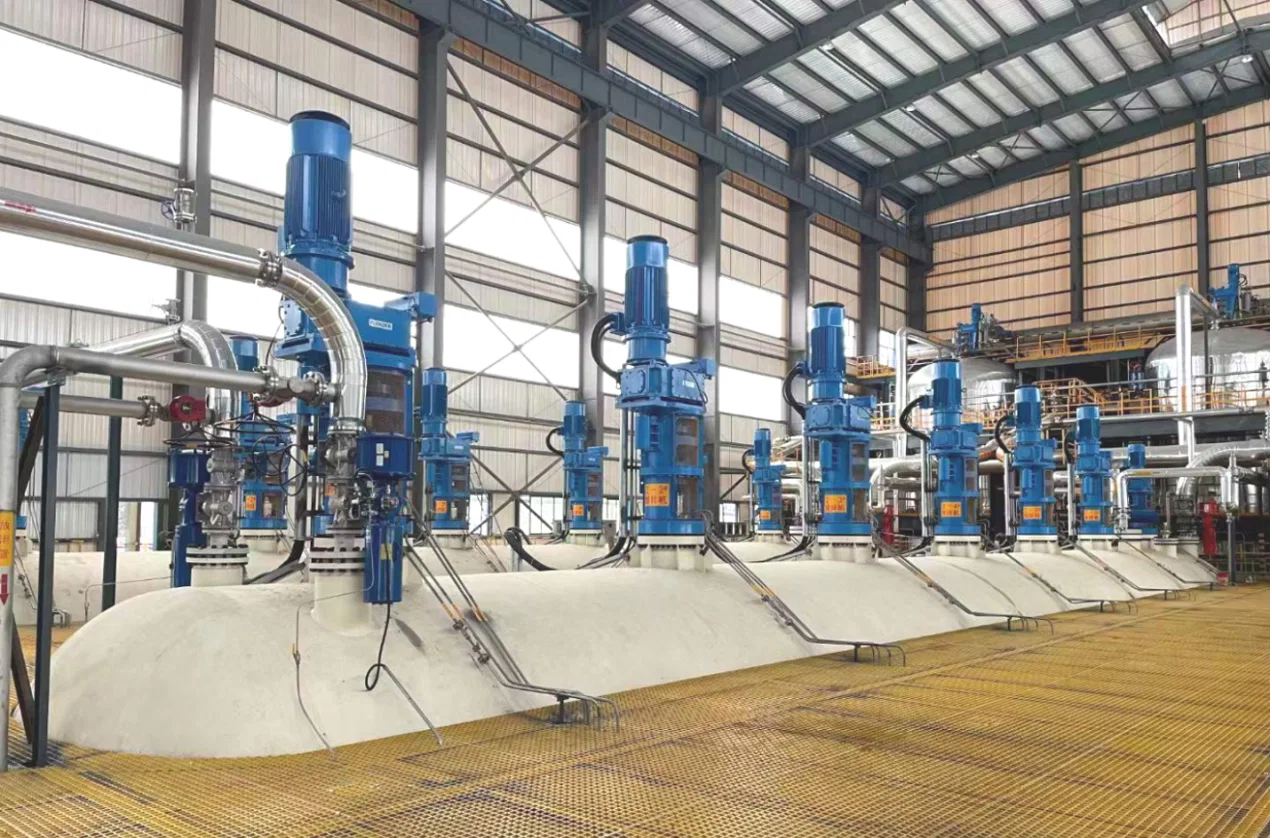
مخلوط کردن در نگاه اول آسان به نظر می رسد. اما در دنیای استخراج فلز باتری EV، به عنوان یک مرحله مهم فرآیند به جای یک عملیات کمکی ساده عمل می کند. محرک ها تعلیق ذرات مداوم را حفظ می کنند و انتقال جرم یکنواخت را ترویج می دهند. آنها اطمینان حاصل می کنند که مواد شیمیایی به طور کامل و مساوی همه چیز را در کل حجم راکتور لمس می کنند. آنها مسدود شدن رسوب و جریان های کوتاه مدار را متوقف می کنند که ممکن است تولید را متوقف کنند. برای فلزاتی مانند لیتیوم از اسپودومن یا نیکل از معدن های لاتریت، مخلوط کردن ضعیف منجر به نرخ بازیابی پایین تر و خروجی خالص کمتر می شود. به همین دلیل انتخاب درست محرک برای صنعت غیر آهنی نقش مهمی دارد.
چرا یکنواختی شیر برای فلزات EV مهم است
تصور کنید که یک مخزن پر از معدن در پایین به دلیل انرژی تحریک ناکافی قرار می گیرد. واکنش ها فقط در جایی اتفاق می افتند که اسیدها مواد جامد را لمس می کنند و قطعات را لمس نمی کنند. این ترکیب نابرابر می تواند بازیابی فلز را در برخی موارد 20 تا 30 درصد کاهش دهد، بر اساس گزارش های صنعتی از پردازش لیتیوم. منابع هدر رفته به سرعت افزایش می یابد - مصرف انرژی بالاتر، مواد شیمیایی بیشتر مورد نیاز و زمان پردازش طولانی تر برای رسیدن به سطوح استخراج هدف. به عنوان مثال، اگر مواد جامد به طور کامل تعلیق نشوند، استخراج لیتیوم به 90 درصد کاهش می یابد و گیاهان را مجبور می کند دسته ها را دوباره کار کنند یا دوز اسید را افزایش دهند. این امر به سود ها ضربه می زند و تامین باتری EV را به تاخیر می اندازد. یک محرک خوب طراحی شده برای لیشینگ اسپودومن همه چیز را در طول ارتفاع کامل مخزن تعلیق می کند، یکنواختی را افزایش می دهد و عملکرد بازیابی لیتیوم را تثبیت می کند. مشکلاتی مانند این در عملیات واقعی ظاهر می شود: یک معدن استرالیایی پس از ارتقاء به مخلوط کننده های بهتر، بازده را 15 درصد افزایش داد. برای کبالت و نیکل، مشکلات مشابهی در تنظیمات HPAL ایجاد می شود، جایی که جریان نابرابر می تواند نقاط داغ ایجاد کند که به تجهیزات آسیب می رساند یا خلوص را به کمتر از 99 درصد کاهش می دهد، که برای باتری ها مناسب نیست.
تغییر از عواقب اساسی، it’ روشن است که آشفتگی’ t فقط در مورد مخلوط کردن. این شکل می دهد که چگونه نیروها بر روی ذرات عمل می کنند. این منجر به نقش برش می شود، جایی که کنترل تفاوت زیادی در مدیریت معدن های متنوع ایجاد می کند.
قدرت پنهان نیروی برش کنترل شده
هر نوع فلزی باتری EV به الگوی برش بهینه شده خود نیاز دارد. هدف توازن ثبات تعلیق جامد با حرکت واکنش و حفاظت از تجهیزات است. مواد معدنی در سختی، توزیع اندازه ذرات و رفتار رولوژیکی بسیار متفاوت هستند. لیتیوم از اسپودومین نیاز به مخلوط کردن ملایم دارد تا مواد بیش از حد سنگ زده نشود یا ظریف بیش از حد تولید نکند. معدن های لاتریت نیکل نیاز به نیروهای قوی تر برای تقسیم توده های ضخیم و حفظ جریان آشپزی دارند. کوبالت در جایی در وسط قرار دارد. آنها اغلب نیاز به برش ثابت دارند تا جریان را بدون فرسایش مکانیکی بیش از حد صاف نگه دارند.
اسپودومن یک معدن سخت است. این بهترین کار با محرک هایی است که جریان محوری را با سرعت بین 50 و 150 دور در دقیقه تولید می کنند. این کار مواد جامد را بدون تبدیل آنها به گرد و غبار ظریف بلند می کند که فیلتر کردن را سخت تر می کند. نیکل لاتریت دارای احساس گل است. از برش بالاتر، حدود 200-300 دور در دقیقه، برای گسترش ذرات چسبنده بهره مند می شود. پردازش کوبالت ممکن است از امپلورهای چند مرحله ای برای مخلوط کردن لایه ای استفاده کند. این تفاوت ها تقاضای زیادی را برای مهندسی ایجاد می کنند: شکل های محرک مانند تیغه های منحنی برای برش پایین یا تیغه های منحنی برای شفت های بالا و پایدار که گشتاور تا 10،000 Nm یا بالاتر را در مخازن های بزرگ HPAL اداره می کنند و سرعت های دقیق تنظیم شده برای جلوگیری از چرخش ها. عدم مطابقت در اینجا می تواند واکنش ها را به نصف کند یا قطعات را در ماه ها به جای سال ها از بین ببرد.
مهندسی برای محیط های شدید: فشار بالا و لیشینگ اسید (HPAL)
فرآیندهای HPAL تجهیزات را به محدودیت ها با فشار بیش از 40 بار و دمای 250 درجه سانتیگراد فشار می دهند. تحریک کننده ها باید بدون شکست، لوبیات ویسکوز را مخلوط کنند، در حالی که در برابر خوردگی اسید سولفریک مقاومت می کنند. این بخش بررسی می کند که چگونه طراحی های محرک متمرکز بر مهندسی این تقاضا را در استخراج لیتیوم و سایر فلزات برآورده می کنند.
مقابله با لیچ اسید در پردازش اسپودومن
اسپودومن لیک کردن به معنی خیس کردن معدن خرد شده در اسید گرم برای آزاد کردن یون های لیتیوم از تنظیم کریستال است. آشپزی تراکم می شود - ویسکوزیتی تا 5000 cP - و خشن می شود که به سرعت مخلوط کننده های عادی را از بین می برد. یک محرک خوب برای تخلیه اسپودومین از محرک های قطر بزرگ استفاده می کند، بگوییم 2-3 متر در عرض، برای ایجاد جریان حتی در مخازن های 1000 متر مکعب. این امر تماس کامل بین اسید و معدن را ترویج می دهد و نرخ بازیابی را به 95 درصد یا بیشتر افزایش می دهد. در عمل، کارخانه های چین و استرالیا از چنین تنظیماتی برای پردازش سالانه ۵۰ هزار تن معدن استفاده می کنند. بدون مخلوط کردن مناسب، جیب های اسید تشکیل می شوند، کارایی را کاهش می دهند و مصرف اسید را 10-15 درصد افزایش می دهند. مخلوط کننده های ضد خوردگی که به طور خاص برای درخشش وظیفه HPAL طراحی شده اند، با مهر و موم هایی که یکپارچگی را تحت فشار و دمای بالا حفظ می کنند و از نشت در چرخه های عملیاتی مداوم طولانی جلوگیری می کنند. برای راه حل های پایدار معدن لیتیوم، این محرک ها زباله ها را با اطمینان از واکنش های کامل کاهش می دهند و به معادن کمک می کنند تا استانداردهای سبز را برآورده کنند.
بر اساس چالش های فرآیند، انتخاب مواد خرابی های بالقوه را به قابلیت اطمینان بلند مدت تبدیل می کند. این’ تصادفی نیست؛ این ناشی از تطبیق قطعات با شرایط سخت در بازی است.
انتخاب مواد: تصمیم مهندسی، پیش فرض نیست
مواد برای محرک ها به قدرت اسید، گرما و مقدار جامد متکی هستند. اسید سولفریک با قدرت 98 درصد نیاز به آلیاژهایی مانند 904L یا تیتانیوم برای شفت ها و محرک ها دارد که در مقابل سوراخ در دمای 200 درجه سانتیگراد مقاومت می کنند. مواد جامد بالا - تا 40 درصد در نیکل HPAL - نیاز به پوشش های مقاوم در برابر فرسایش دارند که عمر را از 6 ماه تا 3 سال افزایش می دهند. در حذف کبالت، جایی که pH به 1 کاهش می یابد، فولادهای دوگانه مانند 2507 در برابر حملات کلرید مقاومت می کنند. مهندسان نمونه ها را در آزمایش های آزمایشگاهی بررسی می کنند و کاهش وزن را در طول 1000 ساعت اندازه گیری می کنند. این روش از اصول اساسی مانند ضد زنگ ساده جلوگیری می کند که به سرعت در عملیات واقعی تجزیه می شود. برای تحریک کننده های پردازش لیتیوم، انتخاب ترکیب مناسب - به عنوان مثال، تیغه های تیتانیوم با پوشش لاستیکی - توقف های پایین و خروجی منظم را حفظ می کند. این’ در مورد تنظیم تنظیم به کار، نه یک اندازه مناسب برای همه.
نتایج اثبات شده در میدان: تاثیر جهانی NHD بر معدن غیر آهنی
این یک چیز است که در مورد فناوری در یک بروشور صحبت کنیم. دیدن بلندی آن در وسط یک سایت معدن دورافتاده، به طور مداوم در شرایط محیطی و فرآیندی شدید کار می کند. رشد باتری های EV منجر به پروژه های معدنی در برخی از چالش برانگیزترین مکان های زمین شده است، از جنگل های مرطوب اندونزی تا کمربند های خشک آفریقا. خرابی تجهیزات در این مکان ها یک گزینه نیست، زیرا قطعات یدکی، تیم های سرویس و پنجره های خاموش اغلب هفته ها فاصله دارند. در این شرایط، سیستم های تحریک باید قابلیت اطمینان مکانیکی بلند مدت، مقاومت شیمیایی و ثبات فرآیند را ارائه دهند - نه فقط عملکرد نظری بر روی کاغذ. این جایی است که تجربه اثبات شده در میدان به یک عامل تعیین کننده تبدیل می شود. NHD شریک قابل اعتماد در پروژه های بزرگ بین المللی زیر بوده است:
- پاپوا گینه نودر پروژه ذوب نیکل کبالت رامو MCC، NHD برای مخازن های آبپاشی و مخازن خنثی سازی، محرک ها را ارائه داد. این تحریک کننده ها باید در برابر ماهیت سایش کننده شیر و هوای مرطوب و خوردگی گرمسیری مقاومت کنند.
- معدن طلای اورال جنوبی در روسیهمنطقه اورال یک مرکز متالورژی تاریخی است که بخش های قابل توجهی از روسیه تولید می کند. مس و طلا در اوایل سال 2017، NHD یک تیم حرفه ای را به روسیه فرستاد تا نصب یک محرک، راکتور و ضخامت کننده Φ30m را برای مشتری تکمیل کند. دامنه شامل جوشکاری / مونتاژ ساختارهای مخزن و نصب یکپارچه سیستم ضخیم کننده بود.
- اندونزی: برای پروژه سنگ معدن نیکل لاتریت که شامل معدن نینگبو لیکین است، NHD نه تنها مخلوط کننده های استاندارد بلکه تحریک کننده های راکتور با فشار بالا را تامین کرد.
- جمهوری کنگو (کنگو)در قلب کمربند مسی، پروژه ذوب مس-کوبالت CMOC KFM از محرک های NHD برای مخازن بارندگی کوبالت خود استفاده می کند. کوبالت شاید حساس ترین فلز باتری از نظر سیاسی و عملیاتی باشد و بازیابی کارآمد بسیار مهم است. پروژه معدن CMOC همچنین به این واحد ها برای حفظ خطوط مس و کبالت متکی است.
- چین: شرکت صنعت اورانیوم منبع کوبالت هسته ای چین، با مسئولیت محدود از NHD استفاده می کند؛ دستگاه های مخلوط کننده برای راکتورهای فشار اکسیژن، اثبات می کند که تکنولوژی برای سختگیرانه ترین الزامات سطح دولت کار می کند.
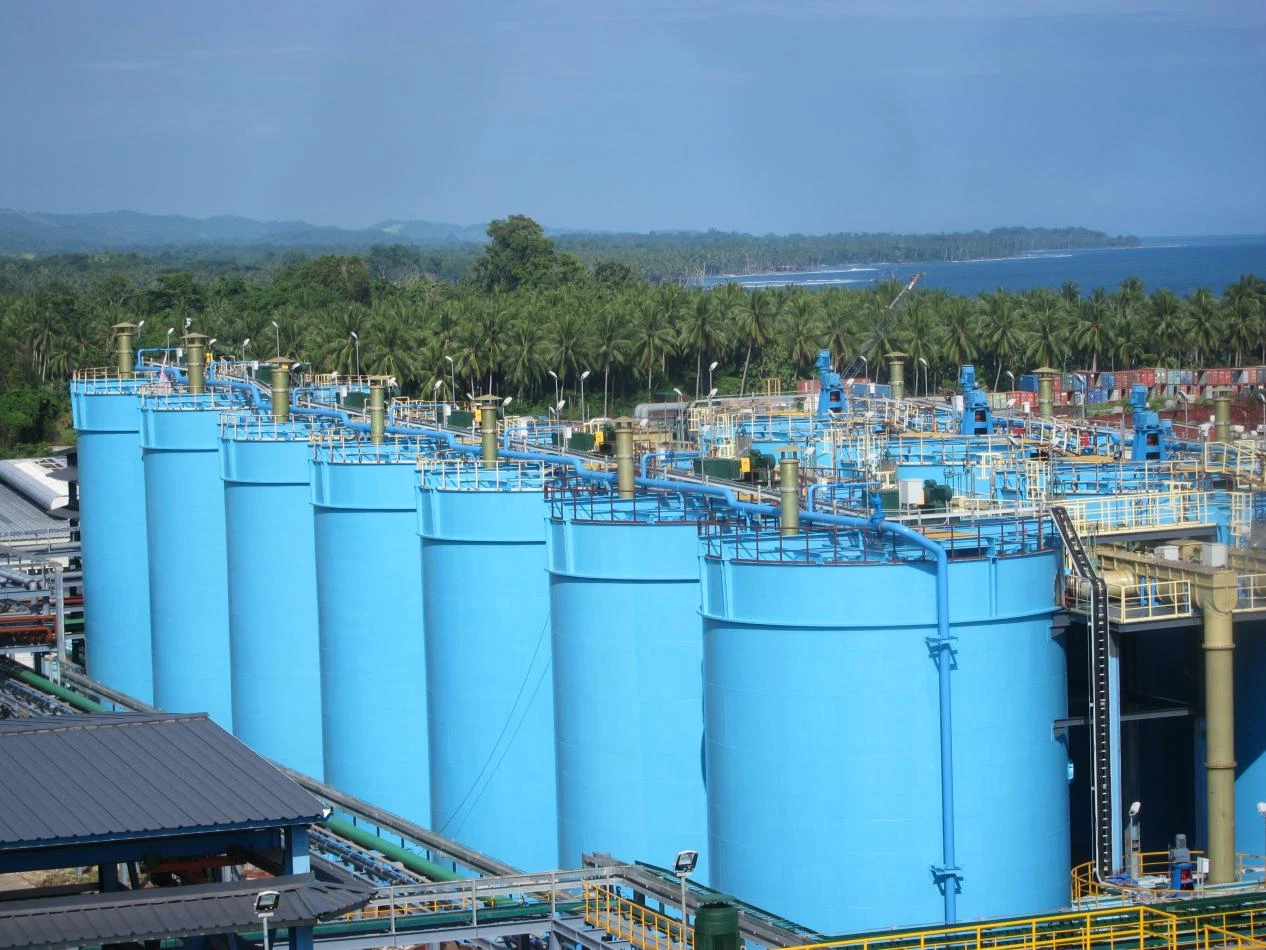
این نمونه ها ثابت می کنند که راه حل های معدن لیتیوم پایدار و پردازش فلز باتری ’ فقط مفاهیم تئوری هستند، آنها در حال ساخت هستند، با فناوری NHD در هسته.
تحقیق و تحریک محرک D: چگونه مهندسان NHD راه حل ها را مخلوط می کنند
پشت هر محرک صنعتی قابل اعتماد یک فرآیند تحقیق و توسعه دقیق است. در استفاده از فلزات باتری و هیدرومتالورژی، سیستم های مخلوط نمی توانند تنها با قوانین ساده برنامه ریزی شوند. خطرات در مقیاس افزایش، ویژگی های جریان پیچیده و شرایط اجرای شدید نیاز به ترکیبی از چک های آزمایشی، شبیه سازی های عددی و سال های دانش طراحی دارند.
در NHD، طراحی محرک از یک مرحله کامل R& فرآیند D که ترکیبی از آزمایش در مقیاس کوچک، تجزیه و تحلیل آزمایش همجانبه و چک جریان مبتنی بر CFD است. این روش اطمینان حاصل می کند که یافته های آزمایشگاهی به خوبی به نتایج کارخانه در اندازه کامل تبدیل می شوند.
آزمایش خلبانی که منعکسس رفتار واقعی
آزمایش در مقیاس آزمایشی نقش تعیین کننده ای در کاهش عدم اطمینان در مقیاس دارد. NHD یکی از بزرگترین پلتفرم های آزمایشی آزمایشگر در چین را اجرا می کند که قادر به آزمایش آزمایشگر های نمونه اولیه با قطر مخزن تا 1800 میلی مترکه طیف گسترده ای از هندسه های مرتبط با صنعت را پوشش می دهد.
این آزمایش های آزمایشی برای تکرار رفتار واقعی لکه به جای شرایط آزمایشگاهی ساده طراحی شده اند. لکه های با محتوای جامد بالا، توزیع اندازه ذرات پیچیده و رئولوژی غیر نیوتنی برای شبیه سازی محیط های پردازش لیتیوم، نیکل و کبالت استفاده می شوند. قطر مخزن متعدد - معمولا 600 میلی متر، 1200 میلی متر و 1800 میلی مترمطابق با اصول شباهت هندسی آزمایش می شوند تا اطمینان حاصل شود که نتیجه گیری های مقیاس بندی از نظر فنی قابل اعتماد باقی می ماند.
پیشرفته سرعت سنجی دوپلر آکوستیک (ADV) سیستم ها برای اندازه گیری میدان های سرعت سه بعدی داخل مخزن استفاده می شوند. در عین حال، گشتاور و مصرف انرژی در زمان واقعی مستقیماً از سیستم محرک محرک ثبت می شوند. این امر اجازه می دهد تا داده های فوری میدان جریان و ورودی انرژی به طور همگام تجزیه و تحلیل شوند و یک تصویر واقع بینانه از تعلیق آشپزی، کارایی گردش و تشکیل منطقه مرده را فراهم کنند.
آزمایش مقایسه ای برای بهینه سازی امپلر و مخزن
به جای تکیه بر آزمایش های تک پیکربندی، NHD آزمایش های مقایسه ای سیستماتیک را انجام می دهد. انواع مختلف محرک، زاویه تیغه، قطر و ترتیبات چند محرک تحت شرایط فرآیند یکسان ارزیابی می شوند.
این آزمایش ها اجازه می دهند تا مقایسه مستقیم بین جریان محوری، جریان شعاعی و طراحی های محرک مخلوط برای اهداف مخلوط مختلف، از جمله شناور جامد، گسترش گاز و مخلوط کردن مایع و مایع، انجام شود. تاثیر داخل مخزن - مانند بافل ها، لوله های طرح و اشکال پایین - نیز در اعداد اندازه گیری می شود.
با پیروی از قوانین مقیاس بندی شکل، همان آشپزی را می توان در اندازه های مختلف مخزن آزمایش کرد یا سیستم های آشپزی مختلف را می توان با همان تنظیم چرخ بررسی کرد. این روش دوگانه هر دو را تضمین می کند. انطباق پذیری فرآیند وت مقیاس پذیری تجهیزات قبل از انتخاب نهایی طراحی بررسی می شود.
اعتبار سنجی CFD در واقعیت آزمایشی
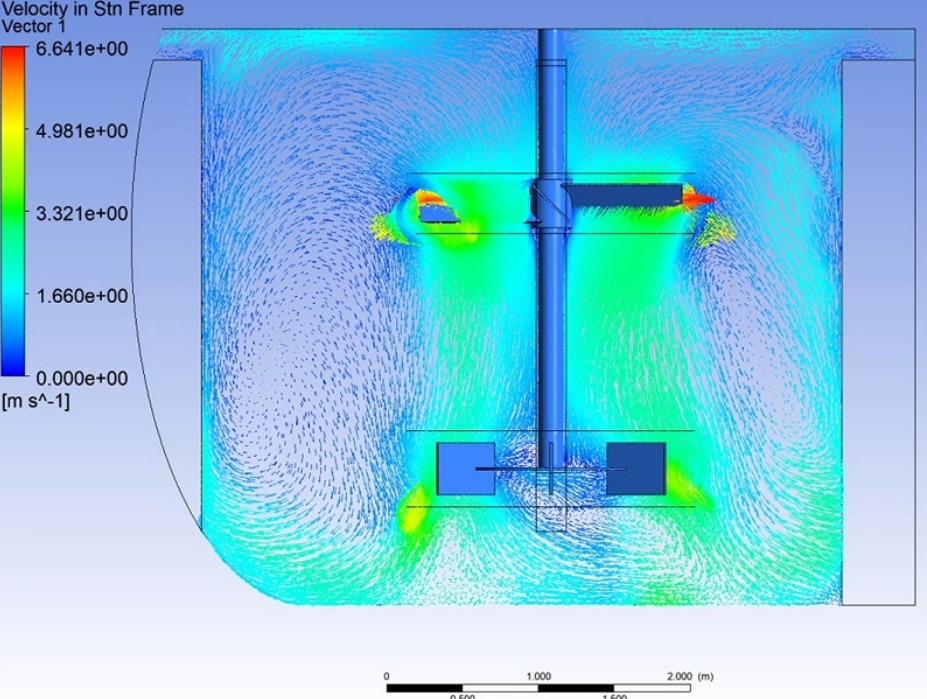
دینامیک مایعات محاسباتی (CFD) تنها زمانی به عنوان یک ابزار طراحی قدرتمند عمل می کند که به طور محکم در داده های تجربی لنگر زده شود. NHD از بسته های نرم افزاری پیشرفته CFD استفاده می کند، از جمله FLUENT، GAMBIT و MIXSIMبرای شبیه سازی الگوهای جریان، توزیع برش و مصرف انرژی در سیستم های مخلوط پیچیده.
مدل های CFD به تنهایی استفاده نمی شوند. نتایج شبیه سازی به طور مداوم در برابر داده های آزمایش آزمایشی، از جمله اندازه گیری سرعت ADV و مقادیر گشتاور اندازه گیری شده، کالیبراسیون و تایید می شود. این فرآیند اعتبارسنجی حلقه بسته به طور قابل توجهی دقت پیش بینی را برای راکتورهای مقیاس بزرگ، به ویژه در سیستم های ویسکوزیتی بالا و محتوای جامد بالا بهبود می بخشد.
از طریق این روش آزمایشی-عددی مخلوط، مهندسان NHD می توانند شکل محرک، سرعت چرخش، قدرت شفت و تراکم انرژی را بهبود بخشند در حالی که از مشکلات رایج مقیاس بندی مانند تعلیق ناکافی، برش بیش از حد یا مصرف انرژی غیر طبیعی اجتناب می کنند.
ادغام مواد و مهندسی
فراتر از اقدامات جریان، R & amp NHD کار D به طراحی مواد می رسد. بر اساس درجه حرارت، اسیدی و خشونت جامد، محرک ها با استفاده از مواد زیادی از جمله 304، 316L، 317L، 904L، دوبلکس 2205، فوق العاده دوبلکس 2507 و آلیاژهای تیتانیوم ساخته می شوند. اصلاحات سطحی ویژه و پوشش های مقاوم در برابر فرسایش نیز برای برآورده کردن شرایط شیمیایی و ماشین سخت اضافه می شوند.
این انتخاب مواد اجازه می دهد که تحریک کننده های NHD به طور مداوم در زمینه هایی مانند معدن، فلزات، پردازش شیمیایی، فسفات ها، مواد شیمیایی خوب، تولید مواد غذایی و تصفیه فاضلاب - اغلب تحت بار سنگین و مداوم - کار کنند.
نتیجه گیری
انتقال به انرژی سبز یک کار صنعتی بزرگ است. با افزایش تقاضا برای وسایل نقلیه الکتریکی، فشار بر معادن برای تولید سریعتر و تمیزتر لیتیوم، نیکل و کبالت تنها افزایش خواهد یافت. ما نمی توانیم زمان توقف ناشی از شفت های خورده شده یا مخلوط کردن ناکارآمد که معدن ارزشمند را هدر می دهد را تحمل کنیم. تجهیزات قوی و علمی طراحی شده برای رسیدگی به واقعیت های سخت استخراج فلز باتری EV نیاز دارد.
این که آیا شما در حال طراحی یک محرک جدید برای خط لچک اسپودومین یا ارتقاء یک تاسیسات لاتریت نیکل موجود هستید، انتخاب فناوری محرک کارخانه شما را تعریف می کند. کارایی S. با بیش از 30 سال تجربه، تحقیقات پیشرفته مواد و سابقه اثبات شده در جهان’ پروژه های معدنی پیشرو، NHD آماده پشتیبانی از عملیات شما هستید. ما اثبات شده ارائه می دهیم تحریک کننده که با چالش های ویسکوزیتی بالا و اسید در استخراج لیتیوم، نیکل و کبالت مقابله می کنند. این راه حل ها خلوص بالاتر و هزینه های پایین تر را در استخراج پایدار لیتیوم ترویج می دهند. اگر به پیشنهادات سفارشی نیاز دارید، لطفا امروز با ما تماس بگیرید sales@chinanhd.com.