
 Persian
  English
  French
  Spanish
  Russian
  Arabic
  Portuguese
  Indonesian
  German
  Turkish
  Vietnamese
  中文
中文 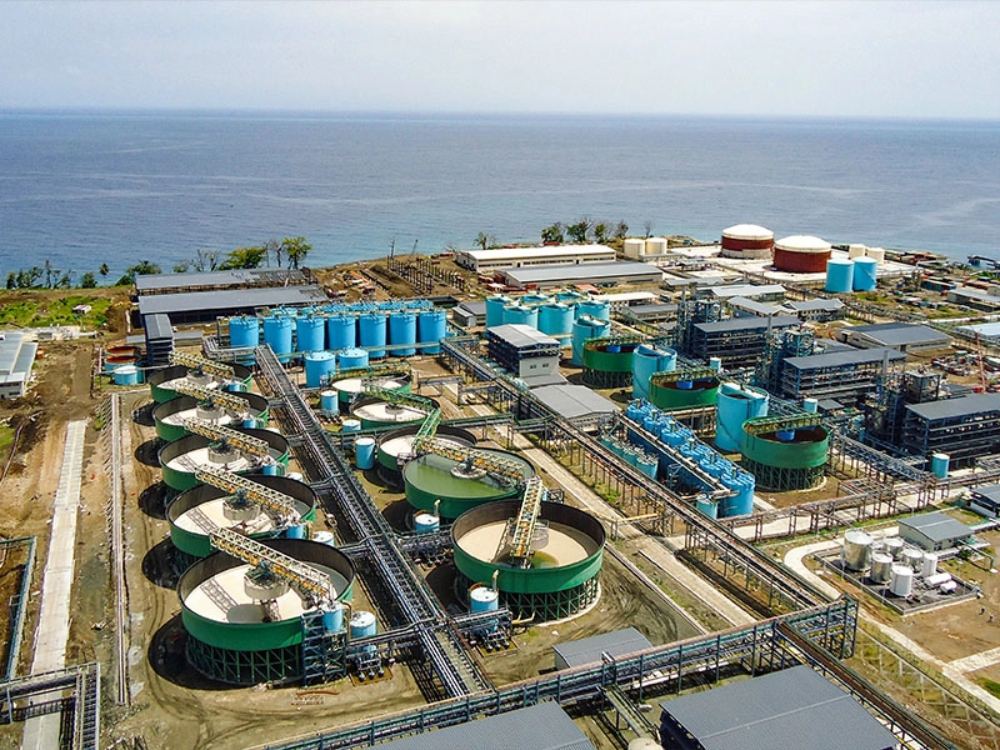
معدن غیر آهنی به مرحله ای رسیده است که حجم تولید به تنهایی دیگر موقعیت بازار را تعیین نمی کند. رهبران صنعت اکنون از یک سیستم دایره ای که بر اساس استفاده کامل از منابع، تبدیل مواد زباله و کاهش قابل توجهی انتشار در کل فرآیندهای فلزی است، حمایت می کنند. هدف مرکزی دیگر به استخراج فلزات از معدن خام محدود نیست، بلکه حفظ گردش مداوم ارزش در طول درمان، بازیابی و استفاده مجدد است.
استانداردهای محیط زیست سختگیرانه تر و بررسی های مالی دقیق تر در عملیات فعلی وجود دارد. مصرف آب، تصفیه باقیمانده ها و معیارهای مرتبط با کربن به همان اندازه تولید مهم هستند. بنابراین، استخراج دایره ای به عنوان یک چالش مهندسی به جای یک مفهوم زیست محیطی ظاهر می شود که نیاز به استعفا از سیستم های واکنش شیمیایی، فناوری های جداسازی و هماهنگی کلی فرآیند دارد تا مواد بتوانند به طور مداوم گردش کنند به جای انباشت به عنوان زباله.
این مقاله در مورد روشی که مفاهیم دایره ای فعالیت های فلزی را تغییر می دهند بررسی می کند و توضیح می دهد که چگونه انتخاب تجهیزات فرآیند از مدل های تولید بازسازی پشتیبانی می کنند.
چگونه اقتصاد دایره ای استراتژی معدن غیر آهن را دوباره تعریف می کند؟
تولید دایره ای با دستیابی به بالاترین نرخ بازیابی ممکن شروع می شود. هر واکنش شیمیایی جزئی یا فاز جداسازی زیر مطلوب هم مشکلات مالی و هم بار زیست محیطی را ایجاد می کند.
"صفر زباله" در عملیات فلزی به چه معنی است؟
در سیستم های هیدرومتالورژی، مواد باقی مانده اغلب فلزات قابل استخراج یا مواد شیمیایی قابل بازیافت را حفظ می کنند. جداسازی کامل جامد و مایع تصمیم می گیرد که آیا پایه ها به بارهای مداوم تبدیل می شوند یا به عنوان ورودی برای مراحل بعدی درمان خدمت می کنند.
بنابراین سیستم های دایره ای معاصر تأکید قوی بر روش های دقیق فیلتراسیون و آماده سازی لویه با دقت مدیریت می کنند تا اجزای ارزشمند را برای بازیابی بعدی در دسترس نگه دارند.
آیا ادغام فرآیند می تواند درآمد ثانویه را باز کند؟
روش های پردازش متحد اجازه بازیابی فلزات ردیابی از جریان های میانی را بدون نیاز به تلاش های استخراج اضافی می دهد. هنگامی که ظروف واکنش، اجزای فیلتراسیون و فازهای شستشو به هماهنگی عمل می کنند، موادی که زمانی برای استفاده مجدد نامناسب تلقی می شدند می توانند به چرخه های تولید فعال بازگردند و در نتیجه بازده کل مواد را افزایش دهند.
چرا مدیریت آب مرکزی برای طرح دایره ای است؟
کمبود آب به طور فزاینده ای بر فرآیندهای تایید و قابلیت اطمینان عملیاتی روزمره تاثیر می گذارد. چارچوب های معدن دایره ای به سیستم های مدیریت آب با حلقه بسته اولویت می دهند که وابستگی به منابع جدید را به شدت کاهش می دهند.
چگونه فیلتراسیون از استفاده مجدد آب پشتیبانی می کند؟
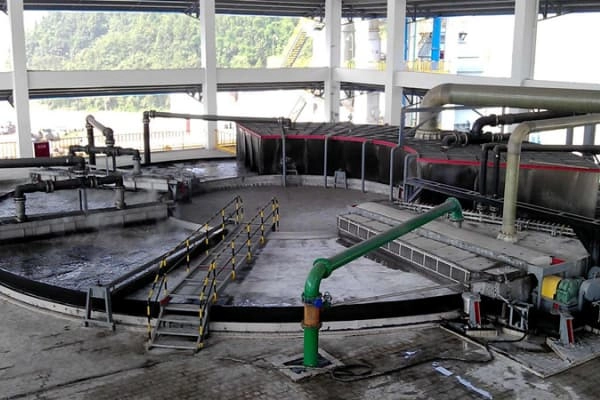
فناوری های فیلتراسیون مداوم بازیابی سریع مایع را در حالی که شرایط عملیاتی پایدار را حفظ می کنند، ترویج می دهند. یک فیلتر خلاء جدول چرخشی جداسازی مداوم در مقیاس بزرگ را فراهم می کند و به طور گسترده ای در تولید اسید فسفوریک، تصفیه آلومینا و درمان های مختلف متالورژی استفاده می شود. تقسیم خوب طراحی شده آن از مناطق فیلتراسیون و دریچه های توزیع بهینه شده عملکرد پایدار را تضمین می کند، مشکلات مقیاس بندی را حل می کند و فرکانس نگهداری را کاهش می دهد و در نتیجه کارایی بازیافت آب را برای مدت طولانی بهبود می بخشد.
مناطق بزرگ فیلتراسیون که می توانند به صدها متر مربع در استقرار صنعتی برسند، ظرفیت پردازش بالایی را در حالی که به طور مداوم حتی لایه های کیک تولید می کنند، که برای بازیابی آب پایدار بسیار مهم است، امکان پذیر می سازند.
آیا تشکیل کیک پایدار خطرات محیط زیست را کاهش می دهد؟
حتی توزیع ضخامت کیک قابلیت پیش بینی را در طول ذخیره سازی و حرکت باقیمانده ها افزایش می دهد. محتوای رطوبت ثابت تغییرات در نفوذ مایع را به حداقل می رساند و به شیوه های مدیریت پایه های ایمن تر و پایبندی آسان تر به استانداردهای نظارتی کمک می کند.
چگونه مهندسی فرآیند می تواند شدت کربن را کاهش دهد؟
استراتژی های معدن دایره ای به طور فزاینده ای کاهش انتشار را به بهبود عملکرد مکانیکی به جای وابستگی به ابتکارات جبران کربن خارجی متصل می کنند.
آیا کارایی مکانیکی می تواند جایگزین گسترش انرژی شود؟
کاهش سطح رطوبت پس از فیلتراسیون انرژی مورد نیاز برای روش های خشک کردن بعدی را کاهش می دهد. بهبود اثربخشی جداسازی به طور همزمان مصرف انرژی را در چندین مرحله فرآیند متصل کاهش می دهد.
ادغام کنترل های خودکار و الگوهای جریان با دقت ترتیب داده شده بیشتر از دست دادن انرژی قابل اجتناب را به حداقل می رساند. سوابق صدور گواهینامه مربوط به مدیریت انرژی نشان دهنده کاهش واضح مصرف انرژی خاص پس از اتخاذ تاسیسات جداسازی با عملکرد بالا است.
آیا کنترل واکنش یک اهرم پنهان برای انتشار گازها است؟
ویژگی های واکنش های شیمیایی تاثیر قابل توجهی بر نتایج فیلتراسیون دارند. مخلوط کردن بیش از حد شدید گاهی اوقات تشکیلات کریستالی را از بین می برد و ذرات ظریف تولید می کند که سطوح فیلتر را مسدود می کند و نیازهای انرژی را افزایش می دهد. شرایط مخلوط با دقت تنظیم شده، هم تکمیل واکنش و هم نتایج جداسازی بعدی را افزایش می دهد.
چگونه سیستم های مخلوط پیشرفته بازده فلزی را تقویت می کنند؟
عملیات دایره ای موفق به واکنش های شیمیایی ثابت و تبدیل کامل مواد متکی است.
چرا طراحی امپلر مهم است؟
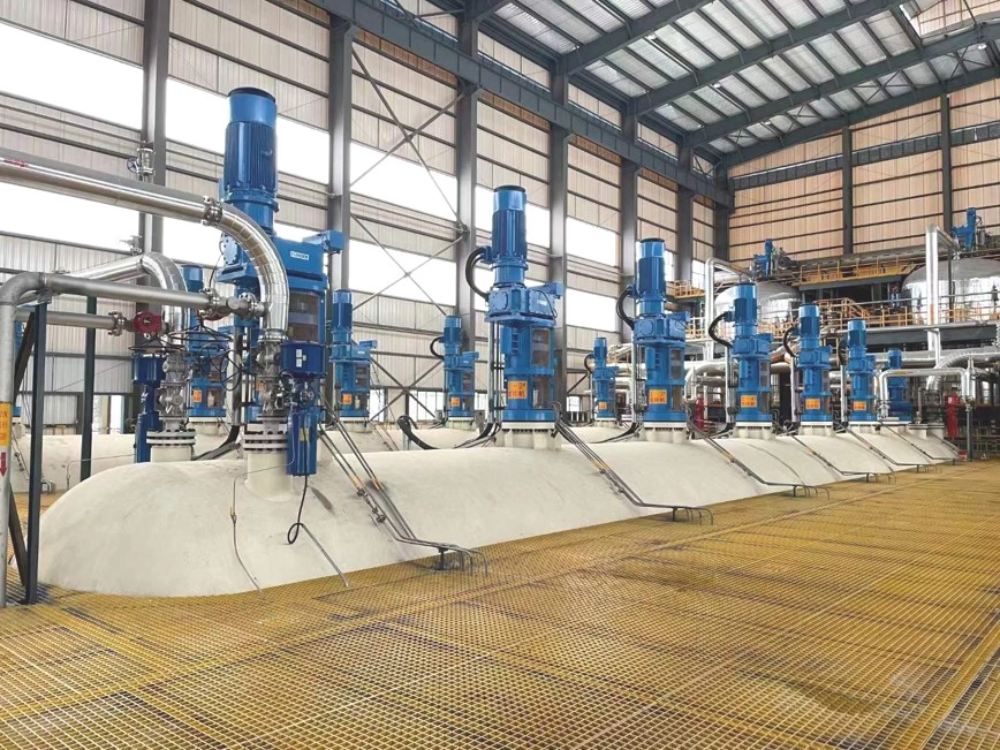
الگوهای حرکت مایع رفتار تعلیق، توزیع گاز و یکنواختی واکنش را تعیین می کنند. الگوهای محوری گردش گسترده را ترویج می دهند و الگوهای شعاعی پراکندگی را بهبود می بخشند. انتخاب مناسب شکل محرک تعلیق ذرات را حفظ می کند و از واکنش شیمیایی کامل پشتیبانی می کند.
یک محرک برای صنعت غیر آهنی و سود تجزیه و تحلیل پویایی مایعات محاسباتی را برای بهبود ساختار تیغه، سرعت عملیاتی و اندازه ظرف اعمال می کند. طراحی شفت توخالی اجازه می دهد تا گازهای واکنش مستقیماً از طریق شفت وارد شوند، در نتیجه پیکربندی کلی سیستم را ساده می کند و کارایی انتقال جرم را بهبود می بخشد.
آیا یکپارچگی ساختاری عملکرد چرخه زندگی را بهبود می بخشد؟
محیط هایی که با دمای بالا و شرایط شیمیایی تهاجمی مشخص می شوند، نیاز به ساخت مکانیکی با دوام دارند. استفاده از ارزیابی استرس عناصر محدود و رویکردهای پیچیده مهر و موم خطرات نشت را کاهش می دهد و طول عمر عملیاتی را طولانی می کند و در نتیجه وقفه های غیر منتظره را کاهش می دهد.
چه کسی دایره ای صنعتی را در مقیاس فعال می کند؟
برای دستیابی به تحول دایره ای در مقیاس بزرگ نیاز به همکاری با تامین کنندگان تجهیزات دارد که می توانند توسعه مهندسی دقیق، قابلیت های تولید و اجرای کلی پروژه را در یک سیستم متحد ادغام کنند.
تاسیس شده در سال 1992، NHD به یک سازمان مهندسی بزرگ تبدیل شده است که تحقیق و توسعه، تولید، نصب و خدمات EPC را در سراسر فیلتر، تحریک، ضخامت، رگهای فشارو تجهیزات محیط زیست ما یک تاسیسات تولید دارای 270،000 متر مربع پایگاه تولید و بیش از 800 کارمند، از جمله بیش از 260 متخصص مهندسی هستیم. ما از زمینه های مواد شیمیایی فسفات، آلومینا، پردازش فلزات غیر آهنی و درمان محیط زیست در بیش از 50 کشور پشتیبانی می کنیم. همکاری مداوم ما با موسسات تحقیقاتی و سازمان های مهندسی بین المللی بهبود مداوم فناوری های جداسازی و واکنش را تسریع می کند.
آیا می توان در یک مدل دایره ای به دارایی تبدیل شد؟
رویکردهای معدن دایره ای باقیمانده های تعهدات دفع را به فرصت های منابع ارزشمند تبدیل می کنند.
چگونه انباشت خشک امنیت محیط زیست را بهبود می بخشد؟
ضخامت موثر و آب زدایی کامل به طور قابل توجهی محتوای آب در زباله ها را کاهش می دهد، در نتیجه ثبات ساختاری را افزایش می دهد و خطرات زیست محیطی را کاهش می دهد. اجرای انباشت خشک مسئولیت های ذخیره سازی را بیشتر کاهش می دهد و امکانات استفاده مجدد مواد را باز می کند.
آیا ارزش بندی محصول جانبی می تواند جریان های ارزش جدید ایجاد کند؟
طراحی مجدد توالی های پردازش واکنش های شیمیایی را قادر می سازد تا اجزای رها شده را به مواد قابل بازاریابی تبدیل کنند. به عنوان مثال، گرفتن گازهای واکنش و دنبال تکنیک های بارندگی ثانویه می تواند اجزای فاضلاب را به مواد پیشگام مناسب برای تولید باتری تبدیل کند و در نتیجه فعالیت های معدن را با تقاضای فزاینده در بخش های ذخیره سازی انرژی متصل کند.
ادغام دیجیتال چه چیزی را به معدن دایره ای اضافه می کند؟
اجرای سیستم های ردیابی دیجیتال، قابلیت مشاهده و حکومت فرآیند را در سیستم های دایره ای تقویت می کند.
آیا نظارت در زمان واقعی می تواند انطباق را بهبود بخشد؟
ابزارهایی که به طور مداوم سطوح فشار، حجم جریان و استفاده از انرژی را اندازه گیری می کنند، معیارهای عملکرد بتنی را تولید می کنند که می تواند انجام تعهدات مستندات محیط زیست را تسهیل کند و شواهد شیوه های عملیاتی مسئول را ارائه دهد.
آیا مهندسی ماژولار استقرار جهانی را بهبود می بخشد؟
تجهیزات طراحی شده با اجزای ماژولار روش های مونتاژ را ساده می کند و برنامه های شروع پروژه را تسریع می کند. مشخصات ماژول یکنواخت کیفیت و قابلیت اطمینان را در مکان های مختلف بین المللی افزایش می دهد در حالی که خطرات را در مراحل ساخت و ساز کاهش می دهد.
نتیجه گیری
معدن دایره ای نشان دهنده یک تکامل اساسی در فلزات غیر آهنی است. بازیابی منابع، استفاده مجدد از آب، کاهش انتشار و تبدیل زباله ها اکنون به عوامل مهم در تعیین عملیات موفق شده اند.
انتخاب های مهندسی فرآیند باید با اهداف کل چرخه زندگی هماهنگ باشد. کارایی فیلتراسیون، کنترل واکنش و ثبات مخلوط از نگرانی های محیطی به عوامل مستقیم عملکرد زیست محیطی، هزینه های تولید و رقابت بلند مدت تغییر کرده است.
هنگامی که استخراج، درمان مواد و تحول باقیمانده ها در یک حلقه مداوم ادغام می شوند، بخش معدن به سمت یک سیستم صنعتی بازسازی که می تواند از رشد تولید مداوم و مسئولیت محیط زیست پشتیبانی کند، پیشرفت می کند.
سوالات متداول
سوال 1: چه چیزی معدن دایره ای را از تلاش های سنتی پایداری متمایز می کند؟
پاسخ: معدن دایره ای بر بهینه سازی بازیابی مواد و تبدیل جریان زباله ها به منابع تولید به جای کاهش عواقب زیست محیطی تمرکز دارد.
Q2: چرا سیستم های فیلتراسیون و تحریک در فلزات دایره ای مهم هستند؟
پاسخ: این سیستم ها کامل واکنش، میزان گردش مجدد آب، سطح خشکی باقیمانده و درصد بازیابی کلی را تنظیم می کنند و در نتیجه تعیین می کنند که آیا مواد حذف می شوند یا دوباره به توالی های تولید فعال ملحق می شوند.
Q3: آیا طراحی فرآیند دایره ای می تواند اقتصاد پروژه را بهبود بخشد؟
پاسخ: نتایج مثبت از افزایش درصد بازیابی، کاهش نیازهای انرژی و کاهش هزینه های مرتبط با مدیریت زباله ناشی می شود که همه به افزایش سودآوری در طول مدت زمان پروژه در حالی که تعهدات محیط زیست را برآورده می کنند، کمک می کنند.