 French
  English
  Spanish
  Russian
  Arabic
  Portuguese
  Indonesian
  German
  Turkish
  Persian
  Vietnamese
  中文
中文 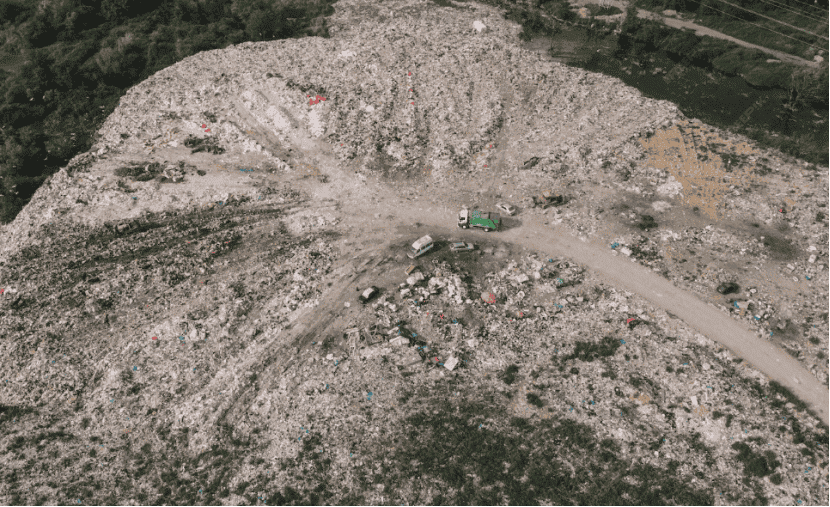
Rapports récents de Mines australiennes a mis en évidence de nouvelles recherches suggérant que les déchets miniers historiques pourraient jouer un rôle significatif dans le soutien de l'industrie manufacturière solaire australienne future, en particulier par la récupération de indiumun matériau essentiel pour les technologies photovoltaïques.
Les recherches indiquent que les résidus miniers et les résidus de transformation, longtemps considérés comme des responsabilités environnementales, sont des sources secondaires potentielles d'indium. Si ces voies de récupération sont techniquement et économiquement viables, elles pourraient aider à renforcer les chaînes d'approvisionnement nationales et à réduire la dépendance à l'égard des minéraux essentiels importés.
Cette perspective est de plus en plus pertinente à mesure que la fabrication solaire mondiale s’intensifie et que la concurrence pour les matériaux stratégiques s’intensifie.
Pourquoi l'indium est un matériau stratégique pour la fabrication solaire
L'indium est un composant essentiel dans oxyde d'indium et d'étain (ITO)un matériau conducteur transparent largement utilisé dans les cellules photovoltaïques, les écrans à panneau plat et l'électronique avancée. Malgré son importance, l'indium est rarement extrait comme produit primaire. Au lieu de cela, il est presque entièrement récupéré en tant que sous-produit des opérations de fusion du zinc et parfois du plomb.
Cette structure d’approvisionnement crée des défis inhérents :
-
Production hautement concentrée lié à un nombre limité de raffineries de métaux de base
-
Faible élasticité d'alimentationComme la production d'indium dépend de la dynamique du marché du zinc plutôt que de sa propre demande
-
Exposition aux risques géopolitiques et réglementaires affectant les opérations minières et de fonderie en amont
Pour les fabricants solaires et les stratèges de matériaux, ces facteurs se traduisent par une incertitude à long terme de l’offre, précisément à un moment où la demande de matériaux photovoltaïques s’accélère.
Les déchets miniers comme source secondaire d'indium
Des études récentes indiquent que les résidus miniers historiques, en particulier ceux provenant d'opérations de zinc et de polymétalliques, peuvent contenir des concentrations d'indium suffisamment élevées pour justifier une récupération secondaire. Dans de nombreux cas, ces matériaux ont déjà été extraits, écrasés et partiellement transformés, ce qui réduit le besoin de nouvelles activités d’extraction.
D’un point de vue stratégique, la récupération d’indium à partir des déchets miniers offre plusieurs avantages :
-
Diversification des sources d'approvisionnement
-
Amélioration de l’efficacité des ressources grâce à la réutilisation des matériaux existants
-
Alignement avec l’économie circulaire et les objectifs de durabilité
-
Appui potentiel aux initiatives de fabrication solaire localisées ou régionales
Cependant, la présence d'indium à elle seule ne garantit pas la viabilité du projet. Le vrai défi réside dans la transformation des flux de déchets hétérogènes à grains fins en un processus industriel stable et contrôlable.
Réalité de l'ingénierie: transformer les déchets en indium récupérable
En pratique, la récupération d'indium à partir des déchets miniers est moins une question de chimie de laboratoire et plus une question de ingénierie de processusLes flux de résidus présentent généralement des tailles de particules variables, des teneurs en solides fluctuantes et des compositions minérales complexes, ce qui impose des exigences élevées aux opérations en aval.
Les étapes clés du processus comprennent généralement:
-
Séparation solide-liquide des particules fines
-
Liquidation contrôlée dans des conditions de mélange stables
-
Filtration et clarification avant récupération des métaux
Chaque étape doit fonctionner de manière fiable à grande échelle. L'instabilité dans n'importe quelle partie du processus peut rapidement réduire l'efficacité de récupération et augmenter les coûts d'exploitation.
La séparation solide-liquide comme fondement
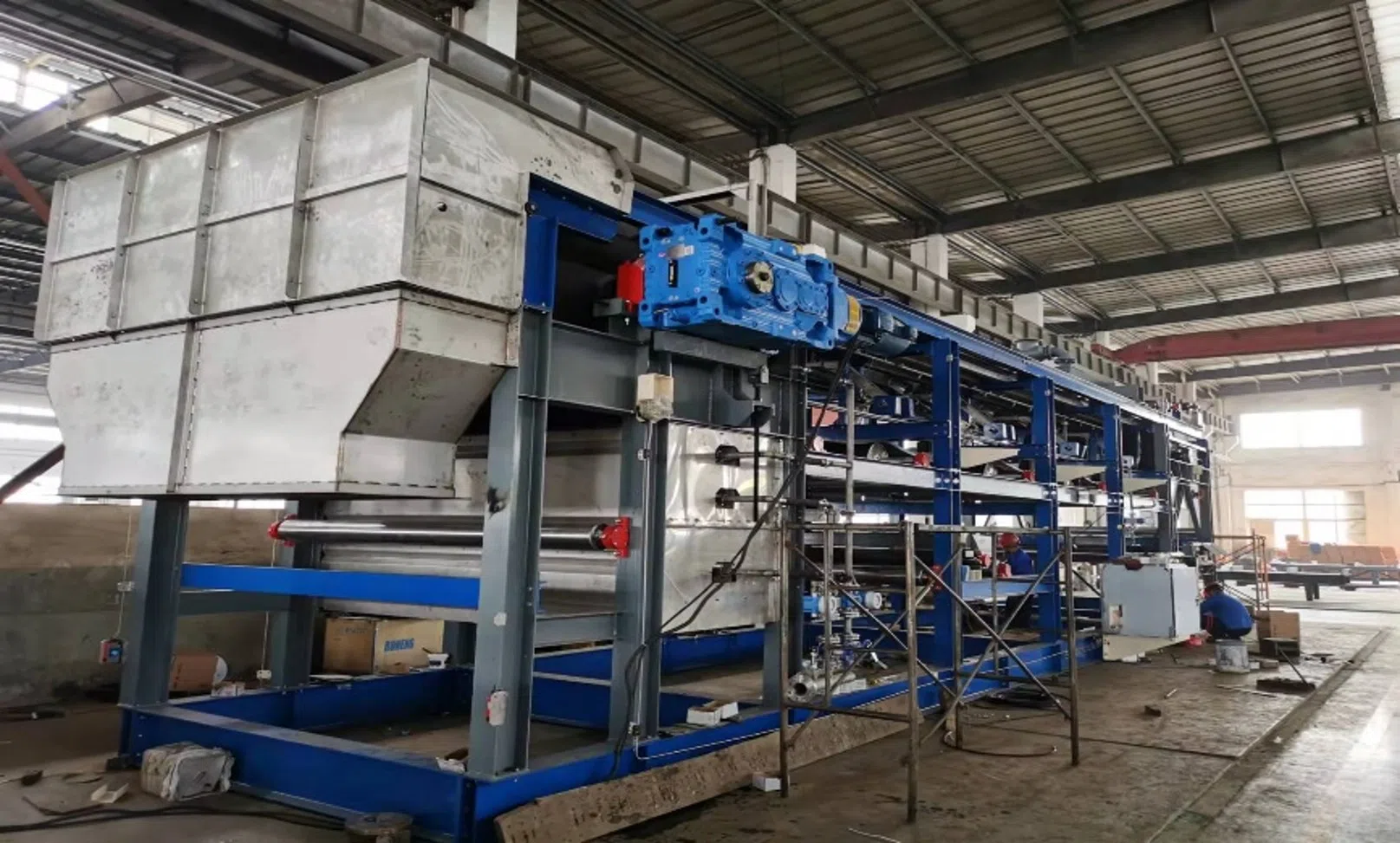
La séparation efficace des solides des liquides de procédé est fondamentale pour tout circuit de retraitement des résidus. Les particules fines, les boues abrasives et les conditions d'alimentation variables nécessitent un équipement conçu pour un fonctionnement continu et stable.
Une étape de séparation robuste améliore non seulement la récupération en aval, mais réduit également l'usure, la fréquence de maintenance et les temps d'arrêt du processus.
Contrôle du mélange et du lixiviage
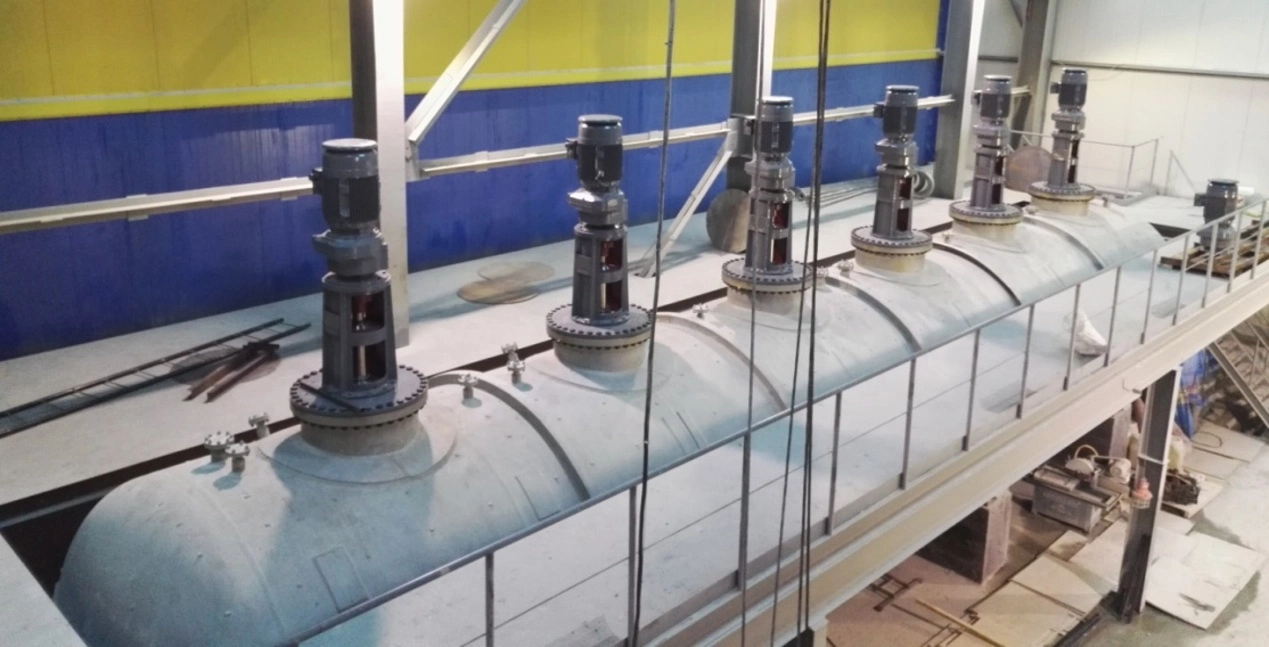
Des conditions de lixiviation uniformes sont essentielles pour une extraction constante de l'indium. Une agitation inadéquate peut entraîner une distribution inégale des réactifs, des réactions incomplètes et des taux de récupération instables.
D'un point de vue opérationnel, systèmes de mélange doit équilibrer l'efficacité énergétique, la suspension des boues et la fiabilité mécanique à long terme, en particulier dans les environnements abrasifs.
Filtration et clarification pour la récupération des métaux
Une fois que l'indium est transféré en solution, efficace filtration et clarification devenir critique. Une mauvaise performance de filtration peut compromettre la pureté du produit et augmenter les coûts de traitement en aval.
À l'échelle industrielle, les performances de filtration déterminent souvent si une feuille de récupération reste économiquement viable à long terme.
Implications pour les chaînes d’approvisionnement de la fabrication solaire
Pour les fabricants solaires, il est peu probable que la récupération secondaire d'indium provenant des déchets miniers remplace entièrement l'approvisionnement primaire. Sa valeur réside plutôt dans atténuation des risques et diversification de l’offre.
Même des contributions partielles provenant de sources secondaires peuvent :
-
Réduire la dépendance envers un groupe restreint de fournisseurs en amont
-
Améliorer la résilience face aux perturbations du marché
-
Soutenir les stratégies régionales de fabrication alignées sur les objectifs de transition énergétique
Alors que la demande mondiale de matériaux photovoltaïques continue d'augmenter, une telle flexibilité de l'offre peut devenir de plus en plus importante.
Considérations environnementales et réglementaires
Le retraitement des déchets miniers est souvent considéré favorablement du point de vue environnemental, car il extrait de la valeur des matériaux existants tout en réduisant les risques de stockage à long terme. Néanmoins, la conformité réglementaire reste une considération centrale.
Les projets doivent porter sur :
-
Gestion et réutilisation de l'eau
-
Manipulation sûre des solides résiduels
-
Contrôle des émissions et surveillance environnementale
Dans ce contexte, stable Séparation solide-liquide et fiable filtration performance sont non seulement des exigences économiques, mais aussi essentielles pour répondre aux normes environnementales et d'autorisation.
Conclusion : Un chemin pratique vers la résilience de la chaîne d’approvisionnement
La récupération d'indium à partir des déchets miniers représente une opportunité pragmatique plutôt qu'une percée spéculative. Pour les décideurs de l’industrie, son importance réside dans le renforcement de la résilience de la chaîne d’approvisionnement, le soutien aux objectifs de durabilité et la réduction de l’exposition à la volatilité en amont.
Le succès dépend moins de la réalisation d'une récupération théorique maximale et plus du déploiement éprouvé, équipement de processus fiable Capable d'un fonctionnement stable à long terme. Au fur et à mesure que les chaînes d’approvisionnement de la fabrication solaire évoluent, la récupération secondaire des ressources, grâce à une ingénierie solide et à une conception intégrée des processus, peut tranquillement devenir un pilier stratégique du paysage minéral critique.
FAQ (questions fréquentes)
Q1: La récupération d'indium à partir des déchets miniers est-elle économiquement compétitive avec l'approvisionnement primaire?
R: Il peut être compétitif lorsque la récupération est intégrée à l'infrastructure de traitement existante et que la stabilité opérationnelle est maintenue, évitant des coûts de capital supplémentaires élevés.
Q2 : Quel facteur technique limite le plus souvent l’expansion ?
R: La variabilité du comportement des boues, en particulier la gestion des fines et le chargement des solides, qui affecte directement les performances de lixiviation et de filtration.
Q3: Comment cette approche soutient-elle le développement à long terme de l'industrie solaire?
R: Il diversifie les sources d'approvisionnement en indium, réduit la dépendance aux marchés extérieurs et renforce la sécurité des matériaux nationaux pour la fabrication photovoltaïque.