
 English
  French
  Spanish
  Russian
  Arabic
  Portuguese
  Indonesian
  German
  Turkish
  Persian
  Vietnamese
  中文
中文  Introduction
 Introduction
Mining progress these days seldom happens in calm settings. Operations run in a space formed by falling ore quality, growing power needs, stricter nature rules, and tight money control that leaves small space for long tests. Digital aids, auto controls, and deep data equipment get pushed as answers. Yet, real evidence from world operations shows many progress plans fail to grow past test stages.
New field studies point out that progress breaks seldom come from young digital equipment. They happen when real process systems cannot hold new work logic steady under make load. Progress, thus, needs check not just through code and programs, but through trust, control ease, and join power of main process equipment. This piece looks at how progress under load depends on base machine systems. It explains why filtration, mixing, and thickening base decides if new work models win or stop.
Who Is NHD and Why Does It Matter When Innovation Moves From Pilot to Production?
In money-heavy mineral handling places, NHD holds a special spot as expert maker of solid-liquid split and slurry move equipment for mining and metal work. Instead of claim digital leader place, NHD centers on help progress by steady the most break-easy parts of the process line.
With over thirty years of build skill, NHD designs and makes large filtration systems, mixers, and high work thickeners that run under hard chemical, heat, and machine stress. Its equipment serve in phosphate handling, alumina cleaning, non-iron metal work, and wet process mining lines where change stays normal not rare.
What makes NHD special fit for progress drive operations lies in its stress on control ease and long process steady. Equipment builds to join with new measure aids, spread control systems, and deep process better frames without need big change of old plants. This means digital plans can grow without harm from machine uneven or hard keep demands.
Why Does Mining Innovation Often Fail to Scale Beyond the Pilot Phase?
Progress plans in mining often give good results in control tests. Yet, they lose speed in full use. The fail point stays seldom idea based. It comes at the join between new control logic and real process act.
How Do Physical Bottlenecks Undermine Digital and Automation Initiatives Over Time?
New plan algorithms, predict keep equipment, and AI help better models assume base process steady. When filter cycles change, slurry density moves, or solids stay time turns uneven, data trust drops. As result, model results lose believe at work level.
Over time, workers answer by wide safety edges, over ride auto controls, or go back to hand choice. Progress does not fail loud. It fades slow. Digital screens may stay, yet their effect on daily make choices drops. This pattern explains why growable progress depends less on add smart and more on cut uncontrol change from main process equipment.
How Can Process Equipment Support Innovation Rather Than Constrain It?
Win progress plans treat machine systems as active parts of control build instead of fixed base items. Equipment must act predict across wide work range while stay open to control inputs.
Why Do Filtration and Thickening Systems Become Strategic Assets in Data-Driven Plants?
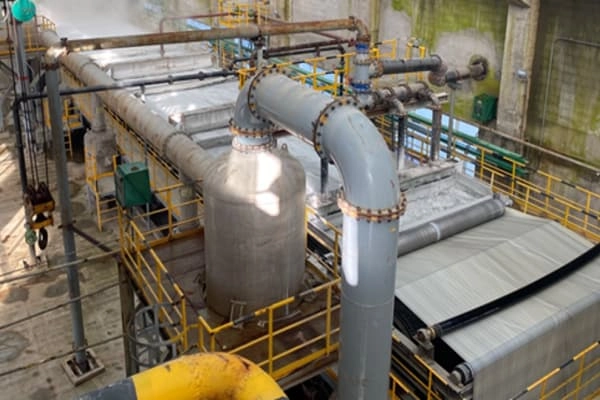
Filtration and thickening stages set water get, mass balance close, and down steady. Change add at these stages spreads through the line. It raises unsure in later steps. On other side, steady filter work allows narrow control ranges and quick feedback circles.
High power fixes in the filter series build to give steady cake water, even press spread, and stable cycle times even under change feed states. This steady betters sensor signal level and cuts noise in process data sets. It lets new control plans run as plan instead of constant fix by person work.
How Do Agitation and Thickening Systems Influence the Viability of Advanced Operating Models?
As ore sources grow hard, slurry flow and solids act change quick across work modes. These changes hard both machine work and control logic.
Why Is Controlled Mixing Essential for Advanced Metallurgical and Separation Strategies?
New metal plans trust exact chemical spread, predict stay time, and even hold states. Poor mixing adds hidden slopes that harm reaction speed and twist sensor reads. These effects often mistake as model fail instead of machine limit.
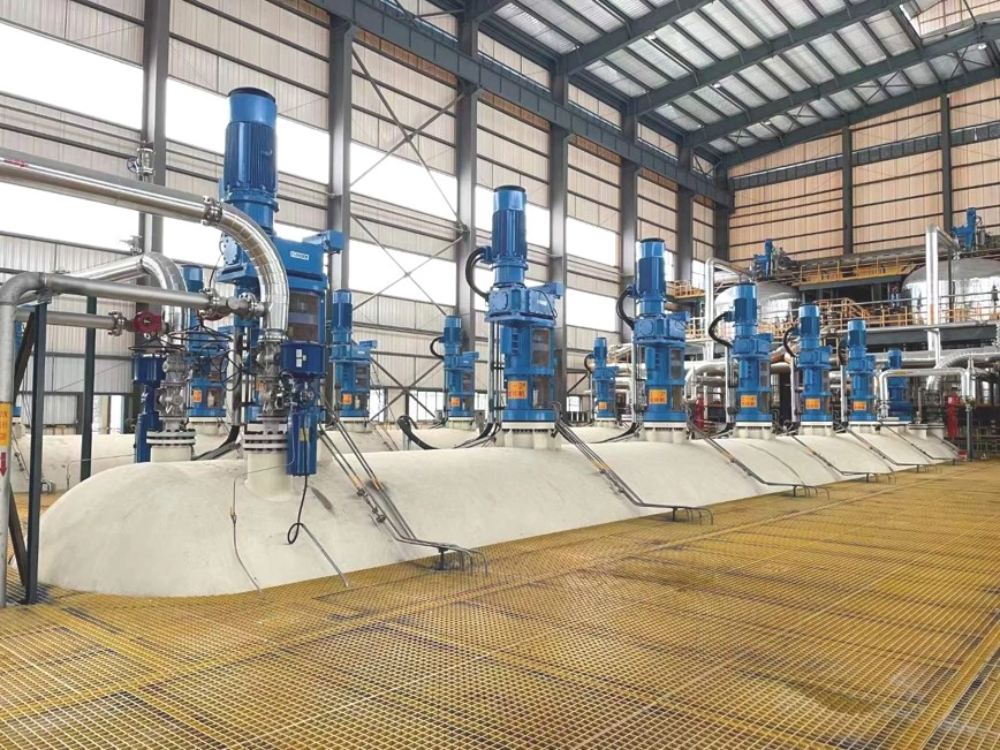
Equipment in the agitator and thickener series is designed to keep stable fluid states across high solids places while cut power use and machine tired. For progress drive operations, this means new process logic can add without constant fix for uncontrol real act.
What Organizational Shift Is Required to Align Equipment Choices With Innovation Strategy?
Mining progress often frame as program hard. Yet, buy and build choices often push short money work over long change power. This wrong match creates build fight to progress.
How Can You Evaluate Equipment Based on Innovation Readiness Rather Than Capital Cost Alone?
Progress ready equipment should check on power to back measure, far check, and change control. Mechanical systems allow sensor place, keep set steady, and let process change without machine stress or too much stop time.
When equipment picks shows these points, progress turns built in instead of add on. This match cuts fight between company plan and site run. Site run stays most common fail point for large change plans.
How Does This Approach Improve Long-Term Resilience Under Market and Operational Pressure?
Market change and rule load will keep grow. Work strength, yet, more depends on inside design choices instead of outside states.
Why Does Infrastructure-Led Innovation Outperform Standalone Digital Transformation?
When progress roots in trust process base, option power gains instead of weak. Steady filtration, mixing, and thickening systems let change work points, output aims, and control logic without harm plant. This bend matters more than small work gains, mainly in long low times or quick need shifts.
Base-led progress also betters worker take. Workers more likely trust auto systems when equipment answers steady. Trust, instead of tech hard, finally sets if progress lasts.
Conclusion
Mining progress does not fail because ideas not enough. It fails when real systems cannot hold new work ways. By treat filtration, mixing, and thickening as key helpers instead of back uses, conditions form where progress can grow, last, and give clear worth.
For skilled workers, the point stays clear: lasting progress comes from meet of machine trust and digital goals. One without the other stays not full.
FAQs
Q: Why do many mining innovation projects lose momentum after early success?
A: Because pilot-level gains often rely on process conditions that cannot be maintained at production scale due to mechanical variability.
Q: How does process equipment affect the performance of AI and automation systems?
A: Stable equipment behavior improves data quality, reduces operational noise, and increases confidence in automated decision-making.
Q: What criteria should guide equipment selection in innovation-focused operations?
A: Controllability, integration capability, and long-term stability under variable conditions should take priority over initial capital cost.