
 Russian
  English
  French
  Spanish
  Arabic
  Portuguese
  Indonesian
  German
  Turkish
  Persian
  Vietnamese
  中文
中文 Обработка шлама правильным образом действительно имеет большое значение, когда вы’ Мы пытаемся обеспечить, чтобы очистка сточных вод работала плавно и дружелюбно для планеты. Из всех различных устройств, которые люди используют для извлечения воды, ремневые фильтры часто появляются, потому что они продолжают работать без перерывов и делают свою работу довольно хорошо. Эти ремневые фильтры удаляют влажные вещества из шлама сильным и стабильным образом, поэтому очистительные станции тратят гораздо меньше денег на вывоз мусора. Кроме того, весь процесс движется быстрее и менее похож на головную боль каждый день.
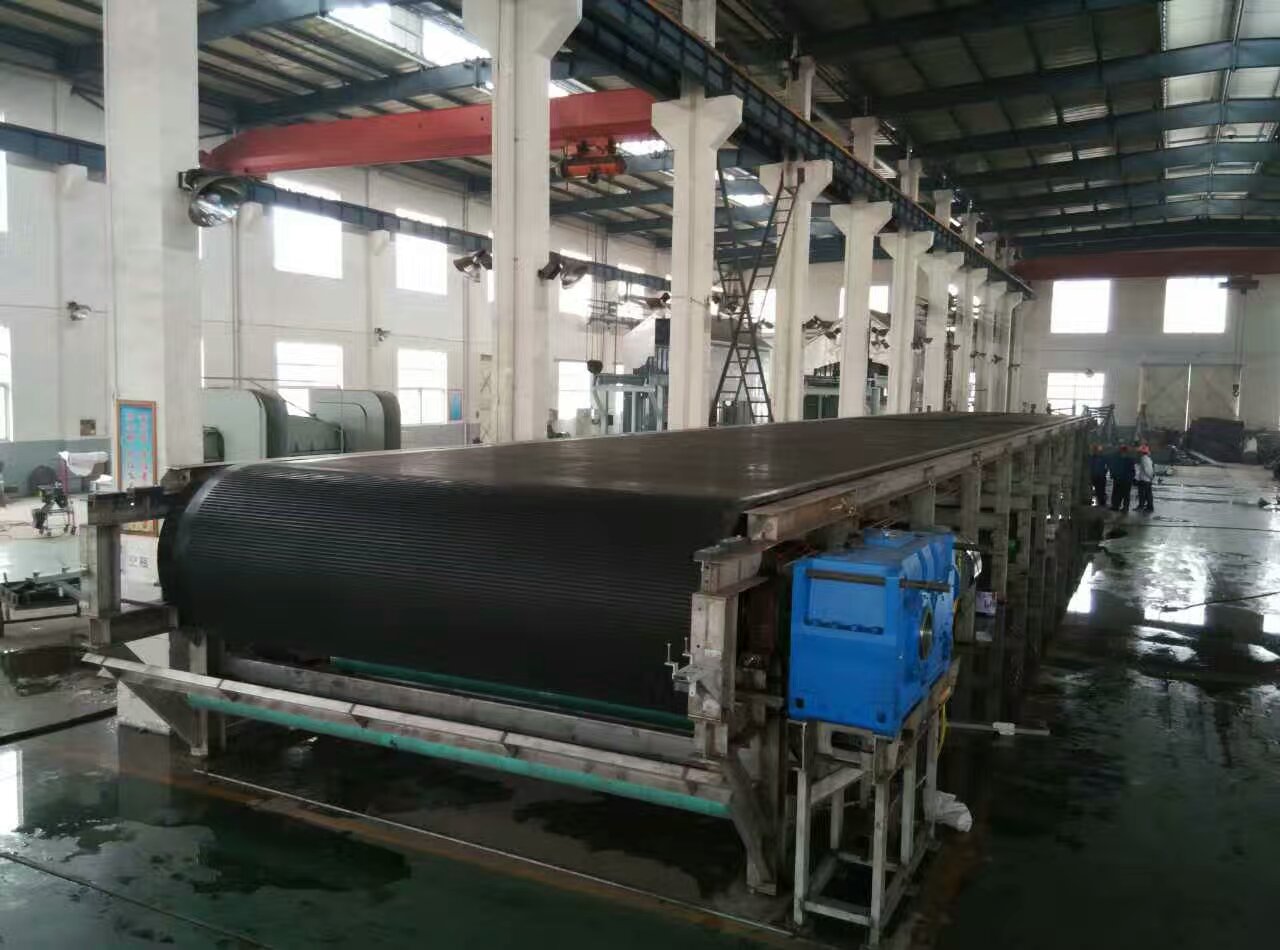
Какую роль играет поясный фильтр в очистке сточных вод?
В наши дни почти все современные места очистки сточных вод рассчитывают на фильтр ремня как один из тех обязательных кусков оборудования. Это гарантирует, что удаление воды из шлама происходит быстро и никогда не останавливается, что немного сокращает общую кучу отходов. Благодаря этому стабильному действию ежедневная работа на заводе делается лучше и легче в целом. Этот шаг оказывается супер важным, поскольку он превращает неблагоприятный влажный шлам в что-то твердое, что люди действительно могут справиться. После того, как лентовый фильтр закончит свою часть, избавиться от остатков или даже повторно использовать некоторые из них становится намного проще, и это не’ Природе наносит почти столько же вреда.
Как работает поясный фильтр в системах сточных вод?
Ременный фильтр в основном действует как бесперебойная машина, которая выжимает воду с помощью реального давления. Люди построили его специально для отделения твердых битов от течащих жидких частей. Обычно всё разбивается на три основных этапа, которые происходят один за другим. В самом начале гравитация выполняет большую часть легкой работы, позволяя свободной воде каплять прямо через нее. После этого приходит нежная сжимающая секция, которая выглядит как клин, толкающий вещи вместе. Наконец, сильная нажимающая часть вступает и действительно тяжело вытягивает каждую последнюю каплю, упаковывая твердые вещества хорошо и плотно.
Как хорошо все выйдет, в значительной степени зависит от специальной ткани, которая выполняет фактическую фильтрацию. Фильтруя ткань это фильтровая среда, размещенная внутри фильтра, и это сердце фильтра. Это в основном означает, что эта ткань работает в качестве главной звезды, потому что она обрабатывает расщепление твердых веществ от жидкостей. Плюс функция фильтровой ткани не только фильтровать, но и транспортировать. Поэтому, помимо поймания всего мусора, он должен плавно переносить шлам с одной стадии на следующую без каких-либо щекоток. Из-за этих двух больших работ, ткань’ Прочность и стабильность действительно считаются супер важными вещами, которым дизайнеры уделяют пристальное внимание. Эта настройка позволяет фильтру ремня справляться с обеими задачами очень хорошо - он чисто фильтрирует вещи, перемещая все вместе без заторов.
Чтобы сохранить всю систему без остановки, машины, которые постоянно работают (тип, где фильтрная ткань должна также выполнять движущуюся работу, например, ремень или вертикальные типы), идут с чрезвычайно сильной фильтрной тканью. Этот умный выбор помогает ткани длиться дольше и сохраняет работу, даже когда условия становятся суровыми или сложными. Когда вы смешиваете машину’ С постоянным толчком вместе с действительно жесткой фильтровой тканью, шлам в конечном итоге удерживает меньше воды, и все это происходит ясным, надежным образом.
Каковы преимущества использования лентового фильтра?
Растения, которые выбирают ремневый фильтр, в конечном итоге получают множество хороших преимуществ в том, как они выполняют свою повседневную работу. Для начала, шлам сокращается на тонну в размере, поэтому его перевозка или сброс стоит намного меньше денег. Еще одна крутая вещь заключается в том, что лентовый фильтр постоянно работает и использует меньше электроэнергии по сравнению с старыми машинами в партийном стиле, такими как спининговые или плоские пластинные прессы. Так как это не’ t нужен кто-то наблюдает за ним каждую секунду после того, как вы установите вещи правильно, вы экономите много на оплате трудящихся и устранении небольших проблем все время.
Еще одно действительно удобное преимущество исходит из того, насколько гибкий хороший поясный фильтр может быть. Когда это’ Хорошо сделанный, он справляется со всеми различными видами шлама без замедления - будь то из городских канализаций или фабричных труб, полных химических веществ. Лучше извлекая воду, это делает следующие шаги, такие как дополнительная сушка или сжигание, работать более гладко и легко. Это помогает всему заводу соблюдать строгие правила чистой воды без столько проблем.
Почему поясный фильтр NHD является рекомендуемым выбором?
Поскольку правила очистки сточных вод становятся все более жесткими, выбор оборудования, на который вы действительно можете рассчитывать, превращается в один из самых умных шагов для долгосрочного успеха. Ременный фильтр NHD представляет собой свежий, надежный ответ, который строится тщательно, чтобы он работал точно правильно и оставался прочным через множество различных работ.
Что отличает поясный фильтр NHD от других?
Ременный фильтр NHD действительно выделяется благодаря умному строительству, которое сочетает жесткие материалы с продуманными дизайнерскими трюками. Вся машина использует современные идеи, которые вытесняют воду как можно лучше, оставаясь твердой, даже когда поступающий шлам сильно меняется. Каждая отдельная часть имеет форму, чтобы очень хорошо обрабатывать все виды шлама, например, она обрабатывает мягкий живой шлам, упакованный кусками растений или животных, а также обрабатывает грубые заводские отходы, полные песка или зерна.
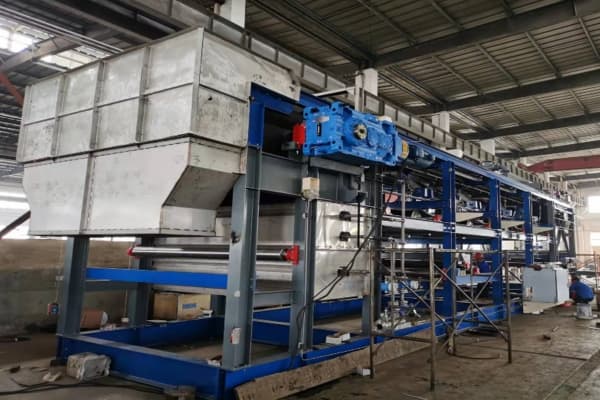
Высококачественные материалы держат всё прочным в течение многих лет, даже в местах, где ржавчина или терение могут быстро вызвать проблемы. Еще одним приятным прикосновением является то, как детали сочетаются умным образом, что позволяет вам добавлять его к более старым настройкам, не разрывая все на части или тратить состояние.
Как вы можете воспользоваться поясным фильтром NHD?
Как только вы приводите ремневый фильтр NHD в свою настройку сточных вод, вы получаете машину, которая работает отлично и почти никогда не делает перерыва. Простой способ его сохранения сокращает неожиданные остановки, что оказывается огромным для растений, которым нужно продолжать двигаться почти все время.
Операторам обычно очень нравится, насколько просто чувствуется управление - они могут настраивать скорость, давление или поток точно в зависимости от того, какой шлам вступает в него. Эти автоматические помощники сохраняют выход практически одинаковым каждый раз, отказываясь от того, сколько ручной фиксации приходится делать люди. А резервная поддержка от NHD после покупки помогает всем оставаться прочным в течение длительного периода времени - они предлагают экспертные советы по настройке, запуску и регулярной проверке. Вы можете выяснить, как эти услуги соответствуют вашему конкретному заводу в NHD Wastewater Solutions.
Как поддерживать и оптимизировать систему поясного фильтра?
Позабота о ремневом фильтре правильно остается супер важной, если вы хотите, чтобы он продолжал хорошо работать месяц за месяцем. Регулярные проверки обнаруживают небольшие проблемы, прежде чем они превращаются в большие головные боли, и они убеждаются, что фильтрация остается резкой после запуска.
Каковы основные методы обслуживания ремневых фильтров?
Повседневные работы по обслуживанию обычно охватывают просмотр ремней, чтобы обнаружить любые изношенные пластыры или пятна, где они сидят кривыми. Вы также заглядываете на ролики и их подшипники, чтобы убедиться, что они крутятся хорошо и гладко, не ловя. Чистка фильтрационной ткани по стабильному графику останавливает накопление и блокирование крошечных отверстий, которые пропускают воду. Накопление твердых веществ или липких химических веществ может замедлить работу, если вы пропустите этот шаг.
Потому что функция фильтровой ткани заключается не только в фильтрации, но и транспортировке. Поэтому, помимо фильтрационного эффекта, его прочность и стабильность также являются важными показателями конструкции. Сохранение ткани прочной и стабильной с самого начала меняет, насколько хорошо весь ремневый фильтр выполняет свою работу. Замена изношенных ремней быстро останавливает неравномерное давление во время больших деталей сжатия, что может оставить шлам влажнее, чем должен быть.
Смазание или смазка движущихся частей по регулярному графику, как и в инструкциях, сокращает трение в роликах и спинных кусках. Добавление небольших датчиков, которые следят за тревогами или дополнительным теплом, помогает выявить проблемы рано, так что они не’ t превращаются в реальные разрушения.
Как повысить эффективность ремневого фильтра?
Получение максимального результата из вашего ремневого фильтра сводится к настройке нескольких важных вещей, таких как то, как быстро входит шлам, как быстро катятся ремни и как сильно они сжимаются. Регулирование их позволяет вам соответствовать потоку с тем, как сухой торт заканчивается, так что все соответствует тому, что нужно вашему растению.
Умная автоматизация играет большую роль в наши дни. Установка датчиков, которые наблюдают за вещами в режиме реального времени, такими как чистота выходной воды или толщина окончательных твердых веществ, позволяет системе самостоятельно изменять настройки на основе того, какой шлам появляется. Это выделяет максимум воды, сохраняя при этом стабильное качество.
Переход на свежие фильтровые ткани часто также повышает результаты. Новые позволяют воде проходить быстрее, лучше бороться с заборами и держаться дольше при постоянном использовании, что приводит к более сухим тортам и более гладким ходам в целом.
Часто задаваемые вопросы
В: Каков типичный срок службы ремневого фильтра в очистке сточных вод?
Ответ: Это действительно зависит от того, насколько сильно вы его используете и насколько хорошо вы заботитесь о нем, но большинство из них длится где-то между 10 и 15 годами, когда люди регулярно проверяют и заменяют детали, когда они начинают изнашиваться.
В: Может ли лентовый фильтр обрабатывать все виды шлама?
А: Они’ Он довольно гибкий и работает с множеством различных видов, но некоторым шламам сначала необходимы дополнительные шаги, такие как добавление специальных химических веществ или фиксация рН, чтобы лентовый фильтр мог вытеснить их как можно лучше.
В: Как часто следует заменять ремни на ремневом фильтре?
Ответ: Это меняется в зависимости от того, сколько работы машина делает каждый день, но вы обычно в конечном итоге заменяете их каждые 2-5 лет после того, как заметите износ во время обычных проверок.