
 Vietnamese
  English
  French
  Spanish
  Russian
  Arabic
  Portuguese
  Indonesian
  German
  Turkish
  Persian
  中文
中文 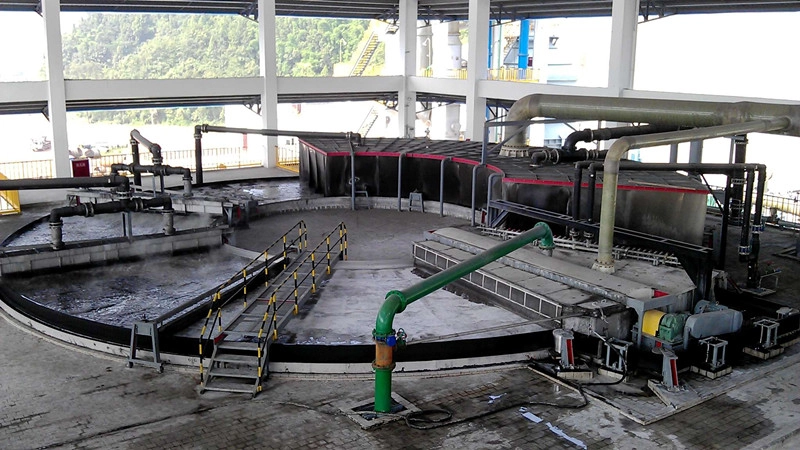 Năm 2026, với các mục tiêu bền vững toàn cầu thắt chặt và áp lực an ninh thực phẩm gia tăng, nhiều hoạt động axit quy trình ướt vẫn mất phốt pho quý giá và vật lộn với lọc thạch thạch thạch chậm. Cổ bottleneck đánh mạnh khi tách rắn-lỏng. Nâng cấp lên hiện đại Bộ lọc chân không bàn quay thay đổi hoàn toàn hình ảnh đó. Nó phá vỡ giới hạn công suất, cắt P ₂O₅ tổn thất hòa tan và đồng tinh thể, và mang lại lợi nhuận rõ ràng về đầu tư. Bài viết này khám phá lý do tại sao nhiều nhà máy phốt phat hiện thấy thiết bị lọc này là nâng cấp trả lại nhanh nhất. Bạn sẽ thấy dữ liệu kinh nghiệm từ các nghiên cứu công nghiệp gần đây và lợi thế thực tế phù hợp với các hoạt động đòi hỏi ngày nay.
Cổ chai trong quá trình ướt Phosphoric Sản xuất axit
Mỗi nhà khai thác nhà máy axit phosphoric liên tục gặp phải vấn đề này. Sản xuất tăng lên, nhưng bước lọc không thể theo kịp. Lọc thạch thạch kém tạo ra hiệu ứng sóng trên toàn bộ dòng axit quá trình ướt.
Chi phí của thiếu hiệu quả
Khi thiết bị lọc kém hiệu suất, phốt pho trượt đi với bánh thạch thạch. Nhà máy kết thúc với tổng lượng phốt pho cao hơn trong chất thải - đôi khi cao hơn mục tiêu. Điều đó có nghĩa là giá trị sản phẩm bị mất và chi phí bổ sung để xử lý thạch thạch ướt, nặng. Khi mức độ ẩm tăng, trọng lượng thêm làm tăng đáng kể chi phí vận chuyển, làm tăng chi phí hậu cần lên đến 30% trong một số trường hợp. Xử lý hoặc xử lý lại cũng trở nên tốn kém hơn. Trong các thị trường có lợi nhuận chặt chẽ, các cống thoát ẩn này ăn vào lợi nhuận hàng tháng. Dữ liệu thực tế cho thấy ngay cả những cải tiến nhỏ trong lọc thạch thạch có thể tiết kiệm hàng ngàn tấn phốt pho mỗi năm trong một nhà máy cỡ trung bình.
Khoảng cách năng lực
Các nhà máy axit phosphoric hiện đại chạy các giai đoạn phản ứng nhanh hơn để đáp ứng nhu cầu. Các hệ thống truyền thống đơn giản là không thể xử lý khối lượng bùn tăng mà không làm chậm hoặc mất chất lượng. Các thiết lập lọc cũ hạn chế thông lượng tổng thể và buộc các nhà khai thác chấp nhận tỷ lệ phục hồi thấp hơn. Khoảng cách công suất này ngày càng lớn hơn mỗi năm khi các loại quặng khác nhau và các quy tắc môi trường thắt chặt. Do đó, các nhà máy hoạt động dưới công suất thiết kế, bỏ lỡ các cơ hội thị trường tiềm năng và tăng trưởng doanh thu do công suất không được sử dụng.
Chuyển đổi cuộc trò chuyện sang các giải pháp đưa chúng ta đến một lựa chọn rõ ràng giữa các loại thiết bị. Nhiều nhà vận hành đã bắt đầu so sánh thiết lập hiện tại của họ với các tùy chọn tiên tiến giải quyết các điểm đau chính xác này trực tiếp.
Showdown kỹ thuật: Tilting Pan vs. Bộ lọc chân không bàn quay
Từ quan điểm hoạt động, các hạn chế của các bộ lọc chân không nghiêng (loại flip) không chỉ là lý thuyết - chúng được quan sát theo kinh nghiệm trong việc trang bị lại công nghiệp. Phần này dựa trên một nghiên cứu công nghiệp gần đây được thực hiện với Tập đoàn Wengfu, một doanh nghiệp hàng đầu trong ngành công nghiệp hóa chất phốt phat của Trung Quốc. Nghiên cứu được công bố trong Số tháng 2 năm 2026 của The Authoritative Journal Khoa học ngành công nghiệp sinh thái và Phosphorus & Kỹ thuật FluorineMột nền tảng được công nhận cho các tiến bộ được đánh giá ngang hàng trong sản xuất axit phốt pho và công nghệ chế biến phốt pho.
Giới hạn của thiết kế Pan nghiêng truyền thống
Bộ lọc chảo nghiêng dựa vào cơ chế lật để xả bánh. Chuyển động đó tạo ra một số cơn đau đầu thực tế. Các dốc nông trong chậu lọc làm chậm dòng chảy chất lọc, và chất lỏng còn lại trong khi nghiêng làm tăng mất phốt pho. Ngoài ra, thiết kế cũng giới hạn tốc độ lọc, vì quay nhanh hơn có thể gây ra phun và hình thành bánh không đồng đều. Các đội bảo trì dành thêm giờ cho nhiều bộ phận di chuyển mà mặc nhanh chóng dưới căng thẳng nghiêng liên tục. Nhìn chung, các đơn vị cũ này khó khăn để cung cấp hiệu suất nhất quán mà các nhà máy axit phosphoric ngày nay yêu cầu.
Cạnh cơ học của bàn quay
Các Bộ lọc chân không bàn quay có một cách tiếp cận khác. Nó sử dụng xả xoắn ốc thay vì nghiêng, vì vậy bánh đi ra sạch sẽ mà không cần thêm chất lỏng. Các dốc dốc hơn trong đĩa lọc và ống hút cho phép chuyển động chất lọc nhanh hơn và hiệu quả hơn. Thiết kế này hỗ trợ rửa bốn giai đoạn với ít trộn chất lỏng rửa, giữ cho sự phục hồi sản phẩm cao.
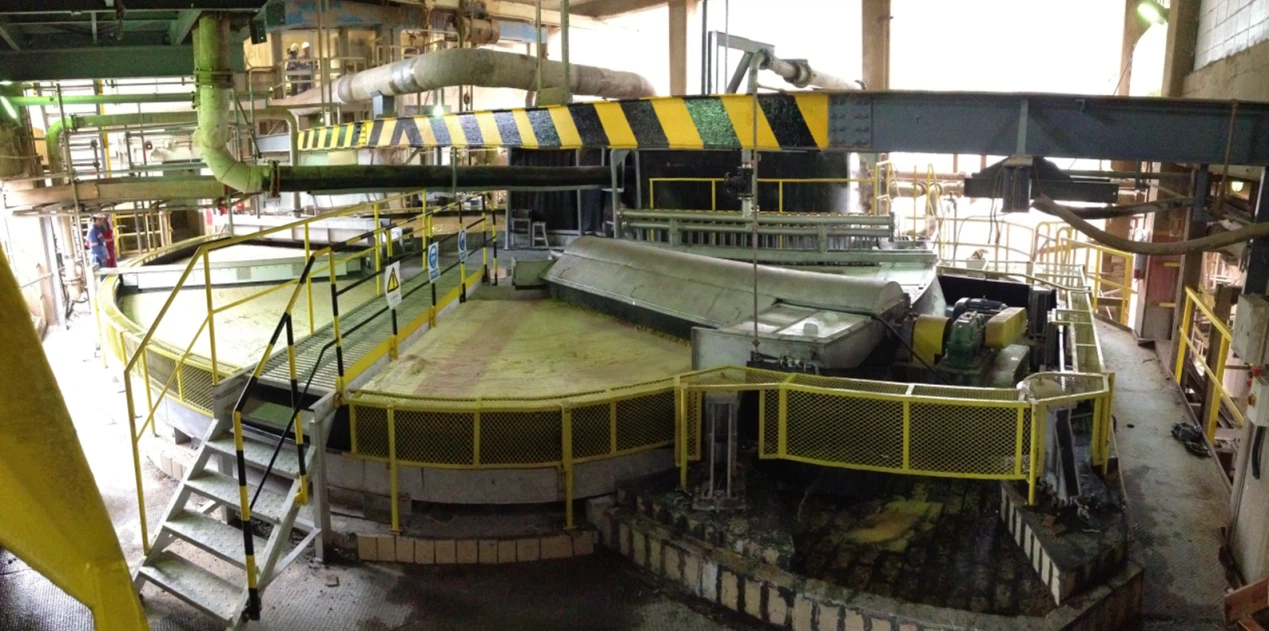
Nghiên cứu Wengfu cung cấp bằng chứng cụ thể. Các nhà vận hành đã thay thế một đơn vị chảo nghiêng 120 m² bằng bộ lọc chân không bàn quay 220 m². Tải trọng bùn tăng từ 75-80 m³ / h lên 80-85 m³ / h. Tổng phốt pho trong thạch thạch vẫn được kiểm soát ở ≤0,8%. Khu vực lọc hoạt động lớn hơn - 195 m² trên đơn vị mới - cải thiện sự cân bằng hệ thống và cho phép các nhà khai thác linh hoạt hơn với các loại quặng khác nhau. Ít bộ phận di chuyển làm giảm nhu cầu bảo trì, và rò rỉ và chuyển tiếp được giảm đáng kể. Những cải tiến này làm nổi bật lý do tại sao bộ lọc chân không bàn quay, còn được gọi đơn giản là bộ lọc chân không bàn, bây giờ nổi bật trong nâng cấp nhà máy phốt phat tập trung vào lọc thạch thạch.
Giải quyết vấn đề Scaling Gypsum Once and For All
Sự mở rộng bên trong thiết bị lọc lãng phí thời gian và tiền bạc. Nó buộc tắt không có kế hoạch để làm sạch và rút ngắn tuổi thọ của các thành phần chính. Bộ lọc chân không bàn quay tiên tiến được thiết kế để giải quyết quy mô tại nguồn, giúp nhà máy duy trì hoạt động sạch hơn và ổn định hơn.
- Van phân phối thấp hơn góc lớnVan chuyển hướng góc lớn nằm ở trung tâm của hệ thống. Các con đường dòng chảy rộng của chúng cắt giảm sự tích tụ và tắc nghẽn. Thiết kế giữ cho chất lọc di chuyển trơn tru ngay cả khi bùn chứa các tạp chất dính thường thấy trong các nhà máy axit phosphoric.
- Thanh kẹp hình cung: Thanh thẳng truyền thống quy mô bẫy nhanh chóng. Các thanh kẹp hình cung thay đổi điều đó. Họ làm giảm điểm tích tụ và cho phép phi hành đoàn trao đổi vải lọc nhanh hơn trong quá trình phục vụ thường xuyên.
- Tiết kiệm nước phun phẳng: Vòng phun phẳng tiết kiệm nước cung cấp năng lượng rửa mạnh mẽ trong khi sử dụng ít năng lượng hơn. Họ làm việc cùng với các yếu tố lọc chống tắc nghẽn để giữ đĩa rõ ràng. Những vòi phun này hỗ trợ mục tiêu tổng thể của sản xuất axit quy trình ướt hiệu quả mà không thêm chi phí vận hành bổ sung.
Với quy mô dưới kiểm soát, trọng tâm chuyển sang cách nâng cấp đầy đủ cung cấp giá trị lâu dài trên toàn nhà máy.
Nâng cấp nhà máy 2026: Một giải pháp tổng thể cho hiệu quả và ROI
Lựa chọn bộ lọc chân không bàn quay không chỉ đơn giản là thay thế một mảnh thiết bị lọc duy nhất. Nó đại diện cho một nâng cấp cấp hệ thống cải thiện công suất, giảm chi phí vận hành và hỗ trợ hoạt động nhà máy ổn định lâu dài.
Sự ổn định cao cho sản xuất bền vững
Khu vực lọc lớn hơn và hoạt động mượt mà hơn góp phần vào hiệu suất nhà máy tổng thể ổn định hơn. Việc trang bị lại Wengfu đã chứng minh rằng một bộ lọc chân không bàn quay 220 m² xử lý tải trọng cao hơn mà không làm gián đoạn sự cân bằng hạ lưu. Các nhà vận hành có được chỗ để điều chỉnh tốc độ và vẫn duy trì chất lượng thạch thạch. Sự ổn định này quan trọng nhất khi chất lượng quặng dao động hoặc khi nhà máy đẩy hướng đến mục tiêu sản lượng hàng năm cao hơn.
Thời gian hoạt động tối đa thông qua Thiết kế chống quy mô
Các tính năng chống mở rộng - cấu trúc hỗ trợ nổi, khung hỗ trợ lưới và bôi trơn tự động - giữ bộ lọc chân không bàn sẵn sàng cho nhiệm vụ liên tục. Ít vấn đề mở rộng nhiệt và giảm cầu có nghĩa là các nhóm bảo trì dành ít thời gian hơn cho sửa chữa. Các nhà máy báo cáo thời gian hoạt động tổng thể cao hơn, trực tiếp cải thiện lợi nhuận đầu tư cho bất kỳ nâng cấp nhà máy phốt phat nào.
Quản lý và giặt bùn chính xác
Các nhà phân phối loại tấm lan bùn đều trên bề mặt đĩa. Sự hình thành bánh đồng nhất này dẫn đến việc sấy tốt hơn và giặt nhiều giai đoạn hiệu quả hơn. Kết quả là thạch thạch khô hơn và phục hồi phốt pho cao hơn. Trong các dòng axit quy trình ướt, độ chính xác đó chuyển thành tiết kiệm có thể đo lường và tuân thủ mạnh mẽ hơn các tiêu chuẩn môi trường.
Sự linh hoạt trên khắp các lớp quặng với các trường hợp đã được chứng minh
Bộ lọc chân không bàn quay thể hiện tính linh hoạt mạnh mẽ khi xử lý các loại quặng phốt phat khác nhau và điều kiện hoạt động. NHD đã mang lại kết quả được chứng minh ở nhiều quốc gia thông qua lắp đặt thành công trong các nhà máy axit phosphoric:
- Trung QuốcBộ lọc chân không bàn quay 320 m² lớn nhất hỗ trợ một nhà máy axit phosphoric lớn 600 kt / một tại tỉnh Quyền Châu, thể hiện khả năng xử lý sản xuất quy mô lớn với sự ổn định tuyệt vời.
- SenegalSố: A Bộ lọc chân không bàn quay 100 m² hoạt động đáng tin cậy trong dự án axit phosphoric INDORAMA ICS 300 kt / một, cung cấp hiệu suất lọc thạch bơ nhất quán trong điều kiện hoạt động châu Phi.
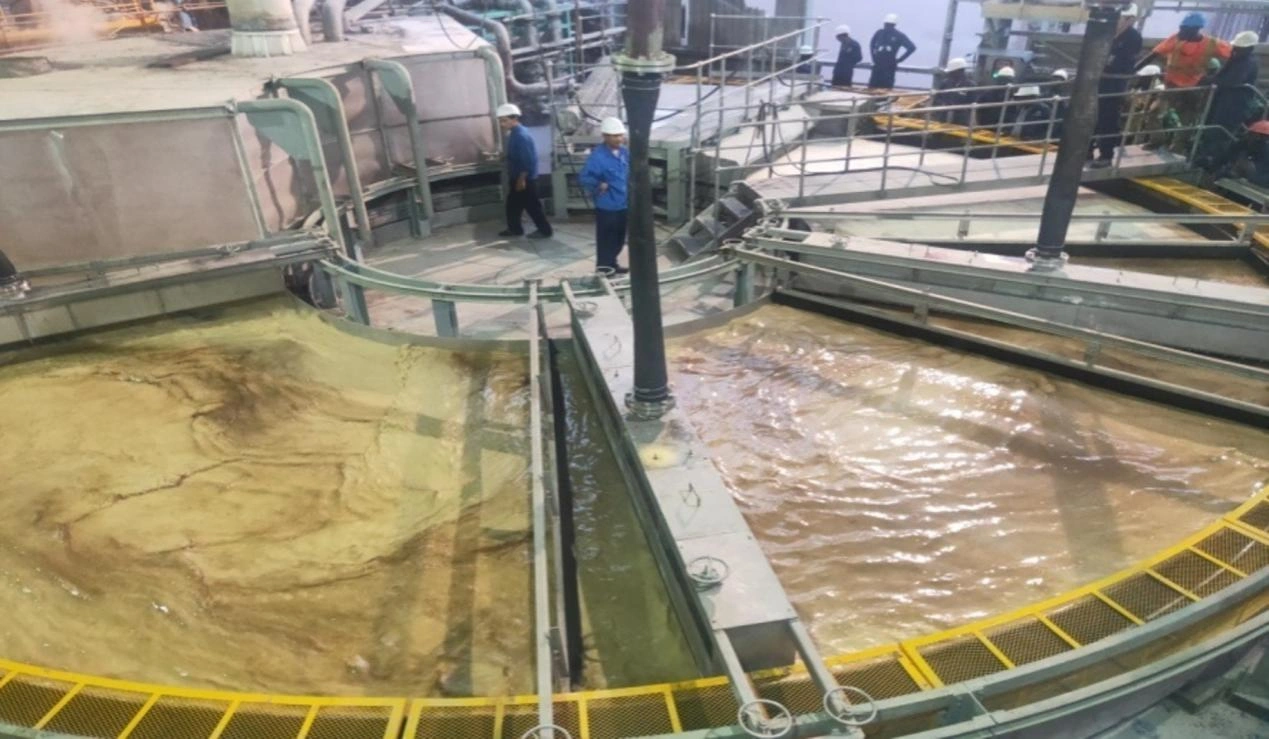
- Tây Á: Một Bộ lọc chân không bàn quay 80 m² đã được thực hiện thành công cho dòng axit phosphoric 80 kt / một của Công ty Kimia Daran Kavir, chứng minh hiệu suất đáng tin cậy với các quặng phốt phat khu vực.
- BrazilCOPEBRAS, một công ty con Anh Mỹ, sử dụng một Bộ lọc chân không bàn quay 80 m² trong nhà máy axit phosphoric 80 kt / một, chứng minh khả năng thích ứng mạnh mẽ với môi trường hoạt động Nam Mỹ.
Các nghiên cứu trường hợp quốc tế này nhấn mạnh lý do tại sao nhiều nâng cấp nhà máy phốt phat đang chuyển sang công nghệ lọc chân không bàn quay để có hiệu suất đáng tin cậy, dài hạn trên các loại quặng đa dạng và điều kiện môi trường.
Kết luận
Nâng cấp lên bộ lọc chân không bàn quay có hiệu quả giải quyết quy mô thạch thạch, giảm thiểu mất phốt pho và giảm yêu cầu bảo trì. Công nghệ lọc tiên tiến này tăng cường công suất nhà máy, hiệu quả hoạt động và lợi nhuận đầu tư tổng thể. Liên hệ NHD tại sales@chinanhd.com hoặc qua WhatsApp 86 13667324277 cho bộ lọc chân không bàn quay chất lượng cao để biến đổi nhà máy axit quy trình ướt của bạn.
Câu hỏi thường gặp
Q: Tại sao bộ lọc chân không bàn quay là tốt nhất cho lọc thạch thạch?
A: Thiết kế hút xuống của nó, dốc dốc hơn và xả xoắn ốc loại bỏ bánh sạch sẽ và nhanh chóng. Điều này giữ cho tổn thất phốt pho thấp và hỗ trợ rửa nhiều giai đoạn hiệu quả - lợi thế mà bộ lọc chảo nghiêng không thể phù hợp nhất quán trong các nhà máy axit phốt pho.
Q: Bộ lọc chân không bàn quay giúp nâng cấp nhà máy như thế nào?
A: Chúng làm tăng diện tích lọc tích cực, tăng thông lượng bùn và cải thiện sự ổn định của hệ thống. Nhiều nhà máy nâng cấp từ bộ lọc chảo nghiêng sang bộ lọc chân không bàn quay và thấy sự tăng trưởng ngay lập tức về công suất và khả năng thích ứng quặng trong khi giữ chất lượng thạch thạch trong giới hạn chặt chẽ.
Q: Thiết bị lọc nào giảm thiểu tổn thất sản phẩm trong sản xuất axit phosphoric trong quá trình ướt?
A: Một bộ lọc chân không bàn quay được thiết kế tốt, hoặc bộ lọc chân không bàn, nổi bật. Ít rò rỉ hơn, tái tạo vải tốt hơn và phân phối bùn chính xác cắt giảm tổn thất phốt pho hòa tan và đồng tinh thể so với thiết bị lọc cũ hơn.