
 Vietnamese
  English
  French
  Spanish
  Russian
  Arabic
  Portuguese
  Indonesian
  German
  Turkish
  Persian
  中文
中文 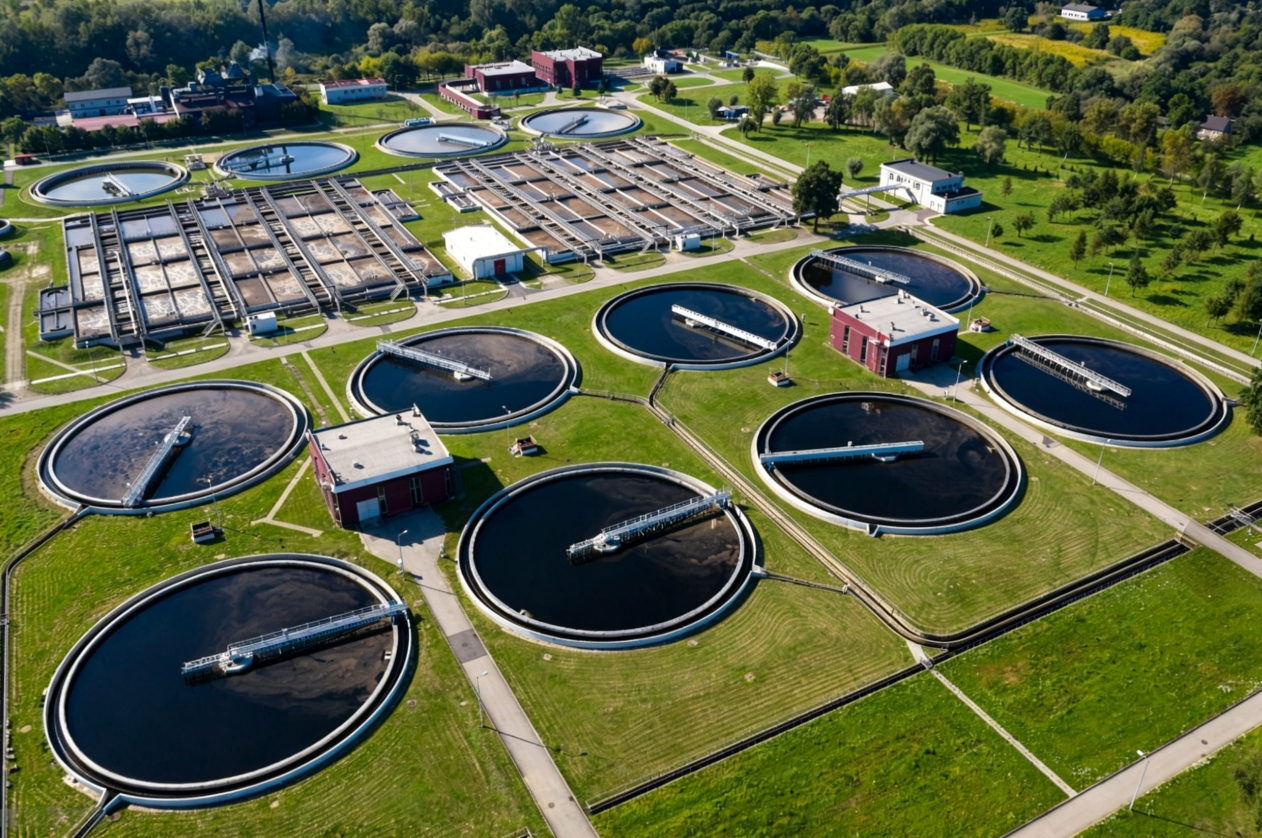 Sự thiếu hụt nước không còn chỉ là một chủ đề cho các nhà môi trường. Khi chúng ta tiếp cận Ngày Trái Đất 2026, các ngành công nghiệp nặng phải đối mặt với một thách thức tài chính và pháp lý rất thực sự. Chính phủ đang thắt chặt giới hạn sử dụng nước, và các nhà máy cần nước ngọt cho công việc hàng ngày đang trả hóa đơn cao hơn. Đổ nước thải công nghiệp vào các ao hấp dẫn lớn, di chuyển chậm tốn quá nhiều tiền và sử dụng quá nhiều đất.
Để đáp ứng các mục tiêu tái chế nước năm 2026, các ngành công nghiệp phải thay thế các bể chậm định cư bằng chất làm dày tốc độ cao. Nó nên bao gồm cảm biến thông minh và ổ đĩa cơ học mạnh mẽ để tách rác thải và tái chế nước trong suốt. Nếu nhà máy của bạn vẫn phải vật lộn với tràn ngập đám mây hoặc bùn mỏng, nước, bạn đang vứt bỏ cả nước và lợi nhuận. Hướng dẫn này giải thích cách máy móc hiện đại biến chất thải lỏng trở lại thành nước có thể sử dụng, giúp bạn đưa ra quyết định nâng cấp thông minh.
Thực tế cốt lõi đằng sau quá trình làm dày bùn
Trước khi mua máy móc mới, bạn cần hiểu những gì thực sự xảy ra bên trong bể. Quá trình làm dày bùn không chỉ là một vấn đề đơn giản để bùn chìm xuống đáy. Một môi trường vật lý khắc nghiệt, hỗn loạn nơi các vật liệu rắn nặng liên tục chiến đấu chống lại trọng lực và các bộ phận cơ học.
Giải quyết mật độ underflow thấp
Khi một nhà máy phàn nàn về một chất làm dày để định cư, vấn đề thường là mật độ dòng chảy thấp. Điều này có nghĩa là bùn ra khỏi đáy vẫn chứa quá nhiều nước.
Bơm bùn nước vào máy ép lọc lãng phí điện và làm chậm đáng kể toàn bộ dây chuyền sản xuất của bạn. Nâng cấp thiết kế bể để nén bùn dưới lực lượng trọng lượng của riêng nó bị mắc kẹt nước lên. Để dòng chảy dưới đến một độ nhất quán dày, giống như dán là bước đầu tiên để cắt giảm chi phí xử lý chất thải của bạn một nửa.
Ngăn ngừa biến dạng Rake và chuyến đi xe hơi
Các chất rắn nặng như quặng kim loại và bùn đỏ không hành xử tốt. Nếu bùn trở nên quá dày quá nhanh, nó hành xử như bê tông ẩm ướt, tươi đổ.
Các cánh tay cơ học - được gọi là rakes - cố gắng đẩy bùn này sẽ uốn cong, phá vỡ hoặc khiến động cơ lái động bị vỡ và tắt. Một sự đóng cửa đột ngột có nghĩa là toàn bộ nhà máy xử lý của bạn dừng lại. Một chiếc ráp bị hỏng có thể khiến một công ty mất hàng chục ngàn đô la trong thời gian sản xuất và sửa chữa khẩn cấp. Bạn cần thiết bị cảm nhận được mối nguy hiểm này trước khi nó xảy ra.
Các chỉ số hiệu suất cốt lõi cho hiệu suất dày hơn
Làm thế nào bạn có thể xác minh rằng bể đang hoạt động theo thông số kỹ thuật thiết kế của nó? Bạn theo dõi hai số liệu chính.
Đầu tiên là sự rõ ràng tràn ngập. Nước tràn trên đỉnh phải đủ sạch để gửi ngay trở lại ống nhà máy của bạn mà không tắc nghẽn chúng. Thứ hai là nồng độ dưới dòng chảy, cho bạn biết bùn đáy khô như thế nào. Nếu bạn đạt các con số mục tiêu cho cả hai, hiệu quả trầm tích của bạn chính xác là nơi cần thiết.
Làm thế nào High-Rate Thickener hoạt động
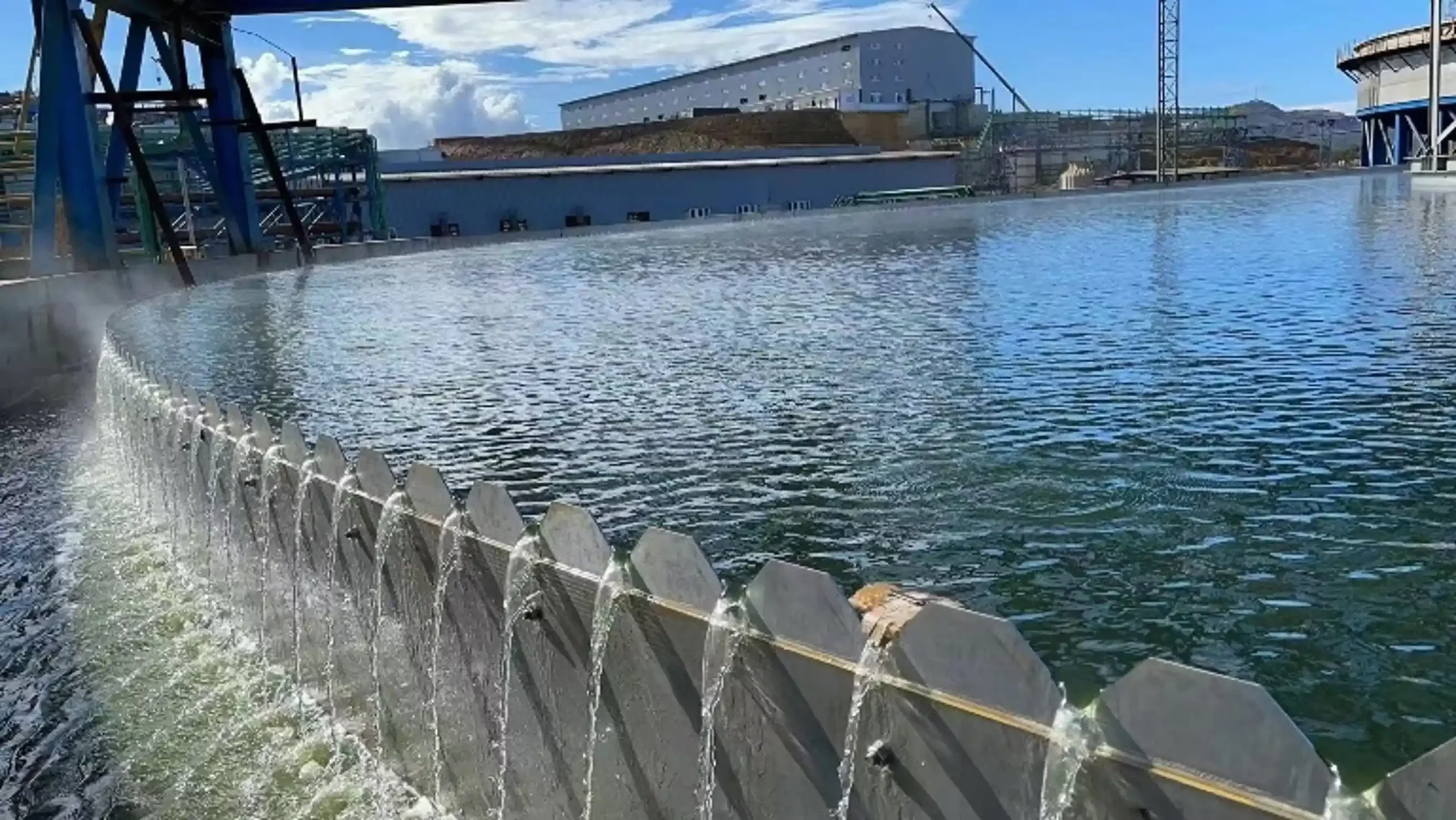
Hiểu cơ chế làm dày giúp bạn hiểu tại sao các thiết kế hiện đại dễ dàng đánh bại các bể hấp dẫn bê tông cũ. Một bộ làm dày tốc độ cao thực sự kết hợp sức mạnh cơ học mạnh mẽ với công nghệ thông minh để tăng tốc tách. Hệ thống cải thiện tốc độ lọc để phục hồi nước sạch và loại bỏ bùn dày qua đầu ra dưới.
Hệ thống lái mô-men xoắn đầu ra cao
Trọng tâm của máy là hệ thống lái xe. Khi đối phó với hàng tấn trầm tích nặng, một động cơ yếu sẽ thất bại.
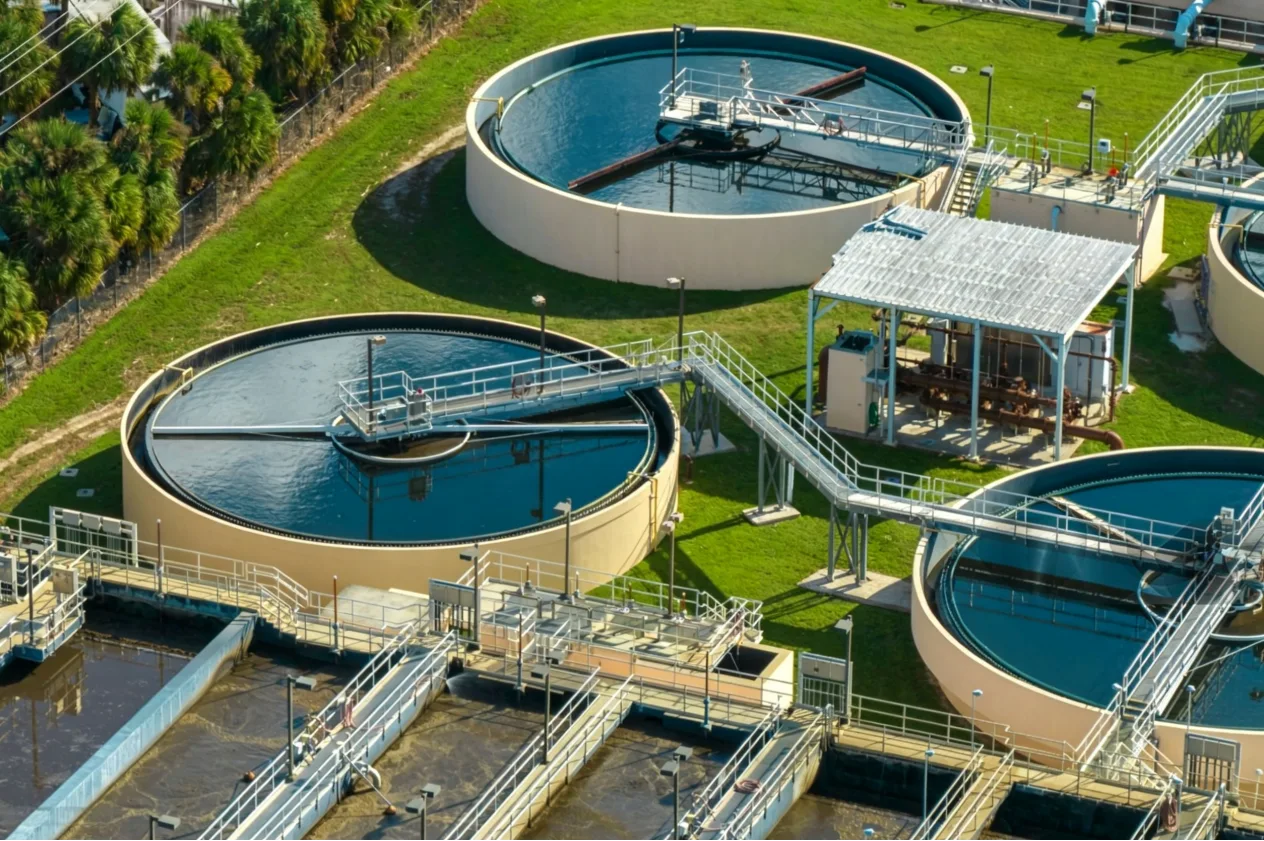
Thiết bị hàng đầu, như NHD chất làm dày tốc độ caosử dụng hệ thống đa ổ đĩa. Nó có vòng bi quay nặng và bôi trơn tắm. Thiết lập này cung cấp mô-men xoắn lớn để giữ cho rakes quay qua vật liệu dày, dính. Bằng cách phân tán tải vật lý trên nhiều ổ đĩa, máy tránh sự hỏng đột ngột phổ biến trong các thiết kế cũ, động cơ đơn.
Giám sát nâng cao & Kiểm soát vòng kín
Bạn không thể sửa chữa những gì bạn không thể nhìn thấy. Ngày nay, kiểm tra thủ công quá chậm. Máy hàng đầu giao diện trực tiếp với nhà máy của bạn’ Hệ thống điều khiển phân tán (DCS) để giám sát 24/7.
Ví dụ, NHD dày tốc độ cao, kết hợp công nghệ do Anh phát triển, sử dụng cảm biến siêu âm để đo mức bùn dưới nước tối với độ chính xác đáng kinh ngạc. Một hệ thống hiển thị theo dõi mô-men xoắn liên tục theo dõi căng thẳng trên rakes. Nếu bùn trở nên quá dày, hệ thống sẽ phát ra báo động hoặc tự động nâng rakes để tiết kiệm động cơ.
Động lực chất lỏng dựa trên khoa học
Một bể bình thường chỉ giữ nước. Một chất làm dày tốc độ cao tích cực thay đổi hành vi của nước. Sự khác biệt này bắt đầu từ chính cấu trúc.
Hình dạng của xe tăng quan trọng. Một thiết kế nón sâu tạo ra một giường bùn sâu hơn ở đáy. Trọng lượng tuyệt đối của giường bùn sâu này nghiền nát các lớp dưới, ép ra các giọt nước cuối cùng. Mẹo vật lý đơn giản này làm cho chất rắn đóng gói chặt chẽ, cho bạn chất thải khô hơn nhiều mà không cần thêm điện.
Cải thiện hiệu quả trầm tích trong các ngành công nghiệp nặng
Các vật liệu khác nhau hành vi hoàn toàn khác nhau trong nước. Những gì hoạt động cho bụi than nhẹ sẽ thất bại một cách khốn khổ với các quặng kim loại nặng. Cải thiện hiệu quả trầm tích có nghĩa là chọn thiết kế máy phù hợp cho nguyên liệu thô của bạn.
Xử lý Alumina và bùn đỏ dính
Ngành công nghiệp alumina sản xuất bùn đỏ, nổi tiếng vì cực kỳ dính dán và rất kiềm. Nó dính vào kim loại và phá hủy các bộ phận tiêu chuẩn. Một nhà sản xuất chất làm dày đáng tin cậy biết rằng bùn đỏ đòi hỏi mô-men xoắn lớn và thiết kế máy cạo đặc biệt. Thiết bị phải cạo tường sạch trong khi chống lại các cuộc tấn công hóa học nghiêm trọng năm sau năm.
Quản lý chuẩn bị than và lợi ích kim loại
Trong các mỏ kim loại như niken, coban và vàng, khối lượng bùn là rất lớn. Chúng ta thường thấy các xe tăng khổng lồ từ 32 đến 55 mét xử lý hàng ngàn tấn đá mỗi ngày.
Bùn ở đây nặng và mài mòn. Các bộ phận kim loại chạm vào bùn phải đủ cứng để chịu được mài liên tục. Tách biệt hiệu quả ở đây có nghĩa là tiết kiệm hàng triệu gallon nước ở các khu vực xa xôi nơi nước ngọt khó tìm thấy.
Nâng cấp xử lý nước thải và hóa chất phốt pho
Sản xuất phốt pho liên quan đến axit ăn mòn cao. Bể thép carbon tiêu chuẩn sẽ rỉ sét và rò rỉ trong vòng vài tháng. Để xử lý điều này, thiết bị tách rắn-lỏng phải sử dụng vật liệu chất lượng cao. Sử dụng thép không gỉ đặc biệt hoặc thép hai pha. Trong xử lý nước thải, thách thức khác nhau; chất thải có hoạt động sinh học và mùi. Máy cần trộn hóa chất cẩn thận để làm cho các hạt ánh sáng này cụm lại với nhau và rơi xuống đáy.
Làm thế nào để Chọn đúng Thickener
Mua máy móc công nghiệp là một cam kết 15 đến 20 năm cho nhà máy của bạn. Bạn không thể đoán và hy vọng điều tốt nhất. Khi xem xét các nhà sản xuất chất làm dày, bỏ qua brochure bán hàng và tập trung vào các sự kiện kỹ thuật quan trọng.
- Đánh giá cơ chế lái xe:Tìm một hệ thống mô-men xoắn đầu ra cao. Các cấu hình đa ổ cung cấp biên an toàn tốt hơn so với ổ đĩa đơn. Hỏi cách máy tự bảo vệ mình nếu bùn đột nhiên cứng.
- Kiểm tra mức độ tự động hóa:Bây giờ dữ liệu thời gian thực là bắt buộc. Hãy chắc chắn rằng thiết bị có cảm biến mức bùn siêu âm và màn hình mô-men xoắn động. Nó phải kết nối với phòng điều khiển chính của bạn một cách liền mạch.
- Đánh giá thiết kế Feedwell:Trung tâm là nơi mà phép thuật xảy ra. Nó nên trộn nước bẩn vào với các hóa chất trơn tru. Một nguồn cung cấp tốt làm giảm sự biến động của nước, để cho các chất rắn giảm xuống đáy nhanh chóng.
- Kiểm tra kỷ lục theo dõi toàn cầu:Kinh nghiệm quan trọng. Tìm một nhà sản xuất chất làm dày với nhiều thập kỷ lịch sử và các trường hợp đã được chứng minh. Ví dụ, NHD có 33 năm kinh nghiệm và thành công mega-dự án trên khắp Indonesia, Úc và DRC. Bằng chứng thế giới thực là sự đảm bảo tốt nhất của bạn.
Kết luận
Với Ngày Trái Đất 2026 đặt ra một thời hạn vững chắc cho các mục tiêu bền vững toàn cầu, các ngành công nghiệp không còn có thể dựa vào các bể định cư lỗi thời, lãng phí nước. Bỏ qua sự thay đổi này sẽ chỉ dẫn đến chi phí vận hành cao hơn và hình phạt môi trường nặng nề.
NHD cung cấp bộ làm dày tốc độ cao thông minh, tự động theo dõi mô-men xoắn và mức bùn trong thời gian thực để tối đa hóa phục hồi nước và ngăn chặn thời gian ngừng hoạt động tốn kém.
Nếu nhà máy của bạn sẵn sàng cắt giảm chất thải và thúc đẩy tái chế nước sạch, đã đến lúc nâng cấp. Liên hệ với chúng tôi hôm nay tại sales@chinanhd.com hoặc qua WhatsApp 86 1366732427 để thảo luận về một giải pháp tùy chỉnh cho điều kiện vật liệu chính xác của bạn.
Câu hỏi thường gặp
Q: Các chỉ số hiệu suất cốt lõi để đánh giá hiệu suất làm dày là gì?
A: Bạn nên theo dõi chặt chẽ độ rõ ràng của nước tràn ngập ở trên cùng và nồng độ bùn dưới dòng chảy ở dưới cùng.
Q: Cảm biến siêu âm có thể đo mật độ hiệu quả trong môi trường bùn hỗn loạn hoặc mờ mờ cao không?
A: Vâng. Cảm biến siêu âm tiên tiến cắt qua nước tối, mờ mờ để phát hiện chính xác mức giường bùn ẩn trong thời gian thực.
Q: Tại sao hình học nón sâu vượt trội cho nén dưới dòng so với thiết kế đáy phẳng truyền thống?
A: Một nón sâu sử dụng trọng lực để xếp chồng một cột bùn cao hơn. Trọng lượng phụ này thể chất ép thêm nước ra.