
 Vietnamese
  English
  French
  Spanish
  Russian
  Arabic
  Portuguese
  Indonesian
  German
  Turkish
  Persian
  中文
中文 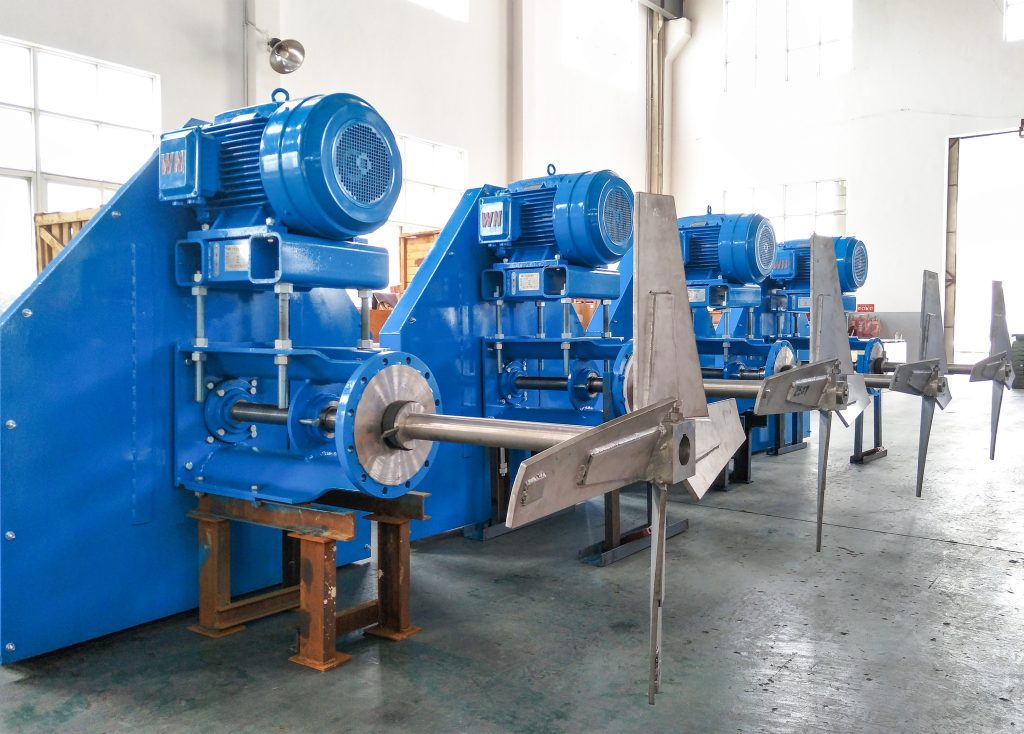 Chọn máy khuấy động chính xác bắt đầu bằng cách hiểu cách các thiết kế khác nhau ảnh hưởng đến hoạt động thực tế của nhà máy. Trong trộn hóa chất, chất khuấy động vượt xa việc chỉ đơn giản khuấy chất lỏng. Chúng định hình đường tuần hoàn, giữ chất rắn tại chỗ, hỗ trợ trao đổi nhiệt, thúc đẩy phản ứng thậm chí, nhu cầu năng lượng thấp hơn và cải thiện độ vững chắc thiết bị. Đối với những người điều hành nhà máy, lựa chọn lý tưởng hiếm khi là một trong những người có sức mạnh nhất. Thay vào đó, nó là bộ khuấy động phù hợp với các tính năng chất, kích thước container, mục tiêu nhiệm vụ và yêu cầu chăm sóc.
Vai trò của các chất khuấy động trong trộn hóa chất hiện đại
Máy khuấy động hoạt động như các yếu tố chính trong máy móc hóa học hiện tại. Họ đảm bảo rằng các nhiệm vụ pha trộn đạt được kết quả vững chắc và đồng nhất. Các thiết bị này giữ một vị trí quan trọng trong việc giữ cho phản ứng ổn định và nâng cao tiêu chuẩn sản phẩm.
Hiểu chức năng của một máy khuấy động trong các quy trình hóa học
Các chất kích động chứng minh là rất quan trọng để có được sự pha trộn, chuyển động nhiệt và quản lý phản ứng. Họ cải thiện tỷ lệ dòng chảy khối lượng bằng cách bảo tồn sự giống nhau trong các thiết lập chất lỏng, và họ cung cấp các tiêu chuẩn sản phẩm đáng tin cậy và sự ổn định của nhiệm vụ. Phương pháp khuấy khá liên quan, vì vậy thử nghiệm quy mô nhỏ có giá trị lớn. Tuy nhiên, kết quả phòng thí nghiệm không phải lúc nào cũng chuyển trực tiếp đến các bể lớn hơn vì hình học bể, hành vi chất lỏng, đầu vào năng lượng và các mô hình dòng chảy có thể thay đổi trong quá trình mở rộng. Khi các nhóm mở rộng tất cả những hiểu biết và con số để sản xuất quy mô đầy đủ, những bất ngờ có thể xuất hiện. Ví dụ bao gồm sự phù hợp kém giữa xe tăng và máy khuấy động, lãng phí năng lượng và giảm sản lượng. Các vấn đề như vậy nhấn mạnh nhu cầu lập kế hoạch chính xác và kích thước của máy khuấy động để đạt được thành tựu nhà máy.
Các ứng dụng chính của máy khuấy động trong ngành công nghiệp hóa chất
Máy khuấy phục vụ các mục đích phổ biến như kết hợp chất lỏng, phá vỡ chất rắn, lây lan khí thông qua chất lỏng và giữ cho các hạt trôi nổi. Chúng xuất hiện trong lò phản ứng, máy tinh thể, máy lên men và bể lưu trữ, hỗ trợ cả dòng chảy đơn lô và ổn định. Ví dụ, máy khuấy động đầu vào bên phù hợp với bể chứa chất lỏng lớn và bể chứa dầu. Sử dụng năng lượng của nó chỉ là một phần ba đến hai phần ba của một bộ khuấy động trung tâm cho các bể lớn hơn 1000 m³, đạt được kết quả trộn ngang nhau. Do đó, chúng phù hợp hoàn hảo với các thiết lập nhà máy lớn nơi cắt giảm năng lượng rất quan trọng.
Tiến bộ công nghệ thúc đẩy thiết kế máy khuấy động vào năm 2026
Hôm nay’ Kế hoạch kích động kết hợp các phương pháp mô phỏng mới và các công cụ thông minh để giải quyết các yêu cầu nhà máy thay đổi một cách trơn tru.
Sự đổi mới trong thiết kế cánh quạt và hình học
Hình dạng cánh quạt gần đây đã xuất hiện để tăng cường tuần hoàn trong khi cắt điện hút. Động lực chất lỏng tính toán (CFD) giúp các chuyên gia mô hình các kịch bản khuấy chính xác trên độ dày khác nhau. NHD bao gồm nghiên cứu chi tiết về mối liên hệ giữa các vùng dòng chảy 3D và năng lượng khuấy, cung cấp các lời khuyên thực tế cho việc lập kế hoạch và sử dụng máy khuấy. Phương pháp này xác nhận rằng mỗi hình dạng cánh quạt cung cấp kết quả đỉnh cao trong môi trường nhiệm vụ nhất định. Ngoài ra, thiết lập cánh quạt có thể điều chỉnh cho phép chuyển đổi dễ dàng cho các công việc hóa học đa dạng mà không cần sửa chữa các đơn vị đầy đủ.
Tích hợp hệ thống điều khiển thông minh
Cảm biến được kết nối thông qua IoT trong bộ khuấy động được cập nhật cho phép kiểm tra ngay lập tức về mô-men xoắn, run và kết hợp thành công. Các thói quen bảo trì hướng tới tương lai làm giảm sự tạm dừng bằng cách sớm bắt được các mô hình bất thường. Tốc độ tự điều chỉnh thông qua ổ đĩa tần số biến (VFD) tinh chỉnh công việc giữa các tải thay đổi, tăng cường an toàn nhiệm vụ và tiết kiệm năng lượng dọc theo dây chuyền lắp ráp.
Yếu tố cần xem xét khi lựa chọn một máy khuấy động để trộn hóa chất
Chọn chất khuấy động phù hợp đòi hỏi nắm bắt các đặc điểm chất và chi tiết bố trí ảnh hưởng đến kết quả.
Đặc điểm quy trình và đặc tính vật liệu
Độ dày, khối lượng, pha trộn và mức độ thận trọng cắt cần đánh giá trước khi chọn loại máy khuấy động. Đối với các bể lưu trữ lớn, một máy khuấy động đầu vào bên có thể hỗ trợ pha trộn hiệu quả với sử dụng năng lượng thấp hơn. Đối với chế biến bùn hoặc khoáng chất, máy khuấy động nên giữ các chất rắn bị treo và nồng độ được phân phối bình đẳng. Nếu vật liệu chứa tinh thể mỏng manh, polymer hoặc chất rắn nhạy cảm với cắt, thiết kế dòng chảy trục cắt thấp có thể làm giảm thiệt hại hạt. Trong điều kiện ăn mòn hoặc dễ mòn, lựa chọn vật liệu cũng quan trọng cho tuổi thọ lâu dài.
Thông số thiết kế và cấu hình bể

Hình dạng container ảnh hưởng mạnh mẽ đến dòng chảy bên trong trong các hoạt động pha trộn. Phù hợp buffles ngăn chặn xoáy xoáy từ hình thành, và xoáy xoáy tốt hơn lan rộng trong người giữ. Đối với các bể phản ứng PA, NHD đồng hiện tại agitator cho thấy tại sao hướng dòng chảy và vị trí lưỡi quan trọng: lực của nó di chuyển gần như theo cùng một hướng như dòng chảy chất lỏng, trong khi lưỡi nhỏ hơn và dòng chảy chậm hơn giúp giảm thiệt hại tường bể. Loại phù hợp này giữa cấu trúc bể, thiết kế cánh quạt và dòng chảy quy trình giúp chuyển năng lượng hiệu quả hơn từ hệ thống truyền động sang chất lỏng và hỗ trợ trộn ổn định hơn trên khắp tàu.
Những cân nhắc về hiệu quả năng lượng và bền vững
Với các thực tiễn xanh đạt được sân khấu trung tâm trong các lĩnh vực khác nhau, các nhà sản xuất căng thẳng các thiết lập khuấy tiết kiệm năng lượng hạn chế dư thừa trong khi tăng dòng chảy.
Giảm tiêu thụ điện thông qua thiết kế trộn hiệu quả
Tỷ lệ cánh quạt-container được cải thiện làm giảm các xoáy không cần thiết trong khi duy trì các điểm dòng chảy hữu ích bên trong người giữ. Các ổ đĩa tần số biến (VFD) thay đổi tốc độ động cơ khi bay trong thời gian chậm hơn để tiết kiệm năng lượng, tất cả mà không gây hại cho các tiêu chuẩn sản phẩm hoặc mức độ đồng đều.
Vật liệu bền vững và thực hành sản xuất
Các nhà sản xuất thường chọn các kim loại có thể tái sử dụng như thép không gỉ hoặc nhôm hỗn hợp cho các nhiệm vụ kéo dài. Dầu bôi trơn xanh cũng làm giảm tác hại môi trường trong giai đoạn hoạt động bằng cách chặn các nguy cơ ô nhiễm liên quan đến dầu tiêu chuẩn.
An toàn, tuân thủ và bảo trì khía cạnh của máy khuấy động hiện đại
Tuân thủ các quy tắc an toàn vẫn rất quan trọng khi lắp đặt máy khuấy vào các địa điểm hóa chất dưới hệ thống giám sát công ty.
Đảm bảo tuân thủ các tiêu chuẩn và quy định công nghiệp
Việc tuân thủ các hướng dẫn ASME, API hoặc ISO đảm bảo sự vững chắc của cấu trúc trong mọi giai đoạn làm việc. Động cơ chống nổ trở nên cần thiết để quản lý an toàn các chất không ổn định trong các bộ giữ kín hoặc các khu vực có nguy cơ cháy.
Chiến lược bảo trì cho độ tin cậy dài hạn
Đánh giá tiêu chuẩn phát hiện các dấu hiệu thiệt hại ban đầu trên vòng bi hoặc niêm phong trước lỗi nghiêm trọng, do đó hạn chế việc dừng đắt tiền trong đường đi đầu ra. Các thiết lập đồng hồ theo trạng thái dự đoán các vấn đề về bộ phận thông qua đánh giá rung liên kết với cảm biến dòng chảy nhiệt được tích hợp vào các đơn vị bảng điều khiển.
Xu hướng tương lai ảnh hưởng đến lựa chọn máy khuấy động sau năm 2026
Các phương pháp pha trộn hóa chất sắp tới sẽ phụ thuộc nhiều vào kỹ thuật số hóa kết hợp với các câu trả lời xây dựng tùy chỉnh phù hợp với các nhiệm vụ độc đáo.
Số hóa và phân tích dữ liệu trong các hoạt động trộn
Các đánh giá dữ liệu được hướng dẫn bởi AI điều chỉnh các yếu tố pha trộn bằng cách sử dụng dữ liệu trong quá khứ thu thập được từ các lần chạy trước đó. Cặp song sinh kỹ thuật số mô hình thiết lập nhiệm vụ trong không gian ảo, cho phép các chuyên gia đánh bóng chi tiết trước khi thiết lập thực sự diễn ra.
Tùy chỉnh cho các quy trình hóa học chuyên ngành
Cài đặt tùy chỉnh đang trở nên quan trọng hơn khi các nhà máy hóa chất xử lý vật liệu chuyên dụng hơn và yêu cầu quy trình nghiêm ngặt hơn. Polymerization độ nhớt cao, phân tán khí-chất lỏng, bùn treo và phản ứng nhạy cảm với nhiệt có thể không hoạt động tốt với thiết kế máy khuấy động tiêu chuẩn. Trong những trường hợp này, hình dạng lưỡi, mô hình dòng chảy, chiều dài trục, lựa chọn vật liệu và đầu vào công suất cần được điều chỉnh xung quanh quá trình thực tế. Một thiết kế tùy chỉnh có thể cải thiện chuyển khối lượng, giảm các vùng chết, kiểm soát cắt và hỗ trợ sản xuất ổn định hơn sau năm 2026.
Câu hỏi thường gặp
Q1: Những yếu tố nào nên được ưu tiên khi lựa chọn một bộ khuấy động cho chế biến hóa chất?
A1: Các kỹ sư nên đánh giá mức độ nhớt, hình học bể, khả năng tương thích vật liệu, mô hình dòng chảy cần thiết và cường độ cắt mong muốn trước khi hoàn thành lựa chọn của họ.
Q2: Làm thế nào công nghệ hiện đại cải thiện hiệu suất máy khuấy động?
A2: Các công nghệ như mô hình CFD và giám sát dựa trên IoT nâng cao độ chính xác bằng cách cho phép điều chỉnh thời gian thực duy trì sự trộn trộn hiệu quả trong khi giảm tiêu thụ năng lượng tổng thể.
Q3: Công ty nào cung cấp máy khuấy động công nghiệp đáng tin cậy?
A3: NHD cung cấp các mô hình tiên tiến như Máy khuấy động đầu vào bên và Variable Cross-section & Obliquity Agitators kết hợp hiệu quả năng lượng vượt trội với độ tin cậy được chứng minh trên các lĩnh vực hóa học đa dạng trên toàn thế giới.