
 Vietnamese
  English
  French
  Spanish
  Russian
  Arabic
  Portuguese
  Indonesian
  German
  Turkish
  Persian
  中文
中文 Năm 2026, các dự án khai thác mỏ đang phải đối mặt với những yêu cầu khắt khe hơn về việc xử lý chất thải quặng, thu hồi nước và kiểm soát rủi ro môi trường dài hạn. Đối với các nhà máy chế biến khoáng sản mới, thiết bị làm đặc và ép lọc tiên tiến có thể giúp biến bùn thải có hàm lượng nước cao thành vật liệu dễ quản lý hơn để chất đống khô hoặc lấp đầy. Điều này giúp việc xử lý chất thải quặng trở thành một phần cốt lõi trong kế hoạch dự án, chứ không phải là vấn đề bị bỏ lại sau này.
Từ các cơ sở xử lý chất thải quặng đến các yêu cầu cốt lõi của dự án
Các cơ sở xử lý chất thải quặng đang trở nên thiết yếu để dự án được phê duyệt.
Các hồ chứa chất thải khai thác mỏ truyền thống đang đối mặt với một số thách thức, bao gồm các vấn đề về an toàn và hạn chế sử dụng đất. Những sự cố vỡ đập chứa chất thải gần đây đã dẫn đến việc tăng cường giám sát và áp dụng các giải pháp thay thế an toàn hơn cho việc quản lý chất thải. Các phương pháp như chất đống khô và lấp đầy đang trở nên phổ biến hơn vì chúng cho phép ngừng hoạt động các hồ chứa lớn và cho phép phục hồi đất đai một cách dần dần.
Khi các dự án khai thác mỏ tiến triển qua các giai đoạn phát triển, một kế hoạch toàn diện cho việc xử lý chất thải quặng là điều cần thiết để dự án được phê duyệt. Nhiều khu vực pháp lý đã chính thức hóa các yêu cầu trong khuôn khổ pháp lý, đòi hỏi phải thiết kế đánh giá tác động môi trường của chất thải quặng ngay từ giai đoạn đầu của dự án, điều này rất quan trọng đối với sự phát triển.
Xử lý chất thải quặng đã trở thành một yêu cầu cốt lõi của dự án.
Luật môi trường ngày càng nghiêm ngặt trên toàn cầu đã biến việc quản lý chất thải quặng thành một thành phần cốt lõi trong thiết kế và vận hành mỏ, với trọng tâm là giảm thiểu tác động tiêu cực đồng thời tối đa hóa việc thu hồi nước thải để tái sử dụng. Sự chuyển hướng trọng tâm sang các hoạt động bền vững và các quy định môi trường nghiêm ngặt đã dẫn đến việc quản lý chất thải quặng trở thành mối quan tâm của tất cả các bên liên quan, bao gồm các nhà đầu tư mỏ, cơ quan quản lý và cộng đồng địa phương.
Phương pháp phổ biến và hoàn thiện nhất được sử dụng trong hoạt động khai thác mỏ hiện đại là... làm dày cô đặc kết hợp với ép lọc Phương pháp tách nước. Đây là một quy trình rất hiệu quả trong việc chuyển đổi bùn thải loãng thành vật liệu khô và đậm đặc, có thể được lưu trữ hoặc sử dụng để lấp đầy.
Quy trình làm đặc + ép lọc hoạt động như thế nào?
Quá trình bắt đầu bằng việc đưa hỗn hợp bùn thải vào hệ thống xử lý. Sau đó, hỗn hợp này được xử lý để tách chất rắn khỏi chất lỏng một cách hiệu quả, đồng thời thu hồi càng nhiều nước càng tốt để tái sử dụng.
Bùn thải đi vào hệ thống xử lý
Các hạt mịn trong hỗn hợp bùn được xử lý trong một bể, nơi chất keo tụ được thêm vào để làm cho các hạt kết tụ lại thành các cụm lớn hơn.
Thiết bị làm đặc giúp cô đặc hỗn hợp chất thải.
Trong bước xử lý này, thiết bị lắng trọng lực gọi là thiết bị làm đặc được sử dụng để tăng nồng độ chất rắn bằng cách lắng đọng các hạt. Thiết bị làm đặc là thiết bị lắng trọng lực dùng để tách hỗn hợp lỏng-rắn có pha đồng nhất và thường được sử dụng trong các ngành công nghiệp như nhà máy chế biến khoáng sản. Tại đây, các khoáng chất mịn được tách ra khỏi nước bằng thiết bị làm đặc. Đối với quá trình lọc tiếp theo, các mô hình tiên tiến như... NHD’Các bộ phận làm đặc được sử dụng. Những mô hình này đạt được tỷ lệ nén cao và mật độ dòng chảy đáy không đổi.
Máy ép lọc tiếp tục tách nước khỏi hỗn hợp bùn đặc.
Sau khi làm đặc thêm phần cặn lắng, nó được đưa đến máy ép lọc, nơi áp suất cơ học ép lượng nước còn lại ra khỏi bùn. Trong quá trình này, một bánh lọc rắn được tạo ra với hàm lượng nước dư thấp.
Vật liệu cuối cùng được đưa đi chất đống khô hoặc lấp đầy.
Bã bánh thu được có thể được vận chuyển trực tiếp đến cơ sở chứa khô hoặc trộn với chất kết dính để sử dụng làm vật liệu lấp đầy dưới lòng đất. Phương pháp xử lý này mang lại lợi ích đáng kể cho môi trường đồng thời cải thiện an toàn cho nhân viên vận hành.
Vì sao thiết bị làm đặc và ép lọc là một hướng đi đã được hoàn thiện.
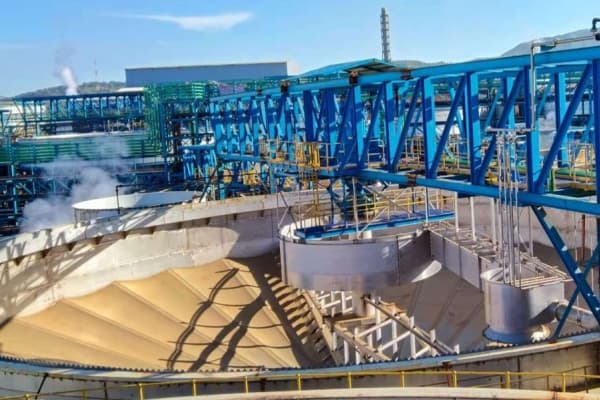
Thiết bị làm đặc và máy ép lọc tạo ra quy trình khử nước hai bước rõ ràng: làm đặc trước, khử nước sâu sau. Thiết bị làm đặc loại bỏ một phần nước khỏi bùn thải loãng và tạo ra dòng chảy đáy có mật độ cao hơn, giúp giảm tải cho thiết bị lọc ở phía sau. Sau đó, máy ép lọc tiếp tục khử nước bùn đã được làm đặc và biến nó thành bánh lọc có độ ẩm thấp. Bánh lọc này dễ vận chuyển, xếp chồng, lưu trữ hoặc chuẩn bị để lấp đầy dưới lòng đất.
Quá trình kết hợp này cũng hỗ trợ việc thu hồi nước. Nước tràn đã được làm sạch từ bể làm đặc có thể được đưa trở lại mạch xử lý, trong khi máy ép lọc làm giảm lượng nước đi vào khu vực xử lý chất thải cuối cùng. Đối với các dự án khai thác mỏ, điều này làm cho thiết bị bể làm đặc và máy ép lọc trở thành một giải pháp thiết thực cho việc chất đống khô, lấp đầy và quản lý chất thải sạch hơn.
Các yếu tố quan trọng cần xem xét khi lựa chọn thiết bị tách nước quặng đuôi
Việc lựa chọn loại thiết bị tách nước phù hợp đòi hỏi phải đánh giá chi tiết một số thông số quan trọng. Đặc điểm địa chất và phương pháp chế biến được sử dụng tại mỗi mỏ đòi hỏi những đặc tính thiết kế riêng biệt.
Nồng độ của bùn thải kết hợp với kích thước hạt quyết định việc sử dụng thiết bị làm đặc tốc độ cao hay thiết bị làm đặc hình nón sâu. Các hạt thô lắng nhanh hơn các hạt siêu mịn. Tuy nhiên, các hạt thô đòi hỏi mô-men xoắn của cào cao hơn so với các hạt siêu mịn. Để đạt được độ khô có thể xếp chồng một cách tự động hơn, các mô hình cao cấp như của NHD... máy ép lọc thẳng đứng tự động Được sử dụng cho quá trình xử lý liên tục dưới tải trọng lớn.
Các yêu cầu về quy trình đối với việc xếp chồng khô khác biệt đáng kể so với việc lấp đầy. Đối với việc xếp chồng khô, trọng tâm chính là đảm bảo vật liệu được xếp chồng an toàn và cho phép thoát nước đúng cách. Đối với các ứng dụng lấp đầy, trọng tâm chính là khả năng bơm và hiệu quả của chất kết dính trong hỗn hợp vật liệu trong quá trình này.
Mức độ tự động hóa cần thiết rất quan trọng, đặc biệt đối với các nhà máy cần vận hành liên tục với sự can thiệp thủ công hạn chế. Diện tích mặt bằng có sẵn cũng ảnh hưởng đến việc lựa chọn thiết bị, vì một số dự án có thể cần bố trí nhỏ gọn do hạn chế về địa điểm hoặc nhà xưởng.
Câu hỏi thường gặp
Câu 1: Hệ thống ép lọc-làm đặc có những ưu điểm gì so với các hồ chứa chất thải truyền thống?
A1: Ưu điểm của hệ thống ép lọc-làm đặc là giảm đáng kể lượng nước thất thoát bằng cách tuần hoàn nước tràn đã được làm sạch từ bể làm đặc và tạo ra chất rắn dạng chồng khô, trái ngược với nguy cơ vỡ đập ở các ao chứa truyền thống.
Câu 2: Tự động hóa giúp cải thiện độ tin cậy của các hệ thống đó như thế nào?
A2: Các chức năng điều khiển tự động, chẳng hạn như giám sát mô-men xoắn trên thiết bị làm đặc, cho phép sản xuất hoạt động ổn định ngay cả với điều kiện cấp liệu thay đổi. Bằng cách thay đổi thông số trong thời gian thực, nó giúp ngăn ngừa tình trạng quá tải cũng như các sự cố cơ khí.
Câu 3: Có thể thiết kế các hệ thống xử lý để đáp ứng nhu cầu của các loại bùn khoáng khác nhau không?
A3: Vâng. Thiết bị làm đặc của NHD có thể được thiết kế để xử lý dòng chảy đáy có mật độ cao, và cũng có các máy ép thẳng đứng tự động dành cho các vật liệu mịn hơn. Các hệ thống xử lý như vậy có thể được điều chỉnh cho quá trình luyện kim màu cũng như xử lý bùn đỏ alumina và xử lý hóa chất trong các ngành công nghiệp phốt phát trên toàn thế giới.