
 Vietnamese
  English
  French
  Spanish
  Russian
  Arabic
  Portuguese
  Indonesian
  German
  Turkish
  Persian
  中文
中文 Aluminum markets can change fast. When supply tightens, energy costs rise, and trade flows shift, you feel the pressure all the way back in alumina production. That is why filtration is no longer just a routine plant step. It becomes part of your risk control. If you want stable output, predictable cake quality, and fewer process interruptions, the right Pan Vacuum Filter can make a real difference. Recent market signals point to thinner usable inventories, slower non-Chinese supply growth, and greater exposure to energy and logistics shocks, which makes efficient alumina refining more valuable than ever.
Before we get into the process side, it helps to look at the supplier behind the featured solution. NHD is a chemical and mining equipment manufacturer focused on EPC+M+O solutions and a broad product portfolio for sectors such as alumina, non-ferrous smelting, titanium dioxide, sulfuric acid, environmental protection, paper, and fine chemicals. It is a trusted partner with eight major product lines, 200+ authorized patents, 50+ exporting countries, and 500+ partners. That kind of profile matters when you are choosing large process equipment, because filtration performance is tied not only to machine design but also to engineering depth, delivery consistency, and long-term service capability.
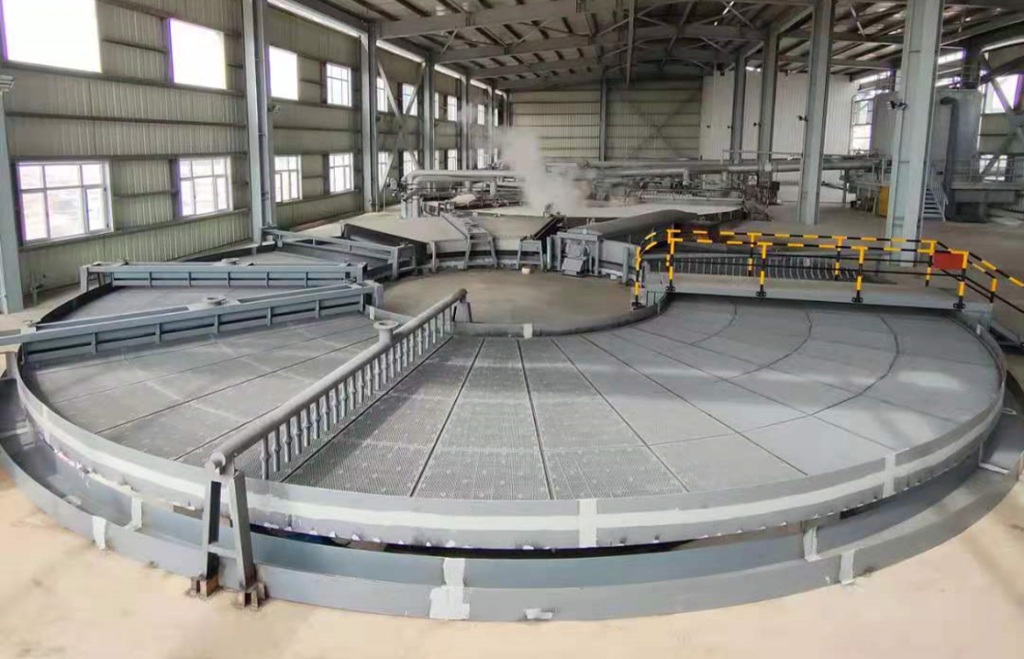
Why Does Market Volatility Make Filtration More Important?
When aluminum supply becomes fragile, you cannot treat dewatering as a side task. A plant under margin pressure needs steady throughput, controlled moisture, and dependable washing performance. Even small losses at this stage can spread downstream, as wet cake can raise handling difficulty, poor washing can hurt product quality, and unplanned stoppages can disturb the whole production rhythm.
That is why a Pan Vacuum Filter deserves more attention when the market turns unstable. In a looser market, inefficiency may be tolerated for a while. In a tighter one, every weak point becomes expensive. If you are running alumina operations, you need equipment that works in a continuous cycle and supports a cleaner, more repeatable process.
A Stable Refining Line Starts With Stable Separation
The logic is simple. If upstream and downstream markets are under stress, your best move is to strengthen what you can control inside the plant. Solid-liquid separation is one of those controllable points. A well-matched pan vacuum filter helps you reduce variation at a stage that directly affects washing, drying, and discharge. That gives you a steadier operating window when external conditions are not steady at all.
What Does a Pan Vacuum Filter Actually Do in Alumina Service?
In alumina service, a Pan Vacuum Filter handles continuous filtration by moving slurry through clearly defined sections. The material is fed onto a horizontal ring formed by multiple fan-shaped filtration buckets. Under vacuum, cake forms on the cloth. It then passes through washing and suction stages before discharge. After that, the remaining solids on the cloth are cleaned, and the cloth is prepared for the next cycle. The process is continuous rather than stop-and-go, which is one reason it fits large industrial lines so well.
That continuous rhythm matters more than it may seem at first glance. In practice, you are not only filtering slurry. You are also protecting line balance. A smooth cycle helps you keep production stable, reduce dead time, and avoid the repeated disruptions that often come with less integrated separation stages.
Why Is Continuous Work Such a Big Advantage?
Because your plant does not benefit from equipment that performs well only in short bursts. You need consistency over long runs. A Pan Vacuum Filter is built for exactly that. The filter is divided into working sections for feeding, washing, drying, discharge, and cloth regeneration, creating a full operating loop instead of isolated steps. That structure supports continuous production and helps your team manage output with fewer interruptions.
Which Design Features Matter Most When You Choose a Pan Vacuum Filter?
Not all filtration capacity is equal. If you are evaluating a Pan Vacuum Filter, the key question is not just size. It is how the machine maintains stable operation over time. In alumina service, you want a design that handles load evenly, keeps pan flatness under control, supports effective washing, and reduces the risk of scaling or blockage in critical sections.
Why Do These Details Matter in Day-to-Day Production?
Because production problems rarely start as dramatic failures. More often, they begin as small losses. An uneven load can affect stability. Poor washing can leave residue. Scaling can reduce operating rate. Cloth issues can shorten service intervals. Over time, these small issues turn into downtime, maintenance pressure, and lower process confidence.
A good Pan Vacuum Filter addresses those risks at the design stage. That is what makes it valuable. You are not buying a simple vessel with vacuum applied. You are choosing a piece of process equipment that shapes how cleanly and reliably the whole separation step performs.
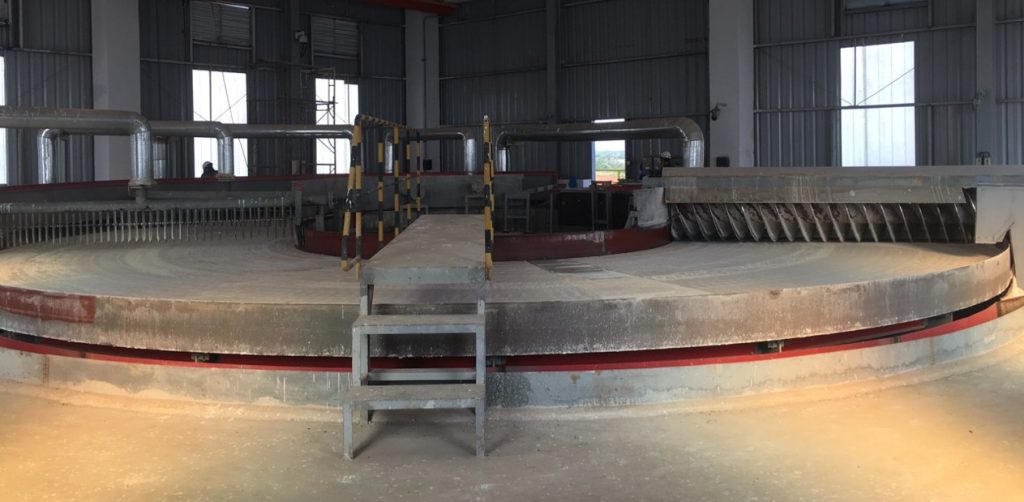
What Should You Keep in Mind Before Making the Final Choice?
You should look beyond the headline specification and ask how the equipment handles washing stages. You should also ask how the cloth is regenerated and how the design reduces scaling risk. It is equally important to ask what size range is available and whether the supplier has real alumina references rather than only general filtration experience.
Those questions matter because large chemical equipment must work as part of a process system, not as a stand-alone machine. The better your fit between slurry conditions, washing needs, plant layout, and equipment structure, the better your long-run result.
In the end, the case for a Pan Vacuum Filter is straightforward. When external markets become less predictable, internal process discipline becomes more important. If you want alumina production that is steadier, cleaner, and easier to manage, this is one of the smartest places to invest.
Câu hỏi thường gặp
Q: Why is a Pan Vacuum Filter important in alumina plants?
Một: It helps you run filtration, washing, cake discharge, and cloth regeneration in one continuous cycle, which supports stable output and smoother plant operation.
Q: What makes a good pan vacuum filter for alumina service?
Một: You should look for stable structure, effective washing, reliable discharge, strong cloth regeneration, low blockage risk, and a size range that fits your real production target.
Q: Why recommend this product?
Một: Because when supply chains are less stable, producers need tighter control inside the plant. A reliable Pan Vacuum Filter helps improve one of the key steps that affects throughput, moisture, and operating consistency.