
 English
  French
  Spanish
  Russian
  Arabic
  Portuguese
  Indonesian
  German
  Turkish
  Persian
  Vietnamese
  中文
中文 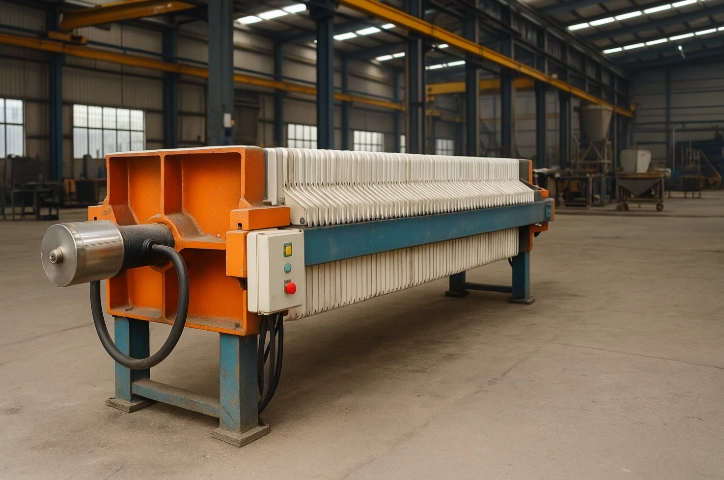
Factories and plants use several main filter press types to separate solids from liquids. The most common ones for batch work are Plate and Frame, Chamber (also called Recessed Plate), and Membrane presses. These show up a lot in mining and wastewater jobs. When the job needs to run non-stop, people pick Belt Filter presses or Drum (Rotary) presses because they handle big amounts and sticky stuff well. Some special kinds, like Diaphragm Plate and fully automatic hydraulic models, squeeze out extra water and save time. You choose the right one by looking at how thick the slurry is, how dry you need the cake, how much you have to process, and how much automation you want.
Understanding the Function and Importance of Filter Presses in Industrial Applications
The Role of Filter Presses in Solid-Liquid Separation
Filter presses are heavy-duty machines that split solids and liquids apart. They push the mixture hard so the liquid runs out through a cloth or special sheet, and the solids stay behind as a thick cake. You see these machines everywhere: mines, chemical plants, food factories, and especially places that clean dirty water.
They work by using strong pumps or air pressure. The clear liquid (called filtrate) flows away to be used again or thrown out safely, while the dry cake gets taken out later.
Key Performance Indicators for Industrial Filtration Equipment
When you pick a machine, you look at a few big things: how fast one cycle runs, how dry the cake gets, how clean the liquid comes out, and how much material it can handle in a day. The slurry itself matters a lot too – is it thick or thin, are the particles big or tiny, how much solid is inside? Pick the wrong press and everything slows down or breaks.
Overview of Major Industrial Filter Press Types
Plate and Frame Filter Presses
These are the old-school kind. Flat plates and frames sit together with cloth in between. You pump the slurry in, liquid goes through the cloth, and solids build up into a cake.
They are simple to run and fix. People like them for really thick sludges from cities or mines. Just change the pressure or time and you get a drier cake.
Chamber (Recessed Plate) Filter Presses
These have hollow spaces inside each plate. The slurry fills those spaces, liquid runs out, and the cake stays inside the chambers. The design is stronger, so you can push harder and get drier cakes than with plate-and-frame ones. You just have to clean the cloths often.
Membrane Filter Presses
Extra rubber sheets (membranes) sit on the plates. First the normal filtering happens. Then you blow air or water behind the membrane to squeeze the cake even more. This trick pulls out the last bits of water, perfect for sticky chemical mixes or medicine plants.
Specialized or Advanced Filter Press Designs for Industrial Use
Specialized filter presses like Belt and Drum models enable continuous, large-scale dewatering, while Diaphragm Plate and Automated Hydraulic systems enhance cake dryness, control, and labor efficiency for demanding industrial applications.
Belt Filter Presses (BFP) for Continuous Dewatering
Key Features of Belt Filter Press Technology
Two long belts keep moving all day. Slurry goes on the belt, water gets squeezed out as the belts roll, and cake falls off the end. No stopping.
Advantages in Large-scale Operations
Great when you have tons of sludge every hour, like city wastewater plants. They run non-stop and use less power than big batch presses.
Drum (Rotary) Filter Presses for Fibrous or Sticky Slurries
Operating Principle of Drum Filters
A big drum turns slowly in a tank of slurry. Vacuum inside the drum pulls water through the cloth on the outside. Solids stick and form a cake. A scraper blade knocks the cake off when the drum turns up.
Application Scenarios for Drum Filters
Perfect for gooey or stringy stuff that clogs other machines. You see them in chemical factories, food plants, and mines that never stop.
Diaphragm Plate Filter Presses for Enhanced Cake Compaction
Design Characteristics of Diaphragm Plates
These have stretchy diaphragms built into the plates. After normal filtering, the diaphragm puffs up and crushes the cake extra hard.
Benefits Over Standard Membrane Designs
You get a more even, drier cake and save money on drying it later in ovens.
Hydraulic Filter Press Systems for Precision Control
Hydraulic System Integration
Big oil cylinders close the plates with exact force every time. Computers watch everything.
Suitability for High-pressure Filtration Environments
Best for metal plants and chemical jobs that need perfect pressure every cycle.
Automated Filter Press Solutions for Operational Efficiency
Automation Capabilities in Modern Systems
Plates open and close by themselves. Machines wash the cloths automatically. Everything runs from a touch screen.
Advantages in Labor-intensive Operations
Fewer workers needed, fewer mistakes, same good results every time.
Vacuum Filtration Technologies from NHD: Product-Specific Applications
NHD has improved and created a series of new filters so as to meet various needs of production according to different production scenarios.
Rotary Table Vacuum Filter – Ideal Solution for Phosphoric Acid Production
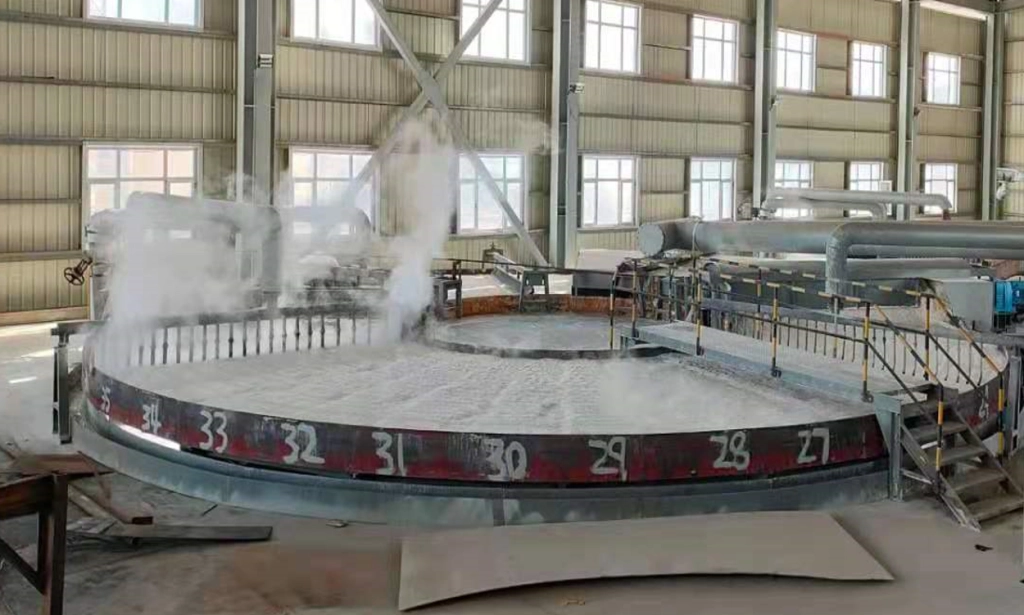
Rotary Table Vacuum Filter is built just for acid plants. The table spins under vacuum, pulls water out non-stop, and stands up to the acid without rusting.
Pan Vacuum Filter – Optimized Design for Alumina Processing
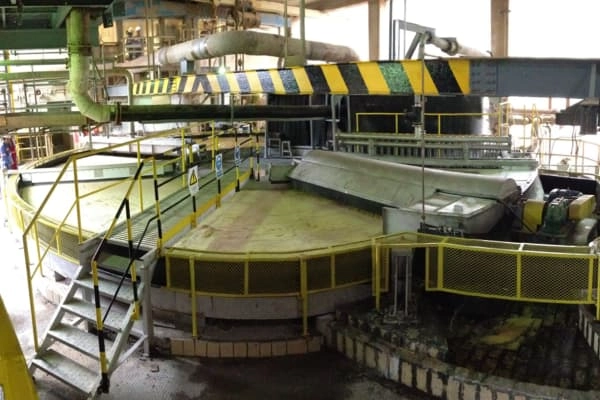
A giant turning pan of Pan Vacuum Filter gives huge filtering area It is made tough for sharp alumina particles and still gives dry cake fast.
Disc Filters – Compact Solution with High Filtration Area-to-Footprint Ratio
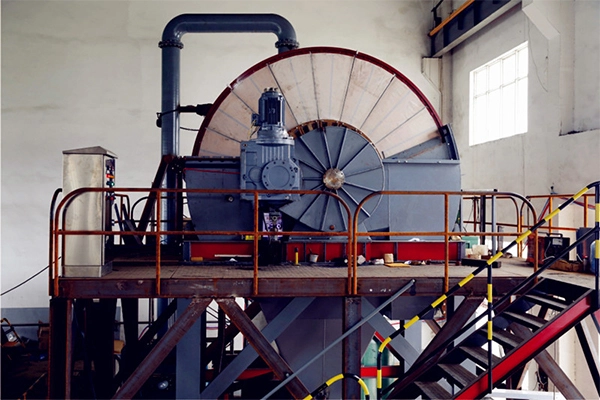
Disc Filter is composed of multiple discs rotating through slurry tanks under vacuum suction. It is suitable for applications which need space efficiency with moderate-to-high filtration rates and modular design allows scalability across diverse process requirements.
Guidelines for Selecting the Appropriate Industrial Filter Press Type
It is quite essetial to match equipment type with separate characteristics.
For High Solids Content with Required Cake Dryness
It is recommended to choose a plate and frame filter press whose simple structure and operation are suitable for handling slurries with high solids content and whose filtration parameters can be adjusted to achieve higher dewatering results.
For Continuous High-volume Processing
Belt filter presses and drum filter presses are good choices.Belt filter presses are suitable for large-scale applications and high throughput, while drum filter presses are suitable for scenarios that require continuous processing, especially for viscous or fibrous materials.
For Sticky or Viscous Slurries Requiring Low Moisture Cakes
The use of membrane technology allows for additional pressure to be applied during the dewatering process, helping to treat sticky materials and improve dewatering efficiency.
When Automation is Critical to Operations
These machines integrate automated control systems and hydraulic technology to provide efficient and controlled operation, reducing manual intervention and ensuring consistent production.
FAQs
Q: What is the difference between a membrane filter press and a diaphragm plate press?
Both squeeze the cake twice. Membrane ones add blow-up sheets on normal plates. Diaphragm ones have built-in stretchy sheets that push harder and give more even dryness.
Q: When should I choose a belt filter press over a chamber press?
Use a belt press when you never want to stop and have tons of thin sludge. Pick chamber presses when you want super-dry cake from thick stuff and don’t mind batch work.
Q: How does NHD’s Rotary Table Vacuum Filter improve phosphoric acid production?
It runs all day, pulls acid water out fast, and the special metal parts don’t get eaten by the acid. You get more product and the machine lasts years.