
 English
  French
  Spanish
  Russian
  Arabic
  Portuguese
  Indonesian
  German
  Turkish
  Persian
  Vietnamese
  中文
中文 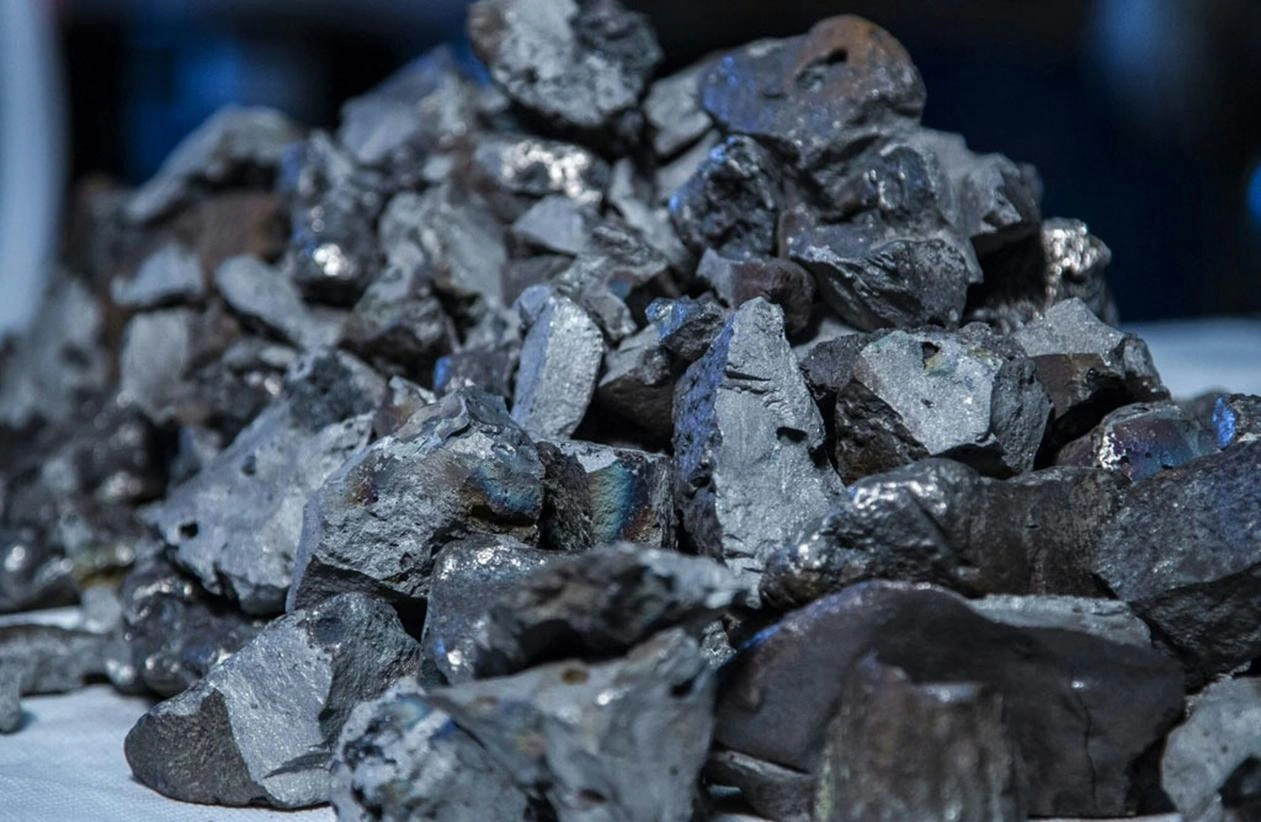
Many common products use rare earth materials. These include electric vehicle motors, wind turbine generators, smart devices, medical imaging systems, and high-performance magnets.
Before these materials become usable oxides or metals, rare earth extraction must go through careful leaching, washing, clarification, and separation. In that chain, weak solid-liquid separation can quietly drain profit from the plant.
A vertical filter press helps rare earth separation by applying controlled pressure to leach slurry, producing clearer filtrate, reducing residual solution in the filter cake, and improving cake washing before downstream hydrometallurgical steps. For buyers, the question is no longer only “Can this machine remove water?” The better question is whether pressure filtration can protect yield, reduce carryover, and keep the next process stable.
The Role of Pressure Filtration in Rare Earth Hydrometallurgy
The process depends on controlled contact between ore, acid or alkali, water, and process additives. Once leaching is complete, the liquid contains valuable dissolved elements. The solid residue still holds solution in its pores. This separation point affects clarity, washing efficiency, reagent use, and final recovery.
Improving Leach Slurry Clarification
In rare earth extraction, leach slurry often contains dissolved metals, gangue residue, unreacted solids, and very fine particles. If the filtrate is not clear enough, downstream tanks, extraction stages, or precipitation units may face higher impurity load. That can lead to slower settling, unstable reactions, and extra cleaning work.
Good filtration creates a clearer liquid stream before the next step. When filtrate quality stays consistent, chemical dosing and flow balance are easier to manage. For B2B buyers, this matters because small variations become expensive when a plant runs 24 hours a day.
Handling Fine Particles That Affect Filtration Efficiency
Rare earth ores are often finely ground before leaching, and fine solids can be difficult to filter. They may block cloth pores, form dense cakes, or slow liquid passage. A poor match between slurry behavior and equipment design can turn a normal filtration stage into a production bottleneck.
The answer is not simply higher pressure. Filter cloth, cake thickness, feed concentration, washing route, and air drying time should match real slurry conditions. The best cycle is fast enough to keep production moving. It is gentle enough to prevent cracks in the cake and strong enough to remove the solution from the solids.
How Vertical Automatic Filtration Supports High-Yield Rare Earth Processing
In rare earth plants, filtration should be seen as part of the recovery route, not only as a water removal step. A well-designed vertical automatic pressure unit can combine squeezing, washing, air drying, and discharge in one compact system. Stable cycles protect plant rhythm when upstream leaching produces variable slurry.
Producing Low-Moisture Filter Cake
Low cake moisture is not only about easier handling. In rare earth processing, moisture left in the cake may still contain valuable dissolved metal. If that solution leaves with the residue, recovery drops. If it returns through washing, more value stays in the process liquor.
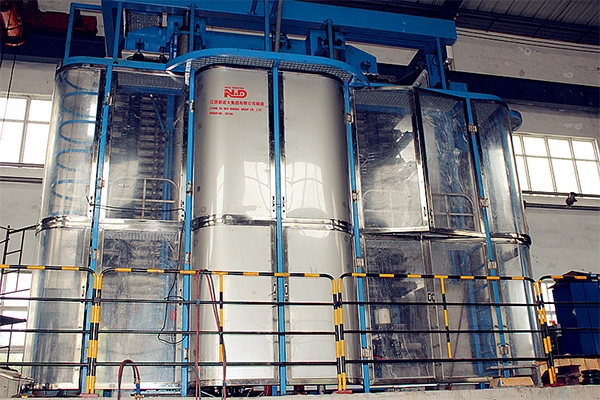
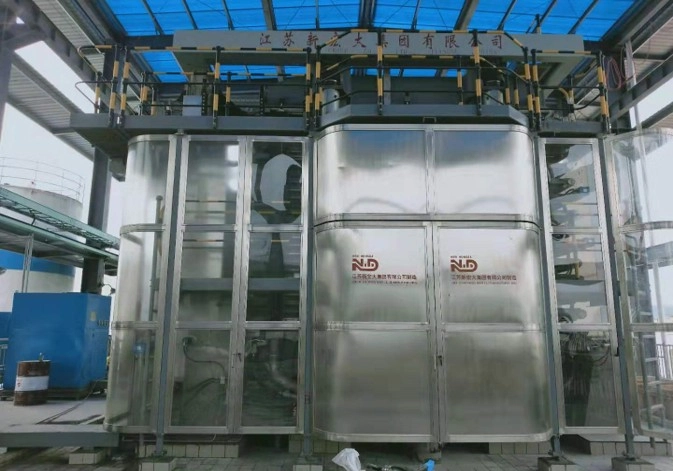
NHD designed its Vertical Automatic Pressure Filter for washing, filtering, and dewatering. Its model range covers filtration areas from 6 m² to 180 m², with listed maximum pressure of 1.6 MPa. These figures help buyers compare capacity with actual slurry volume, cake formation rate, and required wash quality.
Preventing Filtration Bottlenecks
A filtration bottleneck does not always appear as a machine failure. It may appear as longer cycles, wet cake, cloudy filtrate, rising wash water demand, or frequent cloth cleaning. Over time, these issues reduce practical plant capacity.
For this processing route, the filtration stage should support the leaching and extraction rhythm. Continuous operation and high yield are valuable because leaching tanks, pumps, thickeners, and downstream units all work around steady material movement. When filtration falls behind, upstream slurry storage grows and downstream treatment waits for feed.
Supporting Automatic Operation
Automatic operation helps plants reduce manual dependence in difficult filtration environments. Rare earth slurry may be corrosive, abrasive, or difficult to handle. Smart alarms help operators react quickly to changes in pressure, cloth, or discharge.
Automation also improves repeatability. Operators can repeat the same feed, squeeze, wash, air-drying, and discharge sequence with less variation between shifts. This supports stable production data, maintenance planning, and safer work.
Improving Metal Recovery Through Better Cake Washing
Cake washing is often underestimated because it looks like a simple rinse. In reality, it decides how much valuable solution remains trapped inside the solid residue. In rare earth projects, better washing can improve economic value and process cleanliness. It also lowers the chance of sending soluble metals into waste streams that are costly to treat later.
Protecting Downstream Separation
Downstream separation often relies on controlled chemistry. If suspended solids or unwanted dissolved species enter the next stage, separation selectivity may become harder to maintain. A well-run filtration and washing stage reduces that burden.
The goal is not to wash endlessly. Excess wash water can dilute useful liquor and increase evaporation or concentration demand. Aim for efficient washing: wash enough to recover liquids and remove impurities, without causing water balance issues.
Reducing Valuable Metal Loss in Filter Cake
Metal recovery improves when the liquid trapped in the cake is reduced and washed back into the process. For this reason, buyers should pay attention to cake structure, wash distribution, and air-drying performance. A cracked cake may let wash liquid pass through easy channels, leaving pockets of valuable solution behind.
NHD’s equipment allows a washing process to be added according to project needs. For rare earth and non-ferrous projects, this flexibility matters because slurry behavior varies by ore body, leaching route, particle size, and reagent system.
What Buyers Should Check Before Selecting a Vertical Automatic Pressure Filter
Buying filtration equipment for rare earth processing is not like buying a standard pump. The same nominal area can perform “dramatically” differently under different slurry conditions. Before final selection, buyers should connect process data, test results, maintenance expectations, and plant layout into one decision.
Matching Equipment Specifications with Real Slurry Conditions
Before selecting equipment, gather key data on your slurry’s physical properties (like solid content and viscosity) and your processing targets (like throughput and clarity). Without these numbers, equipment selection becomes a guess.
Pilot testing is valuable. It shows cake formation speed, cloth behavior, washing effect, and discharge condition under realistic conditions. Buyers should also check workshop space, discharge height, automation requirements, spare cloth access, and maintenance route.
How NHD Supports Rare Earth and Hydrometallurgy Projects
NHD has over 30 years experience in filtration, thickening, agitation, and EPC-related equipment for chemical and non-ferrous industries. Its portfolio includes filters, automatic press filters, agitators, thickeners, pressure vessels, filter cloth, and related systems.
With vertical filter press technology as its core strength, NHD has deliverd successful solutions for nickel-cobalt projects across the world. Reference cases include Ramu NiCo Management (MCC) Limited in Papua New Guinea, Huayue NiCo Limited for the Huayou Indonesia Project, Lygend Resources Co., Ltd. for its Indonesia Project, and PT. Merdeka Tsingshan Indonesia. These projects show NHD’s practical experience in Ni-Co hydrometallurgy and large-scale solid-liquid separation.
Conclusion
Pressure filtration is central to rare earth extraction because it affects filtrate clarity, cake moisture, washing efficiency, and metal recovery. A suitable Vertical Automatic Pressure Filter can help hydrometallurgy plants reduce liquid loss in residue, improve metal recovery, support automatic operation, and keep downstream rare earth separation more stable.
For projects that require reliable solid-liquid separation, NHD’s HDLY series offers high yield, low-moisture cake, optional washing, automation, and a compact structure. Buyers planning a new rare earth or hydrometallurgy project can contact us now at sales@chinanhd.com or via WhatsApp +86 1366732427 to discuss slurry conditions, filtration targets, and suitable equipment selection.
FAQs
Q: Why is the vertical filter press important in rare earth extraction?
A: It separates leach liquor from solid residue, lowers cake moisture, and helps recover valuable solution through washing. This supports yield and reduces pressure on downstream treatment.
Q: How does pressure filtration improve rare earth separation?
A: It produces clearer filtrate and improves cake washing before the next hydrometallurgical step. Cleaner liquid and lower residue loss make the process easier to control.
Q: What should buyers check before selecting filtration equipment?
A: Buyers should check slurry solids, particle size, pH, temperature, target cake moisture, filtrate clarity, washing needs, daily capacity, automation level, and pilot test results.