 Arabic
  English
  French
  Spanish
  Russian
  Portuguese
  Indonesian
  German
  Turkish
  Persian
  Vietnamese
  中文
中文 
وبما أن أنشطة التعدين تتعامل مع حدود مياه أكثر صرامة واحتياجات استدامة أكبر، فإن أنظمة المكثفات تزداد أهمية في مرافق المعالجة الحالية. فهي تساعد في استرداد المزيد من مياه العملية، وتقلص حجم النفايات، ودعم المهام اليومية الأكثر استقرارا. بحلول عام 2026 ، ستضطلع خيارات السمك الذكية بدور أكبر في التعامل الفعال مع مياه المناجم.
الدور الاستراتيجي للمسمك في إدارة مياه المناجم الحديثة
في مشهد التعدين الحالي ، لم تعد معالجة المياه الجيدة مجرد خيار. إنه مفتاح لا بد منه. أنت تعمل في وقت يلتقي فيه الاستدامة واتباع القواعد وتوفير التكاليف. إن سميك وقد تحول إلى الدعم الرئيسي لهذا التغيير. يعمل كأداة رئيسية لتقسيم السائل الصلب واستعادة المياه.
ما هي وظيفة سميكات في عمليات التعدين؟
تحتل المواد السميكة نقطة رئيسية في سحب المواد الصلبة من السوائل. إنها تعزز مستويات إعادة تدوير المياه وتقليل حجم النفايات. المضخم هو معدات استقرار الجاذبية لتقسيم مزيج سائل صلب موحد. يرى استخدام واسع في مجالات مثل مصانع معالجة المعادن ، حيث يسحب المعادن الدقيقة من الماء. من خلال تسريع خطوة الاستقرار مع التجذيب والإستقرار المدار ، تسمح المضخات بتسرب المياه النقية. في نفس الوقت، تخرج المواد الصلبة الأكثر سمكاً كتدفق تحت.
تساعد التسميك الجيد على الامتثال للقواعد عن طريق تقليل المساحة اللازمة لمواقع تخزين الذيل. كما يقلل من استخدام المياه العذبة. المهمة الأساسية هي نقل المواد الصلبة المستقرة إلى نقطة الخروج المركزية. إنه يوقف قاع الخزان من الانسداد مع التراكم الصلب. بالإضافة إلى ذلك ، فإنه ينتشر تغذية جديدة بالتساوي لتجنب المربى. إضافة المكثفات إلى تدفق المياه في منجمك تعزز استقرار العملية. يضمن التشغيل السلس حتى عندما يختلف التغذية.
لماذا أصبحت إعادة تدوير المياه أولوية في التعدين؟
وقد حولت نقص المياه والقواعد الخضراء الصارمة إعادة التدوير إلى ضرورة ضرورية للمناجم في جميع أنحاء العالم. العديد من المواقع تعمل الآن في المناطق الجافة. هناك، كل متر مكعب من المياه المستردة يساعد على مواصلة العمل. الأنظمة التي تعود إلى معالجة المياه توفر الموارد. كما أنها تقلل من المخاطر الخضراء المرتبطة بسدود النفايات.
تقنية سميكة جديدة تساعد المناجم الآن في الوصول إلى إعدادات لا تفريغ تقريبا. وهو يفعل ذلك عن طريق زيادة معدلات استرداد المياه وجعل النفايات سميكة تحتاج إلى مساحة تخزين أقل.
التطورات التكنولوجية التي تشكل حلول التعدين السميكة
بينما تبحث عن طرق لزيادة كفاءة العمل ، من المهم التحقق من كيفية تغيير التكنولوجيا في إعدادات التسميك. وتتراوح هذه الأساليب من الأساليب الأساسية إلى منصات السيارات الذكية التي تعيد تشكيل الإشراف على العملية.
كيف تطورت السمكات من التصاميم التقليدية إلى التصاميم ذات المعدل العالي والكثافة العالية؟
تعتمد المكثفات القديمة فقط على استقرار الجاذبية. هذا غالبا ما يحد من معدلات الإنتاج والاسترداد. من ناحية أخرى ، تستخدم المكثفات عالية المعدل أشكالًا أفضلًا. هذه تحسن عمل التجذيب وسرعة التعامل مع الرفع. المكثفات عالية الكثافة تدفع للأمام عن طريق الوصول إلى كثافات أعلى تحت التدفق. هذا يقلل من فقدان المياه في تدفقات النفايات ويسهل مهام الترشيح اللاحقة.
تركيز عالي: يمكن أن يرتفع مزيج الطين مع 55٪ من المواد الصلبة إلى 70٪ (قد لا توجد شركة أخرى في العالم يمكنها القيام بذلك). تتيح هذه الخطوة الكبيرة في الإنتاج لموقعك إدارة المزيد من المواد باستخدام طاقة أقل. وفي الوقت نفسه، فإنه يرفع إجمالي إنتاج المصنع.
كيف تغير أنظمة التسميك الذكية التحكم في العملية؟
نمت ميزات السيارات مركزية لإعدادات التسميك الجديدة. يمكن للمسمك المتسلسل NHD جنبًا إلى جنب مع DCS مراقبة المواد في جميع الاتجاهات ، والتي تدمج المعدات ذات الصلة وبيانات المعالجة للتحكم تلقائيًا. أجهزة الاستشعار تتبع عزم الدوران ومستوى السرير ووضوح التجاوز. ونتيجة لذلك، يمكن للعمال ضبط الدقة في الوقت الحقيقي دون عمل عملي. تغير الصيغ الذكية كميات التجفيف على الفور بناءً على خصائص الطين. هذا يحافظ على العمل المستمر حتى عندما تغذية تغيير.
وتتناسب هذه الأنظمة الحكيمة بشكل جيد مع خطط المناجم الرقمية. وفي هذه المراكز، تراقب مراكز التحكم الرئيسية الأصول المنتشرة عن طريق روابط إنترنت الأشياء وفحص البيانات القائم على الذكاء الاصطناعي للصيانة في وقت مبكر.
حلول NHD المتقدمة لإعادة تدوير المياه الأكثر ذكاءً
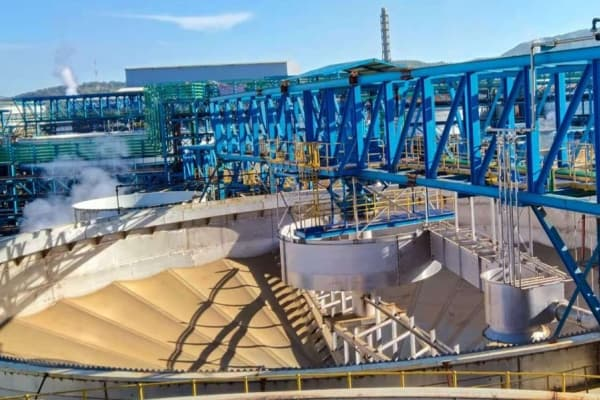
عندما تفكر في خيارات قوية لمعالجة مياه المناجم الخضراء، ن.هـ.د تلمع كرائد موثوق به في تكنولوجيا التسميك الراقية. مع سنوات من المعرفة المبنية في العديد من المجالات - من تكرير الألومنيا إلى العمل التيتانيوم - تقدم NHD إجابات كاملة مناسبة لليوم’ التعدين يريد. وتغطي تشكيلاتهم معدلات عالية، عالية الكثافة، معجون، ومسمك مخروط عميق مصنوع لأنواع الخام المتنوعة والبقع الصعبة.
تم تطوير مخروط عميق سلسلة NHD وتطبيقه بنجاح في الألومنيا لنظام فصل الطين الأحمر وغسيله لزيادة المحتوى الصلب في الطين الأحمر. تستخدم هذه الإعدادات أشكالًا خاصةً من جدار التغذية تقلل من الاضطرابات. كما أنها تعطي أقصى قدر ممكن من عمل التجذيب. وهذا يجلب كثافة تدفق ثابتة حتى مع تغيير تغذية. البناء وحدات يسمح الحركات البسيطة والإعداد في أماكن بعيدة.
ما هي الميزات الرئيسية التي تدفع إلى كفاءة الأداء؟
تحسين القدرة على التعامل مع المواد الصلبة
يضطلع إعداد الجرف بدور كبير في الحفاظ على انتشار المواد الصلبة على أرضية الخزان. إنها تتوقف عن مشاكل التعبئة أو التعبئة التي قد توقف العمل.
تكامل التحكم الذكي
يمكن لمؤشر عزم الدوران الذي صممته NHD حل المشكلة المشار إليها أعلاه. يمكن أن يكتشف مبدلات عزم الدوران في التشغيل في الوقت الحقيقي وتعديل بيانات العملية لتوازن الرواسب والطين وتفريغ الطين. هذه الساعة الذكية تحافظ على انتاج ثابت عن طريق عقد حمولات الآلة في نطاقات آمنة.
تصميم عمليات كفاءة في استخدام الطاقة
من خلال إعدادات محرك الأقراص المعدلة - كل من أنواع الآلة والسوائل - تقلل الخطة من احتياجات الطاقة. ومع ذلك ، فإنه يحافظ على العمل الثقيل الموثوق به لفترات طويلة.
تأثير حلول NHD Thicker على كفاءة استرداد المياه
وتشهد مواقع التعدين التي تستخدم هذه الأنظمة القوية مكاسب واضحة في قدرة الإنتاج ونظافة المياه المستردة.
كيف يمكن للمسمك تحسين معدلات إعادة تدوير المياه عبر العمليات؟
المكثفات العليا تحصل على تقسيم أفضل بين المواد الصلبة والسوائل من الوحدات القديمة. هذا يسمح للمياه الزائدة الواضحة بالعودة مباشرة إلى خطوات الطحن أو العوام. يقلل بشكل كبير من احتياجات المياه العذبة.
المحتوى الصلب في الغسيل النهائي فوق هو 0.2 غرام / لتر. المحتوى الصلب في الغسيل النهائي تحت التدفق هو ~ 46 ~ 53٪. القلويات في تدفقات الغسيل النهائية ≤ 5 كيلوغرام / طن. هذه الدقة تجلب عمل ثابت حتى في الإعدادات الصعبة.
كيف تقلل التدفقات السفلية الكثيفة من متطلبات تخزين النفايات؟
جعل تدفقات تحت كثافة أعلى تقلص أحجام سد النفايات. كما يعزز بناء القوة. هذا أمر لا بد من اتباع قاعدة ESG. كما تساعد الخلاطات الأكثر سمكاً في طرق أكثر أماناً للكومة أو النفايات الجافة التي تقلل من المخاطر الخضراء على المدى الطويل.
دمج سميكات NHD في تصميم المناجم المستدامة بحلول عام 2026
يعتمد تخطيط المناجم الخضراء الآن أكثر على إضافة تقنية إزالة المياه القوية في مرحلة مبكرة من مراحل البناء.
كيف يتوافق هذا مع أطر الاستدامة العالمية؟
اتخاذ تقنية سميكة قوية تطابق عملك مع العالم الخطط الخضراء مثل قواعد ICMM أو معايير تقرير GRI. يظهر خطوات حقيقية نحو أهداف رعاية الموارد السليمة.
إعادة التدوير الجيد لا يزيد من درجات ESG فحسب ، بل يزيد من ثقة المستثمرين أيضًا. وهي تقوم بذلك من خلال تقارير مفتوحة عن خفض أرقام استخدام المياه العذبة.
ما هي اتجاهات الرقمنة المستقبلية نحو عام 2026؟
وسوف تصبح الصيانة في وقت مبكر مدفوعة بالتعلم الآلي قريبا المعيار في شبكات التعدين العالمية. وسوف تتوقع نماذج التناغم القائمة على الذكاء الاصطناعي التحولات قبل أن يحدث التوقف. هذا يفضل التغييرات النشطة على التغييرات التفاعلية.
مهارات الساعة البعيدة ستستمر في النمو. سوف تتعامل مراكز القيادة الرئيسية مع العديد من المواقع في وقت واحد. يستخدمون روابط إنترنت الأشياء المرتبطة لإشراف العمل بسلاسة.
التوصيات الاستراتيجية لشركات التعدين التي تعتمد حلول NHD Thicker
قبل الإطلاق ، من المهم التحقق من خصائص الخام وأهداف الإنتاج وحدود ارتفاع الموقع والاحتياجات الدقيقة لميزان المياه. هذا يساعد على اختيار أفضل إعداد.
تشكيل خطة كاملة يعني خلط بيانات انتاج المكثفات الحية مع أنظمة التحكم في المصانع الأوسع. يخلق نظرة واسعة على خط العملية بأكمله من السحق إلى معالجة النفايات.
الربط على المدى الطويل مع NHD يجلب مكاسب مستمرة. ويشمل ذلك مساعدات بدء العمل، ودورات تدريب العمال، والفحوصات المنتظمة، والفحوصات البعيدة. كل هذا يهدف إلى أقصى قيمة طويلة الأجل من إنفاقك.
الطريق المستقبلي: إعادة تدوير المياه الأكثر ذكاءً من خلال الابتكار في التكنولوجيا الأكثر سمكاً
سيشكل العمل الجماعي بين صانعي العتاد وعمال التعدين الموجة التالية من الطرق الخضراء في جميع أنحاء العالم. ثابت R & amp; يضمن الإنفاق على التكثيف المستقبلي تحقيق أهداف إنتاج أعلى وقواعد خضراء أكثر صرامة بحلول عام 2026. هذا يساعدك على توجيه بحكمة في وجهة نظر عالمية متغيرة للصناعة.
أسئلة متكررة
Q1: ما الذي يجعل المكثفات عالية الكثافة أكثر كفاءة من التقليدية؟
A1: تصل إلى مستويات أعلى من المواد الصلبة عند الخروج بينما تستعيد مياه أكثر نظافة. هذا يأتي من تحركات التجذيب الأفضل وإعدادات التجذيب المضغوطة التي تقطع الدوائر القصيرة في جسم الخزان.
Q2: هل يمكن لأنظمة التحكم الذكية منع الإخفاقات الميكانيكية؟
A2: نعم ، فحص عزم الدوران الحي مع مصاعد الرفع التلقائي يوقف الحمولات الزائدة أو الاشتعالات. هذا يقلل من التوقف غير المخطط له كثيرا.
س3: كيف يساهم اعتماد المكثفات المتقدمة في أهداف ESG؟
A3: عن طريق زيادة استخدام المياه المعاد تدويرها إلى أقصى حد، وتقلص حجم النفايات، وقطع استخدام الطاقة لكل طن يتم التعامل معه، ومطابقة العمل مع الخطط الخضراء المعروفة مثل ICMM أو GRI المبادئ التوجيهية.