In mining and chemical plants around the world, stricter environmental rules and higher labor costs create daily pressure for dewatering operations. However, operators still run conventional plate-frame filter presses that deliver filter cakes with too much moisture, require frequent manual handling between batches, and take up large floor areas. These issues raise operating expenses and make it hard to expand production inside existing buildings.
Many facilities now seek better solid-liquid separation solutions through dewatering equipment upgrades. NHD‘s 立式压滤机 offers a labor-reducing filtration system with higher production ability. Compared to traditional plate-frame filter presses, it stacks filtration capacity vertically, uses advanced automation, and fits retrofit projects where space and budget stay tight. In fact, the advantages of vertical filter presses are not limited to this. Here are 5 undeniable reasons why modern plants replace plate-frame filter presses with vertical filter presses.
Smaller Footprint for Tighter Spaces
When retrofitting an existing plant, floor space often becomes the main limitation. Building new workshops costs a lot and may not even be possible due to site restrictions. Vertical designs solve this by using height instead of width. A vertical filter press delivers the same or greater filtration area while occupying far less ground. This makes upgrades simpler and cheaper.
Space Savings 比较
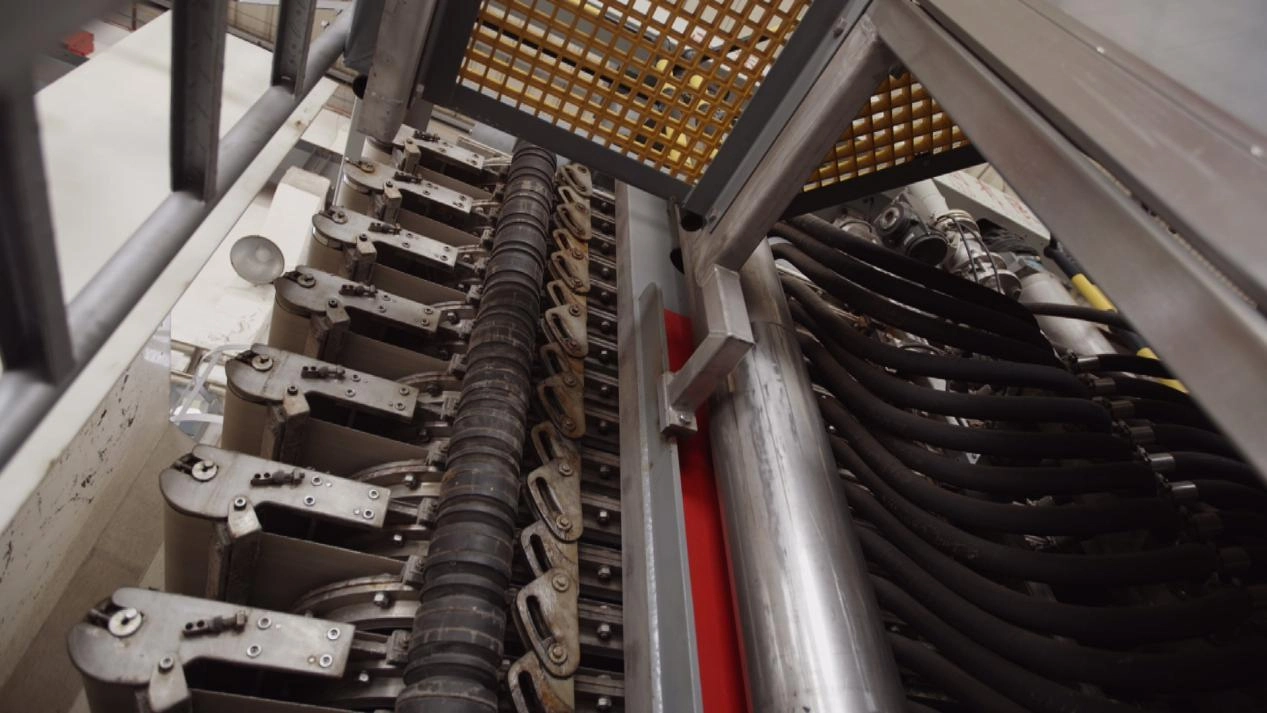
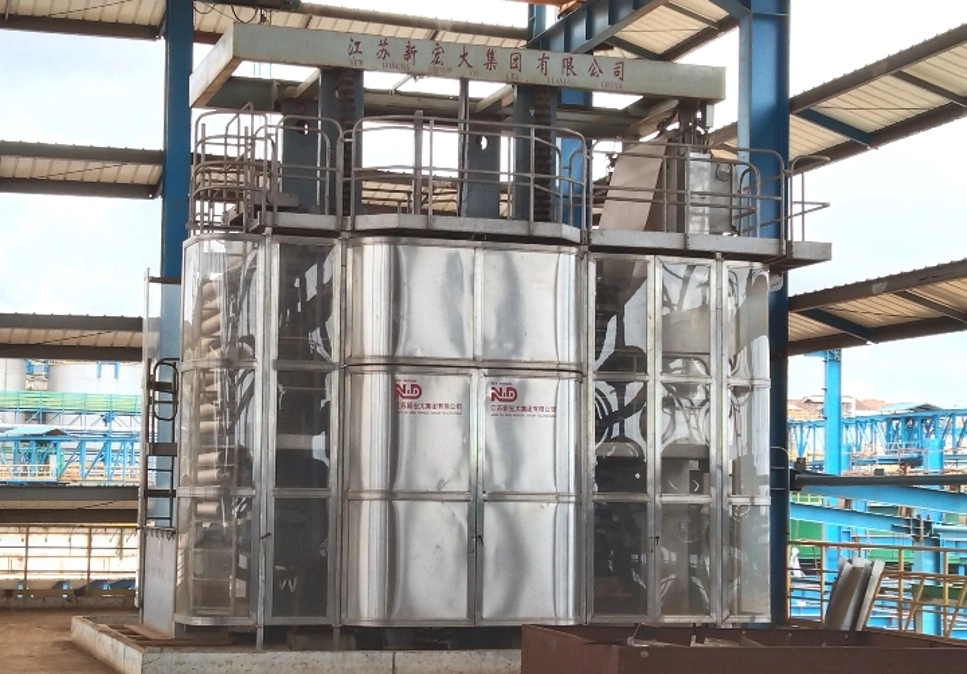
For the same filtration area, a traditional plate-frame filter press often requires 4 to 5 times more floor space. In some layouts the gap reaches 10 times. NHD’s vertical filter press keeps a compact profile. It leverages vertical stacking of filtration area, with a range from 6m2 to 180m2, but the overall structure is very compact. Factories save room for other equipment or future growth without moving walls. Installation stays straightforward because the unit arrives mostly assembled. Maintenance access remains easy from ground level or simple platforms.

Cut Installation &; Maintenance
Retrofit projects rarely allow major structural changes. A vertical unit provides higher filtration area inside the same or even smaller footprint. This lowers civil works costs and shortens project timelines. Fewer pipes and supports reduce material needs. Long-term, the design cuts routine checks because components sit in an organized vertical stack. Operators spend less time navigating wide horizontal layouts typical of plate-frame filter presses.
Boosted Capacity Without Extra Machines
Plant managers often need more throughput without building new production lines. Adding multiple plate-frame filter presses eats up budget and space, especially in existing workshops. A vertical filter press achieves higher output through faster cycles and better efficiency per square meter of cloth. This approach fits high-volume sites perfectly and avoids the hassle of major expansions.

Advanced Mechanism
Plate-frame filter presses run in long intermittent cycles. Opening and closing plates take significant time between batches. In contrast, a vertical filter press shortens this process. Depending on the material, one full cycle can take as little as 5-6 minutes. The vertical stacking and automated plate movement keep flow steady. This creates a system closer to continuous filtration. Downtime drops sharply compared with older horizontal designs.
Throughput Gains in High-Volume Sites
The same unit filtration area in a vertical filter press delivers up to 6 times the throughput capacity of a plate-frame filter press. In high-volume operations such as mining or chemical processing, upgrading to vertical technology can instantly boost output while replacing several older, inefficient machines. This reduces piping complexity and control points across the plant. Therefore, factories can meet growing production demand without corresponding increases in energy consumption or labor costs.
Lower Cake Moisture for Drier Results
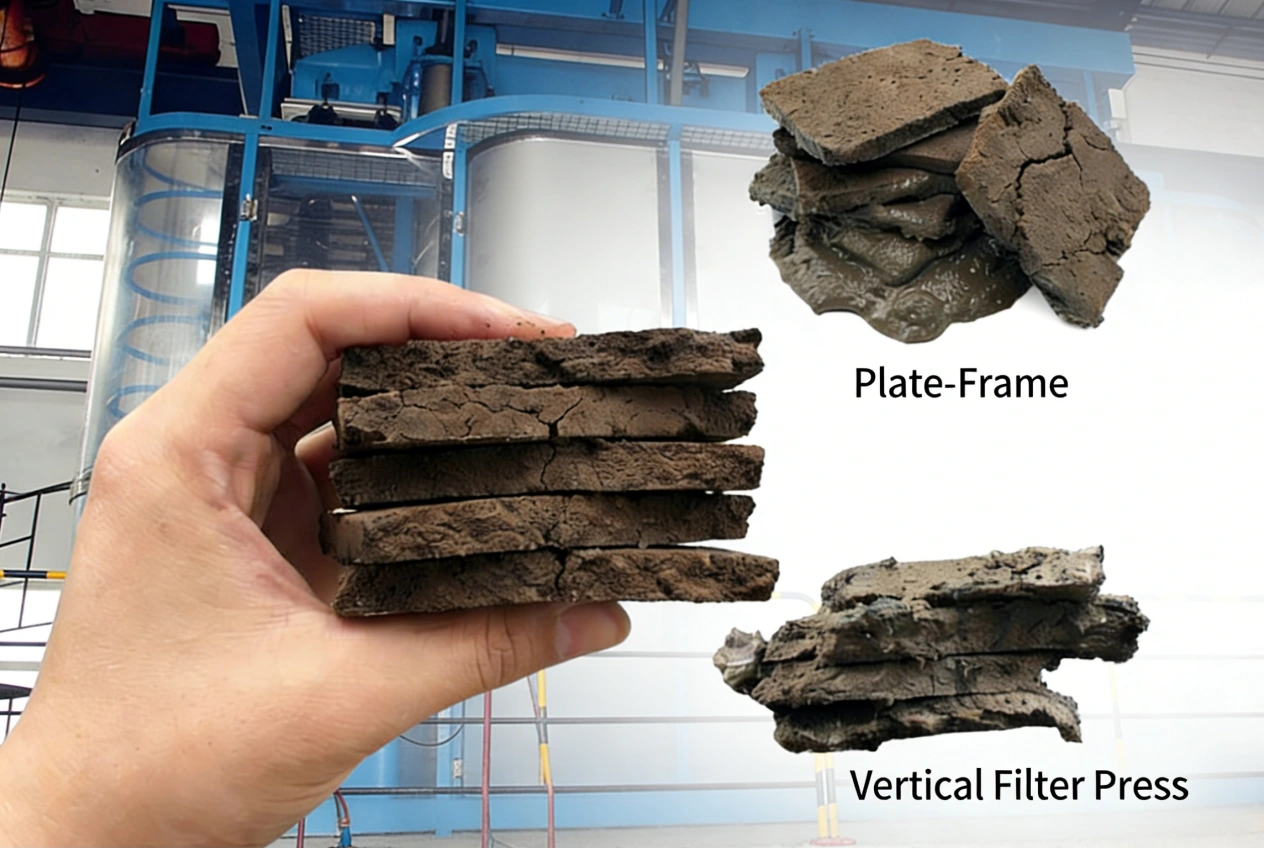
Drier filter cakes bring direct savings in transport, disposal, and downstream processing. Plate-frame filter presses commonly leave high residual moisture that raises costs and environmental impact. A vertical filter press applies higher pressure evenly and achieves noticeably lower moisture levels. There can be a gap of up to 10% in the moisture content of filter cakes processed by these two different filter press systems. This benefit appears quickly in side-by-side tests and supports compliance with stricter waste rules.
Achieving Consistent Dryness
Vertical filter press’s maximum squeeze pressure reaches 1.6 MPa. Cake moisture can drop below 10% in suitable materials. A recent customer comparison on the same slurry showed plate-frame filter press cakes at around 50% moisture or higher. NHD’s Vertical Filter Press held moisture near 40%, a 10% reduction. Consistent results come from uniform pressure distribution across the vertical stack. It means that operators no longer face wide variation between batches.

Benefits for Disposal and Recovery
Lower cake moisture means less water to haul or evaporate. Transport costs fall and landfill fees drop. In recovery applications, drier solids improve yield and value. Many plants skip or shorten downstream drying steps, cutting energy use substantially. This supports sustainability goals while protecting profit margins in competitive markets.
Full Automation for Hands-Off Control
Manual labor remains a pain point with older plate-frame filter presses. Workers must assist with cake discharge and cloth cleaning after nearly every cycle. Safety risks and fatigue increase during long shifts. Full automation removes these repetitive tasks. A vertical filter press runs from feed to discharge with minimal intervention. One operator can monitor multiple units from a central screen.
- For example, NHD’s 立式自动压滤机uses PLC control for the entire sequence. Feeding, pressing, discharging, and cleaning all happen automatically. The system includes self-diagnosis and automatic alarms. It detects issues early and alerts staff before small problems grow.
Reduced manual handling lowers injury claims and training needs. Overall operating expenses (OpEx) improve through fewer stops and consistent uptime. The investment pays back faster in plants facing rising wages.
Better Washing for Cleaner Recovery
Effective washing improves product purity and recovery rates in solid-liquid separation. Plate-frame filter presses often deliver uneven wash results because water channels unevenly through the filter cake held between the vertical plates. Vertical designs promote more uniform flow. This leads to cleaner cakes and higher recovery of valuable solids or liquids. The benefit shows clearly in applications such as metal recovery or chemical purification.
Enhanced Recovery in Practice
Wash water permeates the cake evenly from top to bottom in a vertical stack. Channeling stays minimal compared with corner-feed horizontal presses. Clients report higher purity levels and better extraction yields. Optional washing steps integrate smoothly into the automated cycle without extending total time much.
Long-Term Cloth Performance
To ensure consistent performance, filter cloths receive double-sided automatic cleaning in the NHD vertical filter press. The system alternates filtration sides, balancing wear and extending service life. As replacement frequency and maintenance downtime decrease, this reliability supports continuous operation goals in demanding 24/7 plants.
结论
In summary, upgrading from plate-frame filter presses to a vertical filter press delivers clear gains in five key areas: smaller footprint, boosted capacity, lower cake moisture, full automation, and better washing. These improvements align perfectly with dewatering equipment upgrades, moving industrial plants toward highly efficient and continuous filtration systems. NHD‘s 立式自动压滤机 combines proven engineering with practical retrofit features that address real operational pain points.
Early communication can often help you quickly find effective solutions for your upgrade projects. If you are looking for reliable pressure filtration solutions, please contact our expert at sales@chinanhd.com. We will assess your current equipment configuration and discuss how to reduce OpEx and maximize output through vertical upgrades.