 German
  English
  French
  Spanish
  Russian
  Arabic
  Portuguese
  Indonesian
  Turkish
  Persian
  Vietnamese
  中文
中文 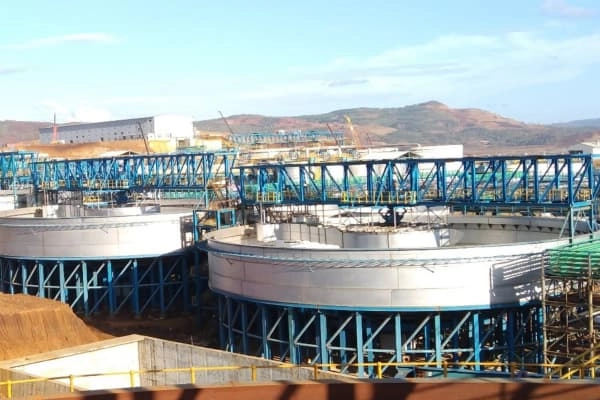
Tiefkonenverdicker dienen einem größeren Zweck, als viele Arbeiter zunächst erkennen. Sie tun mehr als nur Schlamm zur Absetzung zu speichern. Diese Geräte helfen, die Unterströmungsdichte zu erhöhen, den Bodenflächenbedarf zu reduzieren und sicherzustellen, dass Schwerkraftverdickungseinrichtungen stetiger funktionieren.
Was macht tiefe Kegelverdicker für moderne Schwerkraftverdickungssysteme unerlässlich?
Heute’ s Handhabung von Abwasser und Schlamm, Erreichen der besten Feststoffdichte und Wasserwiederverwendung ist sehr wichtig. Tiefkonenverdicker sind zu einem Schlüsselteil verbesserter Schwerkraftverdickungseinrichtungen geworden, da sie dicke Schlamm gut verwalten und wenig Platz verwenden. Diese Maschinen sind gebaut, um starke Ergebnisse in Bereichen zu erzielen, in denen Raum, Energieeinsparungen und die Einhaltung von Umweltregeln am wichtigsten in der täglichen Arbeit sind.
Die NHD-serieller Tiefkonenverdicker wurde geschaffen und erfolgreich in Aluminiumoxidanlagen zur Trennung und Reinigung von rotem Schlamm verwendet, um die feste Menge im roten Schlamm zu erhöhen. Dieser Fortschritt zeigt, wie Tiefkonenmethoden auf grüne Weise helfen, mit Fabrikabfällen umzugehen und gleichzeitig den Wasserverbrauch wieder zu verbessern.
Wie unterscheiden sich tiefe Kegelverdicker von herkömmlichen Schwerkraftverdickern?
Regelmäßige Schwerkraftverdichter verwenden flache Pools und weite Oberflächen, aber tiefe Kegelverdichter haben Wände, die scharf geneigt sind, was dazu beiträgt, Feststoffe enger zu packen. Die scharfe Kegelform fördert die Verpackung von Feststoffen und eine bessere Absetzung, indem die Strömung schwerer Sachen auf den unteren Ausgangsbereich geführt wird. Diese Einrichtung reduziert die raue Wasserbewegung im Inneren des Behälters, was zu einer saubereren Spaltung zwischen Feststoffen und Flüssigkeiten führt.
Auch die kleine Größe bedeutet, dass weniger Land benötigt wird, ohne die Fähigkeit zu verlieren, Mengen zu verarbeiten, was ein großes Plus für Fabriken in engen Stellen ist. Der Tiefkonenverdicker der NHD-Serie verarbeitet 15-mal mehr als übliche Verdicker und seine Unterstromverpackungsleistung ist fast 10-mal stärker als übliche. Diese Lücke in den Ergebnissen erklärt, warum tiefe Kegeltypen häufig in geschäftigen Anwendungen wie Bergbau, chemische Arbeit und städtische Abwasserreinigung gewählt werden.
Warum sind Tiefkonenverdicker in Abwasserbetrieben bevorzugt?
Für Anlagen, die Abwasser behandeln, die Schlamm besser verwalten wollen, bringen Tiefkonenverdicker echte Gewinne bei den täglichen Aufgaben. Eine bessere Feststoffhaltung führt zu dickeren Schlamm, was die spätere Wasserentfernung erleichtert. Gute Wassereinsparung hilft, umweltfreundliche Ziele zu erreichen, indem weniger neues Wasser verwendet wird und Wasser in der Anlage zurückkreist.
Darüber hinaus senken diese Verdicker die Betriebskosten mit weniger Bindemitteln und weniger Reparaturaufgaben. Ihr gleichmäßiger Wasserfluss hält die Dinge im Laufe der Zeit zuverlässig, auch wenn sich der Eingang ändert, was für Anlagen, die nonstop laufen, von entscheidender Bedeutung ist.
Wie beeinflusst die Designoptimierung dickere Leistung?
Der Erfolg eines Verdickungsaufbaus hängt stark von intelligenten Designwahlen ab. Jedes Teil, vom Eingangsgut bis zur Armdrehkraft, beeinflusst, wie gut Feststoffe fallen und packen. Wenn ein Verdicker richtig gebaut ist, kann er eine konstante Bodendichte und klare Spitzenwasserqualität aufrechterhalten.
Was sind die wichtigsten Konstruktionsparameter, die die Effizienz beeinflussen?
Die Art und Weise, wie der Eingangsgut eingerichtet wird, ist entscheidend für die gleichmäßige Verteilung des eingehenden Schlamms über den Behälter’ s Breite. Dies schneidet Verknüpfungen und hält die Settlinggeschwindigkeiten im gesamten Gerät gleich. Die Kegelschräge setzt die Verpackungstiefe; scharfere Formen verbessern das Partikelpressen am unteren Teil.
Das Drehsystem’ s Krafthandhabung beeinflusst auch die stetige Arbeit. Der Antrieb ist ein Hauptstück für alle Verdicker. Eine hohe Feststoffmenge und eine starke Verpackungsrate sorgen dafür, dass der Antrieb unter großem Gewicht über lange Zeiträume reibungslos läuft. Moderne Krafterfassungswerkzeuge geben sofortige Informationen, um Maschinenüberlastungen oder Armprobleme zu stoppen.
Wie können Sie eine optimale Feststoff-Flüssigkeit-Trennung durch Konstruktionsanpassungen erreichen?
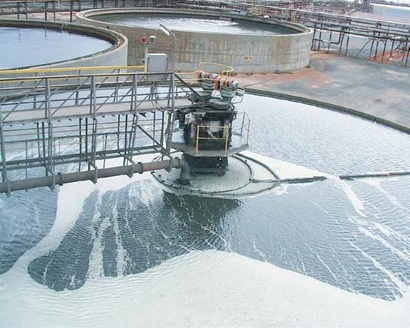
Das Ändern der Mischung des Eingangswassers hilft der Partikelfallegeschwindigkeit, indem Kollisionen zwischen Bits verringert werden. Die Änderung der Armformen erhöht das Drücken von Schlamm an der Tankboden und hält eine konstante Ausgangsdicke. Kraft kann genau mit Werkzeugen überprüft werden, und das Signal geht an den Benutzer’ s Kontrollraum. Solche Beobachtungswerkzeuge ermöglichen es den Arbeitern, im Voraus Pläne zu verwenden, um die Arbeit auch bei wechselnden Eingaben stabil zu halten.
Wie können Sie erweiterte Geräte wie den NHD Deep Cone Thicker in Ihren Prozess integrieren?
Die Auswahl von festen Maschinen ist entscheidend bei der Aktualisierung oder Planung neuer Verdickungsanlagen. Der NHD Tiefkonenverdicker ist die beste Wahl für Felder, die starke Arbeit und grüne Ergebnisse wünschen. Es mischt exakte Gebäude mit harten Materialien, die für harte Einstellungen wie Aluminiumoxidreinigung oder Säureherstellung aus Phosphaten geeignet sind.
Warum sollten Sie NHD als Partner in der Prozessoptimierung betrachten?
Derzeit gibt es Dutzende von Produkttypen und Hunderte von Versionen, wie Vakuumfilter, PressefilterMischer, Verdicker, Fest-Flüssigkeit-Mischer, Fest-Flüssigkeit-Splitter, Gas-Flüssigkeit-Splitter und Druckbehälter. Mit mehr als 800 Projekten auf der ganzen Welt hat NHD feste Verbindungen in Bereichen wie Nichteisenschmelzen, Titanweißherstellung, Feinchemikalien, Medikamentenherstellung, Papierarbeit und Naturschutzgebieten aufgebaut.
NHD verfügt über eine große technologische Macht mit 260 Mitarbeitern in Ingenieurwesen und Technik sowie 50 Top-Experten und betreibt ein staatliches Zentrum für Forschung zu Splittmaschinen. Sein Fokus auf neue Ideen hat über 300 Patente gebracht, die Fortschritte wie das Trockenhaufen von Rückständen und starke Schmelzverdicker abdecken. Durch die Zusammenarbeit mit Orten wie der Nanjing University und der Beijing Chemical University verbessert NHD seine Produkte kontinuierlich, um den wachsenden Fabrikregeln zu entsprechen.
Die Zusammenarbeit mit NHD bringt nicht nur neue Maschinen, sondern Unterstützung bei Prozessenvon der Beratung bis zur Nachversorgung, um stetige Ergebnisse zu gewährleisten und gleichzeitig die Kosten über das ganze Leben hinweg zu senken.
Welche Rolle spielt die Prozesssteuerung bei der Aufrechterhaltung einer dickeren Effizienz?
Selbst bei guten Konstruktionsteilen ist eine starke Prozessbeobachtung erforderlich, um die Arbeit auch im Laufe der Zeit zu halten. Automatische Überprüfungssysteme helfen, die gewünschten Feststoffniveaus zu halten und gleichzeitig Überlastungen zu stoppen, die die Ergebnisse zerstören könnten.
Welche Kontrollparameter sollten Sie regelmäßig überwachen?
Arbeiter müssen die Bodendichte beobachten, um sicherzustellen, dass das Zielfeststoffniveau gleich bleibt. Top Wasserklarheit zeigt Split Erfolg; Ständige Klarheit bedeutet gute Drop-Aktionen innerhalb der Einheit. Die Kraftprüfung wirkt als frühes Zeichen gegen zu viel Belastung der Arme oder Antriebe während der Arbeit und hilft, teure Stoppzeiten zu überspringen.
Wie kann die Automatisierung Ihren Verdickungsbetrieb verbessern?
Automatische Systeme verwandeln die alte Batch-Beobachtung in schnelleinstellbare Setups, die schnell auf Änderungen in der Arbeit reagieren. Der NHD-Serienverdicker mit DCS kann Materialien von allen Seiten beobachten und damit zugehörige Maschinen und Arbeitsdaten miteinander verbinden, um sie selbst zu steuern. Automatische Sensoren erkennen sofort Verschiebungen in der Eingangsdicke oder -fluss und sofortige Zahlenkontrollen ermöglichen es, Pläne im Voraus zu fixieren und Überraschungsstopps zu reduzieren. Intelligentes Addieren von Chemikalien ermöglicht eine bessere Nutzung basierend auf Live-Informationen aus Toolkits.
Welche Designfunktionen unterstützen Energieeinsparungen?
Gute Armaufstellungen schneiden den Rückschlag während der Drehungen; Wasserbasierte Antriebe verbrauchen weniger Energie als übliche elektrische Antriebe, wenn sich Lasten ändern; bessere Kegelformen niedrigere Pumpenbedarf an Ausgangspunkten, was zu weniger Gesamtleistung pro Tonne beiträgt. Im praktischen Betrieb, NHD appliziert diese Designideen, um Anlagen dabei zu helfen, den Energieverbrauch zu reduzieren, ohne die Verdickungsleistung zu beeinträchtigen.
Wie können Sie Leistung mit Umweltverantwortung ausgleichen?
Die Mischung von Leistung mit Sorgfalt für die Natur bedeutet, kluge Arbeitspläne wie wechselbare Geschwindigkeitsantriebe zu verwenden, die die Leistung an Änderungen anpassen, zurückgespeichertes Wasser im Inneren zu verwenden, keine neuen zu bekommen und dauerhafte Materialien zu wählen, die Rost oder Verschleiß bekämpfen, um den Dienst länger zu machen, während der Abfall über die Lebensdauer der Maschine reduziert wird.
Für Arbeiten, die sich sowohl auf starke Ergebnisse als auch auf grüne Effekte konzentrieren, bringt das Hinzufügen von Technologie wie dem NHD-Tiefkonenverdicker klare Gewinne in allen Hauptkontrollen, von mehr Verarbeitung bis zu weniger Schaden an der Umgebung.
Häufig gestellte Fragen
F: Was macht Tiefkonenverdicker effizienter als herkömmliche Schwerkraftverdicker?
A: Ihr steiles Kegeldesign erhöht die Kompressionstiefe, was eine höhere Feststoffkonzentration und eine verbesserte Wasserrückgewinnung im Vergleich zu herkömmlichen Designs ermöglicht.
F: Wie oft sollten Sie Wartung auf einem Tiefkonenverdicker durchführen?
A: Routineinspektionen sollten monatlich für Verschleißkomponenten wie Raken und Antriebe durchgeführt werden, während vollständige Systemprüfungen je nach Betriebsbedingungen jährlich empfohlen werden.
F: Kann die NHD-Ausrüstung für spezifische industrielle Anwendungen angepasst werden?
A: Ja, NHD bietet maßgeschneiderte Konfigurationen an, die auf Zufuhreigenschaften, Kapazitätsanforderungen und Standortbeschränkungen basieren, um eine optimale Leistung in verschiedenen Branchen zu gewährleisten.