
 German
  English
  French
  Spanish
  Russian
  Arabic
  Portuguese
  Indonesian
  Turkish
  Persian
  Vietnamese
  中文
中文 
An industrial filtration system forms a key part of effective manufacturing, making sure that materials get cleaned to meet top standards. These setups aim to take out dirt, guard machinery, and boost the overall quality of products. Knowing how they operate proves vital for improving production and keeping daily work running smoothly.
What Makes an Industrial Filtration System Essential for Modern Manufacturing?
In today’s manufacturing world, an industrial filtration system holds a major spot in keeping work smooth and making sure product quality stays steady. This holds true in areas like chemical making, drug production, food handling, or water cleaning. The exactness of filtration touches straight on how well things run, safety levels, and ways to control spending. Filtration goes beyond just a helping step; it stands as a main part that sets the cleanness of final items and the lasting power of gear.
How Does an Industrial Filtration System Function Within Complex Production Environments?
An industrial filtration system pulls apart solids from liquids or gases by using simple, chemical, or basic methods. Its build needs to make certain that unwanted bits get taken away well, all without harming the speed of flow or steady pressure. In tough production setups, like those in chemical factories, filtration stops buildup and rust that might otherwise stop work cold.
The chemical field, as a big piece of the world economy, deals with lots of making steps and tasks, where pulling solids from liquids shows up often but matters a great deal. This idea highlights just how important good filtration becomes for reaching steady results in quality.
Good systems cut down on stoppages by stopping wear on gear and keeping products free from dirt. For example, setups that run on their own and hold steady pressure gaps can keep high amounts moving while making sure even tiny bits are caught, which matters a lot for fields dealing with thin mixes or harsh liquids.
Why Is the Choice of Filtration Equipment So Crucial?
Picking the best gear decides both the sharpness of filtration and how well it saves energy. Various uses call for certain filter parts, such as cartridge filters for holding back small bits, bag filters for taking out big solid chunks, or membrane setups for super clean results.
Filter presses fall into two main kinds: manual filter presses and automatic filter presses. Manual filter presses need the worker to handle the pressure part by hand, whereas automatic filter presses come with a built-in control setup that brings more hands-off work and steady running.
Smart fitting of these parts not only cuts down on fix-up costs but also helps green goals by dropping waste amounts and power needs all through the making lines.
How Can You Optimize the Filtration Process Through Advanced System Design?
To reach the best results, each part, from early cleaning to last touch-up, needs fine-tuning via clever planning. This means finding a balance between how things flow and what materials fit together, plus adding self-run features for on-the-spot checks.
What Are the Key Factors That Influence Filtration Efficiency?
Steady flow speed makes sure bits get caught evenly without blocking the filters. Pressure gaps require close watching to guard the whole setup and keep the amount of work going.
Choosing the right materials counts a lot too: filter parts ought to fit the liquid’s traits, like how thick it is or how much heat it can take. Take Filtertuch, for instance. It is suitable for continuous machines with the features of easy cleaning, good dimensional stability, high production efficiency, and long service life.
How Does Automation Enhance Process Control in Industrial Filtration Systems?
Automation adds exactness to factory filtration jobs by keeping an eye on main measures like pressure falls and flow speed all the time.
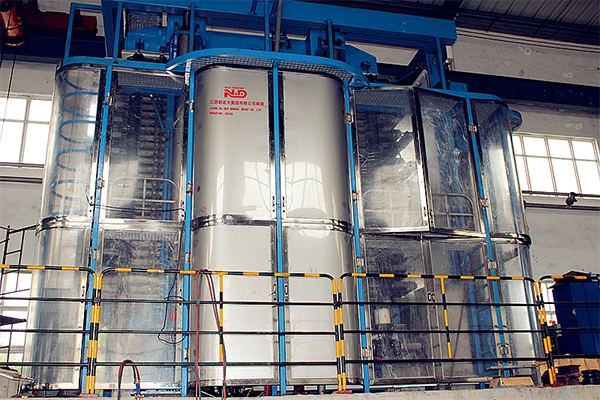
Automatisierte Filterpressen mix in tech for self-work, including auto plate switchers and cloth cleaners, which cut down on hands-on help.
Because of this, mistakes from people drop, and steadiness improves over different work times. Clever sensors spot early signs of off-normal running, so fixes can happen ahead of breakdowns, and linking to digital tools lets workers tweak settings from afar to keep things running without breaks for better tuning.
What Maintenance Practices Extend Equipment Lifespan?
Planned checks spot wear early, before it turns into big stoppages that cost a lot. Steady swapping of filter parts keeps the splitting quality even, while cleaning steps matched to the kind of dirt stop leftover bits from building up in cases or pipes.
For instance, fully closed Vakuumfilter help a lot in places where air touch might harm product cleanness; the steps above stay fully shut and run on their own from start to end. This build guards touchy materials during steps like zinc pulling or careful chemical cleaning.
Why Is Material Selection Vital for Durability and Performance?
Choosing materials sets how well gear stands up to rough work settings. Alloys that fight rust lengthen use time in acid spots, while top polymers hold back sticking from plant-based stuff. Right sealing parts keep pressure even over long runs, which matters when working non-stop at high heat or force levels.
Where Does NHD Fit Into Your Industrial Filtration Strategy?
When looking for steadiness paired with carefully made performance, NHD shines as your go-to helper in fresh ideas for industrial filtration. With years of know-how in building better industrial filtration systems, NHD brings fixes that lift output while cutting daily costs.
Their full lineup covers cartridge filters, buildable bag groups, membrane-based parts, and big vacuum filters made for many fields, from oil chemicals to food-making spots. Each fix shows NHD’s drive for top building: getting the most flow while using less power through smart setups.
What sets NHD apart most is its teamwork style. The firm does not just hand over gear; it works side by side with customers to look at work needs, tailor setup plans, and make sure they match world rules like ISO 9001 and GMP guides. Whether fixing up an old line or starting new builds, NHD’s group makes sure easy fitting that lines up just right with your making aims.
By mixing watch tools that run on digital with tough build designs like their high flow filter cartridges, NHD aids fields in getting cleaner results at lower running costs, all supported by quick help from tech experts aimed at long-term steadiness.
How Can You Integrate High-Efficiency Components Into Existing Systems?
Adding new parts to setups already in place calls for thoughtful review of how well old structures match new tech so as to skip any upsets during changes.
What Steps Should You Take When Retrofitting Existing Equipment?
Begin by checking current limits on how much it can handle; spot tight spots that mess with even flow or cause pressure ups and downs. Next, pick buildable parts made for easy adding without big changes to the main frame. After putting them in, run tests on the fixed areas under watched settings before growing to full making to check steadiness and gains in work.
Which Advanced Components Offer Tangible Performance Gains?
Updating with better cartridges raises the amount going through without losing sharp filtration levels. For one, adding NHD high flow filter cartridges greatly lifts holding power while keeping hold on small bits in hard spots like chemical-making or water-cleaning plants, bringing real boosts in clearness and time for each cycle’s work.
Häufig gestellte Fragen
Q: What is the main purpose of an industrial filtration system?
A: It takes solid dirt out of liquids or gases to keep products clean, guard gear further down, and make sure steady work results.
Q: How often should filter elements be replaced in industrial systems?
A: How often to swap depends on things like how much dirt there is and pressure drops; steady watching helps pick the best times based on real work settings.
Q: Can automation truly reduce maintenance costs in industrial filtration systems?
A: Yes. Self-run sensors give live info that lets care plans predict issues, cutting surprise stops while making parts last longer in smart ways.