 Persian
  English
  French
  Spanish
  Russian
  Arabic
  Portuguese
  Indonesian
  German
  Turkish
  Vietnamese
  中文
中文 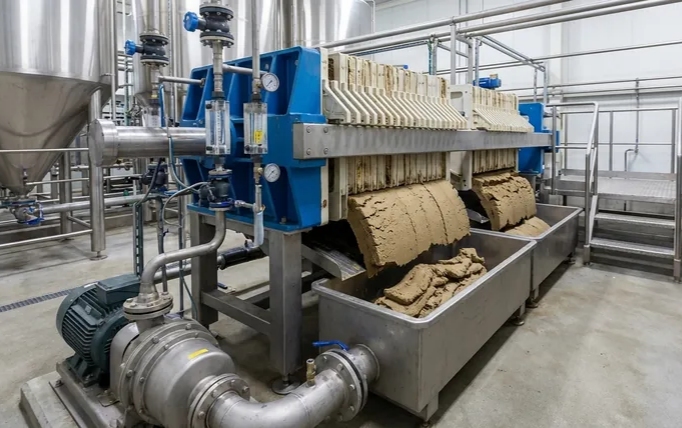 جامدسازی لجن زمانی بهتر انجام میشود که لجن از قبل به درستی آبگیری شده باشد. اگر آب زیادی باقی بماند، پروژهها ممکن است از عامل جامدکننده بیشتری استفاده کنند، با هزینههای حمل و نقل بالاتری مواجه شوند و ماده نهایی ناپایدارتری به دست آورند. به همین دلیل است که ... مطبوعات فیلتر قبل از مرحله جامدسازی اهمیت دارد.
مروری بر راندمان جامدسازی لجن
جامدسازی خوب لجن با آبگیری خوب شروع میشود. این بخشی است که بسیاری از پروژهها آن را دست کم میگیرند. عامل جامدسازی تنها در صورتی میتواند کار زیادی انجام دهد که لجن با رطوبت بسیار بالا وارد فرآیند شود.
رطوبت حرف اول را میزند
مستقیمترین عامل، میزان رطوبت است. رطوبت کمتر معمولاً به این معنی است که لجن راحتتر جابجا، انباشته، حمل و نقل یا دفع میشود. اگر کیک لجن هنوز خیلی مرطوب باشد، ماده جامد نهایی ممکن است نرم یا ناپایدار باقی بماند.
نوع لجن نیز مهم است. برخی لجنها مواد آلی بیشتری دارند و برخی ذرات ریز. برخی حاوی بقایای شیمیایی هستند. ذرات ریز اغلب دشوارتر هستند زیرا ممکن است حتی با فلوکولانتها به خوبی تهنشین نشوند. در برخی موارد، ذرات فقط چند میکرون هستند، بنابراین فرآیند فیلتراسیون باید با دقت بیشتری طراحی شود.
لختهسازها و تهویه مطبوع، جزئیات اختیاری نیستند.
قبل از فیلتراسیون، بسیاری از جریانهای لجن نیاز به آمادهسازی دارند. لختهسازها به ذرات کوچک کمک میکنند تا به لختههای بزرگتر تبدیل شوند، بنابراین آب میتواند راحتتر از پارچه فیلتر عبور کند. اگر این مرحله به خوبی انجام نشود، ممکن است دستگاه فیلتر پرس کندتر کار کند، کیک ممکن است مرطوب بماند و نتیجه نهایی جامدسازی لجن ممکن است انتظارات را برآورده نکند.
اندازهگیری بهرهوری در پروژههای صنعتی واقعی
در عملیات روزانه، افراد معمولاً راندمان جامدسازی لجن را بر اساس درصد جامدات خشک، رطوبت کیک، زمان چرخه فیلتراسیون و پایداری هر دسته ارزیابی میکنند. این اعداد فقط دادههای آزمایشگاهی نیستند. آنها مستقیماً بر هزینه تأثیر میگذارند. اگر درصد جامدات خشک بیشتر باشد، آب کمتری به مرحله بعدی منتقل میشود. اگر چرخه فیلتراسیون کوتاهتر باشد، همان تجهیزات میتوانند لجن بیشتری را در یک روز کاری مدیریت کنند. اگر غلظت خوراک بیش از حد تغییر کند، اپراتورها به یک فیلترپرس نیاز دارند که بتواند بدون تنظیم دستی مداوم، همچنان کار کند.
اینجاست که تامین فیلتر پرس جامدسازی لجن برای هزینههای بلندمدت پروژه اهمیت پیدا میکند. یک فیلتر پرس فقط یک کالای خریداری شده نیست. بلکه بر مصرف مواد شیمیایی، مصرف برق، نیروی کار، حمل و نقل، دفع و نگهداری تأثیر میگذارد. با توجه به این موضوع، تجربه تامینکننده یکی دیگر از ملاحظات مهم است. NHD, شرکت NHD که در سال ۱۹۹۲ تأسیس شد، تولیدکنندهی فیلترپرس، صافی، همزن، تغلیظکننده و سایر ماشینآلات معدنی و شیمیایی است. در رابطه با فیلترپرسهای جامدسازی لجن، این شرکت میتواند از طریق تجزیه و تحلیل ویژگیهای لجن و اهداف آبگیری، در انتخاب یک فیلترپرس مناسب کمک کند.
نقش فناوری فیلتر پرس در جامدسازی لجن
چگونه سیستمهای فیلتر پرس لجن را آبگیری میکنند
در یک فرآیند کاری رایج، لجن از طریق خطوط لوله به داخل هر محفظه فیلتر پمپ میشود. با ورود بیشتر دوغاب، فشار درون محفظه افزایش مییابد. آب از میان ... عبور میکند. پارچه فیلتر و به داخل لوله زهکشی جریان مییابد. جامدات در داخل باقی میمانند و کیک فیلتر را تشکیل میدهند.
طرحهای مختلف فیلتر پرس نتایج متفاوتی دارند. سیستمهای فیلتر پرس صفحهای و قابی، محفظه توکار، غشایی و عمودی یکسان نیستند. برخی برای جداسازی ساده بهتر هستند. برخی برای آبگیری عمیقتر بهترند. طرحهای غشایی میتوانند یک مرحله فشار دوم اضافه کنند که به کاهش رطوبت بیشتر از فشار خوراک به تنهایی کمک میکند.
چرا طرحهای مدرن در سال ۲۰۲۶ اهمیت دارند؟
برای پروژههای ۲۰۲۶، اتوماسیون رایجتر میشود. بسیاری از کارخانهها تخلیه دستی سنگین، تمیز کردن مکرر پارچه یا چرخههای عملیاتی ناپایدار را نمیخواهند. کنترل کاملاً خودکار میتواند نیروی کار را کاهش داده و به عملکرد پایدارتر فیلتر پرس کمک کند.
انتخاب مواد نیز مهم است. لجن شیمیایی میتواند خورنده باشد. لجن صنعتی ممکن است حاوی ذرات ساینده باشد. اگر صفحات، پارچه فیلتر، خطوط لوله یا قطعات آببندی با لجن مطابقت نداشته باشند، مشکلات تعمیر و نگهداری به سرعت پیش میآیند.
نظارت هوشمند یکی دیگر از تغییرات مفید است. اپراتورها میتوانند فشار، زمان چرخه، سیگنالهای هشدار و وضعیت کار را در زمان واقعی بررسی کنند. این امر تنظیم فرآیند را قبل از اینکه یک مشکل کوچک به خرابی منجر شود، آسانتر میکند.
انتخاب فیلتر پرس بر اساس دادههای راندمان واقعی
یک فیلتر پرس نباید فقط بر اساس نام مدل انتخاب شود. راه بهتر این است که آن را با هدف واقعی پروژه مقایسه کنید: چه مقدار لجن باید تصفیه شود، چه سطح رطوبتی مورد نیاز است، لجن چقدر سخت است و چگونه با ماده جامد نهایی برخورد خواهد شد.
نرخ فیلتراسیون، خشکی کیک، توان عملیاتی، مصرف انرژی و دفعات تعمیر و نگهداری از نکات اصلی هستند که باید بررسی شوند. اگر پروژه به کیک با رطوبت کم نیاز دارد، فیلترپرس باید بتواند فشار کافی را اعمال کند و تشکیل کیک را پایدار نگه دارد.
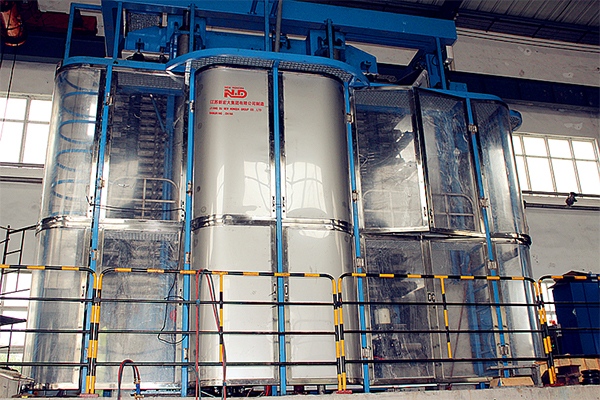
تجهیزات فیلتر پرس عمودی میتوانند در پروژههایی که نیاز به آبگیری قویتر، عملکرد خودکار و چیدمان فشرده دارند، مفید باشند. در برخی طرحها، حداکثر فشار میتواند به 16 کیلوگرم برسد. خشک کردن با هوا نیز میتواند برای کمک به کاهش رطوبت کیک اضافه شود و گاهی اوقات نیاز به خشک کردن بعدی را کاهش داده یا حتی از بین ببرد. برای این نوع پروژه، NHD فیلتر فشار اتوماتیک عمودی گزینه مناسبی برای بررسی است. این دستگاه برای شستشو، فیلتر کردن و آبگیری طراحی شده است، با قابلیت کارکرد مداوم، خروجی کیک با رطوبت کم، اتوماسیون بالا، تشخیص خودکار، عملکردهای هشدار دهنده و ساختار جمع و جور برای کارخانههایی با فضای کارگاهی محدود.
برای برخی از پروژههای لجن، الف فیلتر پرس اتوماتیک افقی همچنین ممکن است ارزش مقایسه داشته باشد. این نوع تجهیزات فیلتر پرس زمانی مناسبتر است که پروژه به آبگیری با فشار بالا، ظرفیت پردازش بیشتر و چیدمان افقی سنتیتر نیاز داشته باشد. این نوع فیلتر پرس را میتوان برای کارخانههایی در نظر گرفت که فضای نصب کافی دارند و میخواهند یک سیستم فیلتراسیون با فشار پایدار برای لجن صنعتی، لجن شیمیایی یا جامدات تصفیه فاضلاب داشته باشند.
مدلهای فیلترپرس سنتی و مدرن یکسان نیستند
علیرغم این واقعیت که فیلترپرسهای افقی قدیمی میتوانند وظایف اولیه آبگیری را انجام دهند، نمیتوان محدودیتهایی را که این دستگاهها هنگام کار روزانه با آنها دارند، نادیده گرفت. ممکن است در هنگام تخلیه کیک به کمک دستی نیاز باشد و سرعت پایین تغذیه و شل شدن کیک فیلتر در طول فرآیند از معایب رایج فیلترپرسهای سنتی است. آببندی بین صفحات فیلتر در چنین دستگاههایی میتواند ناپایدار باشد. بنابراین، چکه کردن فیلتراسیون در هنگام باز شدن صفحات کاملاً محتمل است.
تجهیزات فیلترپرس مدرن سعی در حل این مشکلات دارند. جابجایی خودکار صفحه، آببندی بهتر، شستشوی بهتر پارچه، فشردهسازی غشا، خشک کردن با هوا و سیستمهای کنترل، همگی میتوانند کمک کنند. قیمت اولیه ممکن است بالاتر باشد، اما اگر کیک خشکتر باشد و تجهیزات کمتر متوقف شوند، هزینه بلندمدت میتواند کمتر باشد.
برای پروژههای جامدسازی لجن، این تفاوت اهمیت دارد. هر درصد رطوبت اضافی میتواند به معنای عامل جامدکننده بیشتر، وزن حمل و نقل بالاتر و فشار دفع بیشتر باشد.
جزئیات مواد و طراحی که خریداران باید بررسی کنند
یک فیلتر پرس خوب فقط به فشار بستگی ندارد. مواد داخلی و جزئیات کوچک طراحی تعیین میکنند که آیا استفاده از این دستگاه هر روز آسان است یا خیر.
- نفوذپذیری پارچه فیلتر باید با دقت انتخاب شود. اگر خیلی باز باشد، ممکن است جامدات ریز از آن عبور کنند. اگر خیلی سفت باشد، فیلتراسیون کند میشود. جنس صفحات باید با شیمی لجن مطابقت داشته باشد. برای لجن اسیدی یا قلیایی، ممکن است به مواد مقاوم در برابر اسید و قلیا نیاز باشد.
- المنتهای فیلتر پلیمری میتوانند در برخی فرآیندها به فیلتراسیون دقیقتر و مقاومت شیمیایی بالاتر کمک کنند. برای لجن بسیار ریز، به ویژه هنگامی که اندازه ذرات کمتر از 5 میکرون باشد، یک ساختار غشایی یا پارچهای مناسب اهمیت بیشتری پیدا میکند.
- شستشوی خودکار پارچه فیلتر نیز مفید است. اگر پارچه به خوبی تمیز نشود، زمان چرخه طولانیتر میشود و رطوبت کیک ممکن است افزایش یابد. برخی سیستمها پارچه فیلتر را به طور متناوب از دو طرف میشویند تا تجمع مواد جامد را کاهش داده و فیلتراسیون را پایدارتر نگه دارند.
- توزیع یکنواخت فشار نکته دیگری است که ارزش بررسی دارد. اگر فشار ناهموار باشد، ممکن است بخشی از کیک خیس بماند. این برای جامد شدن لجن بد است زیرا ماده نهایی به طور یکنواخت رفتار نخواهد کرد.
سوالات متداول
Q1: MOQ معمولی برای تجهیزات فیلتر پرس صنعتی چیست؟
A1: حداقل مقدار سفارش (MOQ) معمولاً از یک واحد کامل شروع میشود زیرا این تجهیزات صنعتی بزرگ هستند. برای پروژههای مهندسی یا توزیعکنندگان، پیکربندی و کمیت را میتوان بر اساس اندازه پروژه مورد بحث قرار داد.
Q2: تجهیزات چگونه ذرات بسیار ریز موجود در لجن را کنترل میکنند؟
A2: برای ذرات زیر 5 میکرون، معمولاً یک غشای پلیمری مناسب یا ساختار فیلتراسیون ریز مورد نیاز است. این به بهبود دقت فیلتراسیون کمک میکند و مانع از عبور آسان جامدات ریز میشود.
سوال ۳: خریداران باید چه نوع پشتیبانی تعمیر و نگهداری را درخواست کنند؟
الف) خریداران باید از تأمینکنندگانی مانند NHD در مورد راهنمایی نصب، آموزش اپراتور، قطعات یدکی، تمیز کردن پارچه فیلتر، طراحی شستشوی معکوس و زمان پاسخگویی پس از فروش سوال کنند. این جزئیات بر زمان آماده به کار روزانه تأثیر میگذارند.
Q4: آیا میتوان تجهیزات را برای لجن شیمیایی خورنده سفارشیسازی کرد؟
A4: بله. مواد صفحه، پارچه فیلتر، قطعات آببندی و مواد سازهای را میتوان با توجه به شیمی لجن انتخاب کرد. اجزای پلیمری مقاوم در برابر اسید و قلیا اغلب برای شرایط سختتر استفاده میشوند.