 English
  French
  Spanish
  Russian
  Arabic
  Portuguese
  Indonesian
  German
  Turkish
  Persian
  Vietnamese
  中文
中文 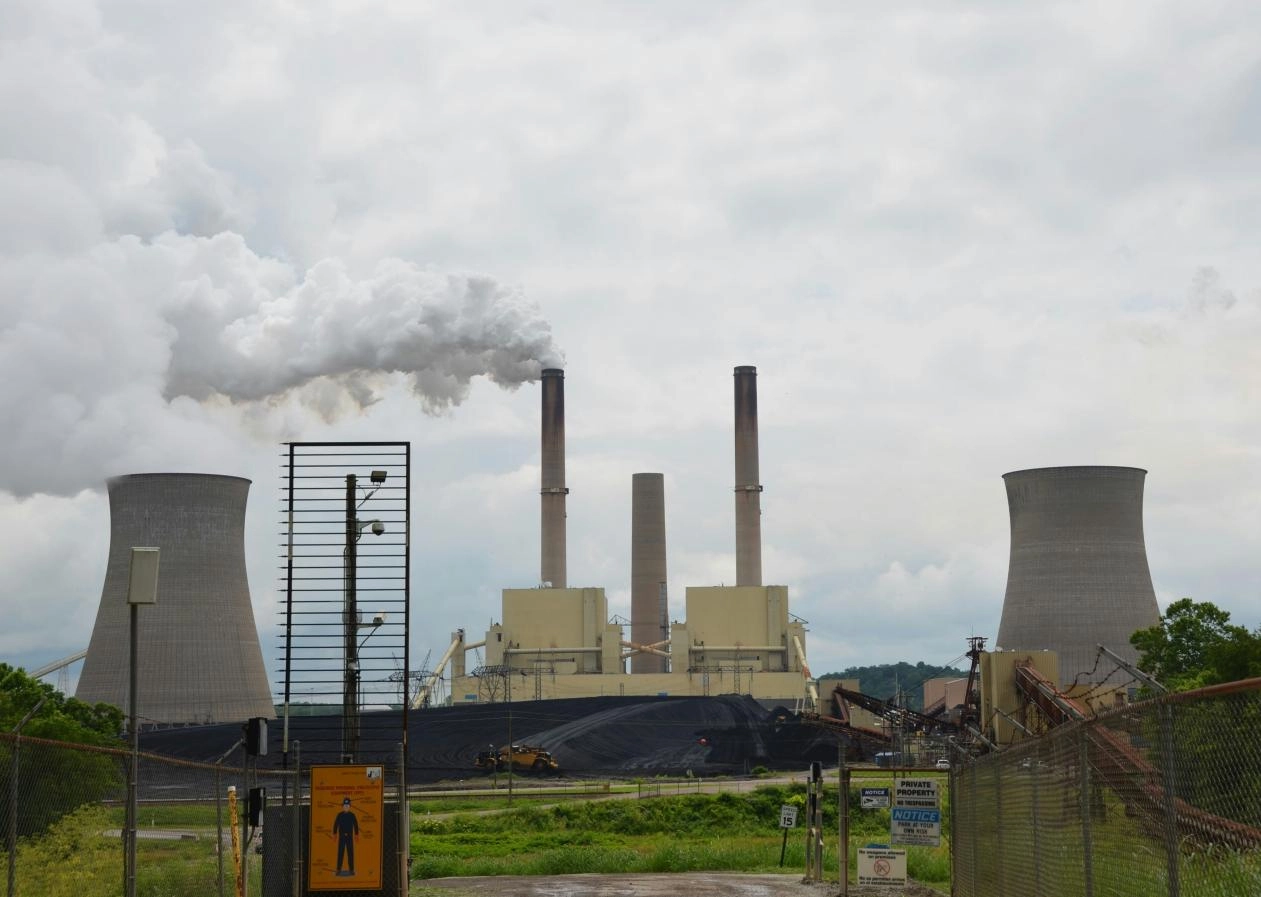
In recent years, coal-fired power plants across the globe have faced rising demands to reduce sulfur dioxide emissions. For instance, India’s 2025 FGD regulation updates revealed that roughly 78% of coal units struggled to meet compliance standards with existing setups. This change points out lasting concerns about the steady performance of desulfurization equipment in tough conditions.
Wet FGD methods, such as limestone-gypsum processes, lead the way because they clean pollutants well. But within these systems, particularly in the desulfurization absorption tower, settings are severe—acidic mixtures, elevated chloride amounts, and shifts in heat wear down materials. Traditional linings tend to break down quickly, resulting in idle time and steep fix costs. That is where special alloy lining materials stand out. They give stronger defense against corrosion, stretching the lifespan of FGD absorbers and lowering expenses in the long run.
The Hidden Vulnerabilities of Traditional Lining Systems
Power plant workers understand that maintaining desulfurization equipment in good shape is vital for following emission laws without spending too much. Still, plenty rely on basic methods that appear affordable at the start but carry major dangers. In wet Flue Gas Desulfurization (FGD) arrangements, the desulfurization absorption tower deals with warm, acidic gases blended with limestone mixture. Traditional rubber linings often fail under operational stress, leading to cracking, leakage, and costly unscheduled shutdowns. This unreliability is driving the industry toward more durable solutions.
Thermal Shock & Delamination
The tower’s walls start with carbon steel, which rusts easily in acidic conditions. To fight this, workers add a rubber lining for corrosion resistance. It works okay at first. But rubber breaks down fast—often in just two years or less, especially with chloride ions and heat changes. Rapid thermal cycling (50°C to >100°C) causes differential expansion between rubber and steel, leading to inevitable delamination.
Once delaminated, corrosion hits the steel base hard. Plants must shut down for fixes: scrape off bad rubber, clean the surface, and apply new layers. This job takes one to two months, halting power output. In one study, rubber linings in lignite-fired plants lasted under 10 years, far short of the 20-30 years needed for reliable service. Downtime adds up—imagine losing 1,000 hours a year per unit, plus labor costs around $200,000 per repair event. These issues not only spike bills but also risk environmental fines if emissions spike during outages. For desulfurization regeneration towers, similar problems arise, making traditional linings a gamble in high-chloride setups.
The Unmatched Corrosion Resistance of Special Alloys
Shifting from traditional linings opens doors to materials built for extreme conditions. Special alloy lining materials stand out in wet FGD environments, where acids, chlorides, and abrasives team up against equipment. Unlike rubber or basic coatings, these alloys bond tightly and resist breakdown over decades. They fit perfectly in desulfurization absorption towers and regeneration towers, handling the slurry’s pH swings from 4 to 6 without pitting or cracking. Plants that switch often see fewer repairs and steadier operations. This resistance comes from their makeup—high nickel, molybdenum, and chromium levels that form protective layers.
Case in Point: Hastelloy C276 vs. Chloride Ion Corrosion
Chloride ions are a major foe in FGD absorbers, attacking metals and causing pits that grow into holes. Traditional carbon steel or even some stainless steels buckle under concentrations above 10,000 ppm. Enter Hastelloy C276, a nickel-molybdenum-chromium alloy with tungsten for extra strength. It thrives in chloride-rich spots, like the absorber’s lower sections where slurry collects.
In tests, Hastelloy C276 showed corrosion rates below 0.1 mm per year in simulated FGD conditions, compared to over 1 mm for standard steels. This means walls stay intact longer, reducing leak risks. Absorption tower inlets in U.S. and Asian plants use it widely for its pitting resistance index over 50—way above the 30-40 of common alloys. Plants report 15-20 years of service without major issues, versus annual checks for rubber. For desulfurization equipment, this alloy cuts erosion from gypsum particles too, keeping flows smooth.
The Strength of Super Austenitic Stainless Steel
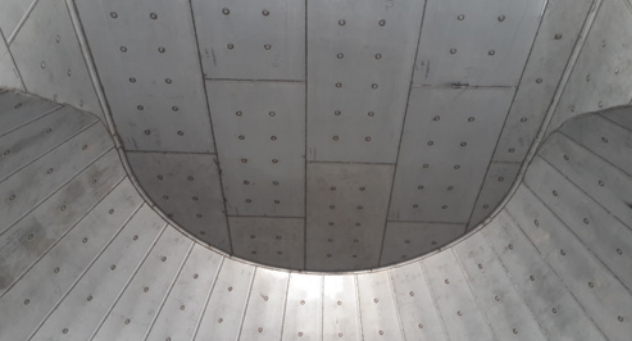
Super austenitic stainless steels push beyond regular austenitics with more molybdenum (around 6%) for chloride defense. In flue gas desulfurization, they guard against general corrosion and stress cracking in wet scrubbers.
These steels excel in pH 5-6 slurries, where traditional 316L stainless fails within months. Lab data shows corrosion rates under 0.05 mm/year in high-chloride tests, thanks to their stable passive film. They’re cost-effective for large towers, offering similar protection to pricier nickel alloys but at lower upfront prices. In FGD systems, they line ducts and vessels, lasting 25+ years.
Analyzing ROI: Lifecycle Cost Savings in FGD Retrofits
Beyond raw performance, the real win with special alloys lies in the numbers. While special alloys command a 2-3x higher initial investment than rubber, their lifecycle cost advantages typically yield a full ROI within 5-7 years. For desulfurization absorption towers, this means weighing initial outlays against avoided downtime and repairs. Many operators overlook these hidden expenses until they hit the bottom line. By crunching the data, it’s clear how alloys shift the balance toward efficiency.
Eliminate the Hidden Costs of Unscheduled Downtime
With rubber linings, failures force 4-6 week shutdowns every two years for relining. At a 700MW unit, that may be $1 million in lost revenue and $300,000 in labor and materials. Alloys slash this—expect one major check every 10 years.
In wet FGD, downtime from corrosion averages 500 hours yearly for traditional systems. Alloys drop it to under 100 hours, saving $500,000 annually in opportunity costs alone. Add environmental compliance: fewer leaks mean steady emission control, avoiding fines up to $100,000 per incident. For desulfurization regeneration towers, stable linings keep regeneration cycles uninterrupted, boosting overall plant output by 2-3%.
The Investment Logic Behind a 6×700MW Unit Retrofit
Consider a real case: a Shandong Province(China) power plant with six 700MW units. Facing corrosion in its desulfurization absorption towers, it chose special alloy linings from NHD. NHD used Hastelloy C276 for high-chloride zones and super austenitic 1.4529 elsewhere, supplying 1,4529 alloy plates, flanges, and pipes.
The retrofit cut maintenance from biannual to every 8-10 years, saving 1,200 downtime hours per unit yearly. Costs dropped 40% over 20 years compared to rubber—total savings around $10 million across the plant. In addition, NHD partnered with Haas Automation for precise welding, avoiding iron contamination that plagues explosive cladding. This method ensures tight bonds without weakening corrosion resistance. For similar absorption tower renovations, the payback hits in under five years through steady operations.
NHD Engineering Reliability from Material to Installation
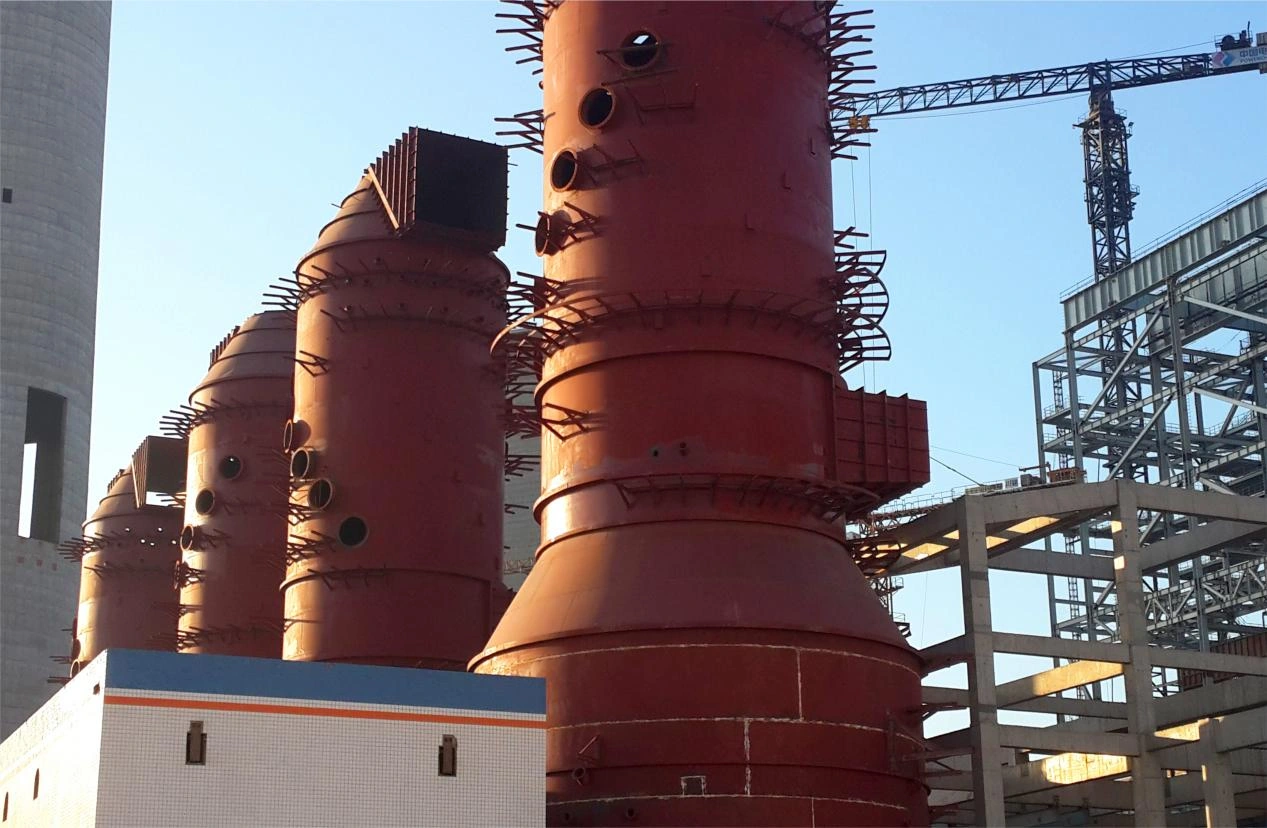
Choosing the right partner matters as much as the materials. NHD stands out in delivering full solutions for Flue Gas Desulfurization (FGD) challenges. From picking alloys to on-site work, our approach ensures desulfurization equipment lasts. We focus on wet FGD’s tough spots, like the desulfurization absorption tower and regeneration tower. With years in the field, NHD blends global technology with local know-how. This end-to-end service builds trust, especially for big retrofits where details decide success.
Precision Material Selection and Sourcing by NHD
NHD starts with careful material picks tailored to each plant’s conditions. For high-chloride FGD absorbers, we source Hastelloy C276 from trusted mills, ensuring low impurities for max resistance. Super austenitic steels come tested for pitting indexes over 40. And we analyze slurry chemistry—pH, chlorides, fluorides—to match alloys. In the Shandong project, this led to mixed linings that handled 20,000 ppm chlorides without fail.
NHD’s Proprietary Fabrication and Welding Process
Fabrication at NHD uses advanced tools like CNC lathes and water jet cutters for exact fits. Our welding draws from Haas collaboration, using automated methods to join alloys without heat damage.
This avoids common pitfalls like weld corrosion, seen in manual jobs. In desulfurization regeneration towers, precise seams prevent leaks, extending life to 25 years. The process includes non-destructive tests, ensuring zero defects before shipment.
On-Site Execution and Performance Guarantee
NHD teams handle installation with minimal disruption—often during planned outages. They use plug welding for linings, adding strength in joint areas. Post-installation, NHD provides extended performance warranties for FGD absorbers. In the Shandong project, execution was completed efficiently within the scheduled timeframe, achieving sustained, trouble-free operation over the long term. This reliability allows plants to focus on power generation rather than constant repairs.
Conclusion
In harsh wet flue gas desulfurization environments, special alloy linings like Hastelloy C276 and super austenitic stainless steel outperform traditional materials in corrosion resistance and longevity. They extend the service life of FGD absorbers and desulfurization absorption towers to 20-30 years, minimizing downtime, maintenance costs, and environmental risks. As demonstrated in large-scale projects, such as the Shandong power plant retrofit by NHD, these solutions deliver substantial lifecycle savings—up to 40% over two decades—while ensuring operational reliability. NHD, a leading desulfurization equipment manufacturer with over 140 patents and global partnerships like Beg Cousland and SANDVIK, provides proven expertise from material selection to installation. Choosing such advanced linings is a strategic investment for sustainable power generation. If you need tailored desulfurization equipment solutions, contact us at sales@chinanhd.com.