 French
  English
  Spanish
  Russian
  Arabic
  Portuguese
  Indonesian
  German
  Turkish
  Persian
  Vietnamese
  中文
中文 
La récente décision des autorités chinoises de suspendre temporairement les contrôles à l’exportation de matières premières clés, y compris les terres rares, les matériaux de batterie au lithium et les matériaux superdurs, a introduit un changement significatif dans les attentes dans les chaînes d’approvisionnement industrielles mondiales. Pour les professionnels de l’hydrométallurgie, des produits chimiques fins, des matériaux de batterie et du traitement stratégique des minéraux, ce signal politique va au-delà de la mécanique du commerce et influe directement sur le calendrier des investissements, les priorités d’ingénierie et la configuration à long terme du système de processus.
Cet article analyse le changement de politique à travers une lentille technique et industrielle. Plutôt que de le traiter comme un événement géopolitique seul, il se concentre sur la façon dont cet ajustement réglementaire restructure l'exécution des projets, la sélection des équipements et la compétitivité au niveau du système dans les secteurs de transformation à haute valeur.
Pourquoi la suspension des contrôles à l'exportation est-elle importante pour les chaînes d'approvisionnement industrielles avancées?
Avant d'examiner les implications en matière d'ingénierie, il est nécessaire d'examiner pourquoi ce changement réglementaire a un poids structurel pour les industries techniques.
Contexte et portée de la politique
La suspension temporaire couvre les restrictions d'exportation annoncées précédemment concernant les matières de terres rares moyennes et lourdes, les matières et technologies liées aux batteries au lithium, les matériaux superdurs et certains équipements de traitement et savoir-faire. Ces catégories ne sont pas des produits de base ordinaires, mais profondément intégrées dans des chaînes de valeur à haute barrière telles que le stockage d'énergie, les alliages avancés, les aimants permanents, les composants aérospatiaux et la fabrication de précision.
Sensibilité stratégique des matériaux couverts
Contrairement aux intrants industriels en vrac, ces matériaux tirent une grande partie de leur valeur de la sophistication du processus plutôt que de la seule qualité du minerai. L'efficacité de la récupération, le contrôle des impuretés et la cohérence des matériaux déterminent souvent la viabilité commerciale. Cette réalité fait des systèmes de traitement, pas seulement des ressources, le véritable atout concurrentiel. Pour un décideur technique, le changement de politique affecte donc l'écosystème des processus dans son ensemble, et pas seulement les flux commerciaux.
Comment ce changement de politique modifie-t-il les attentes d'investissement dans l'hydrométallurgie et la transformation des matériaux?
Une fois que la pression réglementaire s’assouplit, le comportement d’investissement s’ajuste rapidement. L'effet n'est pas théorique, mais déjà visible dans les études de faisabilité, les pipelines EPC et les redémarrages à l'échelle pilote.
Réaccélération des projets à l'étranger
L'hydrométallurgie des terres rares, le traitement du nickel latérite, le raffinage du sel de lithium et les projets d'expansion de produits chimiques spécialisés qui étaient entrés dans une phase d'attente vont maintenant de nouveau de l'avant. Des itinéraires d'exportation plus prévisibles contribuent à renforcer la confiance en matière de financement et à raccourcir le cycle de prise de décision pour les projets nouveaux et élargis.
Du point de vue de l'ingénierie, cela introduit une demande immédiate de systèmes robustes de séparation, de mélange et de manipulation solide-liquide capables de supporter un fonctionnement continu dans des conditions chimiquement agressives et de haute précision.
Renforcement du contrôle technique des systèmes de traitement
Dans le même temps, les investisseurs ne sont plus satisfaits des spécifications nominales des équipements. Vous êtes de plus en plus confronté à des questions telles que :
- Le système peut-il maintenir un service continu à long terme?
- La conception tolère-t-elle la variabilité de l'alimentation ?
- Les taux de récupération sont-ils constants sous des charges fluctuantes?
Ce changement soulève la barre de l'approvisionnement en équipement vers l'ingénierie de la fiabilité des processus.
Quelles capacités d'équipement deviennent critiques lorsque les projets de terres rares et de matériaux de batterie redémarrent?
Au fur et à mesure que les projets reprennent, le goulot d'étranglement réside rarement dans la disponibilité des matières premières, mais dans la stabilité du processus.
Fiabilité de la séparation solide-liquide
Les résidus de lixiviation des terres rares, les boues de précipitation du lithium et les intermédiaires nickel-cobalt présentent souvent des distributions fines de taille de particules, une viscosité élevée et une chimie corrosive. Les mauvaises performances de filtration entraînent directement des pertes de métaux, des déchets de solvants et une instabilité opérationnelle.
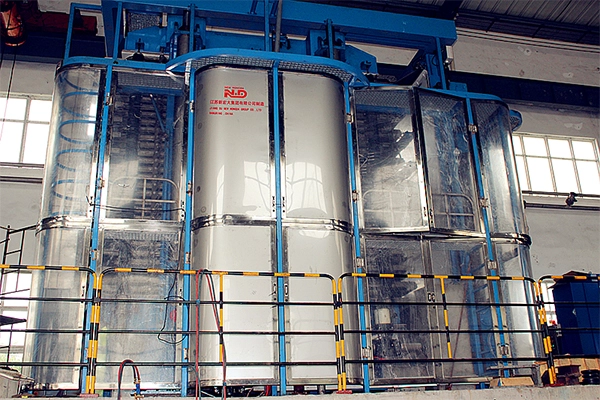
Dans ces applications, des systèmes tels que Filtre à pression automatique vertical sont fréquemment déployés pour atteindre une sécheresse de gâteau plus élevée, une moindre humidité résiduelle et une efficacité de lavage améliorée, ce qui soutient à la fois la récupération économique et la cohérence du processus en aval.
Stabilité de mélange du réacteur
La performance de mélange est tout aussi décisive. De nombreux systèmes de procédés humides nécessitent un contrôle strict du transfert de masse, de la distribution du temps de résidence et de l'uniformité de phase. Les zones aveugles dans les réacteurs entraînent des réactions incomplètes, une croissance de cristaux inégale et une qualité variable du produit.
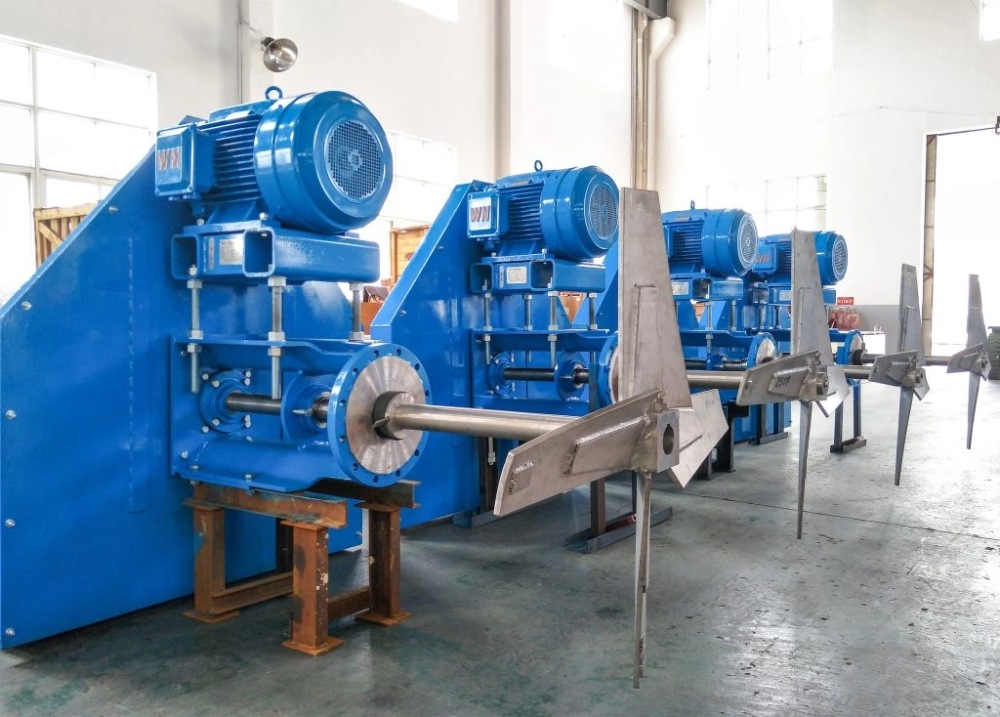
Dans la pratique industrielle à long terme, des équipements tels que Agitateur à entrée latérale est souvent choisi pour les réservoirs de grand volume où la circulation continue, la faible perte d'énergie et la réduction des contraintes structurelles sont critiques. Les dispositifs d'entrée latérale sont particulièrement efficaces dans les environnements de remise en état et les grands réacteurs de stockage où la géométrie montée en haut est restreinte.
Comment la profondeur de l'ingénierie influe-t-elle sur la compétitivité lorsque l'incertitude politique demeure?
La suspension n’élimine pas l’incertitude réglementaire, mais restructure simplement le paysage des risques. Dans ces conditions, la capacité d'ingénierie devient le facteur stabilisant.
Capacité de processus intégrée
Dans les environnements de traitement à haute valeur, la filtration, le mélange, l'épaississement et le contrôle de la réaction ne peuvent pas être considérés comme des achats isolés d'équipement. Ils fonctionnent comme un système interdépendant. Lorsque les décisions de conception sont fragmentées entre fournisseurs, des lacunes de performance apparaissent souvent aux interfaces plutôt qu'à l'intérieur de machines individuelles.
C'est là que les organisations d'ingénierie intégrées démontrent leur valeur. Groupe Hongda du Jiangsu (NHD), fondée en 1992, opère comme une grande entreprise intégrant la conception, la R& D, fabrication, installation et Livraison EPCNotre groupe couvre plus de 270 000 mètres carrés d'installations, emploie plus de 800 personnes, dont plus de 260 ingénieurs et techniciens, et fournit des lignes de produits complètes à travers la filtration, les presses à filtre, les agitateurs, les épaississants, les récipients à pression et les systèmes de métallurgie à procédés humides. Nos solutions ont été appliquées dans les produits chimiques à base de phosphate, d'alumine, de fusion non ferreuse, de dioxyde de titane, d'acide sulfurique, d'ingénierie environnementale et de produits chimiques fins, avec plus de 500 projets d'ingénierie et plus de 1 000 clients à long terme dans le monde entier.
Cette compétence au niveau du système devient particulièrement pertinente lorsque les projets redémarrent selon des calendriers comprimés et un contrôle élevé des investisseurs.
Expérience éprouvée en métallurgie complexe
Au-delà de l'étendue du portefeuille, l'expérience sur le terrain dans des conditions exigeantes offre une preuve plus solide de capacité. Par exemple, NHD a livré des systèmes modulaires d'agitateur, d'épaississant et de flocculant pour une usine pilote d'hydrométallurgie de terres rares lourdes en Australie, répondant aux normes AS/NZS strictes sous une contrainte de livraison de cinq mois. Le projet a reçu une reconnaissance officielle du client pour sa coordination technique et sa qualité d’exécution.
Pour un propriétaire de projet ou un consultant technique, ce type de dossier opérationnel porte souvent plus de poids que les revendications théoriques de conception.
Quels risques devraient encore être pris en compte par les décideurs techniques malgré la suspension?
Une pause politique ne supprime pas l'incertitude structurelle, et une stratégie technique saine nécessite toujours une discipline des risques.
Réversibilité politique
La suspension temporaire implique explicitement la possibilité d'un rétablissement, et les cadres de conformité à l'exportation restent juridiquement intacts. Du point de vue de la planification du projet, il est toujours nécessaire de réserver des voies d'urgence dans les achats, la stratégie de pièces détachées et l'approvisionnement technologique.
Excès de confiance en chaînes de traitement à source unique
Un autre risque réside dans la conception de systèmes de processus qui ne fonctionnent optimalement que dans des conditions d'entrée étroites. En pratique, de nombreuses sources de matières premières présentent une variabilité dans les profils d'impureté, la morphologie des particules et le comportement de l'humidité. Si l'objectif est d'atteindre une résilience opérationnelle à long terme, l'équipement et les systèmes de contrôle doivent être adaptables.
Comment positionner votre stratégie de processus dans un environnement réglementaire en évolution?
Lorsque les signaux politiques fluctuent, les fondamentaux techniques deviennent votre ancre.
Prioriser la robustesse au coût à court terme
Les marchés axés uniquement sur le prix initial entraînent souvent une inefficacité à long terme. Des temps de fonctionnement plus élevés, des cycles de maintenance prévisibles et une durabilité structurelle génèrent généralement une valeur de cycle de vie supérieure, en particulier dans des environnements à capital élevé tels que la séparation des terres rares ou la production de précurseurs de batteries.
Créer des partenariats techniques à long terme
La performance durable résulte souvent de la collaboration plutôt que de l’approvisionnement transactionnel. Travailler avec des fournisseurs qui maintiennent la R& D, les équipes d'ingénieurs de terrain et l'expérience de déploiement intersectoriel vous permettent de vous adapter plus rapidement lorsque les conditions d'exploitation changent.
Conclusion
La suspension temporaire des contrôles à l’exportation de matières premières essentielles par la Chine n’ouvre pas simplement les canaux commerciaux, mais réactive des écosystèmes d’investissement entiers autour de matériaux avancés et d’industries à forte intensité de procédés. Pour les experts travaillant dans ces secteurs, l'impact réel ne se limite pas à l'allégement de la conformité, mais réside dans le renouvellement de l'élan du projet et le contrôle accru de la performance du système.
Dans cet environnement, le différenciateur définitif n'est pas la disponibilité de l'équipement mais la profondeur de l'ingénierie. L'efficacité de la séparation, la stabilité du mélange, la résistance à la corrosion, l'intégration des systèmes et l'exécution éprouvée sur le terrain déterminent de plus en plus si un projet offre une valeur constante sur des décennies plutôt que des opérations à court terme.
Si vous abordez l'infrastructure de processus comme un actif stratégique plutôt qu'une liste de contrôle des achats, vous positionnez votre opération pour rester résiliente indépendamment de l'évolution des conditions réglementaires.
Questions fréquentes
Q: La suspension des contrôles à l'exportation élimine-t-elle les risques de conformité pour les projets liés aux terres rares et au lithium?
R: Non. La suspension met en pause l'application mais ne supprime pas le cadre juridique. Les politiques d'exportation peuvent être ajustées à nouveau, de sorte que la planification de la conformité reste nécessaire.
Q: Pourquoi les équipements de traitement deviennent-ils plus importants lorsque les restrictions à l'exportation sont assouplies?
R : Lorsque l’accès aux matériaux s’améliore, la concurrence se concentre sur l’efficacité de récupération, la stabilité opérationnelle et la fiabilité du système. Les performances des équipements influent directement sur ces résultats.
Q: Qu'est-ce que les propriétaires de projets devraient donner la priorité lors du redémarrage de l'hydrométallurgie ou des installations de matériaux de batterie?
R : La robustesse à long terme, l’adaptabilité à la variabilité des aliments et l’expérience d’ingénierie éprouvée du fournisseur dans des environnements industriels comparables devraient outrepasser les économies à court terme en matière d’achats.