 English
  French
  Spanish
  Russian
  Arabic
  Portuguese
  Indonesian
  German
  Turkish
  Persian
  Vietnamese
  中文
中文 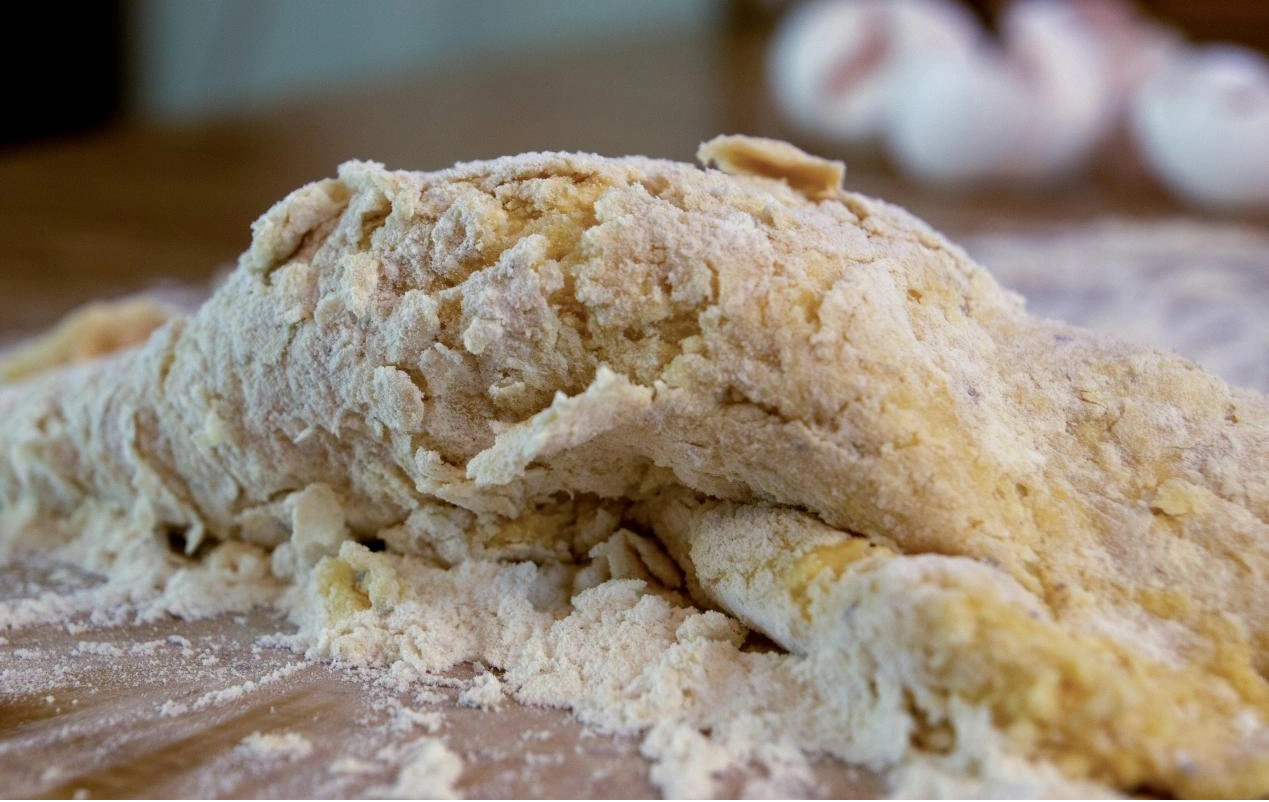
When you are baking, you will find that lumps of flour or sugar can cause uneven cake texture, which will affect the baking results. Similarly, in industrial dewatering, clumped and sticky filter cakes entering the dryer are the main culprits behind hindered drying and increased energy consumption. To meet modern energy efficiency and carbon neutrality standards, addressing the pretreatment bottleneck is crucial for green production. Many factories often face downtime and increased costs due to problems such as unbroken filter cakes and hindered drying.
The NHD filter cake disintegrator provides a reliable solution, turning lumped cakes into uniform particles that flow smoothly into dryers. As a leading filter cake crusher manufacturer, NHD has crafted this equipment with real-world challenges in mind, drawing from years of experience in handling tough materials.
Inconsistent Crushing Wastes Drying Energy
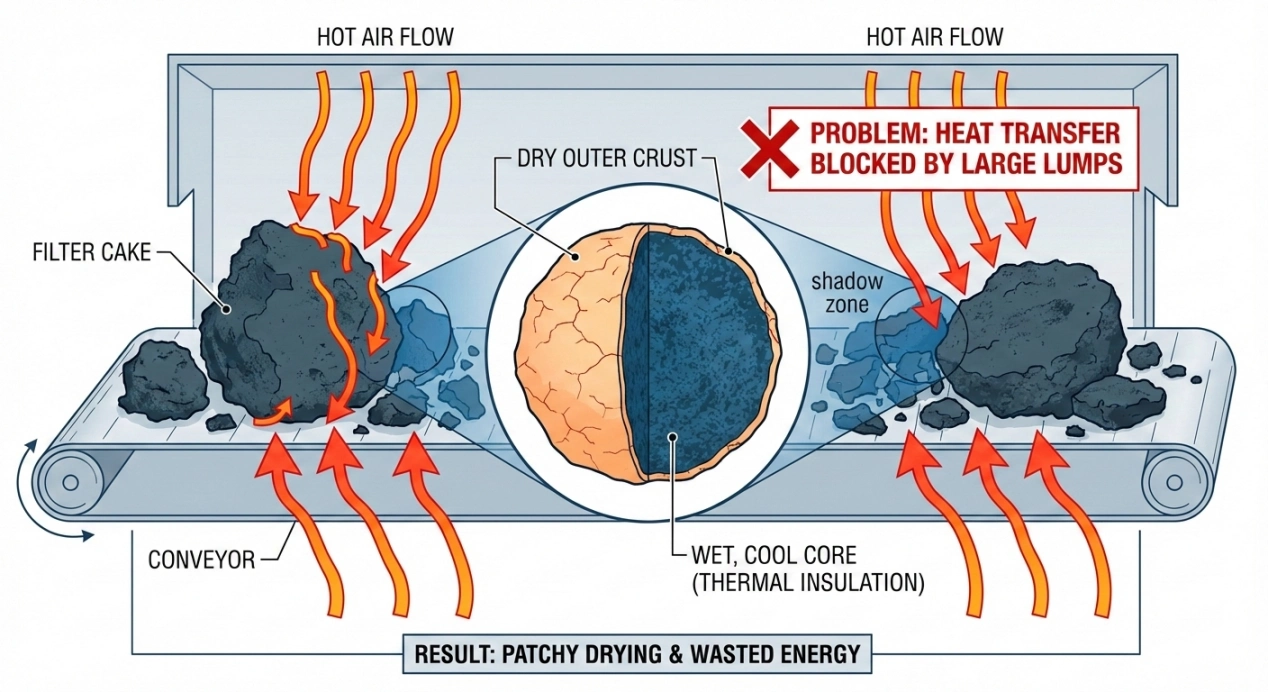
Many plants struggle with filter cakes that vary in size after leaving the press. These inconsistencies create problems in the drying stage, where heat needs to reach every part of the material evenly. Without proper crushing, larger pieces shield smaller ones from hot air, leading to patchy drying and more fuel use. Operators end up running dryers longer to compensate, which drives up bills and wears out machines faster. The NHD filter cake crusher addresses this head-on by producing consistent particle sizes, but first, let’s look at why big lumps act like heat barriers.
Large Cakes Act as Thermal Insulators
Big filter cake lumps work much like thick blankets in a cold room—they trap heat on the outside while the inside stays cool and wet. Large cakes create dry surfaces but moist cores as heat struggles to penetrate the center. This significantly extends cycles—for instance, cakes over 10cm can increase drying time by 30% or more. This extra time not only burns more energy but also risks over-drying the outer layers, which can degrade material quality. Factories processing minerals or chemicals see this often, where uneven heat distribution leads to inconsistent product batches. The problem worsens with materials that have high water content, as steam builds up inside the lumps and slows evaporation.
As we see the impact of large cakes on heat transfer, it becomes clear that achieving a uniform size isn’t just helpful—it’s essential for cutting down on waste. This uniformity allows dryers to work at their best, spreading heat evenly across the load.
Uniform Size is Key to Drying Efficiency
When filter cakes come out in even sizes, dryers can operate at peak performance. Smaller, consistent particles expose more surface area to hot air, speeding up water removal. Studies from industrial trials show that reducing cake size to under 5 centimeters can cut drying energy by up to 15%. This happens because air flows freely around each piece, evaporating moisture faster without hot spots or cold zones. Not only saves money, but it also reduces emissions, aligning with stricter environmental rules.
Building on the importance of even sizing, the NHD filter cake crusher offers a practical way to achieve it. This equipment turns variable lumps into reliable particles, fitting seamlessly into existing lines.
NHD’s Solution for Consistent Crushing
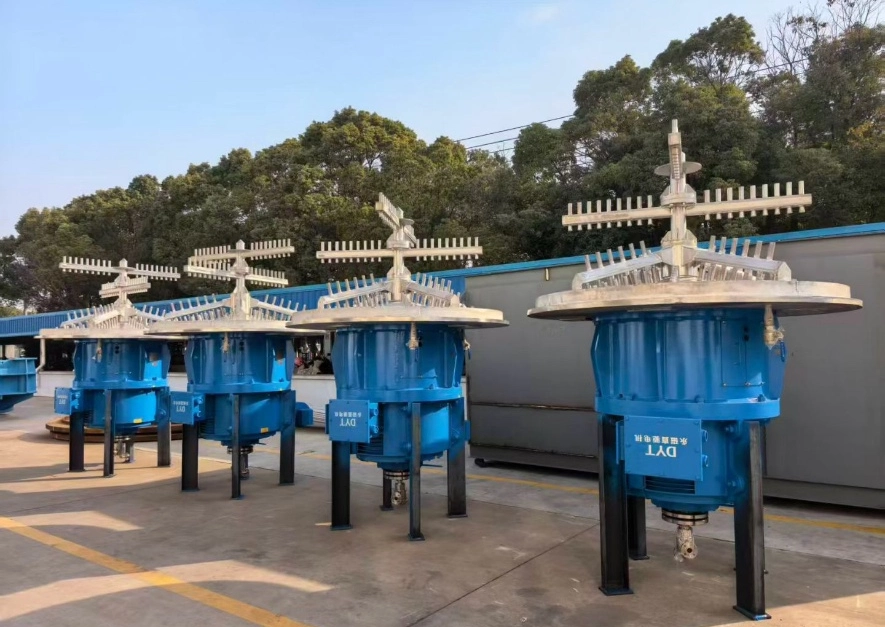
The NHD vertical filter cake crusher uses a design that targets lumps right at the source. NHD crushers produce optimal particle sizes via adjustable settings, allowing for real-time tuning without interrupting production. This design accelerates drying cycles and significantly boosts overall process efficiency. The machine’s blades are built tough for sticky stuff, ensuring long runs without breakdowns. Compared to manual methods, it delivers steady results, cutting energy use by breaking thermal barriers effectively.
Sticky Materials Cause Clogging and Downtime
Dealing with adhesive filter cakes brings another set of headaches beyond just size issues. These materials tend to stick together or to equipment walls, creating blocks that halt operations. In humid environments or with certain chemicals, this sticking worsens, turning a smooth process into a stop-start ordeal. Downtime from clogs can cost thousands per hour in lost production.
The Root Cause: Adhesion and Bridging
Adhesion happens when wet particles bond due to surface tension or chemical properties. In filter cakes from presses, this leads to bridges—arches of material that block chutes or dryer inlets. High-moisture materials are prone to bridging, which halts flow and forces manual intervention. These recurring blockages cause mechanical strain, leading to premature equipment wear.
From these basic adhesions, problems cascade into full blockages that ripple through the plant. A single clog doesn’t stay isolated; it affects schedules, maintenance, and even safety checks.
The Domino Effect of a Blockage
A single blockage can trigger a series of problems, ranging from cleaning-related downtime and disrupted production schedules to accelerated equipment wear and tear. Imagine a clog in the dryer feed line—it stops the flow, idling machines upstream and downstream. Delayed shipments and mechanical damage—costing $5,000+ per repair—are common. Without proper crushing, these weekly incidents can drive annual losses over $100,000. The effect spreads to labor, as teams shift from core tasks to fixes, reducing overall morale. And then, equipment wears faster from uneven loads, cutting service life by 20%. This chain reaction underscores why preventing clogs at the crushing stage saves more than time—it protects the whole operation.
NHD’s Anti-clogging Design
NHD’s filter cake crusher incorporates smooth surfaces and rotating elements to prevent build-up. Gravity-driven vertical flow reduces bridging by 70%, while automated self-cleaning eliminates manual intervention—slashing metallurgical downtime from 5% to under 1% monthly. This design suits high-viscosity materials, ensuring particles don’t reconglomerate post-crush. Moreover, its corrosion-resistant parts ensure its durability, extending its service life by 2-3 years compared to the basic model.
Frequent Manual Handling Raises Risk and Cost
Beyond energy and clogs, relying on workers to break lumps manually adds layers of expense and danger. In many setups, staff use tools to smash cakes, exposing them to dust, noise, and heavy lifting. This not only hikes labor bills but also clashes with modern safety standards. In regions like Europe and the US, where EHS (environment, health, and safety rules are strict, such practices invite fines or shutdowns.
The Hazardous “Lump Breaking” Task
Breaking lumps by hand involves workers standing near moving parts, risking slips or strains. Dust from cakes can irritate lungs, leading to health claims costing $10,000 per case on average. And the noise levels often exceed 85 decibels, requiring ear protection but still posing long-term hearing risks. In EHS-focused areas, manual handling is seen as a barrier to full automation, with audits flagging it as high-risk. Labor costs add up too—assigning two workers per shift for this can run $50,000 yearly in wages alone. Plus, inconsistency in manual crushing leads to variable quality, affecting downstream processes. Automating these tasks significantly enhances workplace safety, making hazard reduction a primary catalyst for equipment upgrades.
NHD Enables True Continuous Automation
The NHD vertical filter cake crusher fits right after the press filter, automating the break-up without human touch. It operates synchronously with the conveyor, and the seamless conveyor integration enables high-volume continuous processing. This cuts labor needs by 40%, freeing staff for oversight roles. In automated lines, it boosts uptime to 95%, compared to 80% with manual steps. Features like sensors detect overloads early, preventing stops. For plants aiming for full automation, this crusher bridges the gap, ensuring cakes feed dryers without pauses.
Unlocking automation’s benefits goes further, enhancing the entire line’s output and returns. Installing such a crusher pays off quickly through savings and gains.
Where NHD Filter Cake Crushers Deliver Maximum Value
Certain industries face amplified challenges with filter cakes due to their material properties or process demands. In these areas, effective crushing isn’t optional—it’s core to success. Drawing from proven applications, the NHD equipment shines where moisture and stickiness are high. Whether in emerging technology or traditional extraction, it adapts to specific needs, but let’s explore the sectors where it makes the biggest impact.
- New Energy & Battery Materials: In new energy fields, like producing battery positives and negatives, filter cakes are often fine and wet, clumping easily. The NHD crusher provides high-capacity fragmentation, ensuring materials are perfectly prepared for efficient drying. Accelerated cycles help meet tight EV supply chain deadlines, while uniform processing of intermediates prevents defects in final products.
- Hydrometallurgy & Non-ferrous Metals: Wet metallurgy for metals like copper or nickel yields sticky cakes that clog systems. The NHD automatic cake crusher disperses them effectively, reducing moisture retention by 15%. In operations processing 10 tons daily, this means fewer halts and better recovery rates. Its robust build withstands corrosive environments, lasting longer in harsh conditions.
- Continuous “Filter Press+ Dryer” Process: For lines linking presses directly to dryers, smooth transitions are vital. The NHD filter cake disintegrator ensures even flow, cutting energy by 12-18% in continuous setups. It integrates without redesigns, supporting 24/7 runs with minimal oversight.
- Congo Project Case Study: In the Congo project for CMOC, the NHD filter cake crusher has run steadily for over six months, replacing imported gear. It processes high-moisture cakes from non-ferrous extraction, delivering consistent output. Site teams praise its reliability and easy upkeep, exceeding expectations and cutting downtime by 30%. This success highlights its value in tough overseas settings.
Conclusion
The NHD filter cake crusher overcomes three core challenges: uniform crushing, anti-clogging, and automated integration, directly removing the constraints of the drying process and revitalizing the entire dewatering and drying production line. Investing in it will be a crucial upgrade to the reliability, continuity, and profitability of your production line.
As a leading filter cake crusher manufacturer in China, NHD is ready to tailor solutions for you. Contact us at sales@chinanhd.com to learn more about our case studies and specifications. This upgrade will transform your operating model, saving your time and resources while helping you achieve your environmental goals!