 English
  French
  Spanish
  Russian
  Arabic
  Portuguese
  Indonesian
  German
  Turkish
  Persian
  Vietnamese
  中文
中文 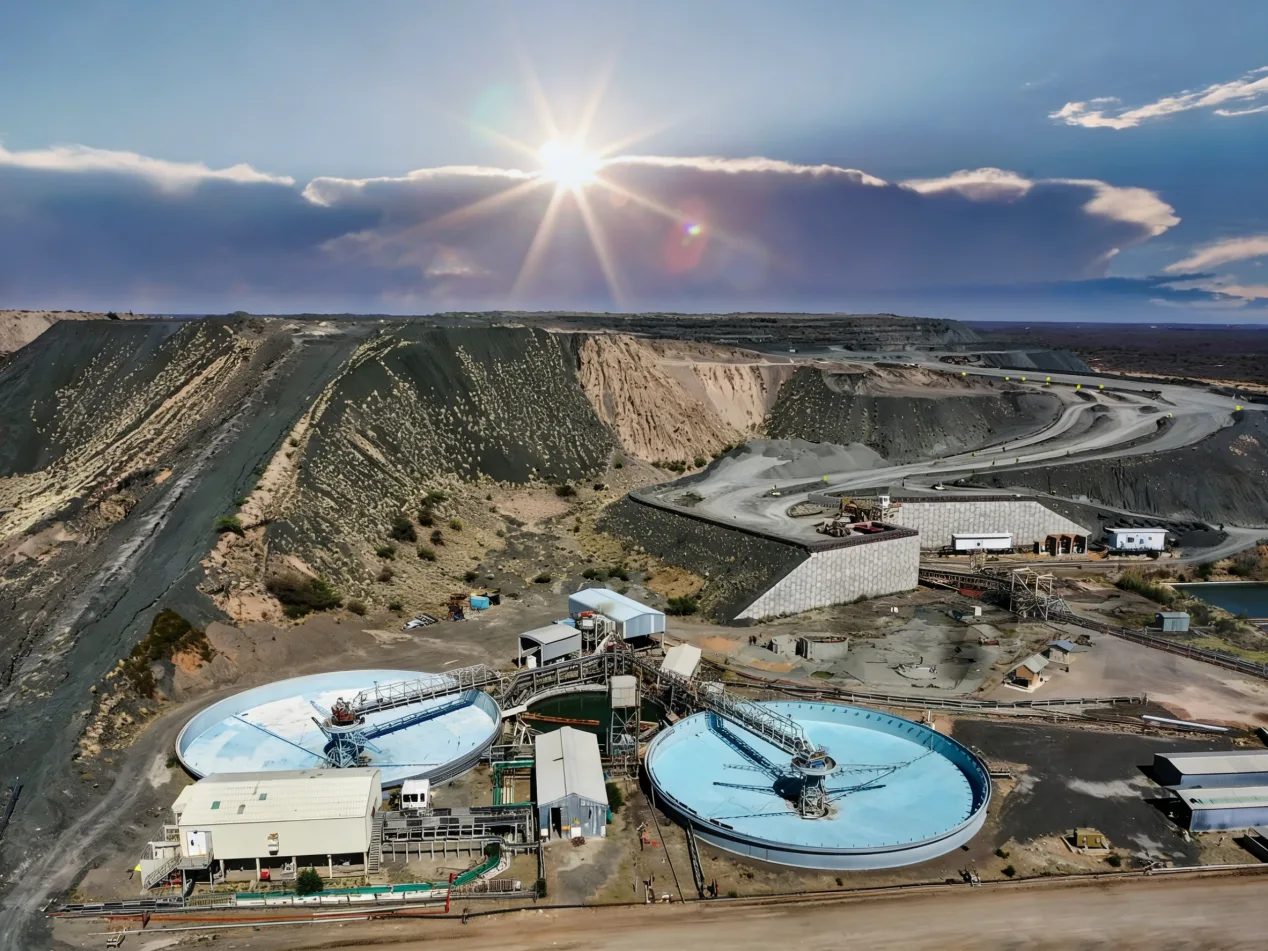
Recent headlines have spotlighted the push for safer mining practices, especially after the 2022 Jagersfontein dam collapse in South Africa that displaced hundreds and highlighted the dangers of traditional tailings storage. As international bodies like the ICMM urge Tailings Dry Stacking methods, mines are turning to NHD’s advanced Vertical filter press systems to ensure environmental compliance and operational sustainability. In this blog, we’ll dive into how these features reshape operations for mining pros seeking reliable ways to manage tailings and strengthen their backfill strategies.
How Filter Presses Transform Tailings into Valuable Resources
Filter press machines do more than separate solids from water in mining waste. They create outputs that hold real worth for reuse. In tailings management, this means turning slurry into dry, stable forms ready for new roles. The process cuts down on storage needs and opens up economic gains. Many sites now view tailings not as trash but as a source for building materials. This mindset shift comes from better tech that hits purity targets consistently. Let’s explore the chemical hurdles and how they lead to smart replacements and savings.
Cracking the Chemistry
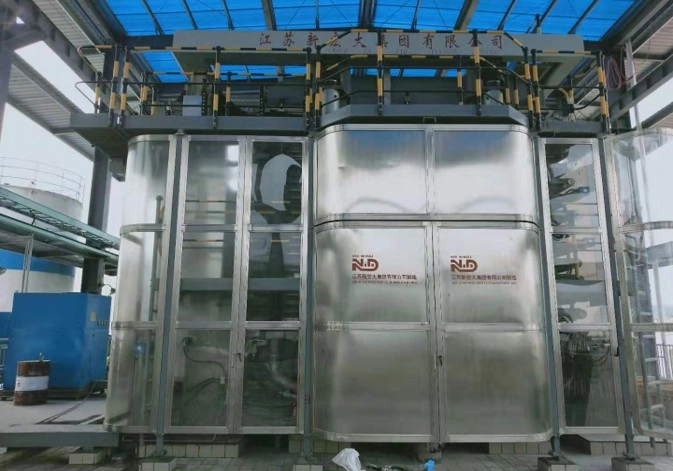
Achieving non-hazardous tailings requires precision: dropping phosphorus to <0.2%, fluorine to <0.03%, and removing organic traces. Vertical filter press designs apply a steady force, up to 1.8 MPa, across broad plates. This pushes out contaminants that might otherwise pollute groundwater. Take lithium extraction sites, where high fluorine is common—these units can wash cycles repeatedly, reducing levels by 60-70% in one pass. The coarse crystals that form are inert, meeting standards from agencies like China’s Ministry of Ecology and Environment. Without this precision, residues could harm ecosystems for years. But with it, the gypsum becomes a clean base, free from leaching risks.
Maximizing ROI: Tailings as a Cement Replacement
High-purity active gypsum produced by NHD systems can replace 60-80% of cement in mine backfill, reaching compressive strengths of 1.5-2.5 MPa.
- Material Savings: Reduce backfill costs by 40% per cubic meter.
- Annual Profit: A 400t/day mine can save$150,000 annually on cement purchases.
- Avoided Costs: Save $40 per ton in disposal charges.
- Payback Period: Most projects recoup their filter press investment within 15-20 months.
High-Pressure Filtration: The Engine Behind Dry Stacking
Dry stacking lets mines build tall, stable heaps of dewatered tailings, far from the wet ponds that breed failures. High-pressure filtration is the force that makes this possible, pressing slurries hard to extract moisture. Sites using it report fewer incidents and better land use. As rules evolve—think the EU’s 2023 tailings directive—this method grows vital. It handles diverse ores, from iron to rare earths, with consistent results. Now, consider the ways it hits low moisture marks, trims extra expenses, and cleans up outputs.
Achieving Ultra-Lower Cake Moisture
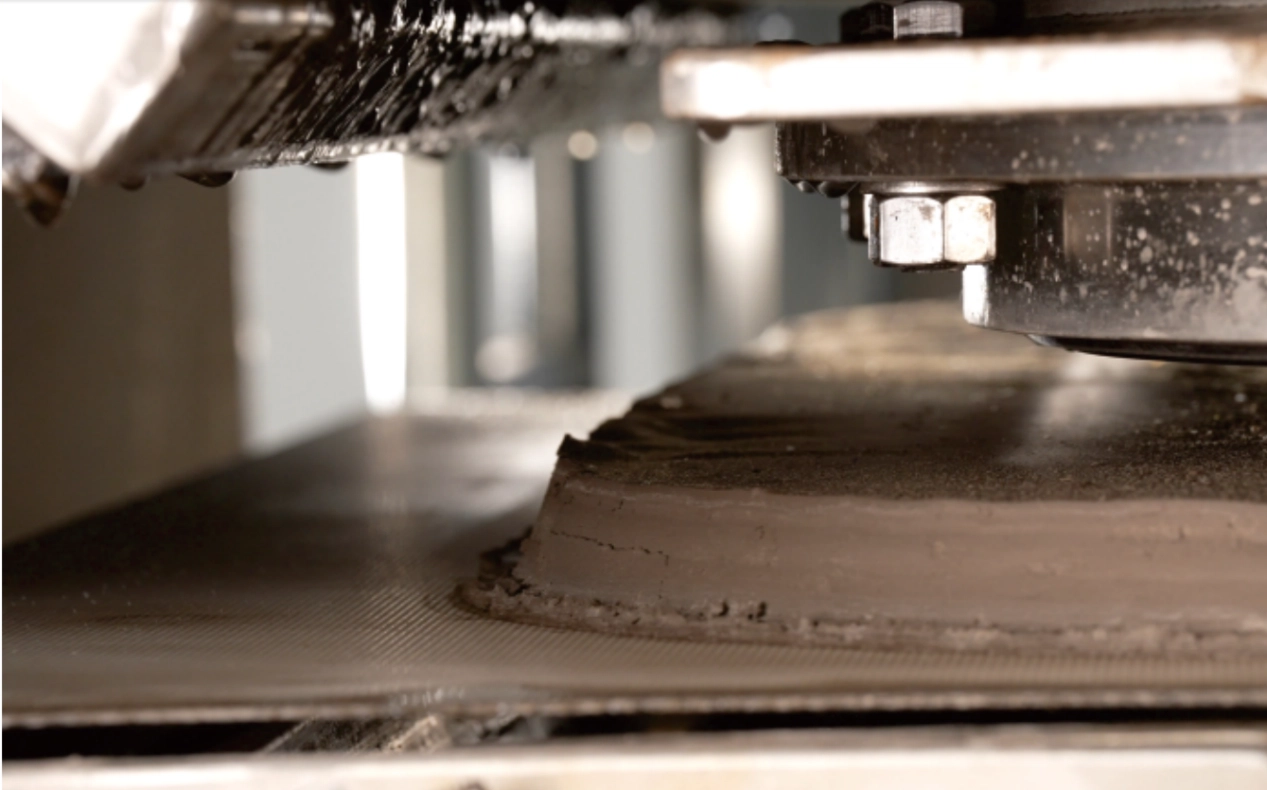
Unlike traditional belt filters that leave 35% moisture, NHD’s high-pressure filtration drives moisture down to 12-18%. This is the critical threshold for Tailings Dry Stacking, allowing for stable heaps up to 40 meters high without risk of slides.
- Energy Savings: Eliminates the need for fuel-heavy rotary kilns, cutting energy bills by up to 30%.
- Water Recovery: Counter-flow rinsing recycles 35% of process water, a vital feature for mines in arid regions.
How Automatic Pressure Filter Systems Maximize Mining Throughput
Big mines need gear that keeps pace with extraction rates, and automatic pressure filters deliver by running cycles on their own. This boosts daily output while cutting stops. For tailings dry stacking, steady flow means no backups. Sensors catch issues early, holding uptime at 96%. These machines suit high-tonnage sites, processing varied feeds smoothly. Here’s a look at their capacity growth, nonstop running, and smart space use.
Scalable Production Capacities
Same footprint, but output jumps 5-7 times over old plate-and-frame types. A 120㎡ model handles 180 tons hourly, easy to ramp for expansions. It adapts to ore shifts, like from soft clays to hard rocks. No big rebuilds—just tweak plates or speeds. Perfect for ops doubling size in years.
Continuous Industrial Operation
Full auto modes let one person watch over three units, ditching the hand labor of frames. Hydraulics shift everything in seconds. This halves crew sizes, vital in short-staffed areas. Machines log 4,500 hours between services, rarely faltering. Remote monitoring adds peace of mind for far-flung sites.
Optimized Plant Footprint
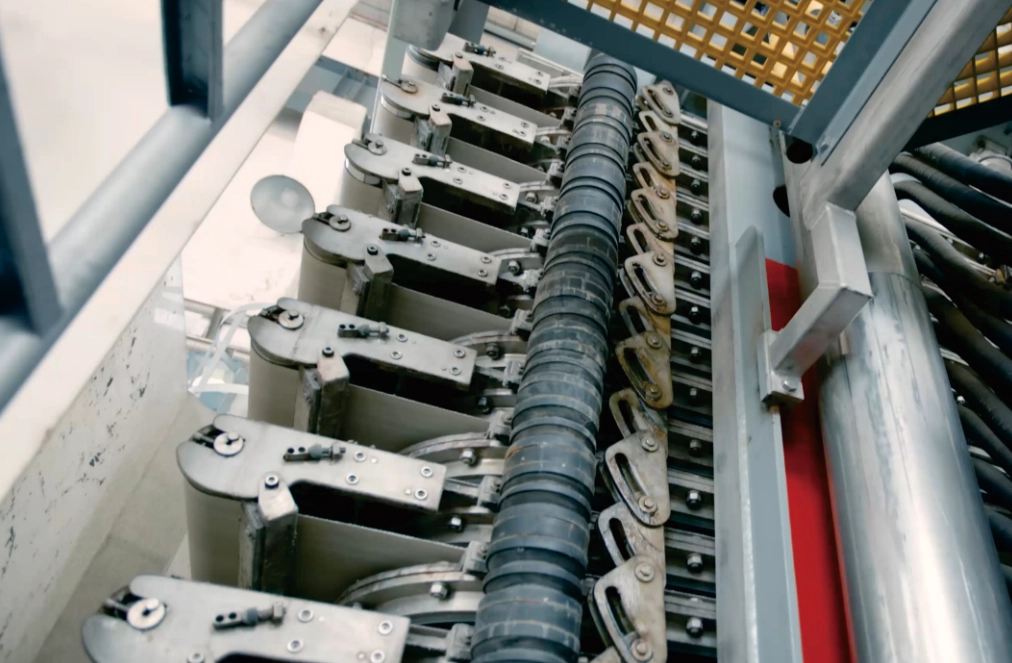
High capacity in a small spot—a 150m2 filter takes 40m2 floor space. This drops build costs 25% versus spread-out gear. The vertical structure facilitates maintenance and eliminates the need for working at heights. Overall efficiency is extremely high.
Picking the best maker ensures these perks hold up. A top vertical filter press manufacturer brings scale, strong runs, and proven wins to the table.
What Makes a Top Vertical Filter Press Manufacturer?
Solid makers stand out with durable builds and custom fits for mining challenges. They use tough steels against wear, lasting 18 years in harsh spots. And their patents show fresh ideas, while certs prove standards. Track records in varied lands seal the deal. Let’s check out the scalability, performance, and real-world hits that define leaders.
Massive Scalability
NHD rolls out top setups like the 180m2 with 30 plates, cranking high yields for tough jobs. This equipment can operate continuously, meeting the needs of large projects with a daily processing capacity exceeding 400 tons. From testing to complete production lines, NHD provides a variety of expansion options to continuously upgrade as your business grows.
Superior Performance
Designed for high-tonnage sites, our systems offer 6x the processing capacity per unit area compared to old plate-and-frame filters. Under light loads, the processing cycle takes only 5-6 minutes. This keeps the filter cake moisture content below 16%, which is beneficial for the dry stacking of tailings. The unit is robustly constructed, capable of handling high-particle slurries, and maintains the stability of high-pressure filtration.
NHD: A Proven Vertical Filter Press Manufacturer
With 200+ patents and ISO certifications, NHD ensures field success across 50+ countries. Our technology is trusted by global leaders, including:
- Copper: Zijin Mining (Serbia)
- Nickel: Huayue NiCo & PT Merdeka Tsingshan (Indonesia)
- Lead/Zinc: Yunnan Xiangyun Feilong (China)
Conclusion
Vertical pressure filters spark the move to dry stacking and waste reuse in mining. They yield pure, dry active gypsum that swaps for cement, trimming build costs and shielding the environment. Mines gain from this shift, making waste work for them. Contact NHD now at sales@chinanhd.com to discuss solutions suitable for your mine.
FAQs
Q1: How does a filter press reduce mine construction costs?
A: It turns tailings into active gypsum, replacing 60-80% of cement in backfill. This saves 40% on materials per meter cubed, plus skips waste fees.
Q2: Can vertical filter press eliminate the need for drying equipment?
A: Often yes, with pressures yielding 12-18% moisture for direct stacking. This cuts energy by 20-30%, no extra dryers required.
Q3: How much more efficient is a vertical filter press compared to a plate-and-frame press?
A: Up to 6x more per area, with 5-6 minute cycles versus longer manual ones. It boosts throughput and drops labor by half.