
 English
  French
  Spanish
  Russian
  Arabic
  Portuguese
  Indonesian
  German
  Turkish
  Persian
  Vietnamese
  中文
中文 As global competition over critical minerals intensifies, Russia’s latest policy move signals a decisive turn toward resource independence. This article explores how Putin’s rare earth directive could reshape not only Russia’s mining strategy but also the global demand for advanced extraction and processing equipment.
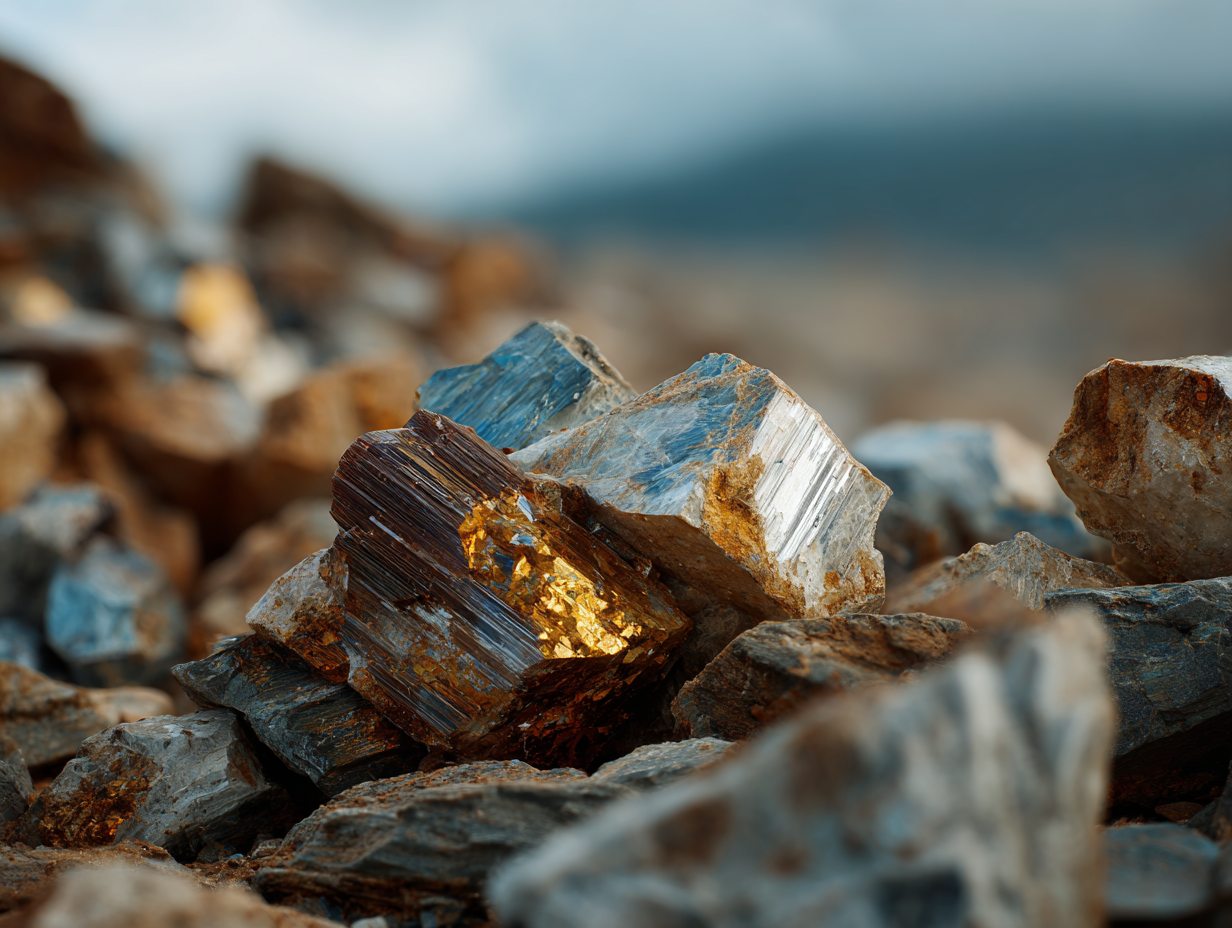
Overview of Russia’s Rare Earth Mining Directive
Context Behind Putin’s November 2025 Order
Russian President Vladimir Putin directed the Russian cabinet to create a plan for rare earth mineral extraction by December 1 during his Tuesday address. The Kremlin website published this directive as part of multiple strategic economic instructions. The government received two separate instructions from Putin to create multimodal transport and logistics centers near Chinese and North Korean borders. The directive supports Russia’s growing initiative to control essential strategic resources because political tensions and economic sanctions have disrupted established trade routes.
The Strategic Importance of Rare Earth Elements
Modern technologies depend on rare earth elements (REEs) for their operation. The performance and size reduction of high-tech components depend on REEs which power electric vehicles and wind turbines and advanced military systems and semiconductors. The international trade now depends on rare earth elements because they power essential technologies in smartphones and electric vehicles and military systems. The growing need for clean energy and digitalization requires industries to establish reliable and diverse rare earth element supply networks.
Implications of the Roadmap Initiative
The policy initiative from Putin represents a strategic move to develop domestic value through resource-based revenue generation. The initiative signals upcoming investments to build mining infrastructure and processing facilities and extraction technology systems. The initiative shows potential for substantial business opportunities in rare earth extraction equipment markets. The transition creates new market access for equipment producers and technology solution providers who want to enter Russia’s developing critical minerals sector.
Decoding the Strategic Environment and Signals
Russia’s Rare Earth Reserves and Production Capacity
Russia maintains extensive rare earth deposits which remain unexploited. The Russian Ministry of Natural Resources reports that the country possesses 28.7 million tons of REE reserves spread across 15 different types. Russia maintains substantial rare earth deposits yet its ability to process these resources and create value-added products remains limited. The existing gaps between Russia’s natural resources and its processing capabilities create obstacles for fast roadmap execution yet they present substantial business opportunities for companies that will invest in initial development stages.
Global Landscape: Comparing with China’s Dominance
China stands as the world’s leading producer and processor of REE materials. China has responded to US tariffs by implementing export restrictions on rare earth materials during this year. The country operates more than 80% of rare earth processing facilities worldwide. Russia works to establish itself as a new supply source which will create a more stable worldwide mineral distribution network. The roadmap initiative demonstrates Moscow’s plan to evolve from exporting raw materials into becoming a complete high-tech mineral market participant.
Strategic Objectives Behind the Roadmap
The roadmap contains three main strategic goals which include decreasing foreign processing dependence and enhancing national technological self-reliance and creating value from essential resources through home-based industrial production. The construction of modular transport infrastructure between China and North Korea borders indicates a plan to optimize export and logistics management.
Key Signals from the Policy Shift
Three policy signals stand out. The government supports companies to move from mineral extraction to complete value chain operations. The government has made industrial infrastructure development its top priority to serve as a fundamental growth factor. The market will experience a significant increase in demand for specialized extraction equipment which includes modular systems for remote and hard-to-reach locations.
Implications for Extraction Equipment Demand and System Requirements
Commonly Used Equipment in Rare Earth Processing
Rare earth beneficiation operations need specific equipment including mixers and vacuum filters and flotation devices and thickeners and automated pressure filters. The Vertical Automatic Pressure Filter provides process continuity and enhanced dewatering efficiency to users. The Rotary Table Vacuum Filter serves as a popular choice for big-scale solid-liquid separation work in mineral processing operations.
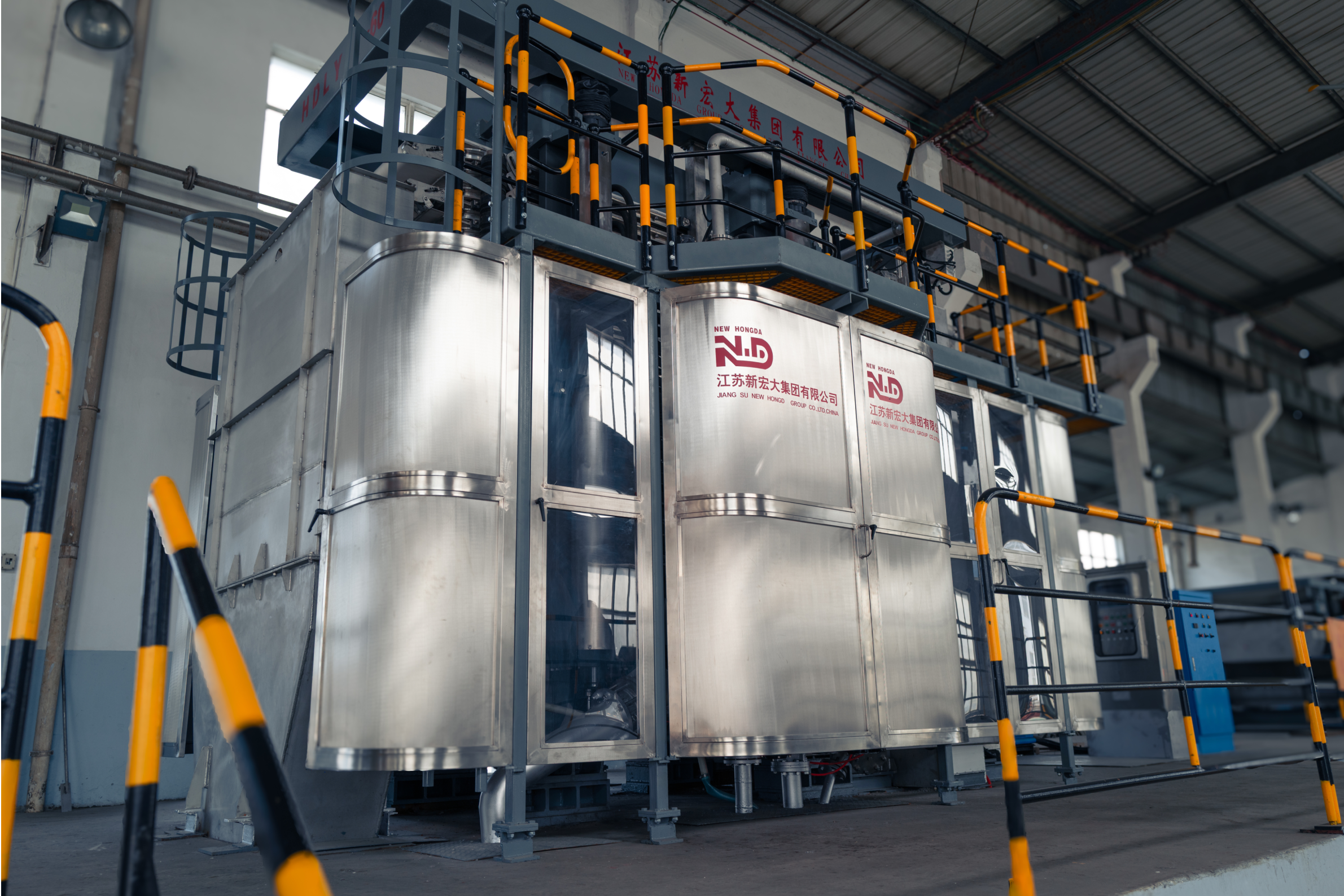
Highlighting Competitive Strengths Through Product Integration Strategy
Company Expertise in Rare Earth Extraction Solutions
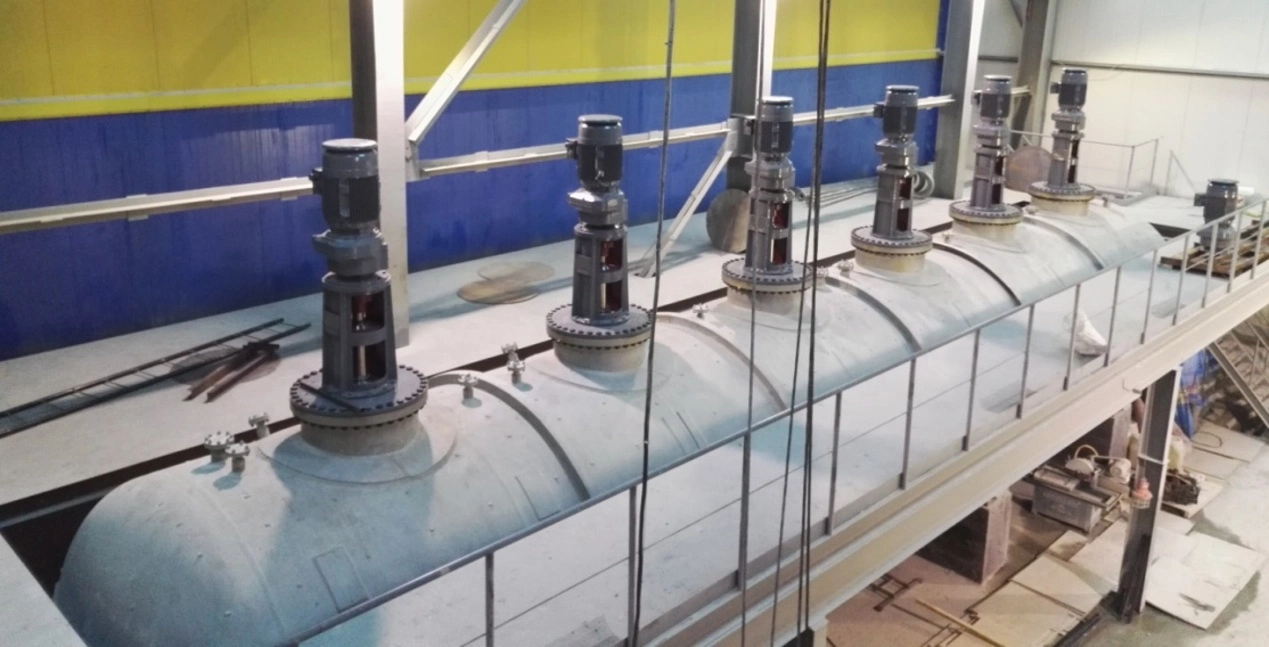
Jiangsu New Hongda Group Co., Ltd. (NHD) has achieved position as a top company that specializes in mineral processing technology. The company has worked on more than 800 projects while maintaining business relationships with over 1000 customers across phosphoric chemical and alumina and non-ferrous smelting industries. The company provides complete process solutions through its engineering expertise which includes Agitator for Nonferrous Industry and Beneficiation and rare earth application filtration systems and fully automated filtration systems.

Illustrative Project Deployments Supporting Strategic Goals
NHD completed the delivery of complete equipment solutions to Northern Minerals’ Australian pilot plant site by November 25, 2017 which proved their capability to fulfill strict project timelines and follow international mechanical and environmental regulations. Northern Minerals officially recognized NHD for their work in designing to standards and their excellent technical support and prompt project completion.
Vision Alignment with Resource Nation Strategies
The company philosophy at NHD supports national development plans which aim to enhance domestic mineral processing operations. The advancement of our technology has eliminated all production barriers for China’s phosphate chemical industry. NHD stands as a dedicated long-term business partner for Russia because it works to create advanced equipment through collaborative development.
Navigating Opportunities Amid Structural Challenges
Strategic Potential vs Operational Realities
The geopolitical importance of Russia’s roadmap stands as a significant achievement yet its actual deployment encounters multiple obstacles in the real world. The processing abilities of Russia remain significantly lower than those of China. The start of operations depends on solving both technological and logistical infrastructure problems. The equipment supplier market receives new business opportunities because these implementation obstacles create requirements for fast deployment solutions.
FAQ
Q1: How does Russia compare with China in terms of rare earth capabilities?
A: Russia maintains substantial reserve levels at 28.7 million tons but it does not have sufficient processing facilities. China dominates the world’s REE processing industry through its control of more than 80% of global capacity.
Q2: What types of equipment are essential for rare earth processing?
The essential systems for the process include agitators and pressure filters and thickeners and flotation cells and vacuum filters.
Q3: What makes NHD a relevant partner for Russia’s roadmap?
A: NHD demonstrates its ability to deliver results through its work on international projects that need strict compliance and its complete range of customizable rare earth extraction equipment supported by extensive R&D.