 Vietnamese
  English
  French
  Spanish
  Russian
  Arabic
  Portuguese
  Indonesian
  German
  Turkish
  Persian
  中文
中文 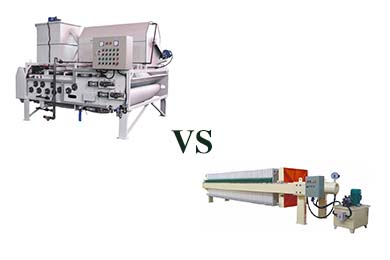 Thiết bị lọc công nghiệp đóng một vai trò quan trọng trong việc tách chất rắn khỏi chất lỏng. Nó tăng chất lượng sản phẩm và hỗ trợ các phương pháp sản xuất sạch hơn. Trước khi so sánh một lọc với một máy ép lọc, nó là hữu ích để nắm bắt cách thiết bị lọc công nghiệp hoạt động.
Tổng quan về thiết bị lọc công nghiệp
Thiết bị lọc công nghiệp giữ một vị trí quan trọng trong việc giữ hiệu quả quy trình cao và chất lượng sản phẩm mạnh mẽ trong các lĩnh vực như chế biến hóa chất, dược phẩm, thực phẩm và đồ uống và xử lý nước thải. Lọc nhằm loại bỏ các tạp chất. Nó cũng bảo vệ các máy móc hạ lưu chính khỏi thiệt hại.
Mục đích và chức năng của lọc trong các quy trình công nghiệp
Lọc loại bỏ chất rắn từ chất lỏng hoặc khí để đạt được độ tinh khiết của sản phẩm. Nó giúp duy trì công việc của máy bơm, van và lò phản ứng. Trong các lĩnh vực như dược phẩm hoặc sản xuất thực phẩm, mức độ tinh khiết cao là rất quan trọng để đáp ứng các quy tắc quy định. Việc lựa chọn thiết bị lọc phụ thuộc vào các yếu tố như kích thước phân tán, tỷ lệ dòng chảy và thiết lập quy trình chính xác.
Phân loại các bộ lọc công nghiệp
Hệ thống lọc rơi vào các nhóm chính: bộ lọc bề mặt và bộ lọc chiều sâu. Bộ lọc bề mặt bắt các chất ô nhiễm trên bộ lọc’ s lớp bên ngoài. Bộ lọc chiều sâu giữ các hạt sâu trong môi trường. Các loại thiết bị thông thường bao gồm bộ lọc chân không, bộ lọc lá, bộ lọc hộp mực và máy ép lọc. Mỗi loại mang lại lợi ích độc đáo.
Hiểu các bộ lọc tiêu chuẩn trong các ứng dụng công nghiệp
Bộ lọc công nghiệp điển hình được xây dựng cho công việc liên tục nơi dòng chảy chất lỏng ổn định quan trọng. Chúng phù hợp với các nhiệm vụ cần loại bỏ các hạt nhỏ mà không có nhiều dừng lại trong quá trình.
Nguyên tắc thiết kế của bộ lọc thông thường
Bộ lọc tiêu chuẩn hoạt động bằng cách bắt các chất gây ô nhiễm trong vật liệu xốp hoặc bên ngoài của nó. Dựa trên yêu cầu quy trình, chúng có thể sử dụng các bộ phận lọc một lần hoặc tái sử dụng. Con đường dòng chảy - bên trong ra hoặc bên ngoài vào - định hình cách các chất ô nhiễm tích lũy trên phương tiện truyền thông. Điều này cũng ảnh hưởng đến sự tắc nghẽn xảy ra nhanh như thế nào.
Các loại bộ lọc công nghiệp phổ biến
Bộ lọc chân không
Bộ lọc chân không thường được sử dụng để tách rắn-lỏng liên tục trong sản xuất công nghiệp. Chúng phù hợp cho vật liệu bùn cần lọc ổn định, hình thành bánh, rửa và xả. Dòng lọc của NHD bao gồm các loại lọc chân không như lọc chân không bàn quay, bộ lọc chân không pan, bộ lọc đĩavà bộ lọc chân không vành đai cao su ngang.
Bộ lọc lá
Bộ lọc lá là một lựa chọn phổ biến khác cho các nhiệm vụ lọc công nghiệp đòi hỏi lọc kín và đầu ra chất lỏng sạch hơn. Chúng thường được sử dụng khi quá trình cần hiệu suất lọc ổn định, hoạt động được kiểm soát và cấu trúc thiết bị tương đối nhỏ gọn.
Bộ lọc hộp mực
Bộ lọc hộp mực phục vụ lọc tốt trong các nhiệm vụ dòng chảy thấp đến trung bình. Chúng dễ thay đổi nhưng có thể cần bảo trì thường xuyên khi đối mặt với lượng hạt nặng.
Khám phá hệ thống ép lọc
Máy ép lọc nổi bật là một trong những lựa chọn tốt nhất để tách rắn-lỏng trong các nhiệm vụ lô. Nó đặc biệt hữu ích khi đối phó với mức độ chất rắn cao một cách hiệu quả.
Cấu trúc và hoạt động của máy ép lọc
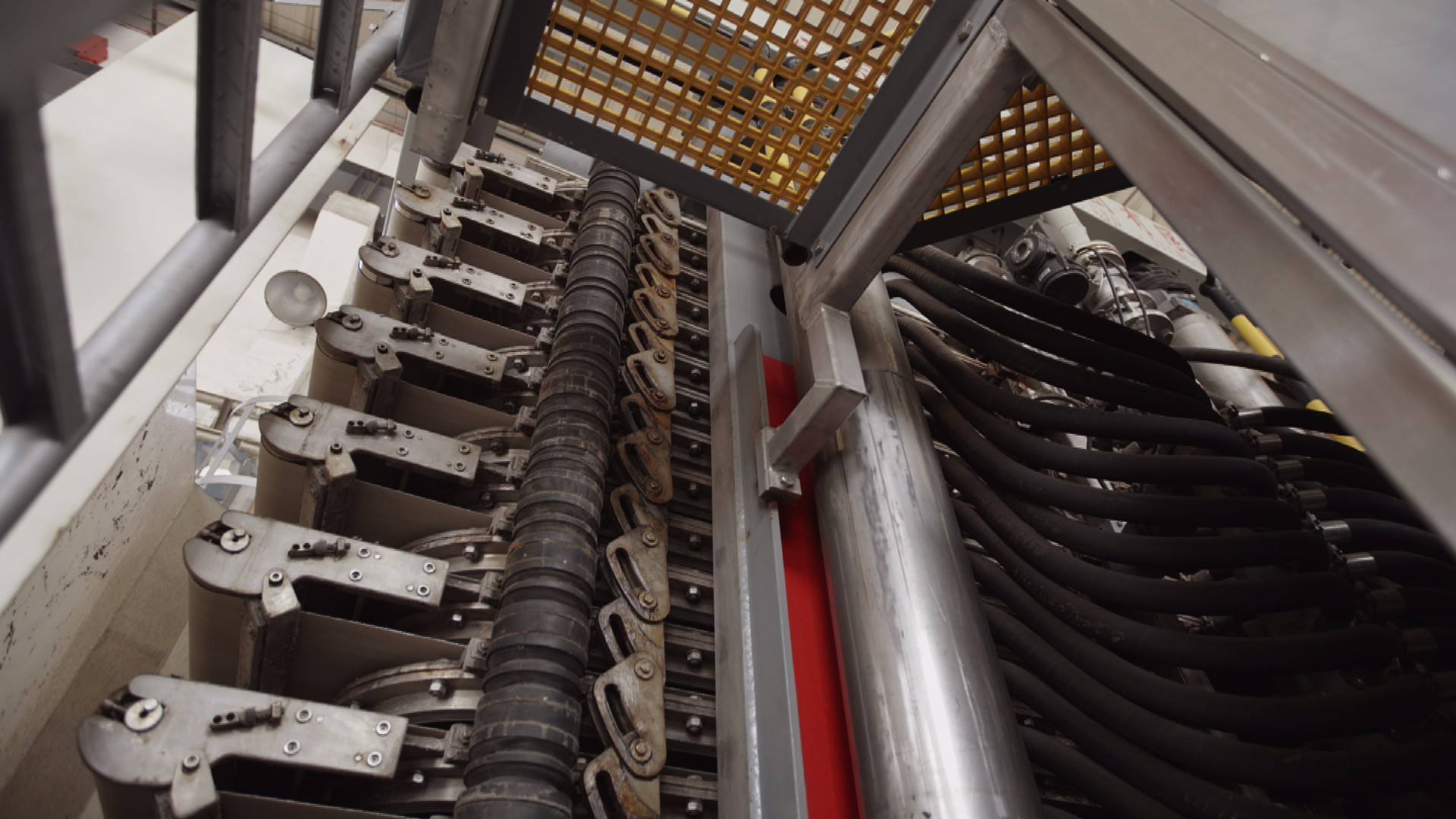
Máy ép lọc là một công cụ cơ học sử dụng áp suất để kéo các hạt rắn từ chất lỏng. Ý tưởng cốt lõi là chất lỏng đẩy ra thông qua một môi trường lọc, như một vải lọc hoặc màng. Điều này để lại vật liệu rắn khô phía sau. Khi sử dụng, một số tấm được bao phủ bằng vải lọc tạo ra các buồng bùn. Áp suất thủy lực hoặc cơ khí đẩy chất lỏng qua vải. Trong khi đó, chất rắn tích tụ như bánh giữa các tấm. Thiết lập này chạy trong chế độ lô, không phải dòng chảy ổn định.
Các thành phần của một hệ thống ép lọc
Tấm lọc và khung
Tấm lọc thường được làm từ nhựa hoặc kim loại cứng với hàng lỗ chính xác. Những lỗ này cho phép lọc chảy qua nhưng chặn các hạt rắn. Thiết lập quyết định kích thước phòng và chiều sâu bánh. Cả hai đều ảnh hưởng trực tiếp đến việc khử nước hoạt động tốt như thế nào.
Hệ thống thủy lực và cơ chế kiểm soát
Hệ thống áp suất: Nó áp dụng lực để đẩy hỗn hợp qua vải lọc. Điều này bẫy các hạt rắn trên vải. Các hệ thống mới hơn thường bao gồm các điều khiển tự động. Những thứ này quản lý chu kỳ áp suất và thay đổi tấm cho kết quả ổn định với ít nhu cầu làm việc thực tế.
Sự khác biệt chính giữa bộ lọc và máy ép lọc
Cả hai đều xử lý lọc, nhưng phong cách chạy của họ, tỷ lệ hiệu quả và nhu cầu bảo trì khác nhau rất nhiều dựa trên nhu cầu quy trình.
| Điểm so sánh | Bộ lọc tiêu chuẩn | Máy ép lọc |
| Chế độ hoạt động | Thường hỗ trợ chạy liên tục. Chất lỏng di chuyển ổn định qua phương tiện lọc dưới sự giảm áp suất nhẹ. | Làm việc theo chu kỳ lô. Bùn được xử lý từng buồng dưới áp suất mạnh. |
| Dòng chảy và đầu ra | Phù hợp hơn cho dòng chảy chất lỏng ổn định, không dừng lại, đặc biệt là trong các ứng dụng chất rắn thấp. | Kháng dòng chảy cao hơn, nhưng đầu ra tách mạnh hơn cho bùn có nhiều chất rắn hơn. |
| Hiệu quả tách rắn-lỏng | Thích hợp cho nhu cầu lọc chung, nhưng ít hiệu quả hơn khi cần các chất rắn rất khô. | Đạt được hiệu quả tách rắn-lỏng cao hơn vì bánh lọc tích tụ dưới áp lực. |
| Ứng dụng tốt nhất | Phù hợp với các nhiệm vụ chất rắn thấp cần lọc chất lỏng liên tục. | Phù hợp với các quy trình cần các chất rắn khô nhất có thể, đặc biệt là các dự án công nghiệp và môi trường. |
| Bảo trì | Yêu cầu thay thế thường xuyên hộp mực, túi hoặc phương tiện lọc khác. | Cần làm sạch sau mỗi chu kỳ lô, nhưng thường có cấu trúc vững chắc và các bộ phận lâu dài. |
| Sử dụng năng lượng | Thông thường thấp hơn khi làm việc dưới áp suất nhẹ. | Tùy thuộc vào việc các hệ thống thủy lực hoặc khí nén tạo ra áp suất hoạt động hay không. |
Lựa chọn giữa bộ lọc và máy ép bộ lọc cho sử dụng công nghiệp
Chọn giữa các đơn vị lọc điển hình và máy ép lọc yêu cầu xem xét chặt chẽ các điều kiện quy trình. Chúng bao gồm các đặc điểm lỏng, kích thước sản xuất, thiết lập chi phí và mong muốn tự động hóa.
Độ dày, kích thước phân tán và lượng chất rắn xác định hệ thống nào hoạt động tốt nhất. Bùn dày thường thích các hệ thống dựa trên báo chí. Họ xử lý hỗn hợp dày đặc tốt. Các mục tiêu sản xuất hàng loạt hoặc liên tục cũng định hình sự lựa chọn. Máy ép tự động phù hợp với sản xuất quy mô lớn nơi cắt giảm thời gian ngừng hoạt động là chìa khóa. Yếu tố chi phí cân bằng chi tiêu trước với tiết kiệm liên tục từ việc loại bỏ chất thải ít hơn hoặc tỷ lệ phục hồi tốt hơn.
Các ứng dụng thực tế trên khắp các ngành công nghiệp
Lọc là một phần quan trọng trong nhiều lĩnh vực. Nó đảm bảo chất lượng sản phẩm ổn định và giảm thiệt hại môi trường bằng cách phục hồi tài nguyên tốt.
Trong sản xuất hóa chất, các nhiệm vụ như phục hồi chất xúc tác hoặc làm sạch dung môi cần kiểm soát chính xác việc loại bỏ chất rắn. Lĩnh vực hóa học bao gồm nhiều bước sản xuất nơi các hạt rắn phải tách khỏi chất lỏng để đảm bảo chất lượng sản phẩm.
Xử lý thực phẩm sử dụng lọc để làm sạch nước ép, tinh chế đường, làm sạch dầu ăn và xử lý nước thải nhà máy. Điều này đáp ứng các quy tắc vệ sinh.
Sử dụng kỹ thuật môi trường bao gồm sấy bùn trong xử lý nước thải. Điều này nhằm giảm số lượng xử lý trong khi thu hồi lại dòng chảy nước có thể sử dụng được. Bằng cách chọn và sử dụng máy ép lọc một cách khôn ngoan, các công ty hóa chất có thể đạt được các hoạt động xử lý nước thải trơn tru.
Tiến bộ công nghệ trong hệ thống lọc công nghiệp
Hôm nay’ Lọc công nghiệp của chúng tôi đã phát triển vượt qua phân loại cơ học cơ bản thành xử lý quy trình thông minh được hỗ trợ bởi các công cụ tự động hóa. Thêm cảm biến cho phép kiểm tra thời gian thực các chi tiết như khoảng cách áp suất, tốc độ dòng chảy, thay đổi nhiệt độ và chiều sâu bánh trong chu kỳ ép. Các phương pháp bảo trì dự đoán bây giờ phát hiện sự cố có thể xảy ra trước khi chúng dừng hoạt động. Điều này tăng đầu ra trong các trang web sử dụng cả bộ lọc điển hình và hệ thống báo chí.
Tiến bộ về vật liệu cũng đã nâng hiệu suất. Màng polymer mới xây dựng khả năng chống lại hóa chất tốt hơn. Các lớp sợi nano làm tăng sự bắt các hạt nhỏ mà không gây hại cho dòng chảy hoặc công suất đầu ra.
Đối với các nhà máy tìm kiếm các giải pháp hàng đầu pha trộn các công nghệ này vào các hệ thống luồng công việc, NHD cung cấp các lựa chọn linh hoạt được thực hiện cho nhu cầu ngành công nghiệp đa dạng. Nó cung cấp các giải pháp thiết bị lọc công nghiệp được xây dựng xung quanh sự tách rắn-lỏng, hệ thống ép lọc, máy khuấy động, chất làm dày và thiết bị quy trình liên quan.
Câu hỏi thường gặp
Q1: Điều gì khác biệt một bộ lọc công nghiệp với một máy ép lọc?
A1: Một bộ lọc công nghiệp tiêu chuẩn chạy liên tục bằng cách gửi chất lỏng qua phương tiện xốp ở áp suất ngang bằng. Máy ép lọc hoạt động theo lô sử dụng nén mạnh mẽ để có hiệu quả tách rắn-lỏng tốt hơn.
Q2: Các ngành công nghiệp nào có lợi nhất từ việc sử dụng máy ép lọc?
A2: Các lĩnh vực như hóa chất, dược phẩm, chế biến thực phẩm, quản lý chất thải khai thác mỏ và xử lý nước thải có lợi nhất. Chúng đòi hỏi khô hiệu quả trong điều kiện được thiết lập.
Q3: Làm thế nào để tự động hóa cải thiện hiệu suất lọc hiện đại?
A3: Tự động hóa thêm theo dõi thời gian thực thông qua cảm biến theo dõi sự khác biệt áp suất hoặc độ sâu bánh. Bảo trì dự đoán cắt giảm ngừng bất ngờ. Điều này làm tăng độ tin cậy trong tất cả các thiết lập lọc công nghiệp.