
 Vietnamese
  English
  French
  Spanish
  Russian
  Arabic
  Portuguese
  Indonesian
  German
  Turkish
  Persian
  中文
中文 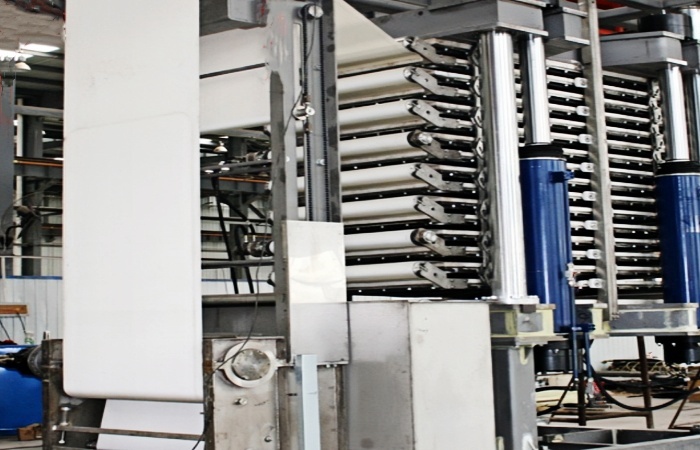 Máy ép lọc tăng cường xử lý bùn. Họ làm điều này bằng cách sử dụng áp suất ổn định để tách nước khỏi chất rắn. Điều này tạo ra một bánh lọc khô hơn và dễ xử lý hơn. Trong các nhiệm vụ khử nước, thành công phụ thuộc vào việc xây dựng báo chí đúng, phù hợp với vải lọc, áp suất thức ăn đúng và quản lý chu kỳ ổn định.
Nguyên tắc khử nước bùn bằng cách sử dụng máy ép lọc
Phương pháp khử nước bùn bằng máy ép lọc là trung tâm của sự tách rắn-lỏng tốt trong chăm sóc nước thải công nghiệp. Nó thay đổi bùn ướt thành một bánh bán rắn hữu ích. Đồng thời, nó phục hồi chất lọc rõ ràng để sử dụng sau đó.
Cơ chế tách rắn-lỏng
Lọc dựa trên áp suất là cách chính để kéo nước từ các chất rắn bùn. Ở đây, bùn được bơm vào các buồng được lót với Lọc vải. Những vải này phục vụ như những rào cản chọn lọc. Họ để lọc lỏng chảy qua nhưng giữ lại các bit rắn. Chu kỳ lọc có một vài giai đoạn - làm đầy, ép, thoát nước và giải phóng bánh. Mỗi giai đoạn giúp xây dựng chất rắn và đẩy nước ra từng chút.
Các thành phần và thiết kế của hệ thống ép lọc
Một thiết lập máy ép lọc đầy đủ phụ thuộc vào một số thành phần cốt lõi, bao gồm tấm lọc, hệ thống thủy lực, máy bơm thức ăn và vải lọc. Những bộ phận này làm việc cùng nhau để kiểm soát cách bùn xâm nhập vào máy ép, áp suất được áp dụng như thế nào và cách nước được tách khỏi chất rắn. Cấu trúc báo chí cũng đóng một vai trò quan trọng trong hiệu suất: máy ép lọc buồng cung cấp khử nước cơ bản ổn định, trong khi máy ép lọc màng thêm một giai đoạn ép bổ sung để độ ẩm bánh thấp hơn.
Loại máy ép lọc được sử dụng trong xử lý bùn
Máy ép lọc khác nhau phù hợp với các đặc điểm bùn khác nhau và nhu cầu công việc. Bạn có thể lựa chọn từ các sản phẩm của NHD.
Máy ép lọc phòng
Máy ép buồng dựa vào buồng khối lượng thiết lập. Bùn bị ép dưới áp lực cho đến khi một bánh rắn có hình dạng. Chúng hoạt động tốt cho bùn với mức độ chất rắn hợp lý và thậm chí trang điểm. Cơ khí cơ bản của họ hứa hẹn chạy đáng tin cậy. Ngoài ra, chúng cần ít bảo trì trong thời gian sử dụng dài.
Máy ép lọc màng
Máy ép lọc màng sử dụng màng linh hoạt được tích hợp vào các tấm lọc để áp dụng một lực ép bổ sung sau giai đoạn lọc ban đầu. Một khi các buồng được lấp đầy và bánh lọc đã hình thành, màng mở rộng dưới áp lực thủy lực hoặc khí nén, ép bánh hơn và loại bỏ độ ẩm còn lại hơn. Việc nén bổ sung này giúp sản xuất một bánh khô hơn, dày đặc hơn, có thể làm giảm khối lượng xử lý bùn và chi phí vận chuyển thấp hơn.
Hệ thống ép lọc tự động
Các thiết lập tự động pha trộn các thiết bị di chuyển tấm và các đơn vị làm sạch vải. Chúng cắt giảm công việc bằng tay trong khi duy trì hoạt động ổn định. Điều khiển hoàn toàn tự động và hoạt động liên tục. Các tính năng như vậy không chỉ làm giảm đầu vào của con người mà còn cho phép liên kết đến mạng SCADA hoặc PLC. Điều này hỗ trợ giám sát từ xa và điều chỉnh tinh tế.
Yếu tố ảnh hưởng đến hiệu quả khử nước trong các hoạt động ép lọc
Một vài yếu tố chính định hình một ép lọc tách chất rắn từ chất lỏng trong công việc xử lý bùn.
Đặc điểm bùn và yêu cầu điều hòa
Sự hỗn hợp của kích thước hạt, độ dày và hàm lượng hữu cơ ảnh hưởng đến cả tốc độ lọc và độ khô bánh cuối. Các chất trợ giúp hóa học như polymer xây dựng các flock tốt hơn. Điều này làm tăng dòng chảy qua vải và làm cho việc loại bỏ bánh đơn giản hơn. Các bước làm dày trước ổn định hỗn hợp thức ăn trước khi nó đâm vào báo chí.
Các thông số hoạt động ảnh hưởng đến hiệu suất
Áp suất thức ăn được tính là một trong những yếu tố hàng đầu. Áp suất cao hơn thường làm cho bánh khô hơn. Tuy nhiên, chúng có thể mòn các bộ phận bánh răng nhanh hơn. Chiều dài chu kỳ cần cân nhắc tốc độ đầu ra chống lại mục tiêu cắt độ ẩm. Lựa chọn vải cũng quan trọng - vải có tỷ lệ dòng chảy tốt kéo dài thời gian giữa các giặt. Họ cũng giữ lọc rõ ràng và ổn định.
Chiến lược tối ưu hóa quy trình để tăng hiệu quả khử nước
Kế hoạch tối ưu hóa thông minh có thể nâng cả sản lượng và sử dụng năng lượng trong các địa điểm khử nước bùn hiện tại.
Cải thiện quản lý chu kỳ lọc
Điều chỉnh các mô hình áp suất thức ăn trên mỗi chu kỳ ngăn chặn sự tắc nghẽn sớm. Nó cũng hỗ trợ ngay cả sự tích tụ bánh trên các tấm. Giảm thời gian đóng cửa giữa các chu kỳ cắt giảm thời gian chờ đợi. Sự chờ đợi này sẽ làm chậm công suất tổng thể. Kiểm tra liên tục về độ rõ ràng lọc cung cấp đầu vào ngay lập tức cho các điều chỉnh quy trình.
Kỹ thuật kiểm soát và giám sát tiên tiến
Các thiết lập ngày nay sử dụng cảm biến để theo dõi các chi tiết như áp suất cấp, tốc độ dòng chảy, nhiệt độ và độ mây lọc. Các công cụ dựa trên dữ liệu điều chỉnh điều kiện làm việc trên chuyến bay. Họ giữ kết quả hàng đầu ngay cả khi thay đổi lượng bùn. Các công cụ bảo trì hướng tới tương lai xem xét các mẫu cảm biến. Họ phát hiện các vấn đề mòn hoặc tích lũy bộ phận trước khi sự cố xảy ra.
Lợi ích môi trường và kinh tế của việc khử nước bùn hiệu quả với máy ép lọc
Sự khử nước mạnh mẽ mang lại lợi ích rõ ràng cho môi trường. Nó cũng cắt giảm chi phí rất nhiều trong các nhiệm vụ nước thải công nghiệp.
Khối lượng bùn nhỏ hơn có nghĩa là trọng lượng ít hơn cho vận chuyển và ít chuyến đi xử lý hơn. Mức nước thấp hơn cũng làm giảm sự phụ thuộc vào bãi đổ rác. Hơn nữa, nó làm giảm khí thải liên quan đến việc di chuyển chất thải ướt.
Áp suất tối đa đạt 16 kg. Quá trình sấy không khí (chủ yếu dựa trên sấy không khí) làm cho hàm lượng nước bánh lọc rất thấp. Ví dụ, độ ẩm trong bánh lọc phosphogypsum có thể giảm xuống 10%. Đó’ Rất thấp hơn 25%. Nó thậm chí có thể bỏ qua bước sấy trong các phương pháp cũ. Điều này cho thấy tiềm năng lớn cho việc cắt giảm năng lượng bằng cách giảm nhu cầu sấy nhiệt sau đó.
Cơ hội tái sử dụng tài nguyên thêm vào điểm màu xanh lá cây. Bánh khô có thể hoạt động như nhiên liệu dự phòng hoặc trợ giúp đất khi các quy tắc cho phép. Chất lọc được xử lý thường quay trở lại các đường dây nước thực vật. Điều này làm giảm nhu cầu nước ngọt. Xử lý chu kỳ tự động cũng giúp tiết kiệm năng lượng. Nó làm giảm việc sử dụng năng lượng trên mỗi tấn bùn xử lý - một biện pháp chính trong các kế hoạch nhà máy xanh như các quy tắc năng lượng ISO 50001.
Sự đổi mới công nghệ định hình tương lai của hệ thống ép lọc bùn
Công nghệ mới thay đổi cách các ngành công nghiệp sử dụng máy ép lọc để xử lý bùn. Nó tập trung vào tự động hóa, vật liệu tốt hơn và các liên kết kỹ thuật số.
Màng hỗn hợp tươi làm tăng sức mạnh và khả năng chống lại hóa chất. Những vật liệu cập nhật này kéo dài lâu hơn trong các thiết lập khó khăn phổ biến trong công việc kim loại hoặc hóa học. Xây dựng tấm linh hoạt cho phép các thiết lập mở rộng để phù hợp với tải trọng thay đổi mà không có thay đổi lớn.
Sự chuyển đổi kỹ thuật số thêm chạy thông minh thông qua các công cụ IoT để xem xét dữ liệu. Họ cho phép kiểm tra xa trên nhiều trang web cùng một lúc. Liên kết đến các bảng đám mây giúp so sánh các thống kê chính như sử dụng năng lượng mỗi đơn vị hoặc tốc độ chu kỳ trung bình trên bánh răng lan rộng.
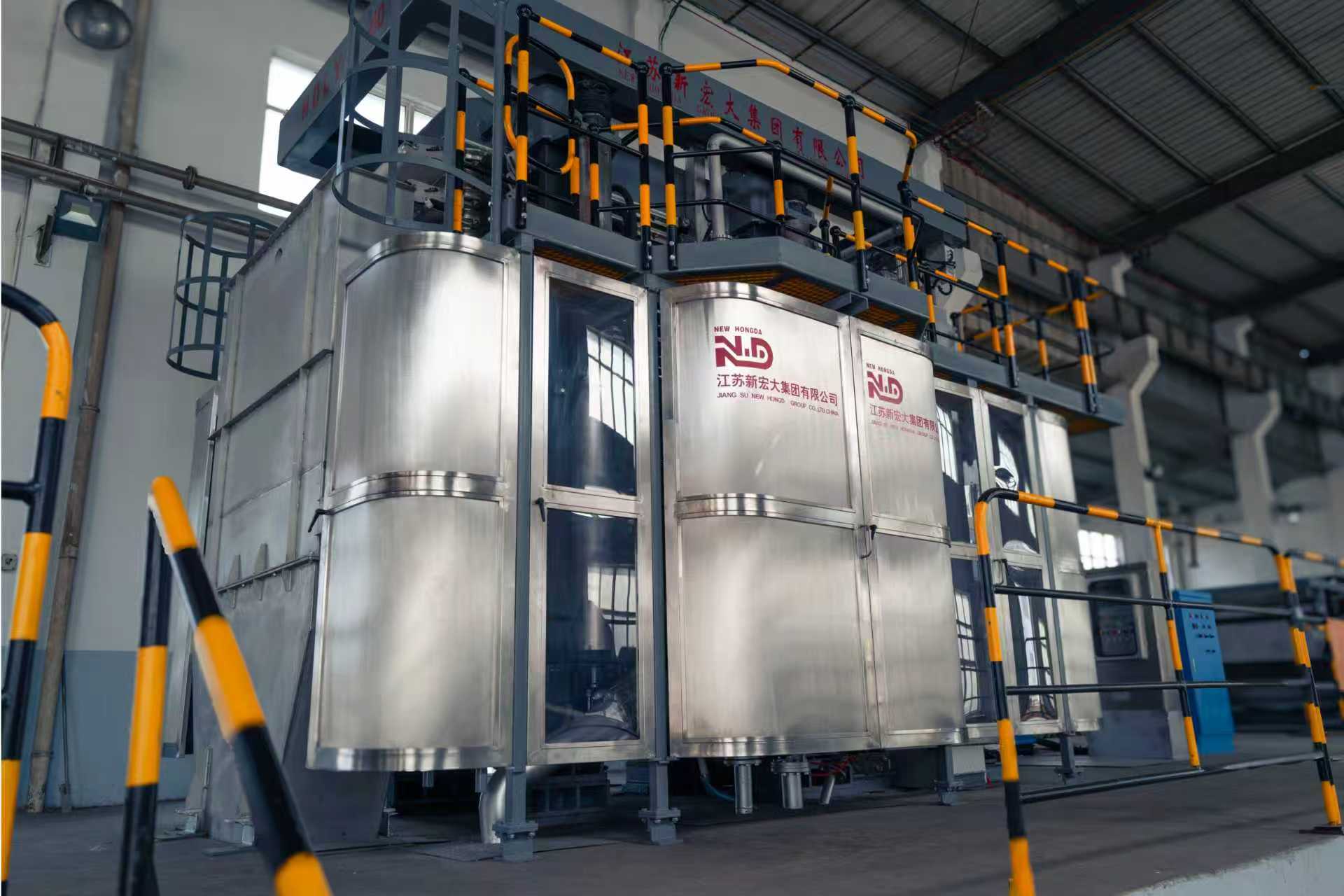
Ví dụ: NHD Bộ lọc áp suất tự động dọc thể hiện xu hướng này. Nó kết hợp một xây dựng nhỏ với các tính năng rửa tự động làm mới khuôn mặt vải tốt sau mỗi chu kỳ. Nó duy trì công việc không ngừng đáng tin cậy trong các lĩnh vực khác nhau như luyện kim, gốm sứ, chế tạo thực phẩm, làm giấy tờ, nhuộm, chế biến đường và chăm sóc nước thải. Trong những điều này, tốc độ chia rắn-lỏng đặt cạnh.
Câu hỏi thường gặp
Q1: Những yếu tố nào ảnh hưởng nhiều nhất đến hiệu quả khử nước của máy ép lọc bùn?
A1: Hiệu quả khử nước phụ thuộc vào đặc tính bùn, lựa chọn vải lọc, áp suất thức ăn, thời gian chu kỳ và điều hòa thích hợp. Một thiết kế báo chí phù hợp tốt, các thông số hoạt động ổn định và kiểm soát chu kỳ hiệu quả giúp sản xuất bánh lọc khô hơn và chất lượng lọc nhất quán hơn
Q2: Tự động hóa cải thiện hoạt động khử nước bùn như thế nào?
A2: Thiết lập tự động trộn các công cụ chuyển tấm và máy giặt vải tự làm sạch. Điều khiển PLC hướng dẫn chúng. Điều này đảm bảo kết quả thậm chí và dễ dàng làm việc bằng tay trong các chu kỳ lặp đi lặp lại.
Q3: Những lợi ích môi trường nào do khử nước bùn hiệu quả?
A3: Bằng cách cắt giảm hàm lượng nước trong bánh đầu ra rất nhiều, khử nước mạnh mẽ cắt giảm chi phí vận chuyển. Nó làm giảm nhu cầu bãi rác, tiết kiệm nước thông qua tái sử dụng chất lọc và thu hẹp dấu carbon từ việc di chuyển chất thải.