 Vietnamese
  English
  French
  Spanish
  Russian
  Arabic
  Portuguese
  Indonesian
  German
  Turkish
  Persian
  中文
中文 
Đối với nhiều dây chuyền sản xuất, lọc Không chỉ đơn thuần là tách chất lỏng khỏi chất rắn. Máy lọc chân không băng tải nằm ngang có thể hỗ trợ lọc liên tục, rửa bã lọc và khử nước trong một quy trình. Điều này làm cho nó hữu ích cho các dự án hóa chất, khai thác mỏ, môi trường và khử lưu huỳnh. Trước khi mua, người mua nên hiểu rõ cách thức hoạt động của thiết bị này và vị trí phù hợp nhất để sử dụng nó.
Tổng quan về bộ lọc băng tải hút chân không nằm ngang
Bộ lọc băng tải hút chân không nằm ngang là gì?
Các Bộ lọc chân không vành đai cao su ngang Thiết bị lọc này sử dụng vải lọc hình xuyến chuyển động tròn làm môi trường lọc. Nó sử dụng áp suất âm và lực hấp dẫn từ thiết bị chân không để tách chất rắn khỏi chất lỏng một cách nhanh chóng và liên tục. Đây là hệ thống lọc liên tục được sử dụng để tách chất rắn và chất lỏng. Hệ thống hoạt động dưới áp suất chân không để tăng hiệu quả tách nước. Loại thiết bị này được sử dụng rộng rãi trong các ngành công nghiệp sản xuất axit photphoric, luyện kim, khai thác mỏ, hóa chất, bảo vệ môi trường, khử lưu huỳnh trong nhà máy điện, v.v.
Các thành phần chính và chức năng của chúng
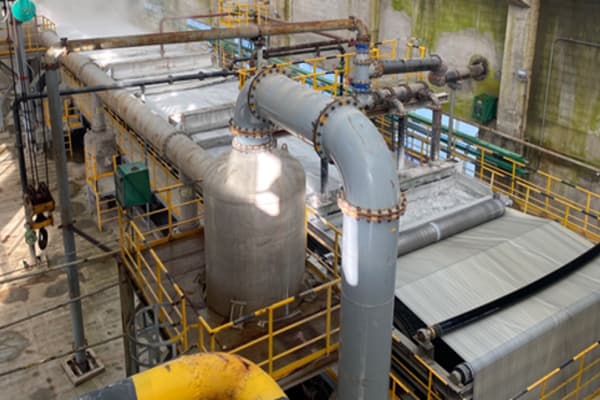
Tính toàn vẹn cơ học của hệ thống này phụ thuộc vào sự hoạt động đồng bộ của một số bộ phận cốt lõi. Băng tải lọc đóng vai trò là giá đỡ chính cho hỗn hợp bùn đồng thời cho phép chất lỏng lọc đi qua môi trường. Hộp hút chân không có thể được coi là trái tim của quá trình hút. Nó tạo ra sự chênh lệch áp suất cần thiết để chiết xuất chất lỏng. Để đảm bảo hiệu quả, một hệ thống phân phối sẽ trải đều hỗn hợp bùn trên bề mặt băng tải. Điều này ngăn ngừa sự hình thành lớp cặn không đều. Hơn nữa, một khu vực rửa chuyên dụng được tích hợp để loại bỏ tạp chất khỏi lớp cặn lọc. Bước này rất cần thiết để đạt được độ tinh khiết cao hơn trong sản phẩm cuối cùng.
Quá trình lọc hoạt động như thế nào
Chu trình vận hành được thiết kế để đạt năng suất cao và can thiệp thủ công tối thiểu. Ban đầu, hỗn hợp bùn được phân phối trên một băng tải chuyển động dưới áp suất chân không. Khi băng tải di chuyển, chất lỏng đi qua môi trường lọc trong khi chất rắn tạo thành một lớp cặn riêng biệt. Bộ lọc chân không băng tải cao su nằm ngang của... NHD Sản phẩm được phát triển dựa trên việc giới thiệu, tiếp thu và tiêu hóa các sản phẩm tương tự trong và ngoài nước. Trong suốt quá trình di chuyển trên máy, bã được rửa, sấy khô và thải ra liên tục. Điều này đảm bảo quy trình vận hành liền mạch, đáp ứng yêu cầu về công suất công nghiệp.
Ưu điểm của việc sử dụng bộ lọc băng tải hút chân không nằm ngang
Việc sử dụng công nghệ chân không tiên tiến mang lại những lợi thế cạnh tranh vượt trội cho các dự án công nghiệp quy mô lớn. Điều này đặc biệt đúng đối với việc kiểm soát độ ẩm và tiết kiệm năng lượng.
Hiệu quả trong việc tách nước khỏi bánh
Khả năng vận hành liên tục là đặc điểm nổi bật của thiết bị này. Nó giúp giảm thiểu hiệu quả thời gian ngừng hoạt động giữa các chu kỳ lọc, vấn đề thường gặp trong quá trình xử lý theo mẻ. Khả năng thích ứng cao của thiết bị cho phép kiểm soát độ dày bánh lọc, lượng nước rửa, độ chân không, chu kỳ vận hành, v.v. Bằng cách cho phép điều chỉnh mức độ chân không, người vận hành có thể tăng cường khả năng loại bỏ độ ẩm khỏi bánh lọc để đáp ứng các mục tiêu độ khô cụ thể. Điều này làm cho thiết bị đặc biệt phù hợp với các vật liệu yêu cầu độ khô ổn định cho quá trình xử lý tiếp theo.
Tính linh hoạt và khả năng mở rộng trong vận hành
Máy lọc băng tải cao su nằm ngang sử dụng phương pháp mô-đun, cho phép tùy chỉnh rất linh hoạt về công suất và vật liệu sử dụng. Nhờ sử dụng các mô-đun, thiết bị này có thể dễ dàng tích hợp vào dây chuyền sản xuất tự động. Ngoài ra, việc tháo lắp, vận chuyển và lắp ráp cũng rất thuận tiện. Khả năng thích ứng của hệ thống cũng rất cao vì cho phép bổ sung thêm các giai đoạn rửa hoặc các bộ phận sấy khi cần thiết.
Các yếu tố cần xem xét về bảo trì và chi phí
Từ góc độ tài chính, máy lọc chân không băng tải nằm ngang được thiết kế để hoạt động bền bỉ lâu dài. Dễ vận hành, ít bộ phận chuyển động, chi phí bảo trì thấp. Quy trình thay thế băng tải đơn giản giúp giảm đáng kể thời gian bảo trì và chi phí nhân công. So với máy lọc áp suất hoặc máy ly tâm tốc độ cao, các thiết bị này thường tiêu thụ năng lượng thấp hơn. Hơn nữa, tuổi thọ thiết bị dài hơn được kỳ vọng nếu thực hiện bảo trì đúng cách. Điều này đặc biệt đúng khi sử dụng các vật liệu chất lượng cao như thép không gỉ hợp kim silic cao HD-1 cho môi trường ăn mòn.
Các yếu tố cần cân nhắc khi lựa chọn nhà cung cấp bộ lọc băng tải hút chân không nằm ngang
Việc lựa chọn đối tác sản xuất phù hợp cũng quan trọng không kém gì chính các thông số kỹ thuật của thiết bị. Nó quyết định độ tin cậy lâu dài của hệ thống.
Chuyên môn kỹ thuật và kinh nghiệm trong ngành
Các nhà cung cấp có bề dày kinh nghiệm trong lĩnh vực này mang đến những hiểu biết vô giá về thiết kế hệ thống. Công ty New Hongda được thành lập năm 1992, và đã hoạt động được 33 năm. Hiểu biết sâu sắc về các thông số quy trình, chẳng hạn như phân bố kích thước hạt và khả năng tương thích hóa học, dẫn đến hiệu suất tối ưu. Việc tiếp cận với hỗ trợ kỹ thuật toàn diện trong quá trình lắp đặt và vận hành thử là rất quan trọng để tránh những chậm trễ tốn kém trong giai đoạn khởi động.
Chất lượng sản xuất và vật liệu sử dụng
Độ bền của sản phẩm có mối tương quan trực tiếp với chất lượng vật liệu được sử dụng trong sản xuất. Việc sử dụng vật liệu chất lượng cao giúp tăng cường khả năng chống ăn mòn và độ bền. Kỹ thuật chính xác cũng rất cần thiết để đảm bảo độ kín khít hoàn hảo và sự thẳng hàng của dây đai sau hàng nghìn giờ hoạt động. Đáp ứng các tiêu chuẩn toàn cầu là một vấn đề quan trọng khác không được bỏ qua.
Các tùy chọn tùy chỉnh và hỗ trợ sau bán hàng
Tùy chọn tùy chỉnh
Trong trường hợp này, nhà cung cấp cần có khả năng linh hoạt về chiều rộng, chiều dài và loại dây đai cho các mục đích sử dụng cụ thể. Đây là bộ lọc dựa trên bảng trên cùng, nhưng có thể được thiết kế và chế tạo theo nhu cầu của khách hàng. Một yếu tố quan trọng khác cần xem xét là bộ lọc cần được kết nối với các hệ thống tự động hiện đại. Điều này cho phép điều chỉnh tốc độ cấp liệu và áp suất chân không.
Hỗ trợ sau bán hàng
Việc có sẵn phụ tùng thay thế và dịch vụ kỹ thuật nhanh chóng là điều cần thiết để đảm bảo sự ổn định hoạt động lâu dài. NHD sẽ liên tục cung cấp dịch vụ tốtBao gồm toàn bộ quá trình phát triển, thiết kế, chế tạo, lắp đặt, vận hành thử, v.v. Các chương trình đào tạo toàn diện cũng cần thiết để giúp các kỹ thuật viên tại chỗ duy trì hiệu suất cao nhất và thực hiện bảo trì định kỳ một cách an toàn.
Đánh giá độ tin cậy của nhà cung cấp thông qua các chỉ số hiệu suất
Các chỉ số khách quan và dữ liệu lịch sử cung cấp lộ trình để đánh giá xem nhà cung cấp có đáp ứng được yêu cầu của một dự án công nghiệp quan trọng hay không.
Tiêu chuẩn kiểm tra và chứng nhận thiết bị
Các thử nghiệm nghiệm thu tại nhà máy và các quy trình thử nghiệm khác rất quan trọng để đảm bảo thiết bị hoạt động đúng cách ngay cả trước khi được xuất xưởng. Trong quy trình sản xuất của NHD, việc sử dụng thiết bị hiện đại ở mọi giai đoạn được đảm bảo, từ cắt, hàn, gia công thô, gia công tinh, chế tạo, lắp ráp, vận hành thử và khởi động để đảm bảo độ bền và độ chính xác. Sự hiện diện của chứng nhận về quản lý môi trường (ISO 14001:2015) và an toàn lao động (ISO 45001:2018) là minh chứng cho tính chuyên nghiệp theo tiêu chuẩn toàn cầu.
Thông tin khách hàng tham khảo và danh mục dự án.
Việc xem xét các dự án lắp đặt trước đây của nhà cung cấp giúp đánh giá rõ ràng khả năng thực tế của họ. Thông qua dự án này, NHD đã tích lũy được kinh nghiệm đáng kể về thiết kế kỹ thuật và ứng dụng. Một nghiên cứu điển hình, bao gồm việc sử dụng bộ lọc băng tải ngang 20 m² cho quá trình khai thác quặng phosphat ở Senegal, cho thấy sự nhất quán trong hiệu suất của sản phẩm. NHD đã chứng minh được khả năng của mình. đáp ứng các yêu cầu pháp lý khác nhau ở nhiều quốc gia., Ví dụ như Mỹ, Brazil, Pháp, Israel, Serbia và Papua New Guinea, cùng nhiều quốc gia khác.
Câu hỏi thường gặp
Câu 1: Thời gian giao hàng điển hình cho một hệ thống lọc chân không băng tải nằm ngang quy mô lớn là bao lâu, và thời gian này có bao gồm việc vận hành thử tại chỗ không?
A1: Thời gian giao hàng thường dao động từ 4 đến 6 tháng, tùy thuộc vào mức độ tùy chỉnh của đơn đặt hàng. Đối với công ty chúng tôi, Tập đoàn New Hongda, chúng tôi luôn chú trọng đến tiến độ dự án, điều này được thể hiện rõ trong dự án Đất hiếm của chúng tôi, nơi chúng tôi đã có thể cung cấp một bộ thiết bị hoàn chỉnh chỉ trong 5 tháng.
Câu 2: Vật liệu băng lọc có thể được tùy chỉnh để sử dụng trong quá trình xử lý hóa chất có tính ăn mòn cao không?
A2: Chắc chắn rồi, việc tùy chỉnh vật liệu lọc cũng như vật liệu cấu trúc là một khía cạnh thiết yếu của quy trình kỹ thuật mà chúng tôi thực hiện. Chúng tôi có thể tùy chỉnh loại vật liệu băng tải tùy thuộc vào yêu cầu riêng của bạn về khả năng kháng hóa chất và phân bố kích thước hạt. Trong trường hợp dự kiến môi trường ăn mòn, chúng tôi có thể sử dụng hợp kim HD-1 được cấp bằng sáng chế hoặc các loại thép không gỉ đặc biệt.
Câu 3: Những yêu cầu bảo trì chính nào cần thiết để đảm bảo sự ổn định lâu dài của hệ thống chân không?
A3: Quy trình bảo trì bao gồm điều chỉnh dây đai, kiểm tra độ kín của hộp hút chân không và làm sạch các vòi phun phân phối. Máy móc của chúng tôi được sản xuất theo cách giúp việc bảo trì dễ dàng hơn nhờ các đặc tính như bộ phận căng dây đai hành trình dài và hệ thống phun nhiều giai đoạn, do đó giảm thiểu thời gian làm sạch. Chúng tôi cũng cung cấp các chương trình đào tạo chi tiết cho người vận hành của bạn để duy trì hiệu suất tối ưu.
Câu 4: Công ty có cung cấp chứng nhận quốc tế và kiểm tra nghiệm thu tại nhà máy (FAT) cho các đơn đặt hàng số lượng lớn không?
A4: Chắc chắn rồi. Mỗi sản phẩm đều được kiểm tra kỹ lưỡng trước khi xuất xưởng. Quy trình sản xuất của chúng tôi tuân thủ các tiêu chuẩn quốc tế như ISO 9001:2015, ISO 14001:2015 và ISO 45001:2018. Chúng tôi cung cấp đầy đủ tài liệu và hỗ trợ kỹ thuật cần thiết để bạn thực hiện kiểm tra nghiệm thu tại nhà máy đối với thiết bị bạn mua từ chúng tôi.