 Vietnamese
  English
  French
  Spanish
  Russian
  Arabic
  Portuguese
  Indonesian
  German
  Turkish
  Persian
  中文
中文 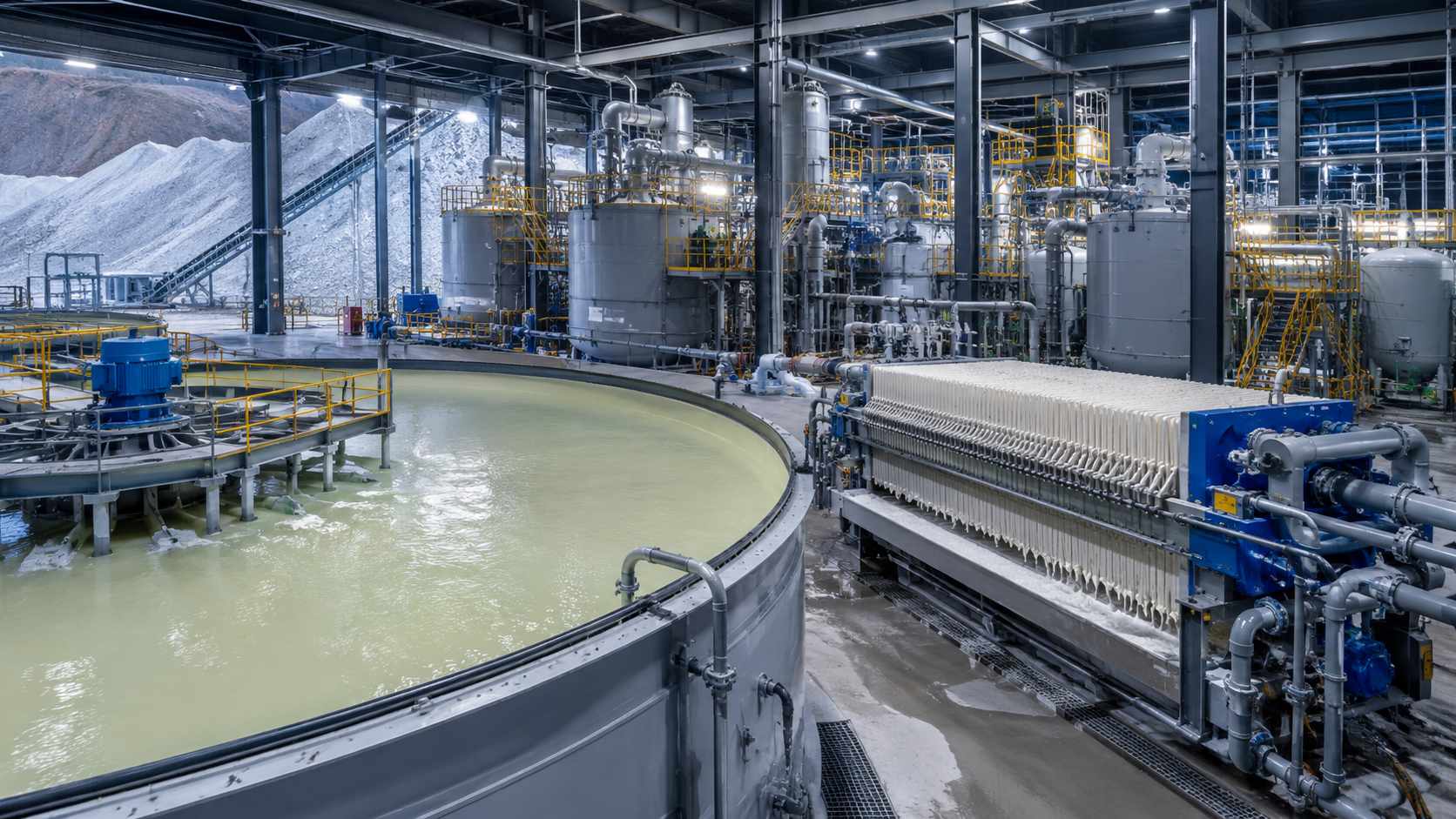
Copper supply has become more sensitive to production disruptions. Recently, extreme weather risks in Chile, one of the world’s major copper-producing regions, attracted attention from the mining industry. Heavy rainfall was expected to affect key copper areas, leading Chile’s economic and mining authorities to review mine flood prevention plans and strengthen disaster monitoring. Previous weather events have shown that mine flooding, damaged roads, and transportation interruptions can directly affect copper concentrate production and shipment. At the same time, global copper supply is already under pressure due to declining ore grades and operational challenges at some mines.
For existing copper mines, especially mature operations, increasing output is becoming more difficult. Developing new resources requires significant investment and long construction periods, while older mines must find ways to maintain production with existing assets. This creates a stronger need for equipment upgrades that can improve processing efficiency, reduce operating pressure, and support stable production.
Why Aging Copper Mines Need Solid-Liquid Separation Upgrades
Declining ore grades are one of the long-term challenges facing copper producers. When copper content in ore decreases, the plant needs to handle a larger amount of material to recover the same amount of metal. This does not only increase grinding and flotation requirements but also creates additional pressure on downstream separation processes.
After flotation, copper concentrate and tailings enter solid-liquid separation stages. If thickening capacity is insufficient, slurry concentration becomes unstable, and more water moves into later processes. If filtration performance cannot match the increased material flow, concentrate dewatering may become a bottleneck.
For mature copper mines, completely rebuilding the production line is often unrealistic. Instead, improving key equipment in existing facilities is a practical approach. Upgrading thickener and thiết bị lọc allows operators to improve handling capacity without major changes to the entire plant layout.
How Thickener Equipment Helps Copper Processing Handle Higher Slurry Volume
Thickener equipment plays an important role in mineral processing by separating solids from liquids and increasing slurry concentration before downstream treatment. In copper processing plants, a more stable thickening process can help reduce unnecessary water circulation, improve feed conditions for filtration, and support better water recovery. This becomes increasingly valuable when mines process more ore volume because higher slurry flow can quickly expose limitations in existing equipment.
When selecting thickener equipment for mine upgrades, buyers usually focus on more than tank size. Important factors include underflow solids concentration, overflow clarity, processing capacity, flocculant consumption, and automation level.
Deep Cone Thickener Supports Higher Concentration Requirements
Deep cone thickener technology provides a larger compression zone compared with conventional thickening structures. This design helps settled solids achieve stronger compression before discharge, making it suitable for applications requiring higher underflow density.
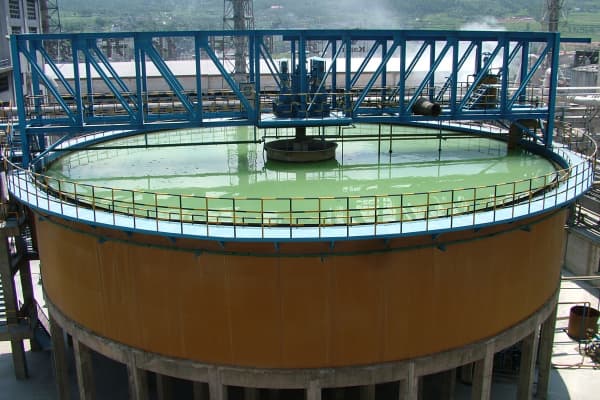
NHD của Máy dày nón sâu is designed for solid-liquid separation applications in mineral processing and other industries. The equipment can be configured with automatic monitoring functions, including DCS control, ultrasonic liquid level detection, solid content measurement, and torque monitoring. And the processing capacity of its deep cone thickener can reach up to 15 times that of common thickeners under suitable conditions. Its underflow compression ability can approach 10 times that of conventional thickener equipment.
These figures represent equipment design capability rather than guaranteed improvement for every copper mine. Actual performance depends on ore characteristics, particle size, feed concentration, and operating conditions. However, they provide useful reference points when buyers compare thickener solutions for plant upgrades.
How Filtration Equipment Supports Copper Concentrate Handling
After concentration, filtration is another key step affecting copper processing efficiency. Copper concentrate normally needs to be dewatered before storage and transportation, while other mineral residues may also require effective moisture reduction. As processing volume increases, filtration equipment must handle more solids while maintaining stable cycle times and acceptable moisture levels. Poor filtration performance can increase transportation weight, raise drying requirements, and create additional handling costs.
For this reason, copper mine upgrade projects often review filtration equipment based on filtration area, cake moisture, automation, filter cloth compatibility, and maintenance requirements.
Filter Press and Vacuum Filtration Options for Mine Upgrades
Different copper processing conditions require different filtration solutions. Continuous vacuum filtration equipment can be suitable for applications requiring continuous operation and stable concentrate discharge, while filter press equipment is often considered for high-solid slurry and residue dewatering.
NHD provides filtration solutions including vacuum filter equipment, automatic press filter equipment, and vải lọc products. These solutions can be evaluated according to slurry characteristics and project requirements rather than using a single equipment type for every application.
Ví dụ: NHD Siêu áp lực ngang tấm lọc báo chí covers filtration areas from 20–1000 m², providing configuration options for different production capacities. Meanwhile, under comparable filtration conditions, its cake moisture can be reduced by 30–50% compared with conventional chamber filter presses and by 15–20% compared with chamber diaphragm filter presses.
For copper mining applications, these figures can help buyers compare equipment performance. However, actual results depend on concentrate characteristics, particle distribution, filtration pressure, filter cloth selection, and operating conditions.
What Copper Mine Buyers Should Check Before Equipment Upgrades
For mature copper mines, equipment replacement decisions need to consider both current production requirements and future operating conditions.
Before selecting thickener equipment, buyers should evaluate slurry characteristics, current throughput, target underflow concentration, overflow quality requirements, and automation needs. These factors determine whether the equipment can handle increased material flow after an upgrade.
For filtration equipment, buyers should review filtration capacity, moisture targets, cycle time, filter cloth service life, discharge method, and maintenance accessibility. A solution that looks cheaper at the purchasing stage may create higher operating costs if it requires frequent maintenance or cannot match the production schedule.
Supplier experience is also important in retrofit projects. Existing mines usually have limited installation space and strict shutdown schedules, so equipment design, replacement planning, and after-sales support all affect project success.
How Equipment Upgrades Help Copper Mines Control Operating Costs
Equipment upgrades do not directly increase copper resources, but they help mines use existing resources more efficiently. A more effective thickening system can reduce unnecessary water transfer and improve downstream process stability. Better filtration performance can reduce moisture carried with concentrate or residue, lowering transportation and handling pressure.
For mines facing declining ore grades and uncertain operating conditions, improving solid-liquid separation efficiency is a realistic way to maintain production competitiveness. NHD provides solid-liquid separation equipment, including deep cone thickeners, filter equipment, and related filter cloth solutions. These products can be reviewed for copper processing projects based on capacity requirements, slurry properties, moisture targets, and site conditions.
Kết luận
Global copper supply challenges are increasing the pressure on existing mines to improve efficiency. For mature copper operations, maintaining output is no longer only about processing more ore but also about improving how efficiently each processing stage handles increased material flow.
Solid-liquid separation equipment has become an important consideration in copper mine upgrades. By improving slurry concentration, filtration performance, and water management, thickener and filtration equipment can help mining companies reduce operational pressure and support more stable production.
For copper mine owners, contractors, and equipment distributors, equipment selection should focus on processing capacity, separation performance, automation, maintenance requirements, and supplier experience.
Câu hỏi thường gặp
Q1: Why do aging copper mines need to upgrade solid-liquid separation equipment?
A1: As ore grades decline, mines need to process more material to maintain copper output. This increases slurry volume and puts more pressure on thickening and filtration systems.
Q2: What information should buyers provide when selecting thickener equipment for copper processing?
A2: Buyers should provide slurry concentration, particle size, throughput requirements, target underflow solids, overflow quality requirements, flocculant conditions, and automation needs.
Q3: Can filtration equipment be customized for copper mine upgrade projects?
A3: Yes. Equipment configuration can be reviewed according to concentrate properties, processing capacity, moisture targets, filter cloth requirements, site layout, and operating conditions.
Q4: Does NHD support overseas installation and after-sales service?
A4: NHD can provide equipment selection support, technical communication, installation guidance, maintenance recommendations, spare parts planning, and after-sales service according to project requirements.