
 English
  French
  Spanish
  Russian
  Arabic
  Portuguese
  Indonesian
  German
  Turkish
  Persian
  Vietnamese
  中文
中文 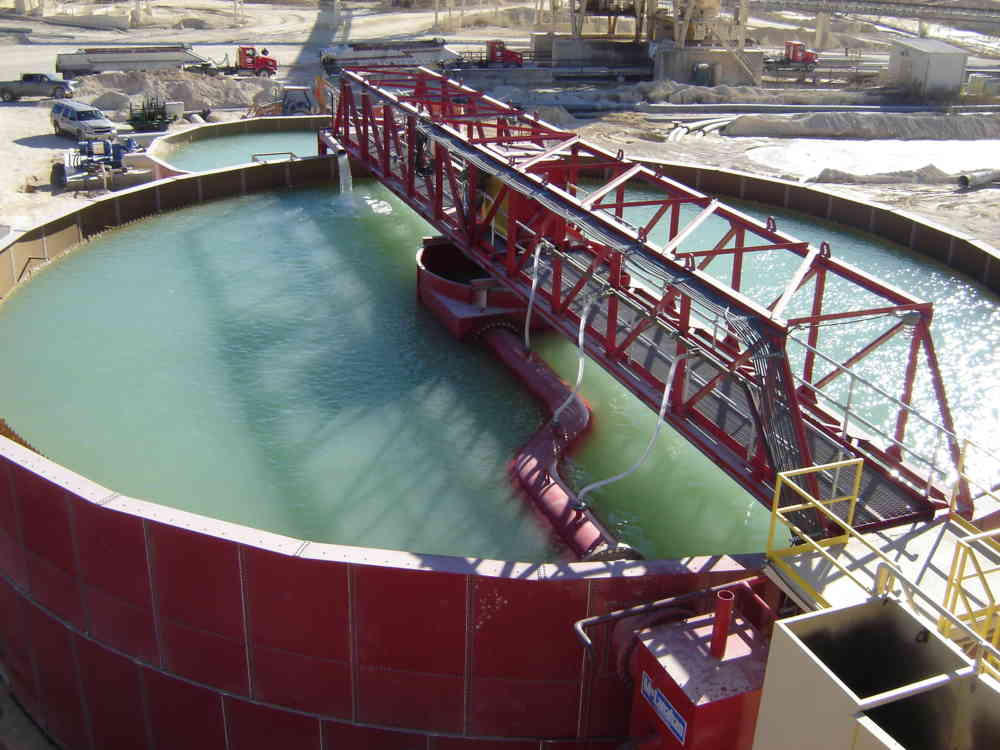
Deep cone thickeners matter more these days. Plants want higher underflow density, better water recovery, and steadier slurry handling. Buyers need to see how thickener design, material conditions, automation, and supplier experience shape long-term results.
The Growing Importance of Deep Cone Thickeners in Modern Industries
Mining, chemical processing, and wastewater treatment keep expanding their use of deep cone thickeners. These units handle solid-liquid separation and support sustainability goals through better water recovery.
Understanding the Role of Deep Cone Thickeners
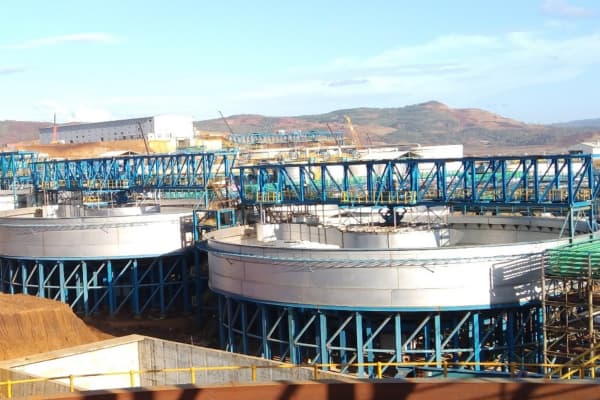
Thickener is gravity sedimentation equipment to separate liquid-solid mixtures of homogeneous phase. The thickener collects slurry to the center by scraper and then discharges it from the outlet. Their steep cone shape delivers higher underflow densities than older models.
Stricter environmental rules now push facilities toward high-efficiency thickening equipment. Deep cone thickeners let plants recycle process water and cut waste volumes.
Key Industrial Applications Driving Adoption in 2026
Tailings management in mining remains a key reason for adopting deep cone thickeners. Alumina refineries and non-ferrous smelting operations use them to handle red mud or metal residues. A thickener works by gravity sedimentation to separate solids from liquids. It serves many sectors, such as mineral processing plants that separate fine minerals from water, chloride-alkali plants that handle salt mud, wastewater facilities, and wet-process phosphoric acid production.
Chemical plants and wastewater sites value the improved sludge handling these units provide. Their high-compression zones allow even viscous or fine-particle slurries to be treated with low energy use.
Technological Advancements Defining the 2026 Deep Cone Thickener Market
Technology keeps raising performance standards for thickening systems. Better structural engineering and automation have made current deep cone thickeners more efficient and dependable.
Innovations in Design and Structural Efficiency
Updates to tank shape and cone angles have improved sedimentation by making slurry flow more stable inside the deep cone thickener. A better cone structure helps solids settle and compress more evenly while reducing dead zones and unnecessary turbulence in the tank. The NHD–serial deep cone thickener offers fifteen times the capacity of a standard unit. Its underflow compression reaches nearly ten times the level of conventional models. These gains come from balanced structural choices that reduce turbulence around flocculant addition and dilution.
Material advances also matter. Corrosion-resistant alloys extend equipment life in harsh chemical settings. Modular builds simplify installation and upkeep. Large operations can therefore run multiple units across production lines.
Automation and Process Control Enhancements
Automation has changed how teams run sedimentation processes. When the system is connected with DCS, operators can adjust the process faster and reduce the risk of overload, blockage, or unstable underflow. The NHD serial thickener links with DCS to track material conditions from all angles. It ties equipment together for automatic control. Smart sensors use ultrasonic readings to monitor slurry levels and solids content. They send live data to digital systems that maintain steady output.
Predictive maintenance tools catch torque shifts or mechanical stress early and prevent breakdowns. This mix of automation and data analysis cuts downtime and supports stable performance in complex plants.
Performance Factors That Distinguish High-Quality Deep Cone Thickeners
Performance gaps among suppliers often trace back to how well equipment balances throughput with energy use.
Deep cone thickeners reach high sedimentation efficiency through optimized feedwell designs that spread slurry evenly. The drive system is critical in every thickener. High solids content and strong compression require a drive that runs steadily under heavy loads for long periods. Effective raking systems stop blockages at the discharge point. This feature is vital when handling dense materials such as red mud or phosphogypsum.
Energy-efficient drives lower operating costs while holding torque steady. Hydraulic improvements cut power use without reducing throughput or solids concentration.
Selecting the Right Deep Cone Thickener from a Supplier Perspective
Choosing a deep cone thickener requires checking both technical details and supplier strengths.
Evaluating Supplier Expertise and Technical Support
Suppliers with strong R&D teams provide tailored solutions that match specific process needs. Full after-sales service matters just as much. Ready access to spare parts, manuals, and remote diagnostics keeps systems running throughout their service life.
Comparing Quality Standards and Certifications
Suppliers should meet international standards such as ISO to confirm structural strength and safety under different loads. Quality tests check that designs satisfy both mechanical durability and environmental targets. These factors count when equipment faces corrosive or abrasive conditions common in chemical plants.
Emerging Trends Shaping the Future of Deep Cone Thickeners in 2026 and Beyond
Market patterns show that sustainability efforts will keep driving demand for new deep cone thickeners that support closed-loop production.
Sustainability and Environmental Compliance Trends
Water recovery efficiency leads future design priorities. High-tech products from NHD, such as table vacuum filters, vertical filter presses, deep cone thickeners, paste thickeners, large slurry agitators, and mist eliminators, have closed gaps in the China market. The technology has reached leading domestic and international levels. Higher solids concentration reduces tailings volume and fits circular economy targets.
Eco-friendly construction materials further lower lifetime emissions. This helps companies earn green certifications or meet ESG requirements.
Integration with Digitalization and Smart Plant Systems
IoT sensors let operators monitor performance from cloud dashboards. AI analytics read real-time process changes and adjust settings on the fly. This improves stability even when feed conditions vary. These digital steps move sedimentation systems toward full autonomy inside smart industrial setups.
Strategic Considerations When Investing in a Deep Cone Thickener System in 2026
Before buying new thickening equipment, decision makers should match technical specs with operational goals and confirm cost-effectiveness over time.
Aligning Equipment Selection with Process Objectives
Slurry characteristics such as particle size, slurry viscosity, and solids concentration must be reviewed in detail to establish the required slurry processing capacity or tank size. It is equally important to match the slurry processing throughput with the upstream flow to avoid the potential for blockages or overload. In addition, consideration must be given to the scalability of the equipment to handle future increases in slurry processing requirements.
Cost-Benefit Analysis Over Equipment Lifecycle
Total cost of ownership goes beyond purchase price. It also includes the energy savings of efficient drives, the reduced downtime from your monitoring program, and the increased reliability due to corrosion-resistant materials. Suppliers who can offer flexible capital arrangements such as financing or leasing options for large projects that include multiple deep cone thickeners can help to manage your capital expenditure.
FAQ
Q1: What makes a deep cone thickener different from conventional designs?
A1: Its steep conical structure enables higher solids compression ratios compared to flat-bottomed tanks used in standard thickeners. This results in denser underflows ideal for applications like alumina red mud separation or phosphogypsum dehydration.
Q2: How does automation improve operational efficiency?
A2: Integrated DCS monitoring allows real-time control over torque loadings, slurry levels, and flocculant dosing. It reduces manual work while keeping performance steady across continuous cycles.
Q3: Which industries benefit most from adopting this technology?
A3: Mining, especially bauxite refining, chemical manufacturing, wastewater treatment plants, and titanium dioxide production lines, all rely on efficient solid-liquid separation supported by high-performance deep cone thickeners from experienced chemical handling equipment suppliers like NHD.
Q4: Why choose NHD’s solution?
A4: With over 300 patents covering filtration and sedimentation technologies plus proven export success across more than thirty countries worldwide, NHD’s Deep Cone Thickener offers advanced automation combined with strong durability for demanding industrial environments.