 English
  French
  Spanish
  Russian
  Arabic
  Portuguese
  Indonesian
  German
  Turkish
  Persian
  Vietnamese
  中文
中文 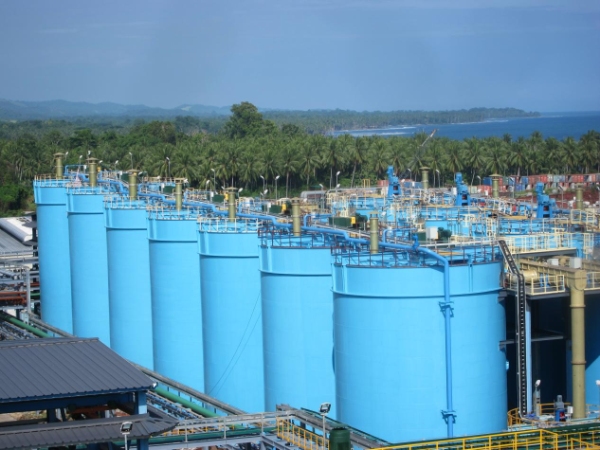
Electric vehicles are driving rapid growth in demand for battery raw materials. As global EV production increases, demand for key battery metals such as nickel and cobalt continues to rise. However, recovering these metals efficiently after leaching remains a major challenge in hydrometallurgical processing.. After leaching the ore, plants need to grab as much dissolved metal as possible from the slurry while keeping water use low. That’s where CCD washing circuits become essential. CCD, or counter-current decantation, is a multi-stage washing process that uses thickeners to separate solids from liquid and recover valuable dissolved metals step by step. This method boosts recovery rates and recycles more water back into the process. In this article, we’ll look at why CCD thickeners matter for nickel cobalt recovery, the challenges in battery metal extraction, and the design features that help improve recovery performance and water efficiency.
CCD Washing Circuit Basics: Why Counter-Current Washing Works
Counter-current washing might sound technical, but it’s a smart way to clean up slurry in stages. In this setup, clean wash water contacts the most “washed” solids in the final stage, systematically extracting dissolved metals as it flows counter-currently to the slurry. This configuration optimizes water utilization, achieving significantly higher recovery per unit of water compared to conventional co-current washing. For plants handling nickel and cobalt, it means higher yields without wasting resources. Now, let’s break down what CCD really involves in wet processing.
What CCD Means in Hydromet
In hydrometallurgy, CCD is a chain of thickeners—often five to seven in a row—where slurry and wash water move in opposite directions. Feed comes in at the first thickener, mixed with overflow from the next. Solids settle, and the underflow goes forward while clear liquor overflows backward. This back-and-forth action displaces impurities and captures soluble metals like nickel and cobalt. It’s key for solid liquid separation in battery metal extraction, where even small losses add up. Operations utilizing optimized CCD circuits can achieve up to 99% recovery of dissolved values, a stark improvement over single-stage configurations.
Shifting from the basics, it’s worth noting how this process directly lifts metal yields. Three main factors drive that improvement, and they tie right into how CCD handles slurry.
The Three Levers Behind Higher Recovery
- Lever 1: Enhanced Underflow Compaction. High-efficiency CCD circuits minimize entrained solution by achieving superior solid packing. By reaching an underflow density of 46-53% solids in the final stage, the system significantly reduces the volume of liquid—and valuable nickel or cobalt—lost to tailings.
- Lever 2: Optimized Displacement Efficiency. The counter-current flow mechanism creates a powerful concentration gradient. As clean wash water contacts the most “washed” solids at the end of the circuit, it systematically strips remaining dissolved metals, maximizing recovery while minimizing freshwater makeup.
- Lever 3: Superior Overflow Clarity. Maintaining a stable supernatant is critical for downstream solvent extraction (SX) or precipitation. These thickeners maintain suspended solids below 0.2 g/L, preventing the contamination and fouling of subsequent hydrometallurgical stages.
What “High-Efficiency” Means
High efficiency thickeners settle solids faster, handling up to 15 times the throughput per square meter compared to old-style units. They also push underflow density higher—10 times the compression—while keeping torque steady. Overflow stays consistently clear, even with variable feeds. And they recover more process water, slashing fresh water demand by recycling overflow. In metal settling and separation, these traits mean smoother runs and lower costs.
Nickel/Cobalt CCD: Typical Recovery & Water Challenges
Nickel and cobalt ores, especially laterites, throw tough slurries at CCD circuits. Fine particles and clay-rich slurries can slow settling, reduce washing efficiency, and increase water losses across the circuit. In some operations, poor solids settling can lower metal recovery and place additional pressure on limited water resources. High efficiency thickeners help, but knowing the common issues is key to fixing them. Let’s dig into what stresses these systems.
Common Ni/Co Slurry Characteristics That Stress CCD
Fine particles and high clay content drag on settling, leading to muddy overflows above 1 g/L solids. That contaminates pregnant liquor. Sticky flocs, sensitive to shear, can make beds unstable—overflow varies wildly. Acidic leach liquors can also accelerate equipment wear through corrosion and abrasion, increasing maintenance demands. Variations in feed density, typically from 10% to 30% solids, as well as changes in particle size distribution, further complicate thickener control. In battery metal extraction, these traits demand robust nickel cobalt recovery equipment to keep CCD washing circuits steady.
To spot and solve these, a quick checklist helps. Here’s a table linking problems to fallout and fixes.
A Quick “Problem → Consequence → What to Check” Table
| Problem | Consequence | What to Check |
| Poor overflow clarity | Downstream contamination in SX/EW | Feedwell mixing, dilution ratios, flocculant dosing strategy |
| Low underflow density | Higher water and soluble metal losses | Rake design and torque limits, bed level control, underflow pumping setup |
This table shows how small tweaks in solid liquid separation can prevent big headaches.
How High-Efficiency CCD Thickeners Improve Recovery and Reduce Water Use
Upgrading to high efficiency thickeners in CCD setups pays off in nickel and cobalt plants. They handle tough slurries better, squeezing more metal out and recycling water. Designs like deep cones pack solids tight, cutting losses. Let’s see the standout features.
High-Capacity Deep Cone Design
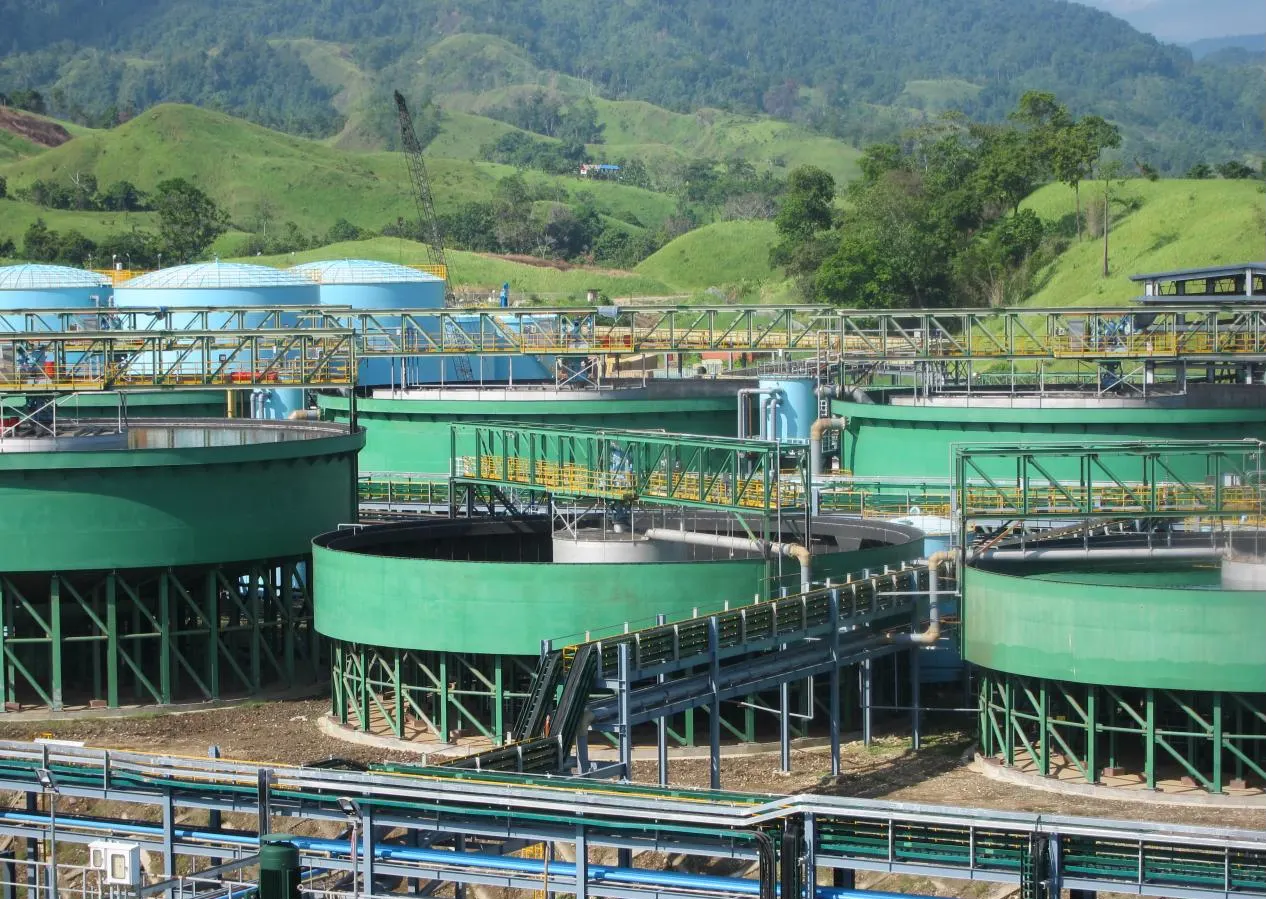
Deep cone thickeners, like those from NHD, pack a punch with 15 times the processing capacity of regular ones. That’s ideal for CCD circuits squeezed into tight spaces. They support high solids throughput without sprawling footprints, fitting battery metal extraction needs where area is limited. This design keeps metal settling and separation efficient, even at high feed rates.
Building on capacity, compression is another game-changer. It directly ties to lower losses.
Higher Underflow Compression
NHD’s deep cone models deliver 10 times the compression over standard thickeners. Final washing underflow hits 46-53% solids, aligning with CCD goals to recover liquor and trim water loss. Lower entrained solution in the underflow means higher nickel and cobalt recovery as well as improved overall water balance across the plant.
High-Torque, Heavy-Duty Drive
These thickeners are equipped with multi-drive systems, heavy-duty rotary bearings, and bath lubrication for massive torque output. An integrated monitor sends real-time data to the control center. In abrasive and corrosive nickel and cobalt processing environments, this heavy-duty configuration supports reliable long-term performance.
Real-Time Torque & Protection System
NHD integrates real-time torque monitoring with its patented automatic rake lifting device: when the bottom slurry becomes excessively dense and torque rises toward a critical threshold, the system automatically lifts the rake to relieve resistance, then returns it gradually to its operating position once conditions stabilize. This function helps prevent overload, reduce the risk of rake jamming, and protect the thickener from unplanned shutdowns.
Select the Right Manufacturing Partner for Your Plant
Picking a partner matters as much as the technology. Look for ones offering tailored solutions, from tests to ongoing help. They turn general ideas into site-specific wins.
- Custom Laboratory Testing: Start with lab work on your slurry. Partners like NHD run settling tests to match flocculants and designs. This pinpoints what boosts solid liquid separation for your nickel cobalt feed, avoiding guesswork.Proven engineering backs that up. Global cases show what works.
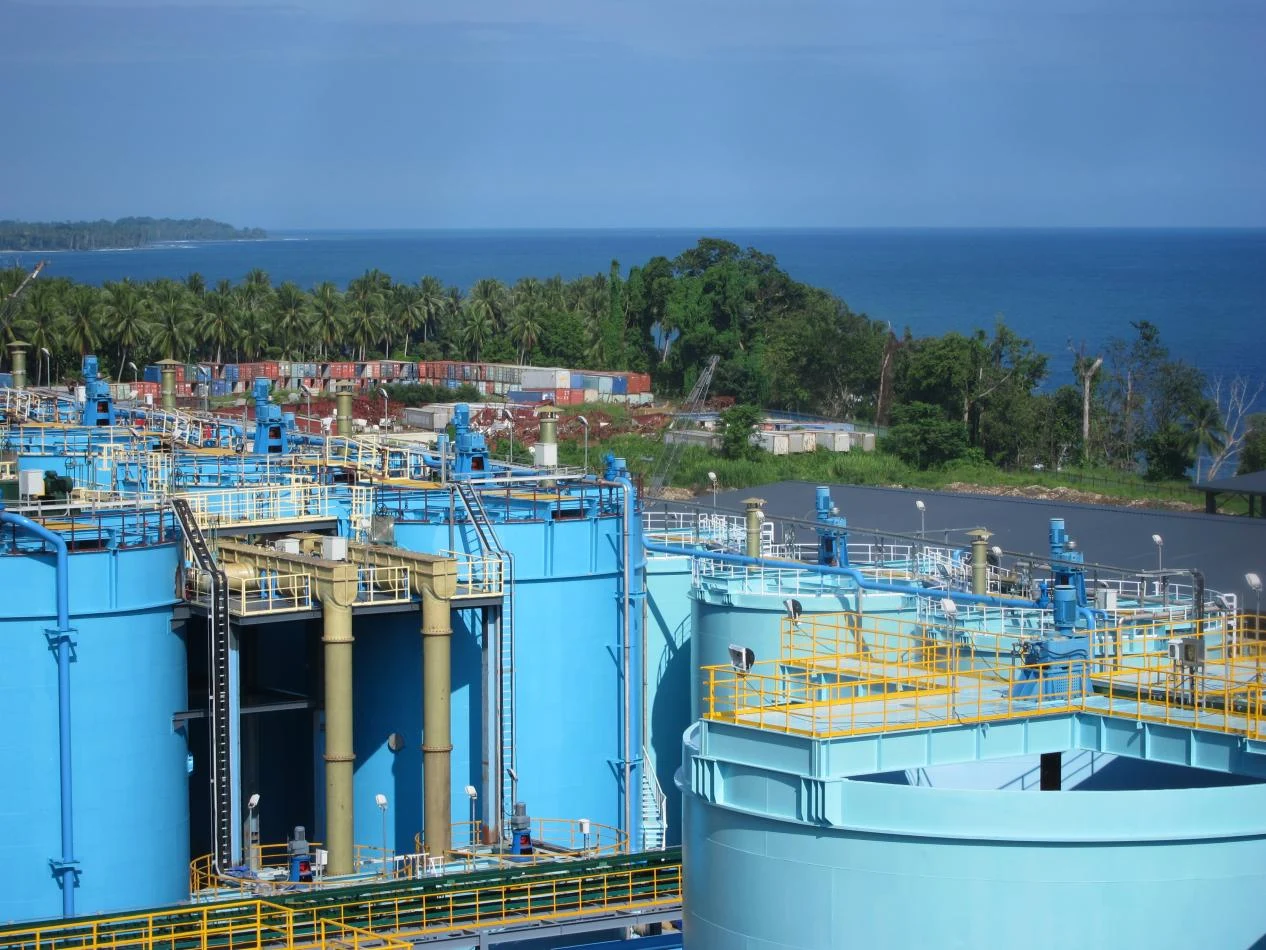
- Engineering for CCD Performance: NHD has delivered in tough spots. For the MCC Ramu Nickel Cobalt Project in Papua New Guinea, wesupplied Φ36m CCD thickeners that handled sticky laterites smoothly. In Indonesia, for Lygend Mining’s nickel and cobalt smelting, Φ32m to Φ42m units boosted recovery under high loads. These projects demonstrate reliable CCD performance in demanding nickel and cobalt applications.
- Startup, Optimization, and Lifecycle Support: A strong equipment partner should also provide commissioning support, process optimization, and long-term service. This includes startup tuning of torque, underflow density, and bed level, along with ongoing technical support and spare parts supply to reduce downtime.For battery metal extraction, this means steady high efficiency thickener performance year after year.
Conclusion
CCD washing circuits combined with high-efficiency thickeners can improve nickel and cobalt recovery by minimizing entrained losses and boost water balance through better recycle. Success hinges on slurry traits and smart control. Share your basic data for a prelim selection and test plan on custom thickeners. Contact NHD at sales@chinanhd.com for advanced solutions.
FAQs
Q: What is a CCD washing circuit?
A: It’s a series of thickeners where slurry and wash water flow opposite ways, washing out dissolved metals like nickel and cobalt for high recovery.
Q: How do high efficiency thickeners save money?
A: They reduce costs by increasing solids throughput per unit area, improving underflow density to minimize metal losses, and recovering more process water for reuse.
Q: How do NHD’s thickeners handle sticky laterite ore?
A: With deep cone designs, auto-rake lifts, and torque monitoring, they manage flocs without disruption, keeping beds stable even in clay-heavy feeds.