
 German
  English
  French
  Spanish
  Russian
  Arabic
  Portuguese
  Indonesian
  Turkish
  Persian
  Vietnamese
  中文
中文 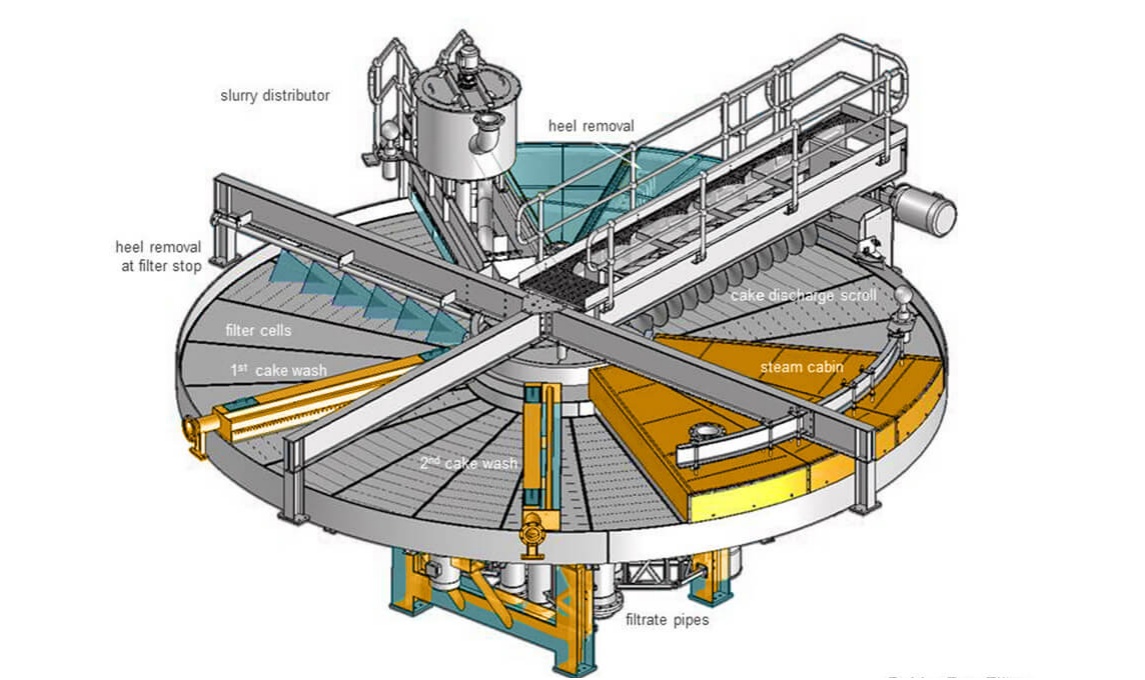
Die Aluminiumoxidverarbeitung tritt in eine neue Phase ein, in der die Produktion von mehr als nur Größe abhängt. Die Filterleistung spielt jetzt eine wichtige Rolle, da sie die Produktionsgeschwindigkeit, den Stromverbrauch, das Wassermanagement und die stetige Arbeit in der gesamten Anlage beeinflusst.
Die sich ändernde Landschaft der Aluminiumverarbeitungseffizienz
Der Aluminiumoxidsektor erlebt einen Wandel, der durch Markt-ups und -downs, grüne Nachfragen und technologische Fortschritte angetrieben wird. Da die Aluminiumkosten schwanken und die Liefernetze immer noch wankeln, überlegen die Anlagen, wie sie die Produktion stark und die Gewinne solide halten können.
Volatilität der weltweiten Aluminiumversorgung und ihre Auswirkungen auf die Raffinerie
Sie haben sich mit einer Raffinerie zu tun, in der sich ändernde Aluminiumpreise und Lieferprobleme direkt die Produktionsziele bestimmen. Die Hersteller von Aluminiumoxid wollen nun die Aufwendungen fein abstimmen und gleichzeitig gleichbleibende Produktstandards einhalten. Die Höhen und Tiefen in weltweiten Lieferlinien haben Prozessbeständigkeit, Energieeinsparungen und Filterergebnisse zu Schlüsselelementen für die Einhaltung von Gewinnen verwandelt. Wenn die Aluminiumoxidversorgung eng wird, kann jede Tonne Ware, die durch intelligente Verarbeitung zurückgezogen wird, die Gewinne erheblich steigern.
Warum die Effizienz der Filtration zu einer strategischen Priorität geworden ist
Die Filtration steht im Mittelpunkt der Anlagenfinanzierung, da sie Produktreinheit, Leistungsmenge und Strombedarf festlegt. Schlechte Einrichtungen erhöhen die Stillstandszeiten, erhöhen die Wartungskosten und schwächen die Flüssigkeitsreinigkeit - all dies reduziert die Gesamtgeschwindigkeit der Anlage. Auf der anderen Seite, starker Filter Ausrüstung Garantieren Sie einen zuverlässigen Betrieb unter wechselnden Eingangsbedingungen und unterstützen Sie grüne Ziele durch Reduzierung der Müllmenge und des Wasserbedarfs. Für diejenigen, die mit instabilen Ausgangsmaterialkosten umgehen, wird diese Leistung zu einem Schlüsselbereich und nicht nur zu einem technischen Punkt.
Die Rolle der fortschrittlichen Filtrationstechnologien bei der Aluminiumraffinerie
Heute’ s Anlagen verlassen sich auf moderne Filtereinrichtungen, um einen stetigen Lauf über Kochen, Klären und Absetzen Schritte zu erreichen. Diese Setups sind so gebaut, dass sie zuverlässige Ergebnisse liefern, auch wenn sich die Eingangsmerkmale von Bauxitquellschaltern oder Prozessstörungen ändern.
Die Funktion der Filtration im Bayer-Prozess
Im Bayer-Verfahren trennt die Filtration während des Kochens und der Klärung Feststoffe von Flüssigkeit ab, um reines Aluminiumoxidhydrat zu erzeugen. Eine stetige Saugkraft und fein abgestimmte Strömungsgeschwindigkeiten sind entscheidend, um gleichmäßige Produktstandards zu erreichen und gleichzeitig Schmutz zu reduzieren, der später die Schmelzesteuerung beeinträchtigen könnte. Gut geplante Filter senken auch den Sodaabfall während der Spülrunden – ein großer Punkt bei der Gesamtrendition.
Vergleich zwischen traditionellen und modernen Filtersystemen
Ältere Filter sind häufig mit Geschwindigkeitsbegrenzungen und regelmäßiger Handwartung konfrontiert, was zu einer ungleichmäßigen Flüssigkeitsklarheit führt. Im Vergleich bieten aktuelle Auto-Blattfilter und Pfannensaugfilter einen nonstop-Betrieb mit wenig praktischer Arbeit. Rotationstisch-/Pfannenvakuumfilter werden in der Industrie von Phosphorsäure, Aluminiumoxid und Titandioxid verwendet. Wissenschaftliche Teilung von Filtrationszellen, Anordnung von Zentrierungs- und Stützwalzen, Konstruktion von konischen Stützwalzen – all dies trägt zu einer gleichmäßig belasteten Struktur und einem stabilen Betrieb bei. Der Wechsel auf solche Einrichtungen erhöht nicht nur die Zuverlässigkeit, sondern schrumpft auch die grüne Marke, indem der Stromverbrauch und das Wasser pro Tonne produziert werden.
Hocheffiziente Filtrationslösungen von NHD für Aluminiumoxidanlagen
Bevor Sie tiefer in bestimmte Technologie eintauchen, ist es’ s gut zu erwähnen NHDein weltweit führender Hersteller von Filtergetrieben, der für seine exakte Konstruktion in chemischen, metallischen und grünen Feldern bekannt ist. NHD konzentriert sich auf die Herstellung von Nonstop-Filtern, die Autofunktionen mit Zähigkeit für schwere Feststoffe wie Aluminiumoxidanlagen mischen. Das Sortiment umfasst Auto-Blattfilter und Pannsaugfilter, die weltweit an über 1.000 Standorten eingesetzt werden. Die Firma’ Die Methode betont eine lange Lebensdauer in rauen Umgebungen, weniger Handarbeit durch automatische Freisetzungseinstellungen und eine genaue Handhabung der Saugsausbreitung - alle entscheidenden Punkte für den grünen Betrieb der Anlage.
Automatischer Blattfilter NHD: Präzision im kontinuierlichen Betrieb
Die Automatik-Laubfilter ist für hohe Feststoffgehalte gebaut, die in Aluminiumoxid-Anlagen üblich sind, wo die Flüssigkeitsklarheit trotz veränderter Eingangsqualität fest bleiben muss. Der automatische Blattfilter wird innovativ durch die Kombination fortschrittlicher Technologie aus In- und Ausland entwickelt. Es ist eine der fortschrittlichsten Feinfiltrationsanlagen mit den Merkmalen hoher Automatisierung, langer Lebensdauer des Tuches, niedriger Betriebskosten, einfacher Bedienung und Wartung. Die automatische Freisetzung reduziert die Handreinigungszeit und erhöht die Arbeitssicherheit an unter Druck stehenden Stellen bis zu 1,0 MPa. Durch den nonstop laufenden Betrieb können Anlagen die Leistung halten, ohne oft für Filterwechsel oder Spülrunden aufzuhalten.
NHD Filter Pan: Verbesserung der Vakuumfiltrationsleistung
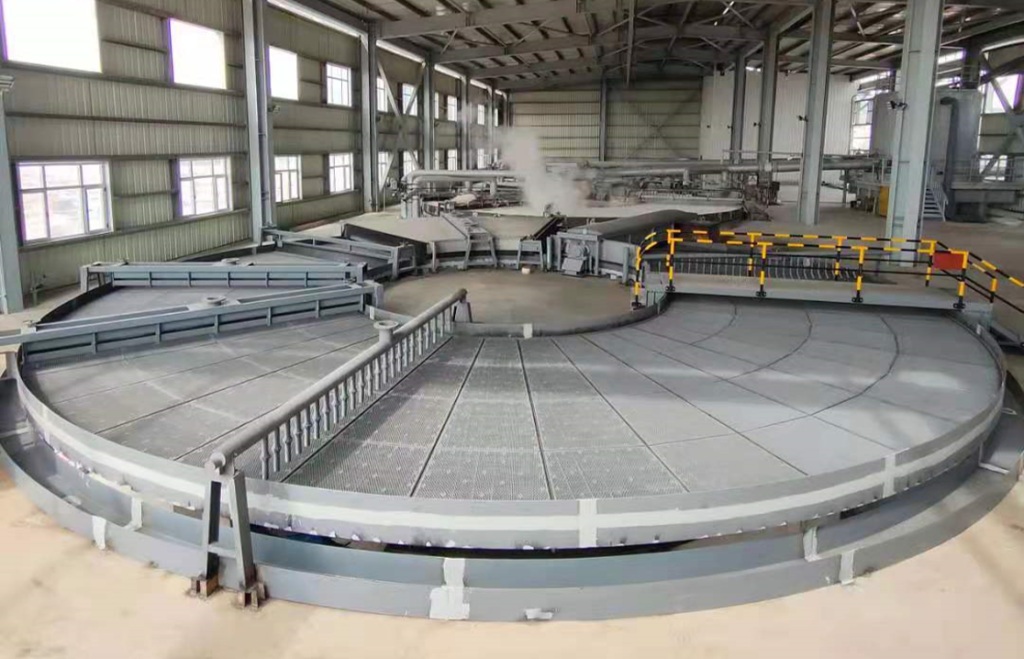
Für rote Schlammspaltungs- oder Reinigungsaufgaben, die schnelle Wasserentfernungsgeschwindigkeiten erfordern, liefert der Pfannensaugfilter unter schwierigen Bedingungen solide Ergebnisse. Der Kipppannfilter ist eine Art Vakuumfiltrationsgeräte für den kontinuierlichen Betrieb, die in Industrien wie Phosphorsäure, Phosphogypsum und Aluminiumoxidrotschlamm weit verbreitet wird. Seine fein abgestimmte Pfannenbau sorgt für eine gleichmäßige Kuchenansammlung, während Multi-Kuchenspülen einen guten Soda-Rückzug mit wenig Wasser erreicht. Der VFD-Antrieb erfüllt die Anforderungen verschiedener Prozesse: Multi-Kuchenwäsche mit großer Kapazität und keine zusätzliche Leistung beim Entladen erforderlich. Diese Stück-für-Stück-Konstruktion ermöglicht eine einfache Einbau in aktuelle Anlagenlinien ohne große Änderungspläne.
Integration von NHD-Filtern in die Aluminiumproduktionskette
Das Einbringen von leistungsstarken Filtern in Ihre Ausgangsleitung kann die stabile Arbeit vom Sieden bis zum Absetzen neu gestalten.
Verbesserung der Effizienz der Alkoholklärung mit NHD-Technologie
Automatische Blattfilter behalten eine feste Flüssigkeitsklärheit, auch wenn die Eingangsfesten von Bauxitwechseln oder früheren Prozessbewegungen wechseln. Ihr Auto-Spülzyklus hört auf zu blockieren, während Sie sicherstellen, dass sich das Obertuch ohne zu viel Wasserverbrauch zurückzieht - ein Rand, der besonders nützlich ist, wenn das Wassergewicht genau beobachtet werden muss.
Steigerung der Produktivität bei roten Schlammtrennprozessen
Pfannensaugfilter verwalten dicke rote Schlammmischungen gut durch verwaltete Saugregeln, die Rundenzeiten beschleunigen, während Restwasser in Kuchen geschnitten wird. Bessere Spülschritte reduzieren Sodaabfälle aus roten Schlamm-Ausgangsströmen - erhöhen die Gesamtrückgewinnung der Basis in der Bayer-Linie - und fein abgestimmte Saugmanagement trägt zu einem geringeren Stromverbrauch pro Tonne hergestellter Aluminiumoxid bei.
Betriebsvorteile der Annahme von NHD-Filtrationsgeräten
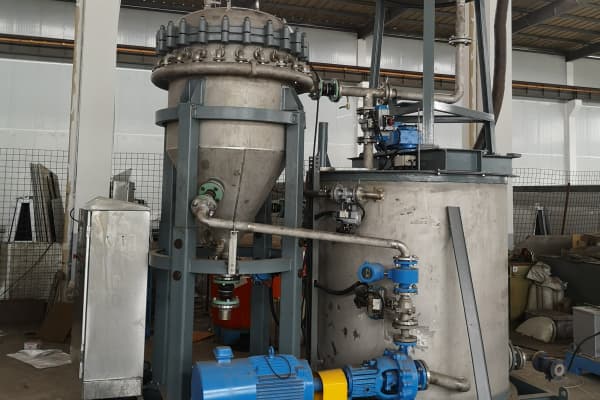
Wenn Sie moderne Filtereinrichtungen über Anlagenteile hinweg einsetzen, erzielen Sie deutliche Gewinne nicht nur bei Energieeinsparungen, sondern auch bei kürzeren Ausfallzeiten.
Energieeffizienz und Kostensenkung
Die automatische Steuerung einstellt die Saugpegel auf der Fliege, um die Zielgeschwindigkeit bei niedriger Leistung zu halten. Weniger Überraschungsstopps verwandeln sich direkt in eine höhere Leistung pro Arbeitsstunde und eine längere Lebensdauer reduziert die Kosten im Laufe der Zeit.
Nachhaltigkeit durch fortschrittliches Filtrationsdesign
Eine starke Fest-Flüssigkeit-Spaltung reduziert die Müllausgabe am Anfang durch einen besseren Rückzug von rotem Schlamm und gebrauchten Flüssigkeitsströmen. Dies führt zu kleineren Abfallmengen, die später behandelt werden müssen, und hilft, strengere weltweite grüne Regeln zu erfüllen, die darauf abzielen, den grünen Schaden pro Produktionseinheit zu reduzieren.
Vorbereitung auf die nächste Ära der Aluminiumverarbeitungseffizienz
Da die weltweiten Aluminiummärkte weiterhin mit Schwankungen aus weltweiten Ereignissen und Stromkostenveränderungen konfrontiert sind, wird die Prozessbiegbarkeit einen zukünftigen Vorteil unter den Anlagen setzen.
Intelligente Filtereinstellungen, die sich selbst überprüfen können, unterstützen den harten Betrieb der Anlage, indem sie sicherstellen, dass trotz Änderungen der Eingaben oder Änderungen der grünen Regeln stetige Ergebnisse erzielt werden. Neue Ideen im Bereich Auto-Blattfilter und Filterpfannen Hersteller, die diese Technologie nutzen, im Aufbau von Vertrauen und grüner Produktion an die Spitze stellen – Schlüsselmerken für langfristige Gewinne in sich verändernden Fabrikwelten.
FAQ (häufig gestellte Fragen)
Q1: Warum sollten Aluminiumoxidraffinerien ihre Filtrationssysteme jetzt aktualisieren?
A1: Marktschwankungen fordern billiges Laufen; Das Upgrade erhöht die Ausgangsbeständigkeit, während die Stoppzeit von Handwartung oder schlechter Feststoffspaltung reduziert wird.
Q2: Was macht automatische Blattfilter für die Aluminiumoxidverarbeitung geeignet?
A2: Sie laufen automatisch unter Druck von bis zu 1 MPa mit niedrigen Kosten und wenig Arbeitseingang, während feine Flüssigkeitsqualität perfekt für Reinigungsschritte.
Q3: Wie tragen Panvakuumfilter zu den Nachhaltigkeitszielen bei?
A3: Ihr Multi-Kuchen-Spülbau reduziert Soda-Abfall und Wasserverbrauch gleichzeitig, während die hohe Geschwindigkeit aufrechterhalten wird, um den grünen Schaden pro Tonne zu senken.