 German
  English
  French
  Spanish
  Russian
  Arabic
  Portuguese
  Indonesian
  Turkish
  Persian
  Vietnamese
  中文
中文 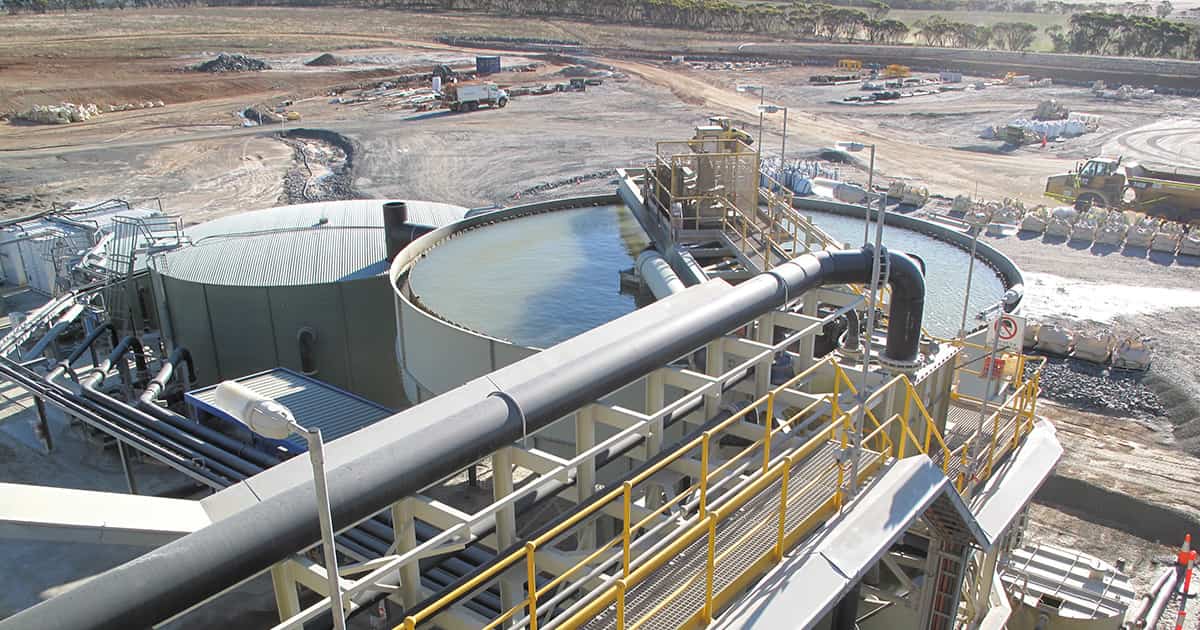 Die lokale Mineralverarbeitung gewinnt zunehmend an Bedeutung, da einige mineralienreiche Länder den Export von Rohmineralien einschränken und die Wertschöpfung im Inland fördern. Die Entwicklungen in Simbabwe, wo das Land den Export von unverarbeiteten Mineralien und sämtliche Lithiumkonzentrat-Exporte ausgesetzt hat, haben innerhalb der globalen Lieferkette Raum für die Lithiumverarbeitung sowie die lokale Aufbereitung und Raffination im Land geschaffen. Daher ist die Bedeutung der richtigen Verdicker und effizient Filter Anlagen für eine effektive Spodumenflotation, eine effiziente Laugung von Lithiumsulfat sowie eine effiziente Lithiumcarbonatkristallisation und Weiterverarbeitung.
Die wachsende Bedeutung effizienter Anlagen in der lokalen Mineralaufbereitung
Die Rolle der Mineralverarbeitung in der lokalen industriellen Entwicklung
Die lokale Mineralverarbeitung fördert das regionale Wirtschaftswachstum und die Ressourcenunabhängigkeit, indem sie Rohmaterialien in wertvolle Industrieprodukte umwandelt. Dadurch können Länder mehr Wertschöpfung im Inland erzielen, Arbeitsplätze schaffen und den technologischen Fortschritt vorantreiben. Effiziente Anlagen gewährleisten, dass jeder Prozessschritt – von der Erzgewinnung bis zur Endproduktveredelung – mit maximaler Ausbeute und minimalem Abfall abläuft. Mit dem technologischen Fortschritt wird die Einführung fortschrittlicher Systeme unerlässlich, um die Wettbewerbsfähigkeit zu erhalten und internationale Qualitäts- und Nachhaltigkeitsstandards zu erfüllen.
Herausforderungen für lokale Mineralverarbeitungsbetriebe
Die lokale Mineralaufbereitung ist aus mehreren Gründen von großer Bedeutung. Sie steht jedoch vor verschiedenen Herausforderungen. Zu den Hauptgründen zählt der fehlende Zugang zu moderner, leistungsstarker Ausrüstung, die die Produktivität steigern und die Kosten senken könnte. Weitere Herausforderungen sind Wasserknappheit und steigende Energiekosten für die Mineralaufbereitung. Hinzu kommt der Bedarf an umweltfreundlicheren Aufbereitungsverfahren, um Umweltauflagen zu erfüllen. Hierfür ist der kosteneffiziente Einsatz modernisierter Eindickungs- und Filtrationsanlagen erforderlich.
Die Funktion von Eindickern und Filtern in der Mineralaufbereitung verstehen
Die effiziente Trennung von Feststoffen und Flüssigkeiten bei der Erzaufbereitung hängt entscheidend von der einwandfreien Funktion von Eindickern und Filtern ab. Sowohl die Effizienz der Wasserrückgewinnung als auch die Qualität der in der Weiterverarbeitung gewonnenen Mineralkonzentrate werden durch Eindicker und Filter beeinflusst.
Der Zweck von Eindickern bei der Erzaufbereitung
Ein Eindicker ist ein Gerät zur Schwerkraftsedimentation, das zur Trennung von Flüssig-Feststoff-Gemischen homogener Phasen dient. Er wird häufig in Mineralaufbereitungsanlagen eingesetzt, um Wasser von Feinmineralien zu trennen, Prozesswasser wiederzuverwerten und das Volumen sowie den Trockenmassegehalt von Rückständen zu reduzieren. NHD’Das Verdickungsmittel wurde erfolgreich in der Rotschlamm-Trenn- und Waschanlage für Aluminiumoxid eingesetzt, wodurch der Feststoffgehalt im Rotschlamm deutlich erhöht und die Behandlung von Aluminiumoxid-Rückständen auf ein neues Niveau gehoben wurde. Die fortschrittliche Anlage ermöglichte eine höhere Unterlaufdichte, wodurch die Abfalllagerung reduziert und die Wasserrückgewinnungsrate erhöht wurde.
Die Rolle von Filtern bei Entwässerungsprozessen
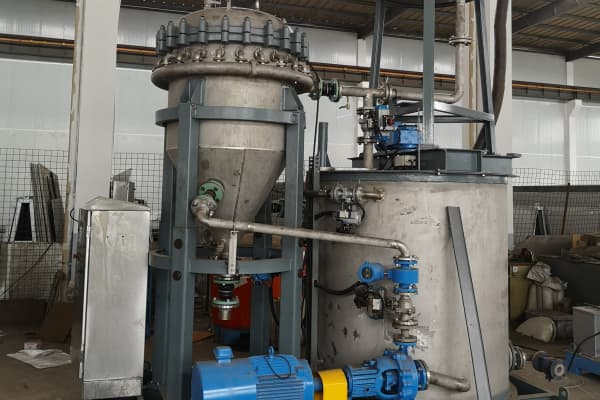
Nach dem Eindicken ist es üblich, Filter einzusetzen, um die letzte Feuchtigkeit aus dem Konzentrat vor der Weiterverarbeitung oder Trocknung zu entfernen. Der Einsatz von Kippschalenfiltern zur kontinuierlichen Vakuumfiltration ist in Branchen wie der Phosphorsäure- und Phosphogipsproduktion, der Aufbereitung von Aluminiumoxidrotschlamm, der Nichteisenmetallverhüttung, im Umweltschutz, der Erzwäsche und -verarbeitung sowie in der Pharmaindustrie weit verbreitet. Automatik-Laubfilter Es handelt sich um ein neu entwickeltes Gerät, das fortschrittliche Technologien aus aller Welt vereint. Ein hoher Automatisierungsgrad reduziert den menschlichen Eingriff erheblich und gewährleistet einen stabilen Betrieb unter verschiedenen Drücken bis zu 1,0 MPa. Dadurch eignet es sich für hochviskose Schlämme in der Mineralaufbereitung.
Warum die Umstellung auf moderne Verdickungsmittel und Filter im Jahr 2026 wichtig ist
Da die Industrie ihre digitale Transformation beschleunigt, wird die Modernisierung der zentralen Trennanlagen zu einer Notwendigkeit, um die Effizienz der Prozesse zu verbessern und die Nachhaltigkeitsziele zu erreichen.
Technologische Fortschritte bei der Fahrleistung
Eindicker der nächsten Generation können mit intelligenten Sensoren ausgestattet werden, um die Schlammdichte und die Drehmomentbelastung kontinuierlich und online zu messen. Die Prozessparameter lassen sich mithilfe des von NHD entwickelten Drehmomentanzeigers automatisch anpassen, um optimale Prozessbedingungen zu gewährleisten. Gleichzeitig muss die mechanische Beanspruchung vor Überlastung geschützt werden. Bei Filtrationssystemen ermöglichen Frequenzumrichter eine variable Drehzahlregelung. Dies führt zu Energieeinsparungen und einer gleichbleibenden Kuchenqualität beim Austrag.
Wirtschaftliche Vorteile der Anlagenmodernisierung
Die Modernisierung von Eindickungs- und Filteranlagen kann die Rentabilität einer Aufbereitungsanlage durch eine höhere Ausbeute deutlich steigern. Neue, effiziente Antriebe ermöglichen Energieeinsparungen, und ein automatisiertes Steuerungssystem verhindert Ausfallzeiten, die durch manuelle Korrekturen von Prozessparametern oder mechanische Störungen entstehen.
Nachhaltigkeit und Umweltverträglichkeit durch bessere Ausrüstung
Wassereinsparung ist heutzutage ein entscheidendes Umweltthema im Bergbau. Zum Waschen wird keine große Wassermenge benötigt. Filter KleidungDadurch wird in vielen Branchen das Problem des Wasserhaushalts gelöst. Moderne Eindicker arbeiten im geschlossenen Kreislauf und reduzieren so den Frischwasserbedarf drastisch. Automatische Blattfilter mit Selbstreinigungsfunktion und Rückspülung ermöglichen die Rückgewinnung der Filtertücher ohne zusätzlichen Wasserverbrauch und tragen somit zu einem effizienten Wasserhaushalt der Anlage bei.
Der von NHD eingesetzte Eindicker, eine Weiterentwicklung herkömmlicher Eindicker, trägt zur Einhaltung moderner Abfallwirtschaftsvorschriften bei, indem er ein dichteres Unterlaufmaterial erzeugt. Dadurch reduziert sich das im Absetzbecken zu entsorgende Volumen. Der so entstehende sauberere Abfluss erfüllt nicht nur die Vorschriften, sondern trägt auch zu besseren Beziehungen mit den lokalen Gemeinschaften bei, die den neuen Ansatz für einen verantwortungsvollen Umgang mit natürlichen Ressourcen und unternehmerische Nachhaltigkeit begrüßen.
Strategische Überlegungen zur Auswahl des richtigen Verdickungsmittels und Filters im Jahr 2026
Die Auswahl der richtigen Eindickungs- oder Filtrationsanlagen für Ihre Anwendungen umfasst mehr als nur die anfänglichen Anschaffungskosten der Anlagen.
Schlüsselfaktoren, die die Geräteauswahl beeinflussen
Prozessanforderungen und Erzeigenschaften: Die Zusammensetzung des zu trennenden Erzes beeinflusst die Effizienz des Trennprozesses. Daher ist es wichtig, vor der Auswahl der am besten geeigneten Anlage zur Erreichung des erforderlichen Durchsatzes die Korngrößenverteilung des Erzes zu bestimmen.
Kapazitätsplanung und Skalierbarkeitsbedarf: Das Werk muss eine Produktionsanlage mit geeigneter Größe wählen, um zukünftiges Produktionswachstum ohne übermäßige Nachrüstungskosten zu ermöglichen. Diese Produktionsanlage muss dem zukünftigen Produktionswachstum des Unternehmens entsprechen.
Wartungsunterstützung und KundendienstZuverlässige Servicenetze ermöglichen einen reibungslosen Betrieb, indem sie die Verfügbarkeit von Ersatzteilen sicherstellen, vorbeugende Wartungsarbeiten durchführen und technische Schulungen anbieten.
Abwägung von Kosten und langfristigem Wert
Bei der Auswahl neuer Eindickungs- oder Filteranlagen reicht ein Vergleich des Anschaffungspreises allein nicht aus. Der Entscheidungsträger muss die Gesamtbetriebskosten der verschiedenen Modelle berücksichtigen. Dazu gehören Fragen zur Kompatibilität mit Automatisierungssystemen, zur Energieeffizienz und zur Wartungszugänglichkeit.
Zukunftsaussichten für die Effizienz der lokalen Mineralverarbeitung
Die zukünftige Landschaft wird durch die intelligente Verknüpfung von digitalen Analyseplattformen und mechanischen Prozessleitsystemen gekennzeichnet sein.
Integration von Automatisierung und Datenanalyse
Durch die Optimierung optimaler Betriebsparameter wie Unterlaufdichte und/oder Filterkuchenfeuchtegehalt in Echtzeit mittels ständiger Sensorrückmeldung durch moderne Konstruktion.
Wettbewerbsvorteile durch Technologieeinführung schaffen
Die ersten Anlagen, die auf fortschrittliche Trenntechnologien setzen, werden sowohl in wirtschaftlicher als auch in ökologischer Hinsicht besser abschneiden als herkömmliche Anlagen; sie werden eine höhere Ausbeute und einen geringeren ökologischen Fußabdruck aufweisen und die Zusammenarbeit zwischen Hersteller und lokalem Verarbeiter sowie die kontinuierliche Verbesserung der gesamten Lieferkette fördern.
FAQ (häufig gestellte Fragen)
Frage 1: Welche Vorteile bietet die moderne Eindickung für die lokale Mineralaufbereitung?
A1: Der moderne Eindicker ist in der Lage, das Konzentrationsverhältnis der Feststoffe zu erhöhen und einen höheren Wasseranteil zurückzugewinnen, wobei dies alles automatisch mittels ausgeklügelter Steuerungssysteme überwacht wird.
Q2: Welche Vorteile bietet ein automatischer Laubfilter für die Entwässerungsleistung?
A2: Der automatische Blattfilter arbeitet mit variablem Druck bis zu 1,0 MPa, ist vollautomatisch, bietet die bestmögliche Feintrennung auch bei hochviskosen Schlämmen und erfordert minimalen Arbeitsaufwand.
Q3Welche Schlüsselfaktoren sind bei der Auswahl von Ausrüstung zu berücksichtigen?
A3: Bei der Auswahl der optimalen Ausrüstung für Ihren Betrieb ist es entscheidend, das abgebauten Erz im Hinblick auf Ihren langfristigen Ausbauplan zu bewerten. Berücksichtigen Sie das Servicenetzwerk, das Ihre Investition unterstützt, sowie die Kompatibilität mit Automatisierungssystemen, um langfristig eine optimale Rendite zu erzielen. Produkte wie der NHD-Vakuumfilter bieten eine hohe Durchsatzkapazität bei gleichzeitig reduziertem Wartungsaufwand – ideal für zukunftssichere Betriebe.