
 Spanish
  English
  French
  Russian
  Arabic
  Portuguese
  Indonesian
  German
  Turkish
  Persian
  Vietnamese
  中文
中文 
A medida que aumenta la demanda mundial de minerales críticos, Groenlandia emerge como una frontera estratégica donde la geología, los desafíos del Ártico y las tecnologías avanzadas de procesamiento moldean las futuras cadenas de suministro de tierras raras.
¿Por qué Groenlandia se ha convertido en el centro de los debates sobre la seguridad de las Tierras Raras y el Ártico?
Groenlandia se ha transformado rápidamente de una masa terrestre lejana en un foco clave en las conversaciones sobre minerales esenciales y seguridad en la región ártica. Para los especialistas en la beneficiación de minerales, la organización de redes de suministro o la planificación de recursos, este cambio muestra la manera en que las características geológicas, la política internacional y las técnicas de fabricación se intersectan cada vez más.
Groenlandia posee reservas sustanciales de elementos de tierras raras, particularmente las variedades más pesadas cruciales para tecnologías de energía limpia, dispositivos electrónicos de alta gama y usos militares. Con las necesidades globales aumentando bruscamente, los países buscan opciones de abastecimiento más amplias para reducir la dependencia de sólo unas pocas fuentes dominantes. Como resultado, las ocurrencias minerales de Groenlandia proporcionan potenciales alternativas a largo plazo.
Mientras tanto, los entornos árticos traen nuevas dificultades. La disminución de la cobertura de hielo crea pasajes de navegación temporales y mejora el acceso, pero también trae incertidumbres operacionales. Las escasas instalaciones básicas, los cortos períodos de construcción y las estrictas normas ecológicas constituyen los desafíos inevitables, y amplían los horarios de desarrollo y elevan las demandas de financiación.
¿Qué recursos hacen que Groenlandia sea estratégica?
Las formaciones geológicas de Groenlandia contienen reservas adecuadas para apoyar la producción de tierras raras durante muchos años. Los valiosos elementos pesados de tierras raras, como el disprosio y el terbio, que son indispensables en imanes fuertes y configuraciones de generación de energía, son especialmente atractivos. Sin embargo, el éxito comercial no sólo depende de las concentraciones de minerales sino también de la eficacia del tratamiento posterior.
¿Por qué importa la geografía del Ártico?
A pesar de las atractivas cualidades de los recursos, las posiciones aisladas del norte crean complicaciones para el transporte, el despliegue de empleados y el funcionamiento de las instalaciones. Las condiciones climáticas severas requieren máquinas de procesamiento estables y de alto rendimiento, ya que cualquier parada o retraso en la reparación es considerablemente más costoso en comparación con las áreas de extracción típicas.
La abundancia de recursos por sí sola no garantiza la entrega exitosa, y la competencia en el tratamiento industrial determina en última instancia si las iniciativas son viables.
¿Qué barreras técnicas impiden el rápido desarrollo de tierras raras en Groenlandia?
Los expertos familiarizados con los métodos hidrometalúrgicos entienden que las dificultades en la producción de tierras raras raramente se derivan únicamente de las actividades de extracción, pero comúnmente de las etapas de beneficio y separación.
Los materiales portadores de tierras raras requieren típicamente secuencias hidrometalúrgicas intricadas, incluyendo molienda, disolución, extracción líquido-líquido, cristalización y fases que separan los sólidos de los líquidos. En condiciones árticas, las bajas temperaturas dificultan las reacciones químicas y complican el movimiento de líquidos. La maquinaria debe funcionar de manera estable a pesar de las propiedades de entrada variables y las oportunidades de servicio restringidas.
¿Por qué la hidrometalurgia es compleja en las regiones árticas?
Las condiciones frías reducen las velocidades de reacción, aumentan el grosor del líquido y dificultan el movimiento de la suspensión. Los sistemas deben soportar la variabilidad de entrada mientras mantienen un rendimiento constante. Además, un estricto seguimiento ambiental requiere un reciclaje eficaz del agua y el tratamiento de residuos, lo que aumenta las demandas de refinamiento de procesos.
¿Dónde importan los sistemas de filtración y espesamiento?
La separación de los sólidos de los líquidos influye profundamente en las tasas de extracción y la contención de residuos. La deshidratación subóptima da como resultado niveles de agua más altos, lo que aumenta los gastos de envío y los peligros ecológicos. La estabilidad de los residuos también afecta a si se conceden y mantienen las aprobaciones.
En estas condiciones, la fiabilidad del tratamiento resulta tan vital como la calidad inherente de los depósitos geológicos.
¿Cómo pueden los equipos de procesamiento mejorar la viabilidad estratégica de los minerales?
Para las iniciativas remotas de tierras raras, los operadores obtienen la mayor ventaja de las instalaciones que aseguran el trabajo continuo al tiempo que reducen la demanda de mantenimiento. La estabilidad del sistema determina si las empresas alcanzan rendimientos consistentes o enfrentan interrupciones frecuentes.
¿Por qué es decisiva la eficiencia de la filtración?
El extenso tratamiento de minerales depende significativamente de un rendimiento de filtración estable. Enfoques como el Filtro de vacío de mesa rotativa (para ácido fosfórico) muestra cómo la filtración continua a base de vacío logra una formación de torta consistente, un lavado minucioso y una capacidad sustancial en entornos químicos duros.
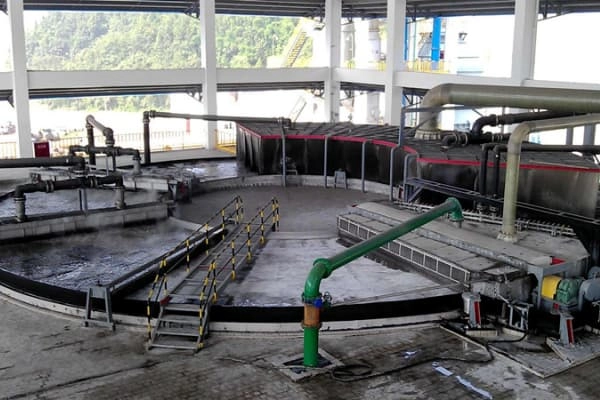
Aunque inicialmente se crearon para el tratamiento con ácido fosfórico, principios similares se adaptan a las operaciones hidrometalúrgicas de tierras raras: la distribución uniforme de las mezclas, el control estable del vacío y la descarga fiable de la torta disminuyen las fluctuaciones del rendimiento. En empresas distantes, menos interrupciones conducen directamente a un mejor rendimiento financiero. Además, la filtración eficiente reduce las siguientes pérdidas de energía al disminuir la humedad antes de las fases de secado o movimiento. Estas mejoras se acumulan durante todo el proceso de tratamiento.
Sin embargo, la filtración por sí sola no puede abordar todos los problemas. La filtración basada en presión asume cada vez más importancia cuando es necesaria una mayor eliminación de agua.
¿Por qué la automatización definirá las plantas de procesamiento de tierras raras del futuro?
Las instalaciones de tierras raras situadas en zonas septentrionales o remotas no pueden confiar en gran medida en la manipulación manual. Los controles automatizados se convierten en un requisito esencial en lugar de una característica opcional.
¿Cómo apoyan los filtros de presión la automatización?
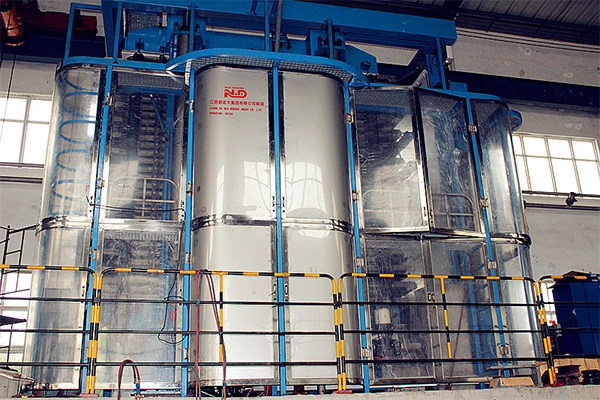
Sistemas sofisticados de filtración a presión, como el Filtro de presión automático verticalilustrar cómo el engranaje mecanizado permite la separación continua sólido-líquido con muy poco compromiso humano. Tales sistemas proporcionan un excelente rendimiento de separación, funciones de lavado automatizadas y una humedad de torta significativamente menor. La automatización reduce la intensidad de la fuerza de trabajo y mantiene estándares de producto consistentes, ambos aspectos esenciales en áreas donde el personal es bastante restringido.
Las huellas de equipos compactos también ayudan a resolver las dificultades de construcción en lugares donde los costos de transporte e infraestructura siguen siendo altos. Equipados con sistemas de monitoreo inteligentes, tales equipos permiten una producción a largo plazo con menos equipos en el sitio.
Por lo tanto, los sistemas de separación automatizados fiables constituyen una base vital para las próximas operaciones de tratamiento de minerales del norte.
¿Quién apoya la implementación industrial más allá del suministro de equipos?
Los mejores métodos de tratamiento modernos todavía requieren una combinación hábil de sistemas, experiencia en producción y un amplio antecedente de proyecto para funcionar correctamente en entornos reales. Los proveedores de equipos a menudo sirven como colaboradores industriales duraderos en lugar de meros vendedores.
¿Quién proporciona experiencia en procesamiento integrado?
Durante más de treinta años de avance tecnológico, NHD se ha desarrollado en un productor de ingeniería de servicio completo que atiende a la hidrometalurgia, fosfato, alúmina, dióxido de titanio y varias industrias no ferrosas a nivel mundial. Nuestra gama cubre filtración sistemas, filtros a presión, agitadores, espesantes y soluciones integradas de EPC que apoyan los principales esfuerzos minerales y químicos en varios continentes. Lo que distingue nuestra contribución es la combinación de habilidades de diseño centradas en el proceso, una capacidad de producción sustancial y conocimientos especializados en instalación en campo en condiciones exigentes. Para operaciones que requieren separación sólido-líquido estable, materiales resistentes a la degradación y fusión de instalaciones expandibles, nuestra fuerza industrial ayuda a reducir las incertidumbres técnicas y mejorar la estabilidad operacional sostenida.
Los antecedentes en los esfuerzos hidrometalúrgicos en todo el mundo revelan cómo los ajustes de diseño y las configuraciones flexibles aceleran la implementación incluso en entornos difíciles. Tales antecedentes prácticos se vuelven más relevantes a medida que las políticas sobre seguridad mineral evolucionan desde las encuestas iniciales hacia la realización real del proyecto.
¿Qué hace Groenlandia’ ¿Qué significa el futuro para las cadenas de suministro globales de tierras raras?
El desarrollo de Groenlandia presenta tanto posibilidades como dudas con respecto al próximo mercado de tierras raras.
¿Puede Groenlandia reducir la concentración del suministro?
Eventualmente, Groenlandia podría ayudar a difundir redes globales de abastecimiento de tierras raras. Sin embargo, el progreso de la iniciativa requiere un compromiso financiero continuo, el crecimiento de las instalaciones y la aplicación efectiva de los métodos de tratamiento. La expansión de la salida probablemente procederá de manera estable en lugar de abrupta.
¿Qué riesgos quedan sin resolver?
Persisten incertidumbres significativas que involucran obstáculos de transporte, limitaciones ecológicas y plazos extendidos para la terminación. La complejidad del tratamiento continúa como un elemento determinante, y las empresas que carecen de una sólida entrega de ingeniería podrían encontrar problemas de rentabilidad.
Para los especialistas que trabajan en el avance mineral, la visión clave es evidente: la mera presencia de recursos no puede salvaguardar las redes de abastecimiento. El logro se basa en la combinación de la cooperación política con la ingeniería de procesos confiable y la entrega industrial expandible.
A medida que se intensifiquen los requisitos globales de minerales esenciales, la convergencia de las reservas del norte, la competencia en el tratamiento y la durabilidad de los suministros seguirán influyendo en los enfoques de financiación y crecimiento.
Preguntas frecuentes
P: ¿Por qué los sistemas de filtración y espesamiento son críticos en proyectos de tierras raras?
R: Afectan profundamente las tasas de extracción, el reciclaje del agua, la durabilidad de los residuos y la adhesión a las normas ambientales, todo lo cual influye en los resultados económicos generales.
P: ¿Puede Groenlandia reemplazar pronto a los proveedores existentes de tierras raras?
R: Las perspectivas parecen alentadoras pero amplias. La escasez de instalaciones, los problemas de transporte y las capacidades de tratamiento continúan restringiendo el rápido crecimiento.
P: ¿Qué tecnologías influyen más en el éxito de proyectos de minerales remotos?
R: La mecanización, la división sólido-líquido superior, los diseños adaptables de las instalaciones y las instalaciones de tratamiento resistentes a la corrosión duraderas proporcionan los efectos más fuertes en la fiabilidad y el rendimiento duradero.