 Persian
  English
  French
  Spanish
  Russian
  Arabic
  Portuguese
  Indonesian
  German
  Turkish
  Vietnamese
  中文
中文 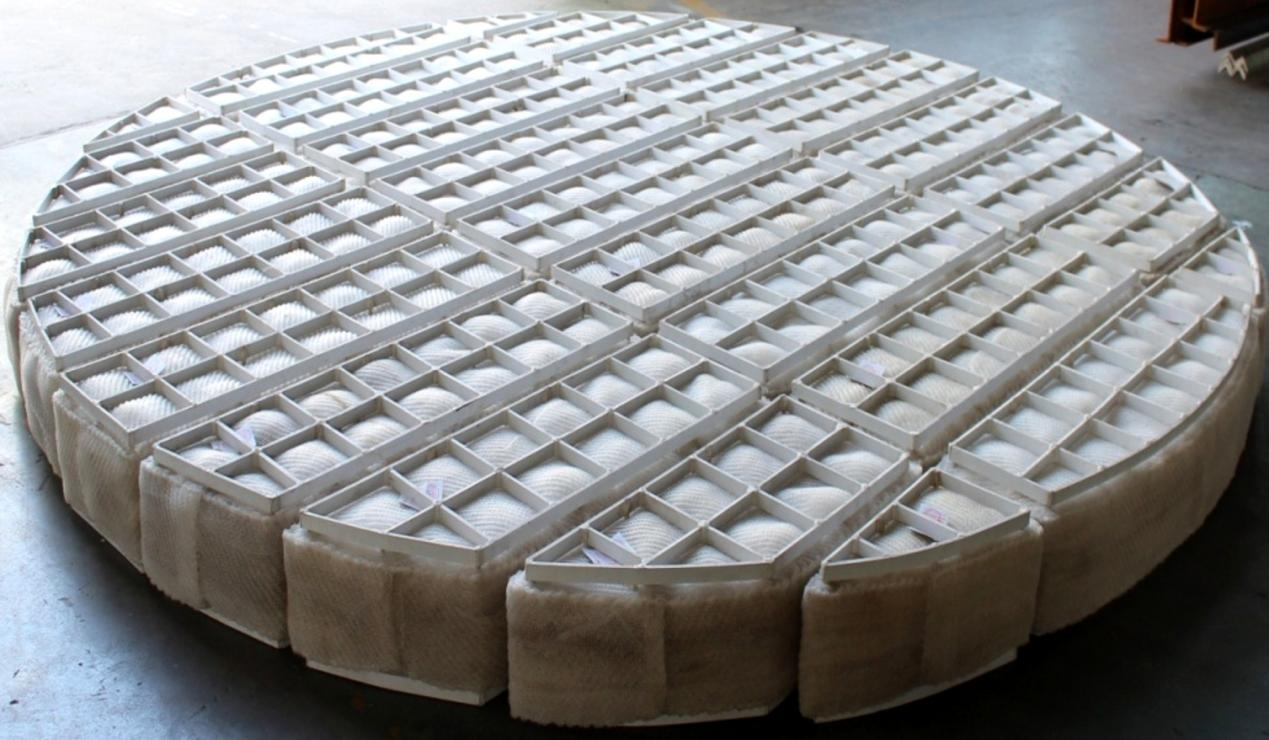 بهار گذشته، یک کارخانه بزرگ پتروشیمی ناگهانی کمپرسور را خراب کرد. هزینه تعمیر آن حدود ۳۰۰ هزار دلار است. این کارخانه همچنین سه روز تولید خود را از دست داد. گناهکار؟ جریان کوچک و مداوم قطره های مایع از پاک کننده گاز اصلی خود فرار می کنند.
کارخانه های شیمیایی با چالش های جدی مانند حمل مایع و کاهش فشار روبرو هستند که باعث آسیب های گران قیمت تجهیزات و زمان توقف خطرناک می شوند. یک سیم مش demister (همچنین به عنوان حذف کننده مه شناخته می شود) یک بخش برج کلیدی است. قطره های مایع گیر شده را از جریان های گاز حذف می کند.
ارتقاء از برج های منسوخ به سیستم های مدرن برای حفاظت از سود و برآورده کردن قوانین سختگیرانه محیط زیست ضروری است. اگر گاز اگزوز شما خیس باقی بماند، شما به معنای کلمه پول را به هوا می اندازید. بیایید ببینیم که چگونه این پد های فلزی ساده اما قدرتمند در واقع کار می کنند. ما همچنین خواهیم دید که چگونه فناوری تکامل یافته است. سپس بررسی خواهیم کرد که کدام نسخه برای کارخانه شما منطقی ترین است.
چگونه کار Wire Mesh Demisters
درک فیزیک اساسی یک برج داخلی به اپراتورها کمک می کند تا تصمیمات خرید بسیار بهتری بگیرند. قبل از اینکه به مدل ها و مواد مختلف نگاه کنیم، باید ببینیم چه اتفاقی می افتد. گاز سریع در حال حرکت به یک پد متراکم از سیم بافته شده در داخل ستون جداسازی بلند شما برخورد می کند.
اصل اصلی: Impact Inertial
مثل رانندگی یک ماشین در میان حشرات فکر کنید. هوا به راحتی در اطراف شیشه جلو شما جریان می یابد، اما حشرات سنگین مستقیماً به شیشه برخوردار می شوند. وقتی گاز کثیف به یک برج می رسد، قطره های کوچکی از مایع را حمل می کند. همانطور که این گاز وارد پد دمیستر می شود، گاز به راحتی می تواند خم شود و از طریق متاهه سیم تنگ بکشد.
با این حال، قطره های مایع بسیار سنگین تر هستند. نمی توانند به اندازه کافی سریع برگردند. به دلیل حرکت خود، آنها مستقیماً به سیم های فلزی برخوردار می شوند. مهندسان این فرآیند را Impact Inertial می نامند. وقتی به سیم ضربه می زنند، می چسبند. همانطور که قطره های بیشتری به یک نقطه می رسند، ادغام می شوند و به قطره های بزرگتر رشد می کنند. سپس جاذبه آنها را به پایین مخزن می کشد.
هزینه ناکارایی: حمل مایع
اگر یک کارخانه تلاش کند تا با اجرای بدون حذف کننده مه مناسب چند دلار صرفه جویی کند، نتایج دردناک است. انتقال مایع زمانی اتفاق می افتد که حلال های ارزشمند یا اسید های خوردگی با گاز به بالا و بیرون سفر می کنند. این امر نه تنها مواد شیمیایی گران قیمت را هدر می دهد بلکه تجهیزات پایین را نیز به سرعت از بین می برد.
یک قطره اسید سولفریک که با سرعت بالا حرکت می کند مانند یک گلوله کوچک عمل می کند. از طریق لوله های فولادی می خورد و تیغه های توربین گران قیمت را در ماه ها به جای سال ها خراب می کند. شما همچنین در معرض خطر شکست در آزمایش های محلی انتشار محیط زیست هستید.
گلوله عملیاتی: خطرات تعمیر و نگهداری
حتی یک دمیستر شبکه سیم سطح بالا در نهایت کثیف می شود. ذرات جامد و لب شیمیایی چسبنده در داخل سیم های بافته شده با گذشت زمان جمع می شوند. این باعث ایجاد یک مشکل عملیاتی شدید می شود.
به طور سنتی، تمیز کردن یک پد مسدود به معنی بستن کل برج بود. نیاز به باز کردن حفره های سنگین فولادی داشت. سپس کارگران با وسایل تنفس وارد یک فضای تاریک و سمی شدند. این یک کار خطرناک و خسته کننده است که کل خط تولید شما را مجبور می کند تا برای چند روز درآمد پول را متوقف کند.
سفر از طریق سه نسل فناوری Demister
تکنولوژی جداسازی صنعتی یک شبه اتفاق نمی افتد. در طول سه دهه گذشته، مهندسان از تعطیلات بی شماری کارخانه ها و ستون های مسدود شده یاد گرفتند. طراحی دمیستر شبکه سیم از یک اسفنج فلزی ساده به یک سیستم بسیار مهندسی شده است. این به محافظت از سود و ایمنی کارگران شما کمک می کند.
نسل اول: پد های مش سیم استاندارد
داستان با پد استاندارد Demister شروع می شود. این را به عنوان اسب کاری صنعتی خود در نظر بگیرید که برای وظایف جداسازی روزمره گاز و مایع ساخته شده است. نقطه اصلی فروش آن، سادگی آن است. این دارای اثر فیزیکی کوچک است، وزن بسیار کمی دارد و مقاومت کم در برابر جریان گاز ایجاد می کند.
اگر شما یک برج استاندارد با محدودیت های فضایی اساسی و بودجه تنگ دارید، این نسل اول ارزش زیادی را ارائه می دهد. این بدون هیچ ویژگی های فانتزی تقاضای کارخانه استاندارد را مدیریت می کند.
نسل دوم: انقلاب دمیستر کشو
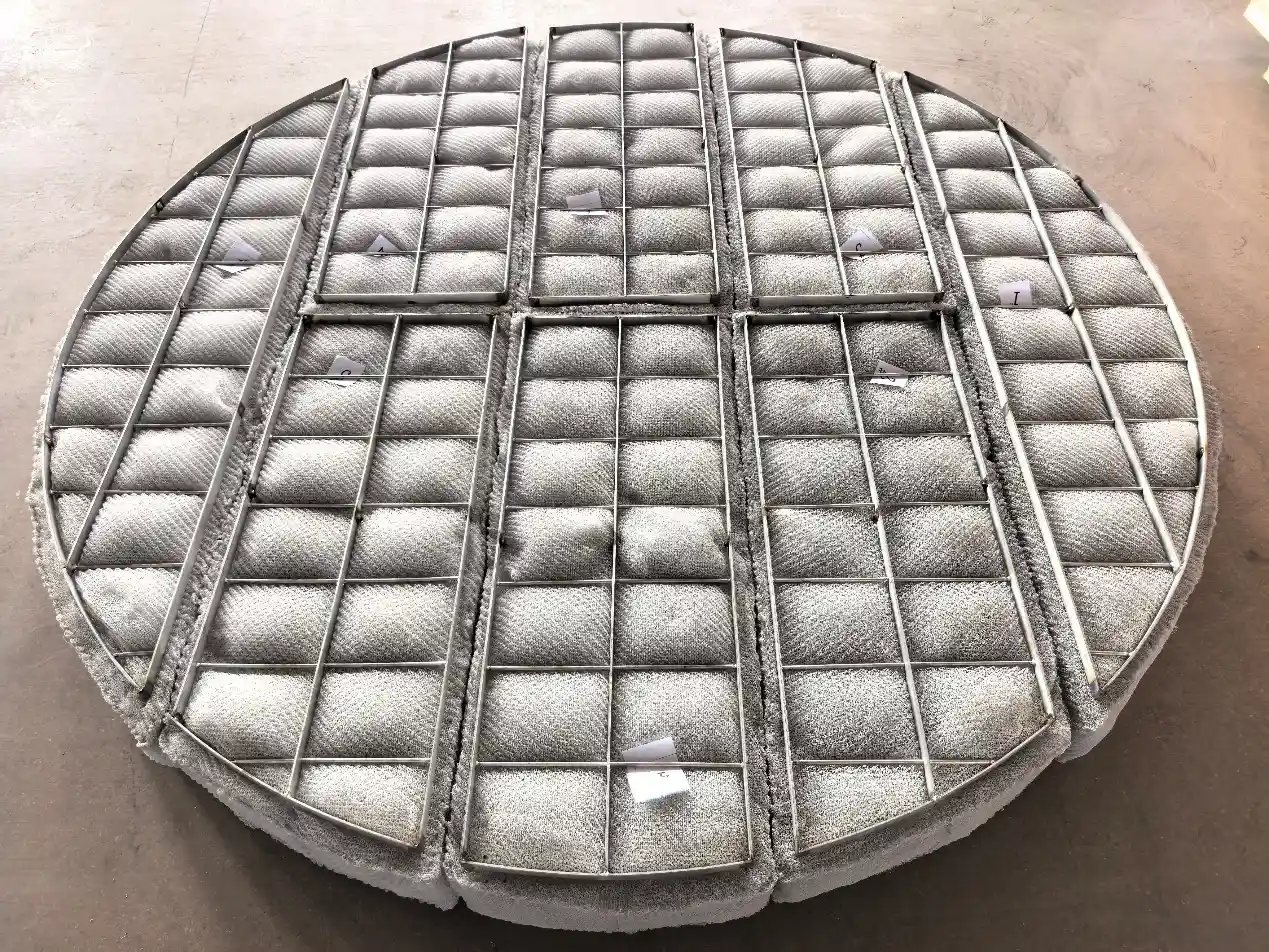
در نهایت، مدیران کارخانه از ارسال کارگران به داخل مخازن های سمی خسته شدند. این ناامیدی عمیق منجر به از دست دادن کشو شد. به عنوان یک رهبر صنعت، NHD تنها شرکت است که در تهیه استاندارد HG / T21586-1998 برای Demisters نوع کشو (شماره ثبت اختراع ZL93246402.5) شرکت می کند. نقطه اصلی درد که حل شد نگهداری بود.
شما می توانید پد را مانند یک کشوی میز درست از بیرون برج بیرون بکشید. کارگران هرگز مجبور به ورود به داخل نیستند. این امر زمان تمیز کردن و تعمیر را از ۴۸ ساعت به ۴ ساعت کاهش می دهد و هزینه های تعمیر و نگهداری را به طور گسترده ای کاهش می دهد. همچنین بسیار انعطاف پذیر است، که به اپراتورها اجازه می دهد تا به راحتی صفحات کور را نصب کنند تا با دوره های عملیات کم بار مطابقت داشته باشند.
نسل سوم: پیشرفت Demister V-Type
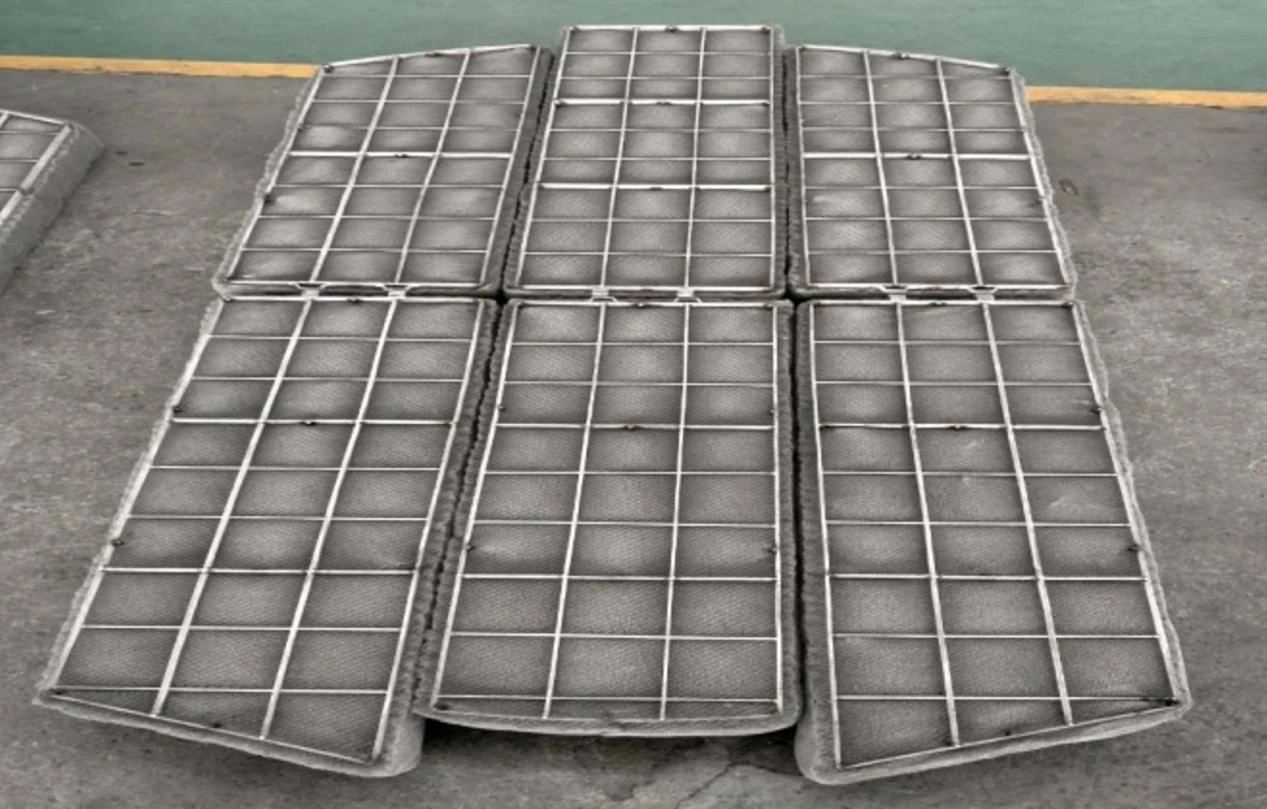
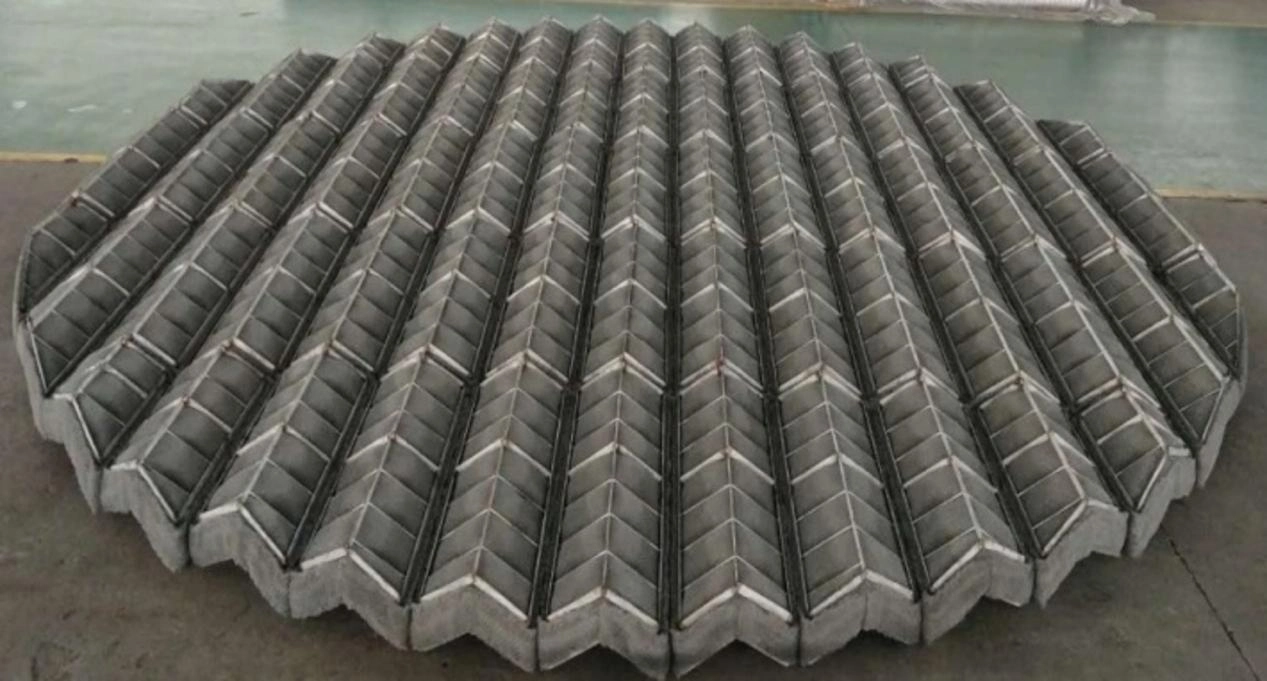
آخرین جهش در فناوری جداسازی، دمیستر نوع V (شماره ثبت اختراع ZL97236744.6) است. وقتی گاز بیش از حد سریع در داخل یک برج حرکت می کند، گاهی اوقات مانند باد قوی عمل می کند که آب را از سقف دور می کند. قطرات آب جمع آوری شده را از سیم ها جدا می کند - مشکلی که به عنوان جذب ثانویه شناخته می شود.
هندسه نوع V به طور کامل مسیر مایع را تغییر می دهد. گاز یک مسیر خاص را می گیرد، در حالی که مایع به مسیر کاملا متفاوت می رود. این امر تقریباً به طور کامل درگیری ثانویه را متوقف می کند.
یک لایه از این شبکه سیم موج آمیز به اندازه دو لایه از یک پد استاندارد عمل می کند. علاوه بر این، طراحی موج منطقه فیلتر را تا ۱۵٪ افزایش می دهد. این امر به اپراتورها فضای بیشتری برای تنظیم سرعت گاز و مقاومت در برابر جریان می دهد.
چگونه برای انتخاب مناسب Wire Mesh Demister؟
انتخاب یک حذف کننده مه اشتباه یا برج شما را خفه می کند یا اجازه می دهد مواد شیمیایی خطرناک به اتمسفر فرار کنند. یک فرآیند انتخاب مناسب demister با محیط شیمیایی شما و نرخ جریان به ساختار پد مطابقت دارد. در اینجا یک چارچوب عملی برای راهنمایی خرید شما ارائه شده است.
تعریف شاخص های کلیدی عملکرد (KPIs)
شما باید قبل از سفارش به دقت به سه عدد اصلی نگاه کنید.
- سرعت عملیاتی:هر پد پنجره ای موثر دارد. اگر گاز خیلی آهسته حرکت کند، قطره ها بدون ضربه زدن به سیم ها از طریق آن حرکت می کنند. اگر خیلی سریع حرکت کند، باعث سیل می شود و آب را از بالا به بیرون می رساند.
- کاهش فشار:یک شبکه تراکم تر آب بیشتری را می گیرد. اما این باعث می شود که طرفداران بزرگ صنعتی شما سخت تر کار کنند. این امر به سرعت حساب برق شما را افزایش می دهد.
- توزیع اندازه قطره:شما باید تراکم سیم را با محدوده میکرون خاص مایع زباله خود مطابقت دهید. عرض یک مو انسان حدود ۷۰ میکرومتر است، اما یک پد خوب نیاز به گرفتن ذرات کوچک بین ۲ تا ۵ میکرومتر دارد.
ماتریس انتخاب Demister
از این راهنمای مرجع سریع برای مطابقت یک سبک با نیازهای کارخانه خود استفاده کنید:
| نوع Demister | کارایی | آسان نگهداری | ظرفیت | مقاومت | کاربرد معمولی |
| پد استاندارد | طبیعی (گرفتن > 5 میکرومتر) | سخت (نیاز به ورود به برج) | متوسط | پایین | جداسازی گاز و مایع در برج های کوچک استاندارد |
| کشو Demister | بالا | خیلی آسان (از بیرون بیرون کشیدن) | متوسط-بالا | پایین | کارخانه هایی که نیاز به تمیز کردن مکرر و ایمنی بالای کارگران دارند. |
| Demister نوع V | بسیار بالا | متوسط آسان | بسیار بالا | بسیار پایین | برج های با سرعت بالا گاز مستعد کشیدن ثانویه هستند. |
انتخاب مواد و مقاومت در برابر خوردگی
یک طراحی زیبا بی ارزش است اگر فلز در حمام اسید ذوب شود. متالورژی خیلی مهم است.
- گزینه های متالورژی:برای آب استاندارد و مواد شیمیایی خفیف، فولاد ضد زنگ 304 یا 316L به طور کامل کار می کند و پول را صرفه جویی می کند. اما اگر برج شما با اسیدهای تهاجمی یا گازهای خوردگی با دمای بالا مقابله کند، باید ارتقاء دهید. از آلیاژهای عجیب و غریب مانند مونل یا تیتانیوم برای جلوگیری از خرابی های ناگهانی استفاده کنید.
- راه حل های غیر فلزی:گاهی اوقات فلز انتخاب کاملا اشتباه است. هنگام دستکاری با اسیدهای خوردگی بالا یا پایه ها در دمای پایین تر، گزینه های پلاستیکی بهتر کار می کنند. PP (پلی پروپیلن) یا PTFE (تفلون) محافظت قوی و عمر طولانی را ارائه می دهد.
چرا با NHD برای نیازهای شما همکاری کنید
خرید اجزای داخلی برج از یک واسطه اغلب منجر به قطعات نامتناسب و تاخیر در حمل و نقل می شود. شما به یک تولید کننده مستقیم نیاز دارید که واقعیت های سخت پردازش شیمیایی را درک کند. همکاری با کارخانه ای که خط تولید کامل را کنترل می کند، قیمت های بهتر، تحویل سریع تر و پشتیبانی قابل اعتماد را به شما می دهد. NHD بیش از 30 سال تجربه عمیق و عملی در تولید شبکه سیم را به ارمغان می آورد. با اجرای یک فرآیند تولید کامل و یک توقف، NHD به عنوان یک تولید کننده تعیین شده برای وزارت شیمیایی چین عمل می کند. همچنین به شرکت عمومی غیر آهنی و صنعت پتروشیمی در چین خدمت می کند.
ما فقط طراحی های قدیمی را کپی نمی کنیم. به عنوان تنها نویسنده شرکت استاندارد ملی HG / T21586-1998 برای demisters کشو، NHD بازار را رهبری کرده است. این کار را با توسعه سه نسل مختلف تجهیزات جداسازی انجام داد. وقتی از NHD خرید می کنید، مهندسی ثابت شده برای سخت ترین چالش های صنعتی خود را دریافت می کنید، نه حدس زدن.
نتیجه گیری
تکامل demisters شبکه سیم مشکلات مهم مانند تعمیر و نگهداری خطرناک و حمل مایع گران قیمت را حل می کند. این که آیا شما یک کارخانه پردازش منطقه ای کوچک یا یک پالایشگاه بزرگ را اداره می کنید، ارتقاء به فناوری جداسازی پیشرفته عملیات ایمن تر و بسیار سودآورتر را ارائه می دهد.
اجازه ندهید مواد شیمیایی با ارزش از پشته های خود فرار کنند. امروز با ما تماس بگیرید sales@chinanhd.com یا از طریق واتساپ 86 1366732427 برای سفارشی، برج با عملکرد بالا داخلی متناسب با نیازهای دقیق شما.
سوالات متداول
س: چیست عملکرد از یک سیم شبکه demister؟
پاسخ: این به عنوان یک مانع فلزی فیزیکی برای گرفتن و برداشتن قطرات مایع کوچک از جریان های گاز داخل برج عمل می کند.
سوال: چگونه یک دیمیستر کشو ایمنی کارخانه را بهبود می بخشد؟
پاسخ: به کارکنان تعمیر و نگهداری اجازه می دهد تا پد را از بیرون بکشند. این امر از خطر عمده ورود به فضاهای مسموم و محدود برج جلوگیری می کند.
س: تاثیر سرعت گاز بر انتخاب پد دمیستر چیست؟
پاسخ: گاز باید به اندازه کافی سریع حرکت کند تا قطره های سنگین را به سیم ها وادار کند، اما به اندازه کافی آهسته برای جلوگیری از دمیدن آب جمع آوری شده.