 Persian
  English
  French
  Spanish
  Russian
  Arabic
  Portuguese
  Indonesian
  German
  Turkish
  Vietnamese
  中文
中文 
با گسترش پروژه های معدن در خارج از کشور به محیط های دور و سخت، مدیریت چرخه زندگی تجهیزات به طور مستقیم ROI عملیاتی بهتر (بازگشت سرمایه گذاری) را هدایت می کند. در سال ۲۰۲۶، شرکت های معدنی بیشتر بر تولید تمرکز می کنند، اما همچنین بر دوام، بهره وری نگهداری و عملکرد دارایی های بلند مدت. قبل از اینکه به طور عمیق در برنامه های چرخه زندگی غوطه ور شویم، کلید درک این است که چرا تجهیزات معدنی مقاوم در برابر فرسایش نقش مهمی در عملیات معدنی مدرن ایفا می کند.
اهمیت فزاینده تجهیزات معدن مقاوم در برابر فرسایش در عملیات مدرن
در بخش معدن جهانی، شرکت هایی مانند NHD تجهیزات معدن مقاوم در برابر فرسایش برای رسیدگی به نیازهای پروژه های سخت تر. محرک برای خروجی بیشتر، همراه با شرایط خشن تر زمین، دوام و عملکرد چرخه زندگی را برای موفقیت مداوم ضروری می کند.
درک تقاضای پروژه های معادن معاصر
وظایف معدن امروز با موانع افزایش ناشی از لایه های معدن عمیق تر و مخلوط های معدنی سخت تر روبرو هستند. با افزایش استحکام معدن، فرسایش در ماشین های حفاری و دستکاری نیز سرعت می یابد. تنظیمات کار سخت - از خاک های خاک تا دمای وحشی - خرابی بخش را تسریع می کند. وقتی دنده کلیدی خراب می شود، زمان از دست رفته به برنامه های خروجی ضربه می زند و پروژه به سختی به دست می آید. این امر باعث افزایش عملکرد دارایی های بلند مدت می شود.
چگونه مقاومت در برابر پوشیدن ثبات عملیاتی را افزایش می دهد
استفاده از مواد قوی در ماشین های معدن زمان سرویس را افزایش می دهد و نیازهای نگهداری را کاهش می دهد که کار را تحت بارهای بزرگ به راحتی ادامه می دهد. مقاومت بهتر در برابر خراش به حفظ عملکرد پایدار حتی با سنگ معدن یا زباله های بسیار خشن کمک می کند. علاوه بر این، قطعاتی که طولانی تر دوام دارند، مدیریت چرخه زندگی پایدار تجهیزات را امکان پذیر می سازند. سپس اپراتورها می توانند نگهداری و مبادله را به شیوه ای سازماندهی شده برنامه ریزی کنند، نه فقط در عجله. چنین روش هایی قطعات را کاهش می دهند و از منابع در کل زنجیره معدن به بهترین وجه استفاده می کنند.
مدیریت چرخه زندگی به عنوان یک رویکرد استراتژیک در پروژه های معدن در خارج از کشور
همانطور که پروژه های معدن خارج از کشور به مناطق دور با پشتیبانی از تامین از راه دور رشد می کنند، مدیریت چرخه زندگی به یک ضرورت برای کار پایدار و کنترل هزینه تبدیل می شود.
تغییر به سوی استراتژی های دارایی مبتنی بر چرخه زندگی
شرکت های معدنی در سراسر جهان اکنون به سمت برنامه های دارایی مبتنی بر چرخه زندگی مایل هستند تا از منابع در بسیاری از سایت ها بهره مند شوند. مدل های نگهداری هوشمند از اطلاعات واقعی از کار در محل استفاده می کنند. این نشانه های اولیه مشکل را قبل از تبدیل شدن به زمان توقف گران قیمت تشخیص می دهد. ردیابی چرخه های زندگی نیز به پیش بینی هزینه ها کمک می کند و با کاهش زباله از مبادله اولیه قطعات با اهداف سبز مطابقت دارد.
ادغام تجهیزات مقاوم در برابر فرسایش در برنامه ریزی چرخه زندگی
دستگاه های مقاوم در برابر فرسایش، از جمله راه حل های تجهیزات معدن NHDدر قلب برنامه ریزی چرخه زندگی خوب قرار دارد زیرا هزینه های کل مالکیت را در طول زمان کاهش می دهد. بینش از روند پوشیدن زمان خرید و دوره های مبادله را هدایت می کند، بنابراین هزینه ها با نیازهای واقعی کار مطابقت دارد. برای شغل های دور یا خارجی که تعطیلات برنامه ریزی نشده باعث مشکلات بزرگ می شوند، اضافه کردن قطعات قوی خطر تعطیلات برنامه ریزی نشده را کاهش می دهد و استحکام کلی پروژه را افزایش می دهد.
نقش فشرده های فیلتر عمودی در پردازش کارآمد منابع
تنظیمات مدرن فیلتراسیون نقش بزرگی در کارخانه های معدنی با بهبود کارایی جداسازی جامد و مایع در حالی که مصرف برق را کاهش می دهد، ایفا می کنند.
افزایش کارایی فیلتر از طریق بهبود طراحی
مطبوعات فیلتر عمودی ساخته شده برای ارائه آب زدایی بالا برای مخلوطات معدنی از طریق تنظیمات کوچک اما قوی که سرعت دستکاری را افزایش می دهد. تنظیم مستقیم آنها حجم بیشتری را در فضاهای تنگ فراهم می کند و نیازهای انرژی را در هر تن اداره شده پایین نگه می دارد. اتوماسیون قابلیت اطمینان عملیاتی را با کاهش کار دستی و لغزش در دوره های فیلتر بهبود می بخشد که هم ایمنی و هم کیفیت خروجی پایدار را افزایش می دهد.
افزایش عمر سیستم های فیلتر با مقاومت در برابر فرسایش
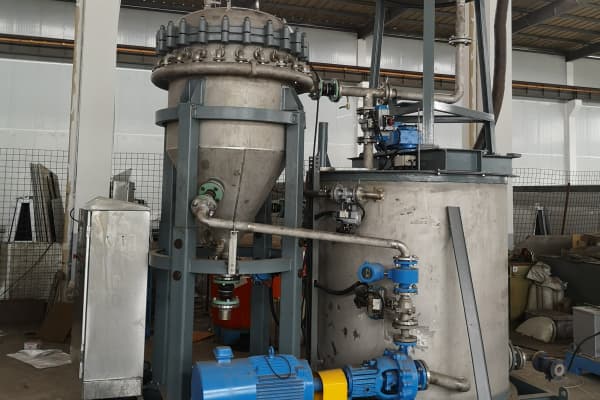
تنظیمات فیلتر مانند فیلتر برگ اتوماتیک نشان دهید که چگونه ایده های طراحی تازه می توانند طول را افزایش دهند و نگهداری را در نقاط خشن کاهش دهند. ویژگی ها:
- دویدن اتوماتیک ، مقاومت کم کار ، عملکرد آسان ؛
- اجرا در یک محفظه کامل، عمر طولانی پارچه، هیچ نشت، و آلودگی محیط زیست کمتر؛
- خود تمیز کردن با کارایی بالا، تخلیه کیک شستشو، بازیابی پارچه بدون مصرف آب و کاهش بار تبخیر به طور موثر؛
- PLC با صفحه لمسی، کنترل قابل اعتماد
- حفاظت از فشار سه گانه منحصر به فرد در فیلتر برای اطمینان از اینکه کاملا ایمن است.
- گل غلظت بالا: کیک فیلتر پس از برداشتن از پارچه در پایین ظرف قرار می گیرد و در چرخه بعدی با زمان طولانی تخلیه می شود.
- دریچه های عایق مجهز به منظور جدا کردن یک عنصر واحد بلافاصله هنگامی که یک ناهنجاری رخ می دهد.
- دریچه پنوماتیک ویژه قابل اعتماد با عمر پویا و طولانی؛
- انتخاب عناصر فیلتر مواد پلیمری می تواند فیلتر دقت بالاتری را بدست آورد. این ویژگی ها نشان می دهند که چگونه اتوماسیون در ترکیب با مواد مقاوم در برابر فرسایش ایمنی کار و استفاده طولانی تر در شرایط سخت معدن را به ارمغان می آورد.
به همین ترتیب، برای پردازش لایه با محتوای جامد بالا، مانند آب زدایی لایه و درمان لایه مناسب است. این توانایی باعث می شود که فشرده های فیلتر صفحه و قاب یا عمودی برای گیاهان معدنی که می خواهند عملکرد جداسازی ثابت را تحت تغییر تنظیمات تغذیه دارند، انتخاب کنند.
مزایای اقتصادی و زیست محیطی راه حل های مقاوم در برابر فرسایش
قرار دادن پول در تجهیزات معدن مقاوم در برابر فرسایش مزایای اقتصادی قابل اندازه گیری را ارائه می دهد در حالی که به اهداف رشد سبز در سراسر جهان کمک می کند.
کاهش هزینه های عملیاتی با طول عمر دنده شروع می شود - مبادله های کمتر به معنی هزینه های کمتری برای بیت های اضافی و زمان کمتری برای تعمیر و نگهداری مداوم است. کار ثابت ماشین همچنین ضایعات انرژی را در طول چرخه های تولید با حفظ سطوح بالای اجرا در شیفت های طولانی کاهش می دهد.
در سمت سبز، دنده ای که دوام می برد، زباله را کاهش می دهد زیرا قطعات کمتری نیاز به دور انداختن در طول سال ها دارند. استفاده هوشمند از انرژی تولید کربن را در هر واحد تولید شده کاهش می دهد - یک معیار اصلی در برنامه های سبز شرکت در سراسر جهان. بنابراین مدیریت چرخه زندگی نه تنها بازگشت پول را افزایش می دهد بلکه به برآورده کردن الزامات گزارش پایداری که حمایت کنندگان و ناظران انتظار دارند کمک می کند.
آماده سازی برای سال 2026: سرمایه گذاری های استراتژیک در کارایی تجهیزات
با توجه به اینکه جهان به پیش بینی هایی با هدف تولید بالاتر تا سال 2026 نیاز دارد، انتخاب های هوشمند هزینه ها اکنون لبه های آینده را شکل می دهند.
مطابقت برنامه های خرید با اهداف پروژه آینده به معنی انتخاب زودهنگام استفاده از فناوری تازه و مقاوم در برابر سایت است. کار تیمی بین فروشندگان و کارگران اطمینان حاصل می کند که دنده های جدید با جریان های فعلی مطابقت دارند بدون آسیب رساندن به اعتماد یا قوانین ایمنی. علاوه بر این، اضافه کردن سیستم های بهبود مداوم به گروه ها اجازه می دهد تا با مراحل فناوری در دانش مواد و ابزارهای ساعت دیجیتال مانند سنسورهای IoT که آمار پوشیدن زنده را بر روی دنده های گسترده بررسی می کنند، رشد کنند.
ترکیب این دیدگاه ها در تغییرات طراحی ایده های جدید را ایجاد می کند، در حالی که آموزش به تقویت فرهنگ تعمیر و نگهداری فعال در کارکنان فناوری کمک می کند - بخش کلیدی از برنده شدن کار پایدار. به عنوان مثال، تنظیمات فیلتر عمودی مانند صفحه و فشار فیلتر فریم با این دیدگاه از طریق تنظیمات انعطاف پذیر مطابقت دارند که نیازهای مختلف فرآیند را به خوبی در زمینه هایی مانند معدن مدیریت می کنند.
سوالات متداول
Q1: چه چیزی تجهیزات معدن مقاوم در برابر فرسایش را برای عملیات مدرن ضروری می سازد؟
A1: افزایش استحکام سنگ معدن و سرعت فشار خروجی افزایش فرسایش دنده؛ بنابراین، استفاده از مواد قوی ثبات را به ارمغان می آورد، هزینه های زمان از دست رفته را کاهش می دهد و مدیریت چرخه زندگی پایدار را پشتیبانی می کند.
Q2: چگونه مدیریت چرخه زندگی عملکرد پروژه در خارج از کشور را بهبود می بخشد؟
A2: این اجازه می دهد تا نگهداری هوشمند از طریق اطلاعات مسیر پوشیدن زنده در حالی که پیش بینی هزینه ها را با اهداف سبز مطابقت می دهد - کلید برای ثبات دوربینی.
Q3: چرا فشرده های فیلتر عمودی در پردازش منابع مهم هستند؟
A3: آنها سرعت آب زدایی را از طریق طراحی کوچک و فناوری خودکار افزایش می دهند در حالی که مواد سخت را اضافه می کنند که عمر استفاده را تحت تنظیمات فشار بالا رایج در گیاهان معدنی کشش می دهند.