 English
  French
  Spanish
  Russian
  Arabic
  Portuguese
  Indonesian
  German
  Turkish
  Persian
  Vietnamese
  中文
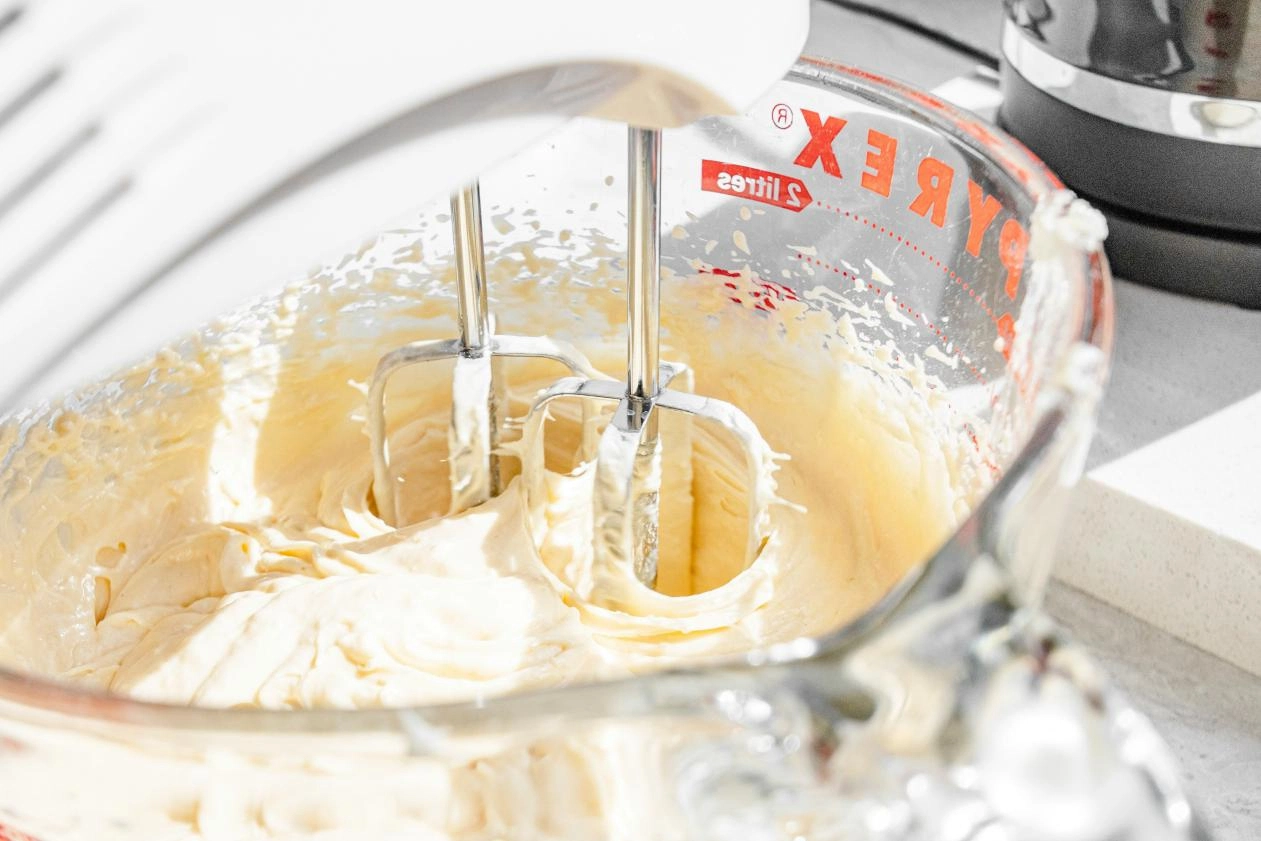
中文 Blending a smoothie in the kitchen—under-blending leaves large chunks; over-blending turns it into a frothy mess. In the chemical and non-ferrous metals industries, sustainable mining and green chemistry make choosing the right blender equally crucial. Efficient mixing is essential in the chemical and mining industries, where sustainability and energy efficiency matter. Choosing the right industrial agitator ensures proper blending, reduced energy waste, and higher productivity.
Why Start with Agitation Experiments for Selection?
Getting the agitator right from the start avoids costly mistakes down the line. NHD agitation experiments can help match the equipment to your materials and tank setup. Think about how pitch blade agitators handle viscous fluids differently from standard models. By running tests, you can see real performance data before full-scale installation.
Necessity of Pre-Selection Lab Test
Lab tests act as a safety net. They reveal how well an agitator mixes your specific liquids or slurries. For instance, in the chemical industry, where reactions depend on uniform blending, a poor mix can lead to uneven results or safety issues. Tests on mud tank agitators show whether they prevent settling in drilling fluids. Without this step, you might end up with equipment that underperforms, wasting time and resources.
Moving from basic tests to more advanced setups ensures you cover all angles. That’s where specialized benches come in, offering precise control over variables like speed and impeller type.
ADV Testing Bench for Impeller Selection
The ADV bench stands out for its ability to simulate real conditions on a small scale. It uses tanks up to 1800mm in diameter for pilot runs. Here, you can try different impellers, like pitch blade agitators, to measure torque and power draw. In one setup, a 1200mm tank tested flow patterns, showing how liquid mud agitators maintain suspension in high-solid mixes. Results guide impeller choices, ensuring the final agitator fits your needs without guesswork.
These benches provide data that’s hard to get otherwise. But for even deeper insights, software tools step in to model complex flows.
Leveraging FLUENT Software for Flow Analysis
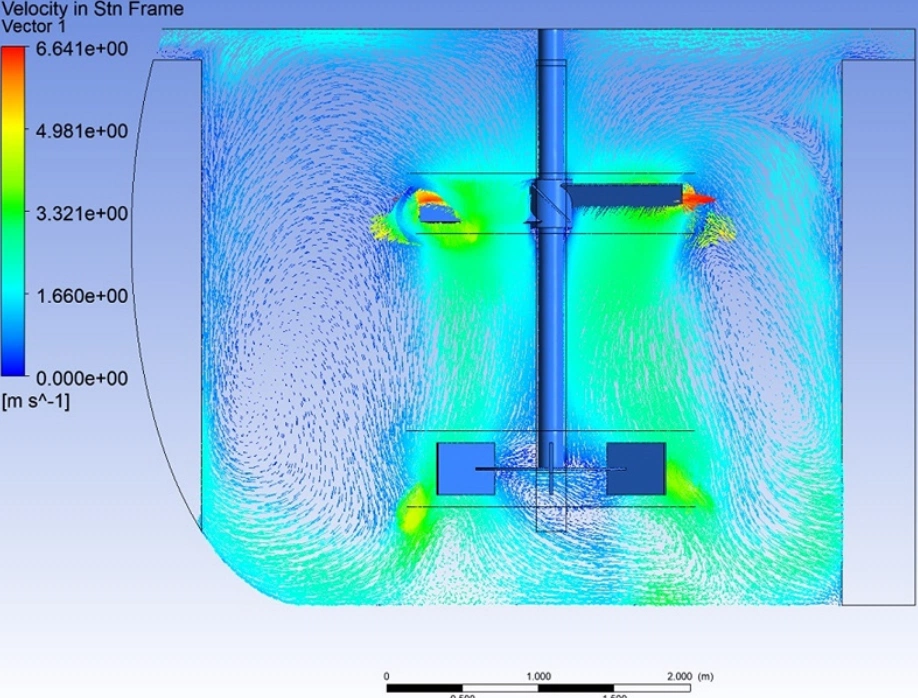
After physical testing, computational fluid dynamics (CFD) provides deeper insights, and FLUENT software brings simulations to life. It analyzes how fluids move under various conditions, helping predict performance for agitators in chemical industry tanks. For example, in a non-ferrous mining scenario, it modeled axial flow in a 3000mm tank, revealing dead zones that could cause fouling. By adjusting variables like blade angle in side-entry agitators, engineers cut energy use by up to 20%. This tool complements lab tests, giving a full picture before production.
What Advantages Do Co-Current Agitators Offer?
Co-current agitators shine in setups where flow direction matters. They align liquid movement with the impeller’s action, reducing turbulence. This makes them ideal for sensitive processes, much like how vertical agitators for water purification keep flows steady to avoid disturbing sediments.
- Applications in Acid Processing and Reaction Tanks: In PA reaction tanks, the co-current agitator generates force in nearly the same direction as the fluid flow. Together with a low surface concentration gradient, this configuration significantly prevents backflow that could damage equipment. A typical case involves a 5000mm diameter tank handling sulfuric acid mixtures. Here, the design ensures even distribution, boosting reaction rates by 15-25%. In chemical plants, these agitators manage volatile mixes with minimal splashing and reduce wear, extending equipment life in harsh conditions.
- Benefits for Reducing Wear and Fouling: The agitator blade is engineered based on optimal positioning in the speed-critical zone. Although smaller than PBT impellers, it still delivers superior hydraulic performance. Furthermore, its compact critical-zone diameter and slower radial current help reduce tank-wall erosion, thereby extending reaction-tank service life. In one mining project, fouling was reduced by 40% compared to traditional models. The smooth flow minimizes particle buildup on blades, especially in mud tank agitators dealing with abrasive slurries. Materials like stainless steel enhance durability, making these agitators reliable for long runs in non-ferrous beneficiation.
When to Opt for Variable Cross-Section & Obliquity Agitators?
These agitators adapt to changing tank levels. Their variable design improves flow in tall vessels, preventing stratification. Consider how horizontal mud agitators material choices affect performance in sloped setups—strong alloys resist corrosion while maintaining efficiency.
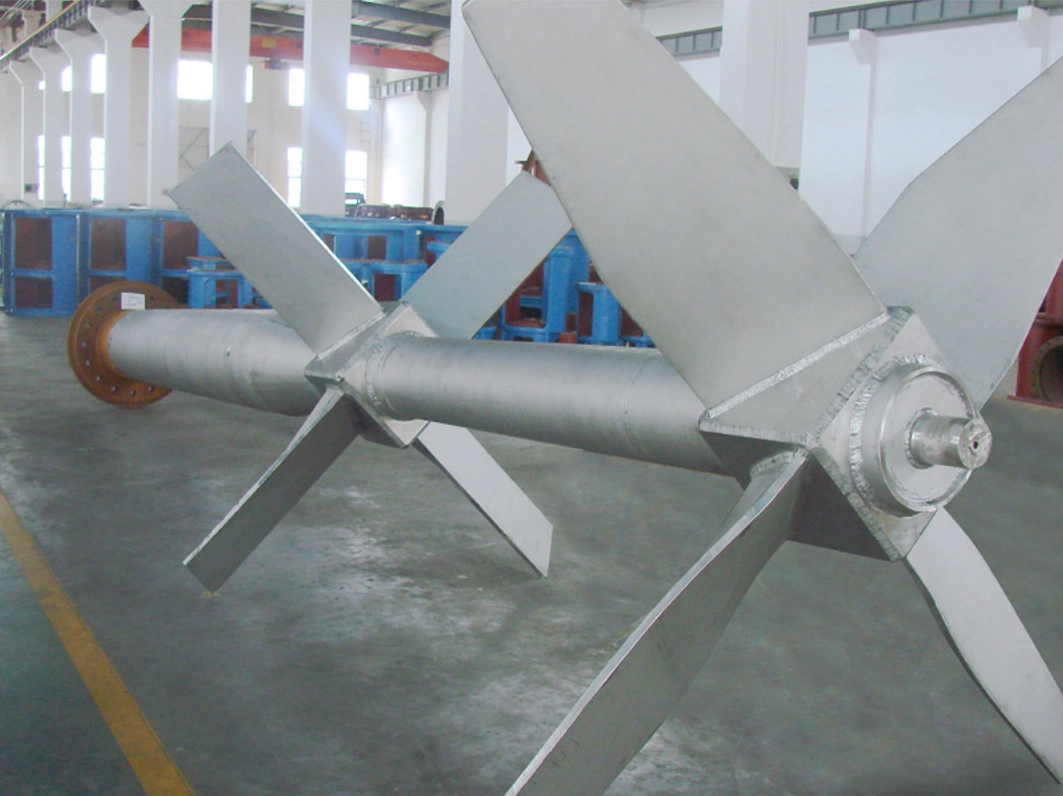
- Enhance Axial Flow in Recycling Processes: Axial flow gets a boost with variable sections. In recycling tanks up to 10 meters high, they circulate fluids evenly from top to bottom. This cuts mixing time by 30%, vital for processes like wastewater treatment, where vertical agitators for water purification need consistent motion. Adjustable obliquity angles push flow downward to prevent vortices, ensuring steady motion in demanding industrial processes where standard agitators fall short.
- Case Examples in Leaching and Crystallization: In a leaching tank for copper ore, a variable cross-section agitator handled 95% solid suspension at low power— just 7.5kW for a 4000mm tank. Crystallization processes benefit too, with even cooling across layers. One plant reported 50% less fouling, thanks to the design’s ability to recycle flow without dead spots. These cases highlight reliability in mining and chemical ops.
How Do Side-Entry Agitators Boost Large-Scale Efficiency?
Side-entry agitators mount horizontally, perfect for big tanks. They stir from the side, saving space and energy. Pitch blade agitators in this configuration excel at blending large volumes, much like mud tank agitators in drilling rigs.
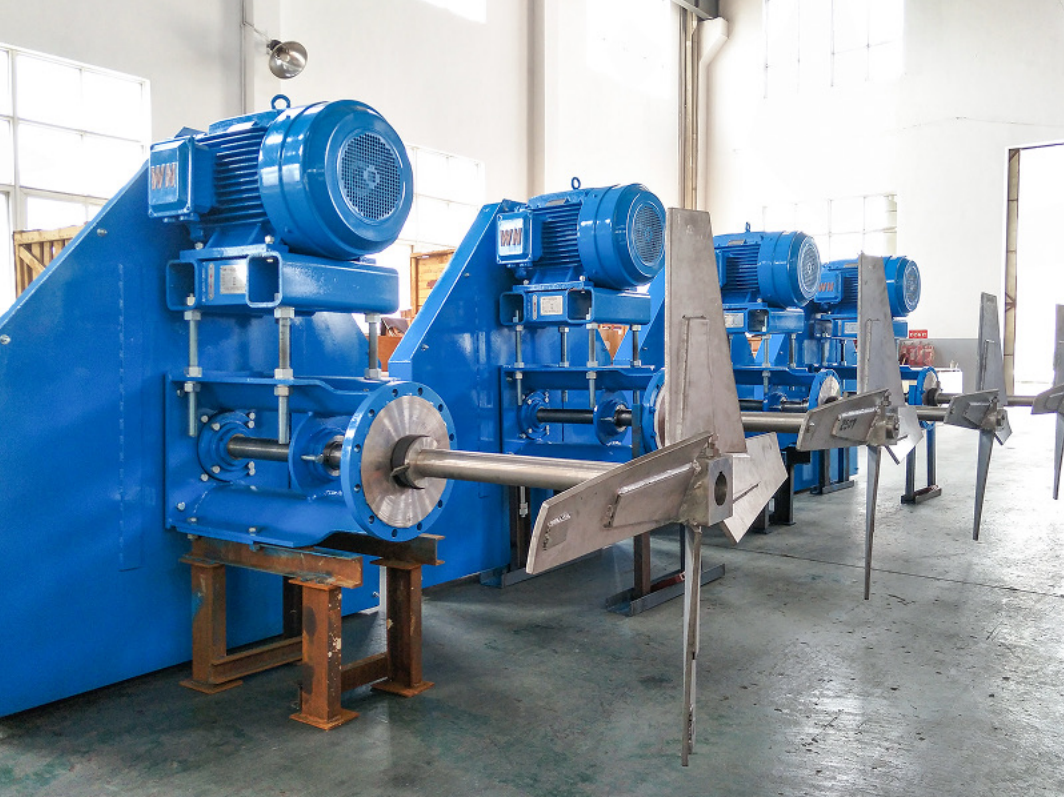
- Ideal for Large-Scale Liquid Storage Tanks: Side-entry agitators can be applied to both large-capacity liquid storage tanks and oil tanks. For tanks larger than 1,000 m³, they require only one-third to two-thirds of the power of center-entry agitators while achieving comparable blending performance. In addition, they offer lower manufacturing costs and simpler foundation requirements, providing advantages in large-scale installations. To prevent liquid outflow during operation, the units can be equipped with a dedicated sealing device.
- Enhanced Shaft Sealing & Mechanical Configuration: The sealing system combines shaft packing seals and mechanical seals to improve operational safety and reliability. The innovative packing-seal structure resolves issues commonly found in traditional seals, significantly improving online maintenance capability, reducing leakage, and minimizing shaft-sleeve wear. The reinforced mechanical seal features a stationary seal ring that mitigates problems caused by blade vibration and shaft pulsation, resulting in higher efficiency, lower operating costs, and longer service life.
What Specialized Agitators Suit Nonferrous Mining and Extra-Long Needs?
Specialized models tackle unique challenges in mining. Agitators for the chemical industry overlap here, with designs resisting harsh conditions. Horizontal mud agitators material often includes alloys like HD-5 for extra strength.
- Agitators for Nonferrous Industry and Beneficiation: These agitators focus on beneficiation tanks, handling ores like zinc or aluminum. A 6000mm tank example used 11kW power to suspend 90% solids, improving yield by 20%. Vertical agitators for water purification share traits, emphasizing clean mixes in purification steps. For deeper tanks, extra-long versions extend reach without compromising stability.
- Extra Long Agitators for High-Corrosion Environments: Extra-long agitators reach depths of 15 meters or more. In corrosive settings, materials like FS-1 alloy resist 95% sulfuric acid. One installation in a nickel mine used a 20-meter shaft, maintaining flow with minimal vibration. This durability matches side-entry agitators in tough spots.
Proven Performance in NHD Real Projects
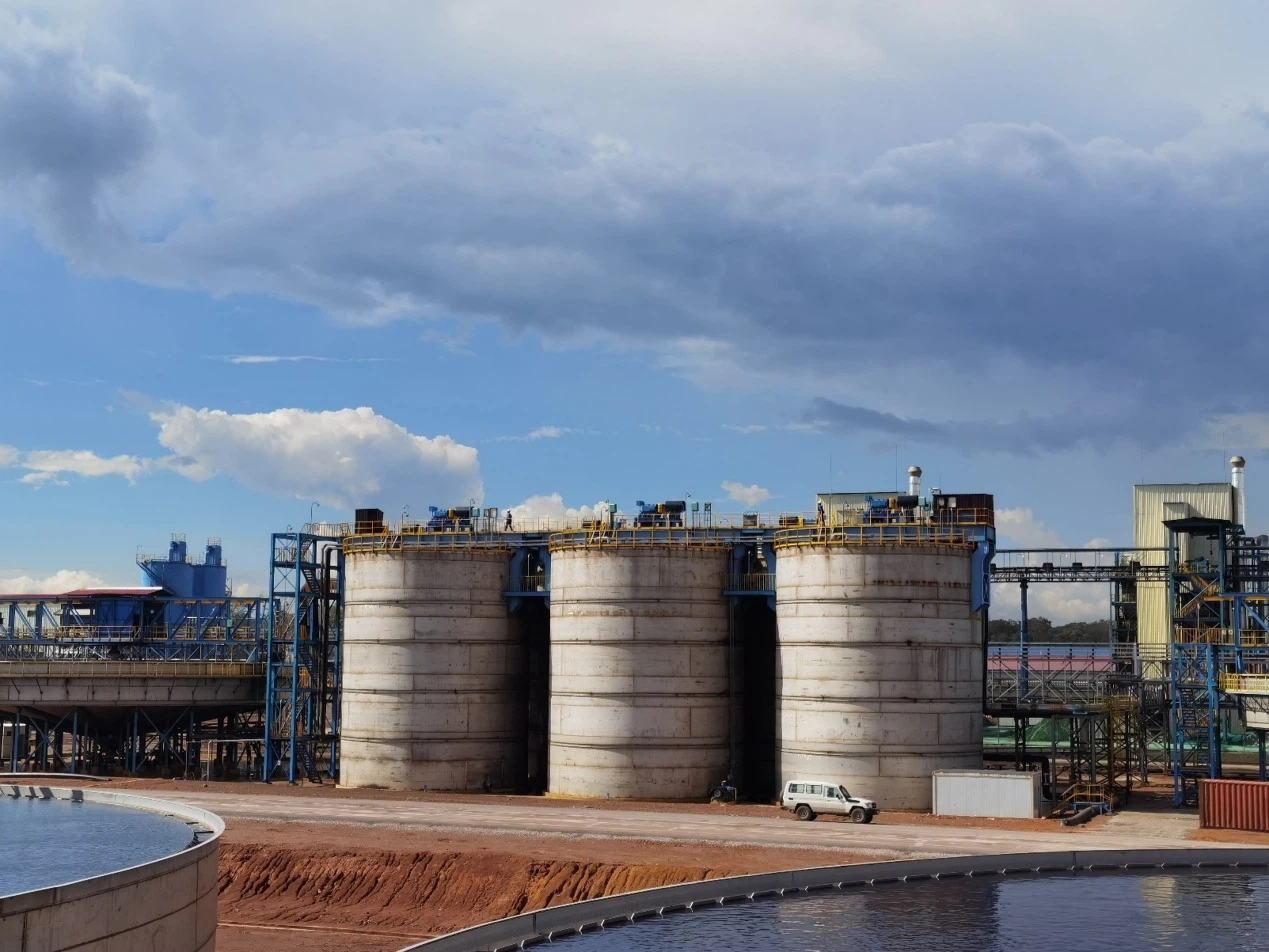
Real projects demonstrate how agitators perform under demanding conditions. Below is a detailed look at four global cases, highlighting equipment, challenges, and results based on verified implementations.
- Russia-South Urals Gold Mine Copper Smelting Project: Agitators and leaching reactors supported a 100KT/a copper smelting operation. Installed in early 2017, the setup included a Φ30m thickener for enhanced leaching efficiency. It addressed harsh cold weather, boosting overall process reliability in extreme environments.
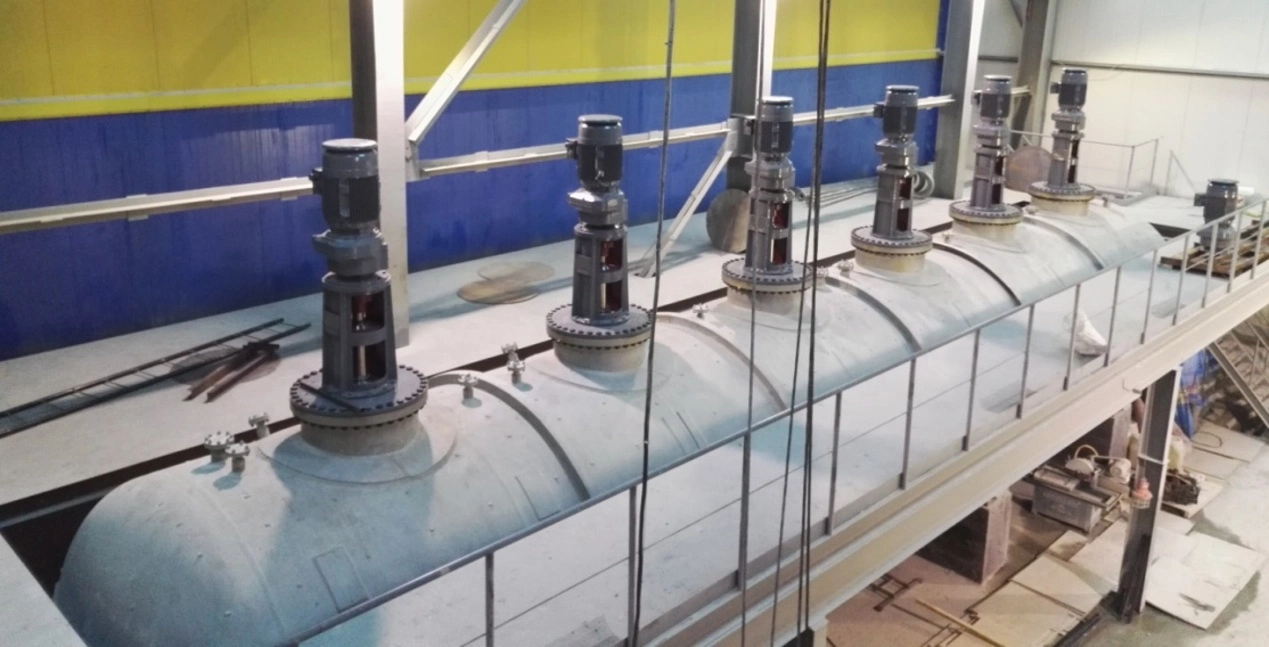
- Papua New Guinea– MCC Ramu Cobalt-Nickel Smelting Project: Agitators, slurry tanks, and neutralization tanks were used in this cobalt nickel smelting initiative. Reaching full production in 2017, the steady performance reduced downtime and aligned actual output with design capacity.
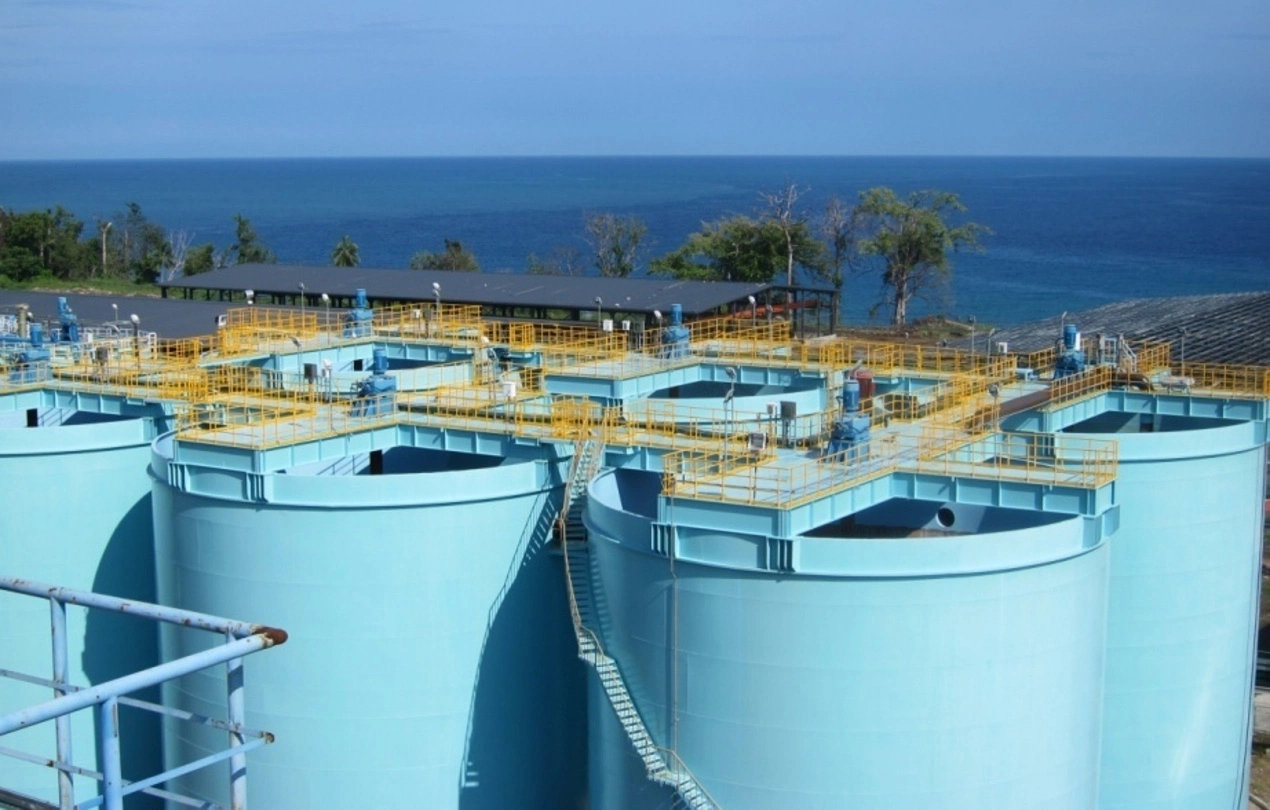
- Indonesia – Laterite Nickel Ore Project: High-pressure reactors paired with agitators handled heat and pressure in nickel processing.
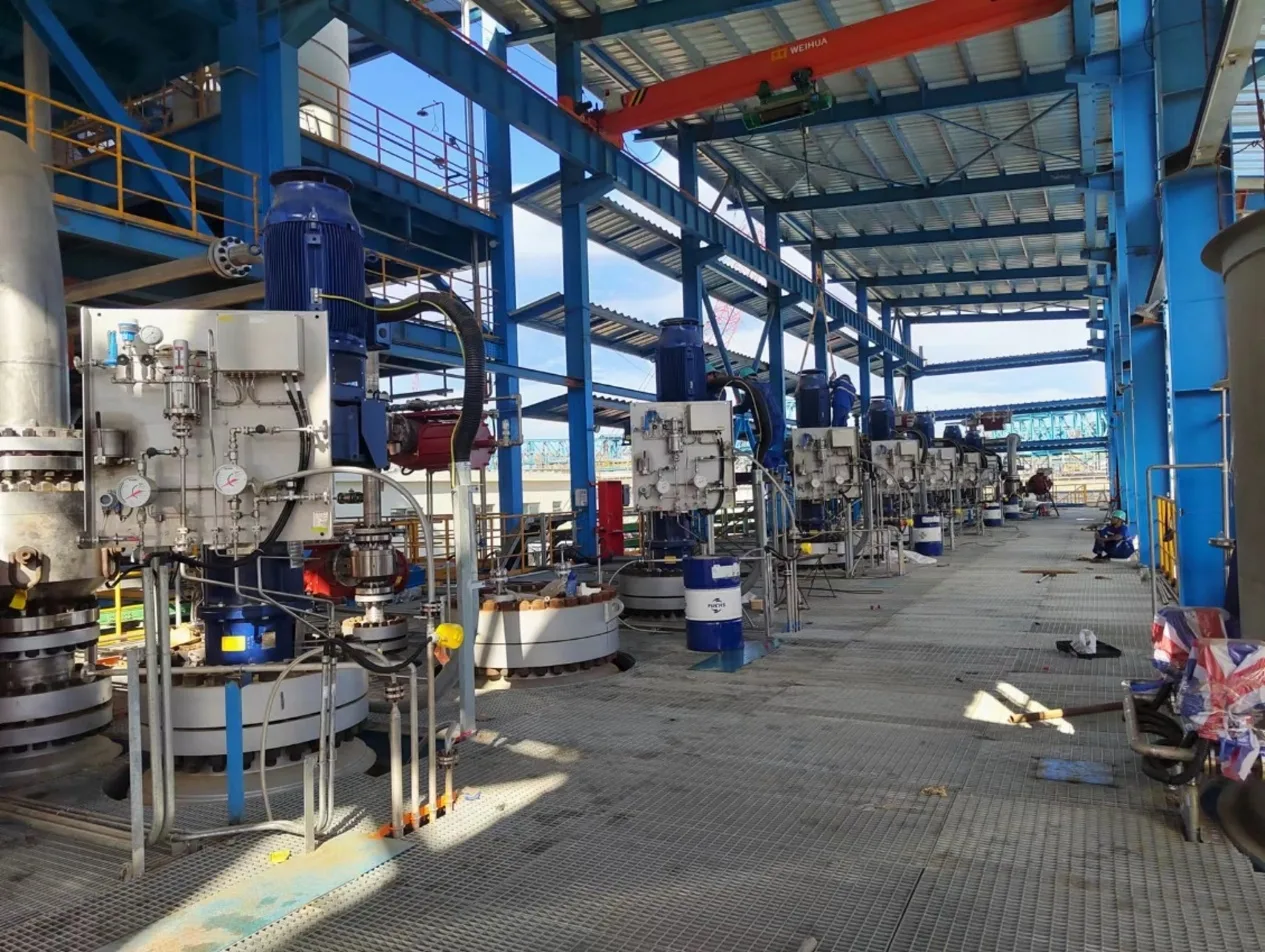
- DRC – CMOC KFM Copper-Cobalt Smelting Project: Precipitation tanks with agitators enhanced copper-cobalt extraction.
Conclusion
Choosing the right agitator is a strategic decision that impacts your plant’s productivity, product quality, and bottom line. It’s not about finding the cheapest option, but the most cost-effective solution over the equipment’s entire lifecycle. By starting with a scientific mixing test at NHD, understanding the fundamental types of agitators, learning from industry-proven cases, and evaluating long-term operational costs, you can move forward with confidence.
Ready to take the guesswork out of your agitator selection? Contact our experts today at sales@chinanhd.com for a personalized consultation and discover how our data-driven approach can optimize your mixing process.