 Turkish
  English
  French
  Spanish
  Russian
  Arabic
  Portuguese
  Indonesian
  German
  Persian
  Vietnamese
  中文
中文 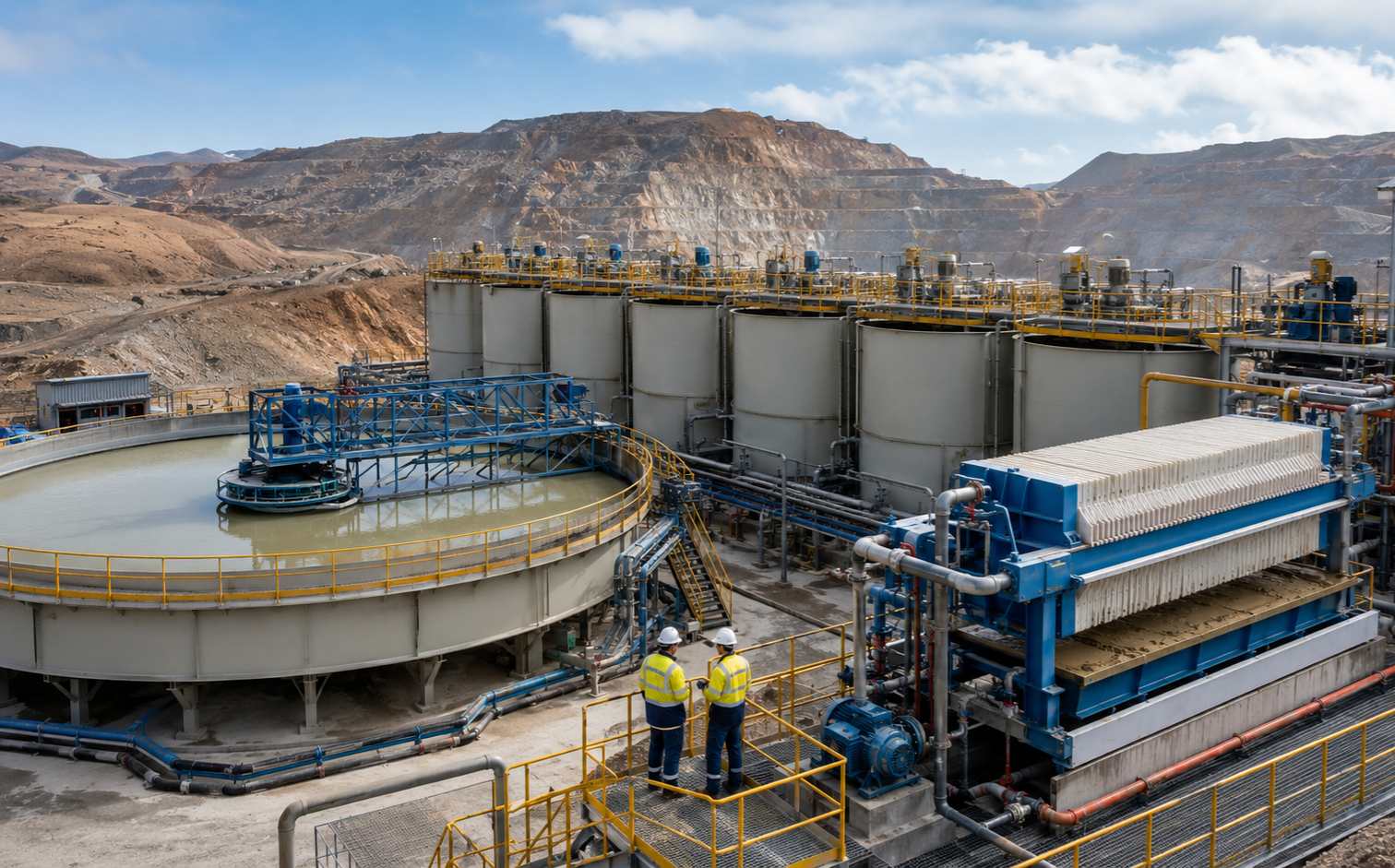
Altın fiyatları yüksek kaldığında altın projeleri cazip görünebilir, ancak gerçek maden işletmecileri altın fiyatının tek başına karı belirlemediğini bilir. Mayıs ayında altın fiyatı yaklaşık 4.600 ABD doları/ons'tan 4.400 ABD doları/ons'un altına düştü; buna karşılık 2026'nın ilk çeyreğinde küresel altın madeni üretimi yıllık bazda %5,8 artışla 885 tona ulaştı. Bu tür bir piyasa, işleme maliyeti, geri kazanım istikrarı, atık yönetimi, su kullanımı, kurutma yükü ve bakımın neden daha yakından kontrol edilmesi gerektiğini gösteriyor.
Altın CIL Projelerinde Neden Daha Dikkatli Ekipman Seçimi Gerekiyor?
Birçok altın işleme tesisinde, karbonla liç (CIL) hala yaygın bir yöntemdir. Bulamaç hazırlama ve siyanürle liç işleminden karbon adsorpsiyonuna, detoksifikasyona ve atık veya konsantre susuzlaştırmaya kadar, süreç şunlara bağlıdır: istikrarlı madencilik ekipmanı. Kalınlaştırıcı, karıştırıcı ve dikey filtre pres ekipmanları bu zincirde küçük eklemeler değildir. Bulamaç kontrolünü, reaksiyon stabilitesini, kek nemini ve altın atıklarının veya konsantre bulamacının işlenmesinin nihai maliyetini etkilerler.
Altın CIL projesi sadece siyanür ve karbon içeren bir tank çiftliği değildir; tam bir bulamaç sistemidir. Eğer liç işleminden önce bulamaç konsantrasyonu kararsızsa, sonraki tank hacmi, bekleme süresi, reaktif kullanımı ve adsorpsiyon etkisi değişebilir.
Bir alıcı öncelikle tüm akışı incelemelidir. Çamurun nerede yoğunlaştırılması gerekiyor? Nerede güçlü karıştırmaya ihtiyaç duyuluyor? Suyun nerede uzaklaştırılması gerekiyor? Atık detoksifikasyonunun daha istikrarlı bir beslemeye ihtiyaç duyduğu yer neresi? Bu sorular netleştikten sonra ekipman seçimi anlamlı hale gelir. Bu nedenle altın CIL projelerinde madencilik ekipmanları yalnızca model adına göre değil, proses görevine göre seçilmelidir.
Gold CIL işleminde hangi ekipmanlar kullanılır?
Altın CIL tesislerinde çeşitli proses ekipmanları kullanılır. Tesisin tam yerleşimi cevher kalitesine, mineralojisine, işleme kapasitesine, siyanür koşullarına ve atık yönetimi kurallarına göre değişir. Yine de, genellikle önce kontrol edilmesi gereken üç ekipman grubu vardır.
Çamur Ön İşlemi İçin Koyulaştırıcı
Süzme işleminden önce, tesisin genellikle bulamaç yoğunluğunu kontrol etmesi gerekir. kalınlaştırıcı Katı ve sıvı maddeleri yerçekimi çökelmesi yoluyla ayırır. Su geri kazanımına, alt akış konsantrasyonunun artırılmasına ve aşağı akış tanklarındaki gereksiz yükün azaltılmasına yardımcı olur.
Altın CIL projelerinde, yoğunlaştırıcı ekipmanlar liç işleminden önce, yıkama işleminden sonra veya atık arıtma aşamasında yer alabilir. İstikrarlı bir yoğunlaştırıcı, liç bölümüne daha öngörülebilir bir bulamaç beslemesi sağlayabilir. Bu önemlidir çünkü CIL tankları katı madde içeriğindeki ani değişimlerden hoşlanmaz.
Yüksek katı madde içerikli bulamaç veya atık konsantrasyonu gerektiren altın projelerinde, NHD'nin yoğunlaştırıcı ünitesi proses tasarımının erken aşamalarında incelenebilir. Mineral işleme, atık su arıtma, ıslak proses fosforik asit, klor-alkali, alümina ve diğer bulamaç işleme alanlarında kullanılmaktadır.
Siyanürle Liçleme ve Karbon Adsorpsiyonu için Karıştırıcı
Agitatör Bu ekipman, çeşitli CIL aşamalarında kullanılır. Siyanürle liçleme sırasında, bulamaç ve reaktif temasının daha düzgün olmasını sağlar. Karbon adsorpsiyonu sırasında, bulamaç hareketinin istikrarlı kalmasına ve ölü bölgelerin azalmasına yardımcı olur. Detoksifikasyonda ise karıştırma, kimyasalların atık bulamacıyla ne kadar iyi temas ettiğini etkiler.
Bu sadece "daha sert karıştırmak"la ilgili değil. Çok fazla enerji israfa yol açabilir. Kötü bir akış düzeni, katı maddelerin dibe çökmesine neden olabilir. Pratik bir karıştırıcı seçimi, tank hacmini, bulamaç yoğunluğunu, partikül boyutunu, reaktif sistemini, karbon hareketini ve gerekli bekleme süresini kontrol etmelidir. B2B alıcıları için karıştırıcı seçimi, gerçek bulamaç verileriyle tartışılmalıdır.
Atık veya Konsantre Suyun Giderilmesi için Filtre Pres Ekipmanları
CIL işleminden sonra, bazı tesislerin atık maddeleri susuzlaştırması, bulamacı konsantre etmesi veya artıkları işlemesi gerekir. İşte bu noktada filtre pres ekipmanları önem kazanır.
Bir filtre basın Suyu katı maddelerden ayırmak ve filtre keki oluşturmak için basınç kullanır. Altın atıkları veya konsantre bulamaç için, kek nem oranının düşük olması taşıma ağırlığını, depolama basıncını ve kurutma ihtiyacını azaltabilir. Uzak maden sahalarında bu, gerçek bir işletme maliyeti sorunu haline gelebilir.
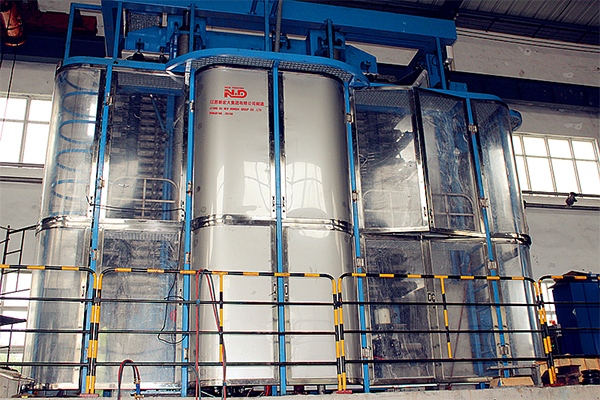
NHD'nin Dikey Otomatik Basınç Filtresi Yıkama, filtreleme ve susuzlaştırma için tasarlanmıştır. Demir dışı metaller, eritme, titanyum dioksit, kimya, kömür ayırma, gıda, kağıt, boya ve atık su arıtma endüstrilerinde kullanılır. Bir altın CIL projesi için değeri esas olarak basınçlı filtrasyon, otomatik çalışma ve kompakt yerleşimde yatmaktadır. Tesis daha düşük nemli bir filtre keki istediğinde ancak çok fazla atölye alanı veya manuel boşaltma işi eklemek istemediğinde ekipman düşünülebilir.
Diğer bir nokta ise otomasyon. Gold CIL tesisleri genellikle uzun saatler çalışır ve birçok tesis filtre presi operasyonunun büyük ölçüde manuel çalışmaya bağlı olmasını istemez. NHD'nin Dikey Otomatik Basınçlı Filtresi, yüksek derecede otomasyon, kontrol arayüzü, kendi kendine teşhis ve alarm fonksiyonları içerir. Bu, operatörlerin anormal durumları daha erken tespit etmelerine ve susuzlaştırma bölümünü daha istikrarlı tutmalarına yardımcı olur.
CIL Sonrası Su Tahliye Maliyetinin Önemi
Birçok alıcı öncelikle geri kazanım oranına odaklanır. Bu anlaşılabilir bir durum. Ancak tesis her gün çalışmaya başladığında, susuzlaştırma maliyetleri çok hızlı bir şekilde görünür hale gelir.
Islak atık veya konsantre kek, daha fazla suyun taşınması anlamına gelir. Projenin kurutulması gerekiyorsa, daha fazla su daha fazla ısı demektir. Malzemenin taşınması gerekiyorsa, daha fazla su daha fazla kamyon ağırlığı demektir. Atıkların istiflenmesi veya bertaraf edilmesi gerekiyorsa, yüksek nem saha kontrolünü zorlaştırır.
Basit bir hesaplama mantığı gösteriyor. Diyelim ki bir proje nem oranında 1.000 ton/gün ıslak kek üretiyor. Bu kek yaklaşık 250 ton/gün su ve 750 ton/gün kuru katı madde içeriyor. Eğer basınçlı filtrasyon aynı kuru katı madde miktarı için nemi 'a düşürebiliyorsa, nihai ıslak kek yaklaşık 833 ton/gün olur ve sadece yaklaşık 83 ton/gün su içerir. Bu da kurutulması, taşınması veya yönetilmesi gereken yaklaşık 167 ton/gün daha az su anlamına gelir.
Bu sadece bir işlem hesaplamasıdır, altın atıklarının kesin sonucu değildir. Gerçek filtre keki nemi, parçacık boyutuna, mineral bileşimine, bulamaç konsantrasyonuna, reaktif kalıntısına, filtre bezine, basınca, hava kurutmasına ve çevrim süresine bağlıdır. Yine de maliyet yönü açıktır. Daha düşük nem genellikle daha az sonraki aşama yükü anlamına gelir.
Alıcılar fiyat teklifi almadan önce hangi verileri hazırlamalıdır?
Alıcılar, cevher türü, bulamaç konsantrasyonu, partikül boyutu dağılımı, pH, siyanür koşulları, aşındırıcı bileşenler, aşındırıcılık seviyesi, gerekli tank hacmi, hedef bekleme süresi, hedef kek nemi, yıkama ihtiyacı, çalışma saatleri, mevcut alan ve ilgiliyse saha yüksekliği gibi bilgileri hazırlamalıdır.
Yoğunlaştırıcı seçimi için, alt akış yoğunluğu ve üst akış berraklığı önemlidir. Karıştırıcı seçimi için, tank geometrisi ve bulamaç davranışı önemlidir. Dikey filtre presi seçimi için, filtrasyon test verileri kilit önem taşır. Test yapılmadan, hem alıcı hem de tedarikçi sadece tahmin yürütmüş olur.
Otomasyon ihtiyaçlarını erken aşamada teyit etmek de daha iyidir. Birçok tesis artık PLC kontrolü, alarm fonksiyonları, uzaktan sinyal çıkışı ve tesis kontrol sistemiyle daha kolay entegrasyon istiyor. Bu durum fiyatı, teslimatı, kablolamayı, devreye almayı ve bakımı etkileyebilir.
Altın CIL Projeleri İçin Tedarikçiler Nasıl Karşılaştırılır?
İyi bir madencilik ekipmanı tedarikçisi, sadece çelik ağırlığı ve teslimat süresiyle sınırlı kalmayıp, proses uyumluluğunu da tartışabilmelidir. Altın CIL projeleri için alıcılar, tedarikçinin yoğunlaştırıcı, karıştırıcı ve filtre pres ekipmanını birlikte sağlayıp sağlayamayacağını veya en azından bu ünitelerin proseste nasıl birbirine bağlandığını anlayıp anlayamayacağını kontrol etmelidir.
Tedarikçi deneyimi daha da önem kazanıyor yurtdışı projeleriUzak maden sahaları, nakliye sınırlamaları, kurulum riski, yedek parça planlaması, yerel işgücü farklılıkları ve devreye alma baskısıyla karşı karşıyadır. Bir tedarikçinin saha deneyimi yoksa, küçük bir tasarım sorunu sahada pahalıya mal olabilir.
NHD Fosfat kimyası, alümina, demir dışı metal eritme, titanyum dioksit, sülfürik asit ve çevre arıtma gibi sektörler için filtre serileri, pres filtre serileri, karıştırıcı serileri, yoğunlaştırıcı serileri, basınçlı kap ekipmanları ve ilgili proses ekipmanları tedarik etmiştir. Altın CIL veya diğer hidrometalurji projelerinde çalışan alıcılar için, bu geniş ürün yelpazesi, projenin birden fazla bağımsız üniteye ihtiyaç duyduğu durumlarda yardımcı olabilir.
NHD ayrıca yoğunlaştırıcılar, karıştırıcılar, filtreler ve hidrometalurji ekipmanları içeren yurtdışı proje deneyimine de sahiptir. Bu, alıcıların tüm süreci görüşebilecekleri ve bulamaç verilerine, kapasiteye, nem hedefine ve saha koşullarına göre ekipman seçimi talep edebilecekleri anlamına gelir.
Sık Sorulan Sorular
S1: Altın CIL projesinde genellikle hangi ekipmanlara ihtiyaç duyulur?
A1: Bir altın CIL projesi genellikle bulamaç konsantrasyonu için yoğunlaştırıcı ekipmana, liç ve adsorpsiyon için karıştırıcı ekipmana ve atık veya konsantre susuzlaştırma için filtre pres ekipmanına ihtiyaç duyar. Nihai yerleşim, cevher özelliklerine ve proses rotasına bağlıdır.
S2: Alıcılar fiyat teklifi istemeden önce hangi parametreleri belirtmelidir?
A2: Alıcılar, bulamaç konsantrasyonu, partikül boyutu, pH, kapasite, siyanür koşulları, hedef kek nemi, yıkama gereksinimleri, aşındırıcılık, tesis düzeni, otomasyon ihtiyaçları ve malzemenin atık, konsantre bulamaç veya kalıntı olup olmadığı bilgilerini vermelidir.
S3: NHD madencilik ekipmanları için minimum sipariş miktarı (MOQ) gerekli midir?
A3: Büyük endüstriyel ekipmanlar için minimum sipariş miktarı genellikle bir adet komple ünitedir. Nihai miktar, model ve konfigürasyon, proje kapasitesine, proses tasarımına, kurulum alanına ve teslimat planına bağlıdır.
S4: NHD özelleştirme, kurulum ve satış sonrası hizmet desteği sağlayabilir mi?
A4: Evet. NHD destekleyebilir. özelleştirilmiş koyulaştırıcıMadencilik ve kimya projeleri için karıştırıcı ve dikey otomatik basınçlı filtre seçimi, imalatı, kurulum kılavuzu, devreye alma, yedek parça planlaması, bakım desteği ve satış sonrası hizmetler.