 Turkish
  English
  French
  Spanish
  Russian
  Arabic
  Portuguese
  Indonesian
  German
  Persian
  Vietnamese
  中文
中文 
Küresel elektrikleşme, lityum, nikel, kobalt, mangan ve ilgili stratejik metaller için talep modellerini hızlı bir şekilde değiştiriyor. Elektrikli araçlar ve enerji depolama sistemleri dünya çapında genişleyerek, sadece taze madenciliğe güvenmek istikrarlı, uzun vadeli kullanılabilirliği sağlayamıyor. Kaynakların coğrafi konsantrasyonu, ekolojik kısıtlamalar ve yeni madenlerin geliştirilmesi için uzun zaman çizelgeleri, birincil çıkarma genişlemesi hızını sınırlamaktadır.
Sonuç olarak, pil geri dönüşümü sadece çevresel bir yükümlülükten temel bir endüstriyel sürece dönüşüyor. Iskanmış piller, yeni madenlere kıyasla daha fazla metal konsantrasyonları nedeniyle zengin ikincil kaynaklar olarak hizmet eder. Etkili geri kazanma sistemleri inşa etmek hem verimli metal çıkarma hem de katı güvenlik standartları, kirliliğin önlenmesi ve ekonomik uygulanabilirlik gerektirir.
Şimdi, kritik sorun, artan pil geri dönüşüm olasılığından karmaşık hidrometalurjik ortamlarda istikrarlı, kârlı performansı sürdürmek için uzaklaşıyor.
Batarya Geri Dönüşümü Neden Yeni Bir Kaynak Tedarik Yolu Hala Geliyor?
Atılan piller, pil geri dönüşümü yoluyla değerli kentsel maden mevduatlarına dönüştürülür. Geleneksel madenciliğle karşılaştırıldığında, geri dönüştürülmüş malzemeler yeni madencilik ekstraksiyonuna olan bağımlılığı azaltır, tedarik hatlarını kısaltır ve malzeme yaşam döngüsü boyunca genel çevresel etkiyi azaltır. Birçok alandaki düzenleyici gereksinimler, üreticileri dairesel ekonomi yaklaşımlarını benimsemeye zorluyor ve böylece geri dönüşüm altyapılarına yapılan yatırımları arttırıyor.
Daha da önemlisi, bu yöntem değerli metallerin endüstriyel döngüler içinde dolaşımını sürdürür ve böylece tedarik istikrarını siyasi çatışmalardan veya lojistik kesintilerinden korur.
Değişimin Arkasındaki Yapısal Sürücüler
Üç temel faktör değişimi hızlandırır: elektrikli araçların hızlı popülerliği, metal fiyatlarındaki artan dalgalanmalar ve daha katı kirlilik kontrolü uyumluluğu. Modern geri dönüşüm sistemleri giderek daha fazla basit atık işleme siteleri yerine hayati kaynak çoğaltma merkezleri olarak hizmet eder. Bu nedenle, istikrarlı bir üretim süreci mühendislik tasarımlarının kritik noktası haline gelir.
Batarya Geri Dönüşümünün Ölçeklendirilmesini Sınırlayan Teknik Şişe Boğazları Neler?
Pil geri dönüşümü izole bir süreç değil, mekanik, kimyasal ve ayırma prosedürlerini entegre eden karmaşık bir sistemdir. Çıkırıldıktan ve ezildikten sonra, aktif bileşiklerle zengin oluşan siyah kütle, hidrometalurjik işlemeye devam eder. Asit çözünmesi, kirletici ortadan kaldırma, katı oluşum ve daha fazla rafine dahil olmak üzere sonraki prosedürler farklı zorlukları temsil eder.
Bu operasyonların genişletilmesi, çamur işleme, korozyon direnci ve istikrarlı katı-sıvı ayırma da dahil olmak üzere birçok zorluk getirir. Son derece küçük parçacıklar, jel benzeri maddeler ve toksik metal kalıntıları filtreleme ve yıkama aşamaları sırasında daha fazla zorluk yaratır.
Islak Metalurji Yollarında Süreç Karmaşıklığı
Kükürt asiti, fosforik asit ve karışık asit karışımları hidrometalurjik süreçlerde yaygın olarak kullanılır. Sonuç olarak elde edilen karışımlar, geçişleri bloke etme eğiliminde olan mikroskopik katı maddelere sahiptir ve durmadan çalışma sırasında filtreleme ekipmanlarını güvenilmez hale getirir. Ayırma etkinliği zayıflarsa, genel metal kurtarma oranı azalır ve işleme kalıntılarının maliyeti önemli ölçüde artar.
Katı-Sıvı Ayrımı Metal Geri Kazanma Verimliliğini Nasıl Şekillendirir?
Katı maddelerin sıvılardan ayırılması, elde edilebilir metal kurtarma hızı ve sonraki çıkışların saflık seviyeleri üzerinde doğrudan etki yaratır. Tam olmayan ayırma, değerli metalleri kalan katı maddelerin içinde korur, yetersiz yıkama ise kirliliklerin kirlilikleri sonraki işleme aşamalarına getirmesine izin verebilir.
Bu nedenle, ayırma ekipmanı, bir ekipman parçası yerine iş akışında temel bir unsur olarak ortaya çıkar.
İnce ve Koloidal Parçacıklara Hassasiyet
Batarya siyah kütlesindeki parçacıklar dikkat çekici derecede küçüktür ve kimyasal reaksiyonlardan sonra jele benzeri bir durumda görünüyor. Ekipmanlar, önemli işleme hacmleri sunarken ve saklanan katı maddelerde minimum kalan sıvı bırakırken böyle zorlu koşullara dayanmalıdır. Kötü filtreleme sonuçları değerli unsurların kaybına ve istikrarsız üretime neden olur.
Batarya Geri Dönüşümünde Yüksek Değerli Uygulama Noktaları Nerelerde?
Geri dönüşüm sürecindeki birden fazla kritik aşama, süpürümden sonra kalıntıların kaldırılması, pH ayarı sırasında kirletici katıların çıkarılması, yeni geri kazanma yöntemlerinde fosfat içeren maddelerin yönetilmesi ve kristallaşma veya kurutmadan önce son ürünün yıkanması da dahil olmak üzere büyük bir ayırma performansına büyük ölçüde dayanır.
Bu tür her nokta, kaplı ortamlarda aşındırıcı kimyasalları ve tehlikeli maddeleri işleyebilen dayanıklı ekipman gerektirir.
Güçlü Ayrım Gereken Anahtar Süreç Düğümleri
- Kalan çözünmez malzemelerin siyah kütlenin sızdırılmasından sonra bölünmesi
- Nötralizasyon sırasında meydana gelen çökülmüş kirliliklerin ekstraksiyonu
- Gelişmiş kurtarma yollarında ortaya çıkan fosfat bazlı maddelerin işlenmesi
- Lityum bileşiklerinin veya öncü malzemelerin kristallaşmasından önce iyice temizlenmesi
Her durumda, ayırma kalitesi hem kurtarma hızını hem de son saflık standartını etkiler.
Dikey Basınç Filtrasyonu Akü Geri Dönüşümü için Teknik Olarak Neden Uygun?
Dikey basınç filtreleme ekipmanları, özellikle zorlu geri dönüşüm durumları için uygun olan yapısal ve işlevsel faydalar sağlar. Sistemler güçlü asidik ortamlarda güvenilir bir şekilde çalışmalı, ince parçacıkları işlemeli ve sıkı güvenlik uyumluluğunu karşılamak için tam bir sınırlama sağlamalıdır.
Dikey basınç filtreleri, yüksek basınçlı mekanik sıkıştırmayı sağlar ve az sıvı ile sıkıştırılmış filtre kekleri üretir, bu da metal kayıplarını azaltır ve sonraki kurutma veya ek tedavi aşamalarını kolaylaştırır. Tamamen kapalı tasarımlar, işçinin ağır metallerle temas etmesini sınırlar ve asidik buharların kaçışını önler ve böylece genel tesis güvenliğini artırır.
Ayrıca, otomatik kontrollerle güçlü uyumluluk, durmadan hidrometalurjik iş akışlarına sorunsuz bir şekilde dahil edilmeyi destekler.
Geri Dönüşüm Koşullarında Mühendislik Avantajları
Ana teknik avantajlar esas olarak şunları içerir:
- koroziv sıvılara karşı güçlü dayanıklılık
- Yüksek basınç altında olağanüstü suvsuzluk
- diziyeli yıkama işlemleri için uygunluk
- işlenmiş katı maddelerin güvenilir salınımı
Bu özellikler, pil kaynakları geri kazanma tesislerinde yaygın olan ince parçacıkların ortaya çıkardığı filtrasyon zorluklarını etkili bir şekilde karşılar.
Dikey Basınç Filtreleri Geri Dönüşüm Aşamalarında Nasıl Uygulanabilir?
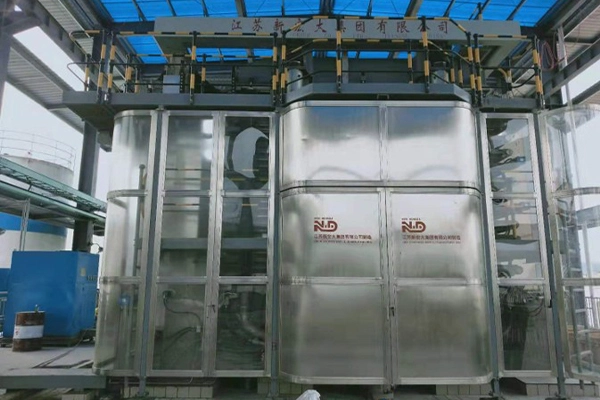
Dikey basınç filtresi tüm geri dönüşüm sürecini kontrol etmese de, birkaç stratejik noktada önemli bir yer tutmaktadır. Sık kullanılan bir seçenek ise Dikey Otomatik Basınç Filtresiaşındırıcı kimyasallara maruz kaldığında son derece küçük katı içeriklerle birleştirilmiş tutarlı bir performans gösterir.
Kirletici ortadan kaldırma yoluyla, kirliliklerin kaldırılmasına ve son aşamada ürün yıkamasına kadar çözünmemiş bileşenlerin ayırılmasında kullanılabilir. Minimum pasta nemi ve iyice yıkamak, sonraki tedavilerin istikrarlı devamını teşvik ederken değerli metalin mümkün olduğunca korunmasına yardımcı olur.
Leaching Kalıntısından Ürün Rafinadırmasına
Siyah kütlenin işlenmesi sırasında, filtrasyon kalan karbon malzemelerini ve diğer kirlilikleri ayırır ancak çözünmüş hedef metalleri sıvı fazda saklar. Nötralizasyon prosedürlerinde, yeterli yıkama değerli çözünmüş türlerin ve oluşturulan çöküntülerin taşınmasını önler. Son ürün aşamalarında, filtrasyon özellikleri elde edilen saflık seviyelerini ve son nem eliminasyonunun etkinliğini önemli ölçüde belirler.
Ekipman Kapasitesi Ürün Sınıfını ve Uyumluluğunu Nasıl Etkiler?
Geri alınan metallerin giderek daha sıkı pil sınıfı standartlarını karşılaması gerektiği göz önüne alındığında, küçük kirliliklerin kontrol edilmesi giderek daha önemli hale geliyor. Yabancı maddelerin küçük izleri veya değişken nem yüzdeleri bile malzeme derecelerini düşürebilir veya rafine adımları sırasında zorluklar yaratabilir.
Böylece, güvenilir ekipman çalışması, pazar kabulünün sağlanmasında belirleyici bir faktör olarak ortaya çıkmaktadır. Tutarlı filtrasyon performansı öngörülebilir işleme ortamlarına ve tutarlı son malzeme özelliklerine yol açar.
Ürün Sınıfının Kapısı olarak Ayırma Kalitesi
Dikkatli yıkamak, taşınan çözünür bileşikleri ortadan kaldırırken, pasta oluşumu bile güvenilir kurutma davranışına katkıda bulunur. Bu yönler birlikte elde edilen son saflığı ve genel işleme etkinliğini şekillendirir.
Süreç Mühendisliği Geri Dönüşümün Uzun vadeli Yaşanabilirliğini Nasıl Destekleyebilir?
Batarya geri dönüşümü, tesislerin dalgalanan giriş kompozisyonlarına rağmen kesintisiz, istikrarlı bir çıkış sürdürdüğünde, kalıcı bir hizmet ömrü, sorunsuz otomasyon entegrasyonu ve olağanüstü kimyasal dayanıklılığı olan ekipmanları gerektiren kaynak tedarikinin gerçek sürdürülebilir bir yolu olabilir.
Bu arka planda, NHD1992 yılında kurulan, filtreleme, kalınlaştırma, agitasyonve katı-sıvı ayırma çözümleri kimyasal üretim, metalurjik operasyonlar, çevre koruma ve mineral faydalanma sektörlerinde yaygın olarak uygulanır.
Kapsamlı kapasitemiz kavramsal tasarım, üretim, yerde kurulum ve EPC'nin teslimatAyırma tesislerinin agresif medya ve ağır hizmet talepleri arasında sağlam bir şekilde çalışmasına izin verir.
Otomatik filtreleme teknolojileri ile birleştirilen hidrometalurjik işlemedeki geniş bir arka plan, NHD dikey basınç filtreleme ürünlerini ultra ince katı maddelerin, toksik ortamların ve sıkı kurtarma taleplerinin birleştiği pil geri dönüşüm bağlamlarına başarıyla entegre etmek için donatır.
Kısa vadeli optimizasyon üzerinde mühendislik derinliği
Geri dönüşümde sürdürülebilir başarı, operasyonel varyasyonlara dayanıklı ekipman çerçevelerine bağlıdır. Otomatik kontrol için hazırlıkla birlikte yapısal sağlamlık, izole zirve verimlilik örneklerine kıyasla yüksek ekonomik sonuçlar üretir.
Sonuç: Atık Arıtmasından Kaynak Mühendisliğine
Batarya geri dönüşümü, geleneksel atık yönetiminin ötesinde karmaşık kaynak geri kazanma mühendisliğine doğru ilerliyor. Başarısı, karmaşık kimyasal ve mekanik sistemlerin harcanan ürünlerden değer çıkarmada yeteneğine dayanır. Katı-sıvı ayrımı, hem yüksek kurtarma yüzdeleri hem de istikrarlı operasyonel davranışı sağlayan bu evrimde kritik bir konumu tutmaktadır.
Anahtar görev, artan verim hacmleri arasında etkinliği koruyabilen ayırma teknolojilerini tanımlamaktır. Düşünceli bir şekilde yapılandırılmış işleme sistemlerine yerleştirilmiş güvenilir ayırma ekipmanları, geri dönüşümün istikrarlı bir stratejik malzeme kaynağı olarak potansiyelini gerçekleştirip gerçekleştirmediğine karar verir.
Sık Sorulan Sorulars
S: Filtrasyon kalitesinin geri dönüşüm ekonomisi üzerinde neden bu kadar büyük bir etkisi var?
C: Standart altındaki ayırma performansı değerli metallerin kayıplarına, yüksek reagen kullanımına ve kalıntıların atılması için artan masraflara neden olur ve böylece doğrudan finansal getirileri etkiler.
S: Dikey basınç filtrasyonu genel metal geri kazanımını geliştirebilir mi?
A: Kesinlikle. Ne gidermek için yüksek basıncın uygulanması, iyice yıkamakla birlikte çözünmüş metallerin taşınmasını azaltır ve böylece toplam verim ve süreç tutarlılığını artırır.
S: Dikey basınç filtrasyonu lityum pil geri dönüşümü ile sınırlı mı?
A: Hiçbir şekilde değil. Bu yaklaşım, korozif koşullarda güvenilir katı-sıvı bölünmesini gerektiren çeşitli pil kompozisyonları ve hidrometalurjik diziler için uygun olduğunu kanıtlar.