 Persian
  English
  French
  Spanish
  Russian
  Arabic
  Portuguese
  Indonesian
  German
  Turkish
  Vietnamese
  中文
中文 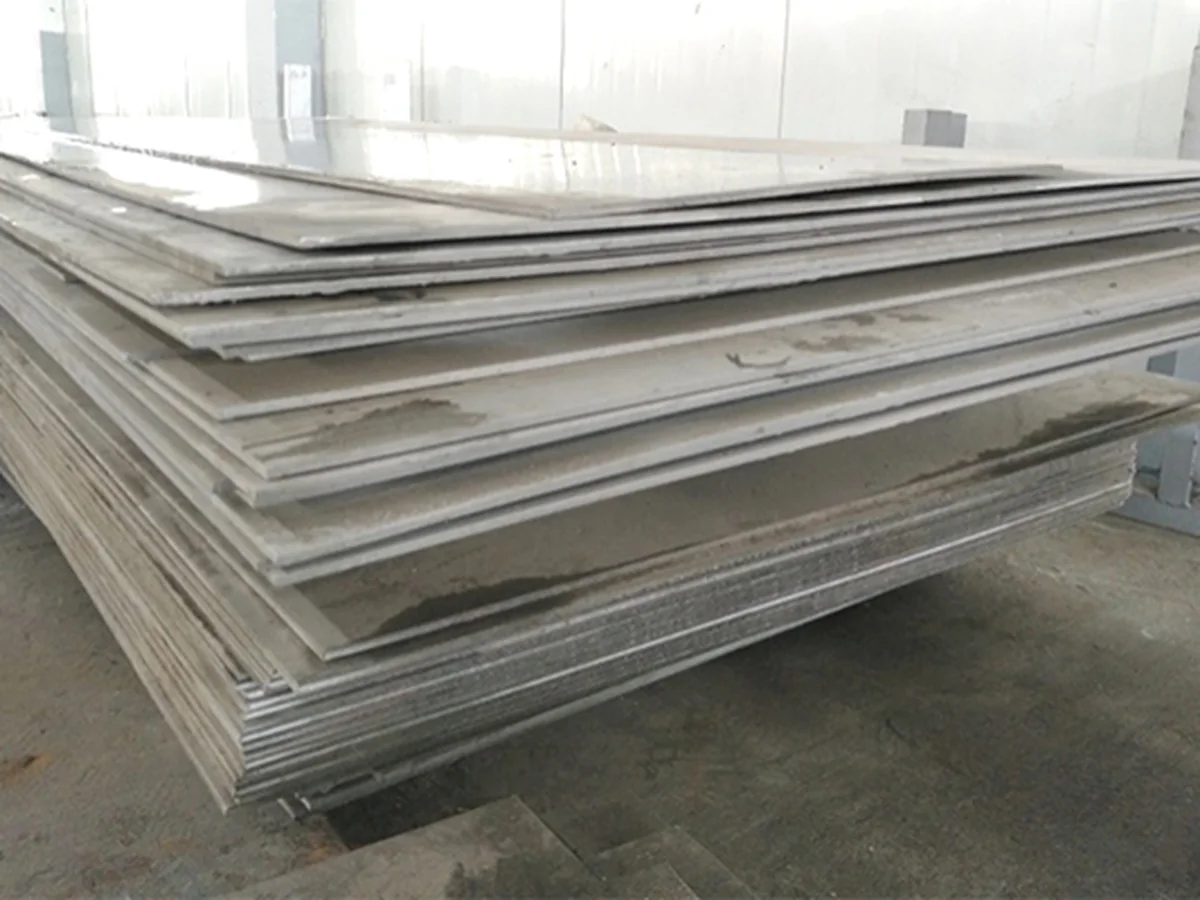
برجهای خشککن و جذب اسید سولفوریک فشار غیرمعمولی را بر اجزای داخلی برج وارد میکنند، زیرا غلظت اسید، دما، توزیع مایع، تماس با بخار و دسترسی به بازرسی، همگی بر خطر خوردگی تأثیر میگذارند. هنگامی که خریداران توزیعکنندههای اسید، تکیهگاههای پکینگ، لولهها یا سایر اجزای داخلی برج اسید سولفوریک را صرفاً با نامهای عمومی فولاد ضد زنگ انتخاب میکنند، خوردگی اولیه میتواند منجر به نشت اسید، توزیع ناهموار، دفعات نگهداری بالاتر و چرخههای جایگزینی کوتاهتر شود. یک تصمیم برای انتخاب ماده ایمنتر باید وظیفه واقعی اسید را با فولاد ضد زنگ با سیلیکون بالا HD-1، موقعیت برج و بازه زمانی مورد انتظار برای تعمیر و نگهداری.
چه چیزی باعث میشود که انتخاب مواد داخلی برج اسید سولفوریک به عنوان یک تصمیم پرخطر مطرح شود؟
ریسک مواد در برج اسید سولفوریک، یک مشکل خوردگی واحد نیست. این مشکل زمانی ظاهر میشود که غلظت اسید، دما، سرعت، توزیع مایع، قرار گرفتن در معرض رطوبت و خشکی و محدودیتهای دسترسی در اطراف توزیعکنندهها، لولهها، تکیهگاههای پکینگ و مناطق پکینگ تماس اول، با هم در تعامل باشند. برای خریداران، نقطه شروع ایمنتر، تعریف وظیفه واقعی اسید قبل از انتخاب فولاد ضد زنگ سیلیکون بالا HD-1 یا هر آلیاژ مقاوم در برابر خوردگی دیگر است.
خطر خوردگی، نشت اسید و هزینههای خاموشی برنامهریزی نشده
خوردگی اغلب از شیارهای توزیعکننده، لبههای ناودانی، خروجیهای لوله، جوشها، زانوییها، گیرههای نگهدارنده و مناطقی که اسید ابتدا با پکینگ تماس پیدا میکند، شروع میشود. یک نشتی کوچک در توزیعکننده اسید یا اتصال لوله میتواند به پکینگ آسیب برساند، به قطعات نگهدارنده حمله کند و باعث ایزوله شدن اضطراری شود. هزینه بیشتر معمولاً از دست دادن زمان کار، بررسی ایمنی، کار تعمیر و فشار ناشی از تکمیل تعویض در یک بازه زمانی کوتاه خاموشی است.
چرا فولاد ضد زنگ استاندارد در سرویس اسید سولفوریک کم میآورد؟
نامهای استاندارد فولاد ضد زنگ برای اجزای داخلی برج اسید سولفوریک بسیار کلی هستند. گریدی که در یک غلظت اسید، خط کم سرعت یا ناحیه کاملاً مرطوب کار میکند، ممکن است در نزدیکی توزیعکننده اسید غلیظ داغ، رابط خشک-مرطوب یا بالای برج جذب کار نکند. اگر تصمیم در مورد جنس به یک برچسب عمومی فولاد ضد زنگ محدود شود، خریداران ممکن است شرایط خوردگی واقعی کارخانه شیمیایی را که عمر مفید را کاهش میدهد، از دست بدهند.
شرایط بحرانی فرآیند: غلظت، دما، مناطق خشک-مرطوب و سرعت جریان
غلظت اسید و دما اولین مرز ماده را تعیین میکنند، در حالی که سرعت جریان، خطر مواد جامد، تماس گاز، مناطق پاشش و خشک شدن متناوب میتواند نحوه ایجاد خوردگی را تغییر دهد. خریداران باید محل قرارگیری اسید غلیظ با دمای بالا، خمهای لوله، خروجیهای توزیعکننده، بالای بستهبندی، نواحی دیوار، انتقالهای تکیهگاه و دهانههای بازرسی را علامتگذاری کنند تا تأمینکننده بتواند حمله شیمیایی و خوردگی فرسایشی را با هم ارزیابی کند.
چگونه مواد داخلی برج را با عملکرد اسیدی مطابقت دهیم
یک ماتریس انتخاب مواد کاربردی باید هر بخش داخلی برج را با مقاومت در برابر اسید، محدوده دما، سرعت جریان، ترکیب گاز، قرار گرفتن در معرض رطوبت و خشکی، محدودیتهای دسترسی، نقاط خرابی قبلی و اهداف تعمیر و نگهداری مرتبط کند. این امر مانع از تبدیل شدن قیمت به مقایسهای بیاساس از نامهای فولاد میشود. فولاد ضد زنگ پرسیلیکونی HD-1 باید بر اساس موقعیت قطعه و وظیفه فرآیند، به ویژه برای مواد توزیع کننده اسید، لولهها، تکیهگاههای بستهبندی و قطعات مقاومسازی، بررسی شود.
| شرایط عملیاتی | آنچه خریداران باید تأیید کنند | چرا بر انتخاب مواد تأثیر میگذارد؟ | یادداشت درخواست استعلام (RFQ) |
| غلظت اسید و دما | محدوده نرمال، دمای اوج، شرایط شروع و شرایط عدم کارکرد | مرز نوردهی را برای فولاد ضد زنگ با سیلیکون بالا HD-1 یا آلیاژ دیگر تعیین میکند | فقط با ذکر نام مطلب نقل قول نکنید |
| سرعت جریان و تأثیر اسید | جریان خروجی توزیع کننده، سرعت لوله، زانویی ها، نقاط پاشش | نشان میدهد که آیا خوردگی فرسایشی ممکن است با حمله شیمیایی ترکیب شود یا خیر. | مناطق با تأثیرپذیری بالا را روی نقشهها علامتگذاری کنید |
| قرار گرفتن در معرض رطوبت و خشکی | بالای بستهبندی، پاشش دیواره برج، تماس بخار، مناطق خشک کردن خاموش | خیس شدن متناوب میتواند باعث خوردگی موضعی شود | شناسایی مناطق رابط به صورت جداگانه |
| موقعیت نصب | توزیعکننده، لوله، فلنج، تکیهگاه پکینگ، شبکه یا ماژول مقاومسازی | قطعات مختلف با الزامات بار، جوش و بازرسی متفاوتی روبرو هستند | تطبیق مواد با عملکرد قطعه |
فولاد ضد زنگ سیلیکون بالا HD-1 در چه مواردی مناسب است؟
HD-1 زمانی بهترین گزینه است که خریداران از بحث عمومی فولاد ضد زنگ به یک کاربرد خاص برج اسید سولفوریک روی آورند. اطلاعات مواد NHD، فولاد ضد زنگ آلیاژ سیلیکون بالا HD-1 را به عنوان یک ماده مقاوم در برابر خوردگی توصیف میکند که به طور مشترک توسط گروه جیانگ سو شینهونگدا و موسسه تحقیقات فلزات، آکادمی علوم چین برای استفاده طولانی مدت در اسید سولفوریک غلیظ با دمای بالا توسعه یافته است. این ماده باید به عنوان بخشی از اجزای داخلی برج مهندسی شده، با در نظر گرفتن غلظت، دما، موقعیت اجزا، نیازهای ساخت، دسترسی به بازرسی و توزیع مایع، مورد بررسی قرار گیرد.
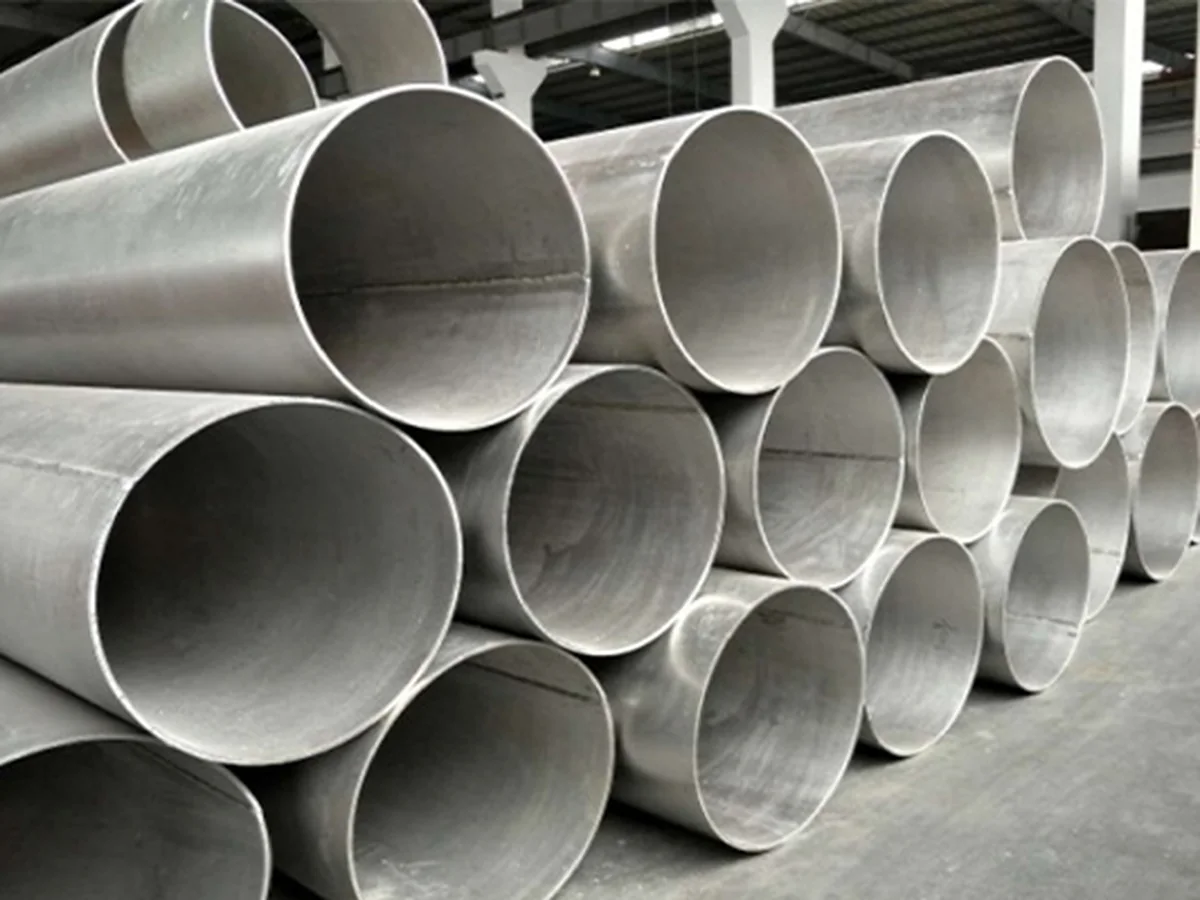
برجهای خشککن و جذب و اسید غلیظ با دمای بالا
NHD فولاد ضد زنگ با سیلیکون بالا HD-1 را برای سرویس اسید سولفوریک غلیظ به کار میبرد، جایی که اجزای برج خشککن و جذب به مقاومت در برابر خوردگی قویتری نسبت به فولاد ضد زنگ معمولی نیاز دارند. اطلاعات محصول NHD کاربردهای HD-1 را شامل توزیعکنندههای اسید لولهای، بشقابی و لولهای؛ لولههای ورودی توزیعکننده؛ لولههای اسید؛ بدنههای برج خشککن و برج جذب؛ لولههای اسید سولفوریک، زانوییها، فلنجها، شبکههای نگهدارنده پکینگ، مخازن گردش و خنککنندههای اسید فهرست میکند. خریداران هنوز هم باید قبل از انتخاب نهایی، غلظت، دما، تماس با گاز و خطر رقیق شدن را تأیید کنند.
توزیعکنندگان اسید و لولهها
توزیعکنندههای اسید، لولهها، زانوییها و فلنجها در معرض حمله شیمیایی و تنش هیدرولیکی قرار دارند. NHD، HD-1 را در داخل خود قرار میدهد. سری موادبنابراین خریداران میتوانند به جای توقف در نام یک فولاد، مواد، ساخت و طرح برج را به هم متصل کنند.
قطعات پشتیبانی بسته بندی
شبکههای نگهدارنده پکینگ در معرض غبار اسیدی، لایه نازک مایع و زهکشی موضعی، بار مکانیکی را تحمل میکنند. اگر خوردگی، استحکام نگهدارنده را کاهش دهد، مشکل میتواند به حرکت پکینگ، تکیهگاه ناهموار بستر و بازرسی سختتر برج گسترش یابد.
چگونه طراحی توزیعکننده اسید لولهای میتواند از قابلیت اطمینان پشتیبانی کند؟
انتخاب مواد و طراحی توزیعکننده باید با هم بررسی شوند. حتی یک آلیاژ بهتر هم نمیتواند توزیع ضعیف مایع، مسیرهای جریان مسدود شده یا نواحی بستهبندی خشک را جبران کند. یک توزیعکننده اسید لولهای به خریداران کمک میکند تا در یک بررسی، در مورد جنس بدنه، چگالی نقطه توزیع، پوشش فیلم مایع و محافظت از بستهبندی بحث کنند.
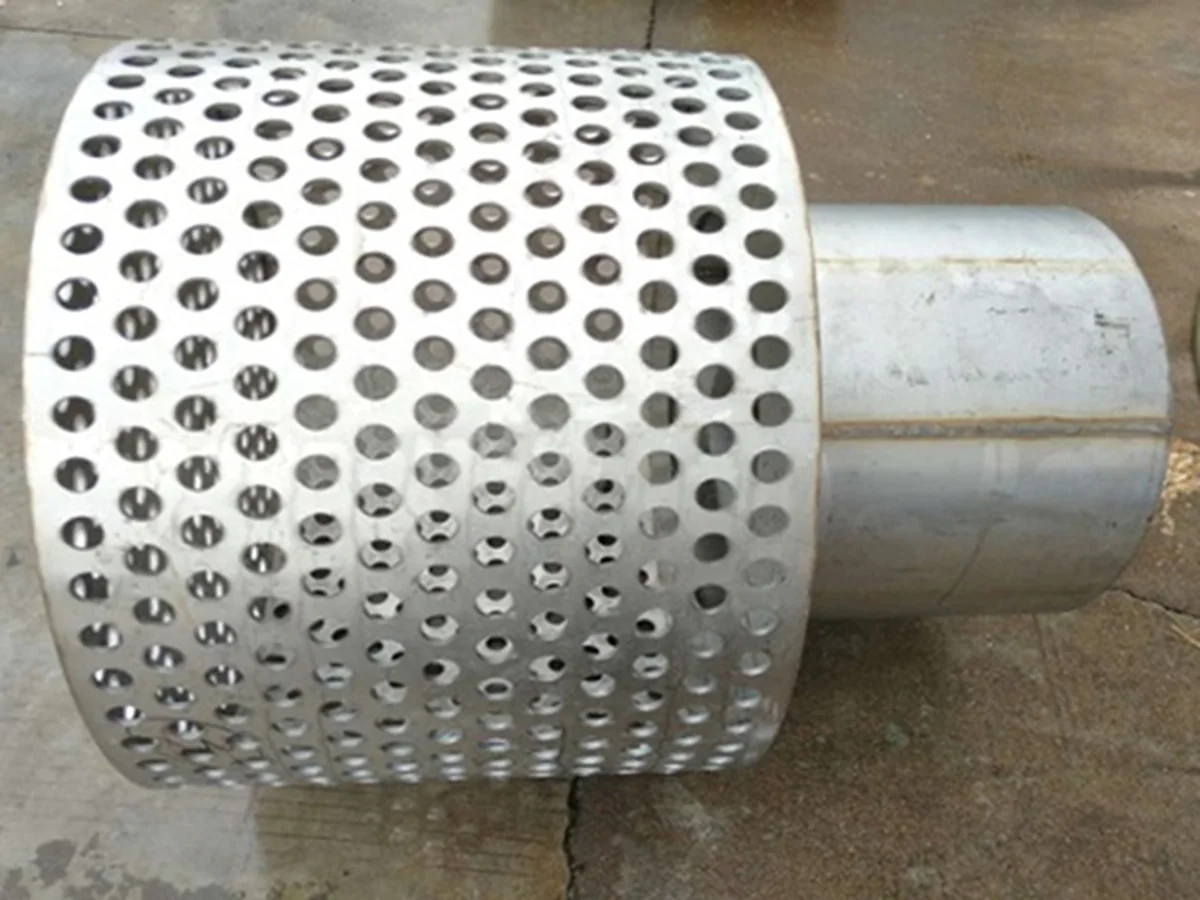
جنس بدنه توزیعکننده HD-1
توزیعکننده اسید لولهای از فولاد ضد زنگ آستنیتی با سیلیکون بالا HD-1 برای بدنه توزیعکننده در برجهای خشککن و جذب اسید سولفوریک استفاده میکند. این موضوع اهمیت دارد زیرا توزیعکننده جریان اسید را قبل از رسیدن مایع به پکینگ کنترل میکند، بنابراین شرایط مواد، جوشکاری، مونتاژ و مقاومسازی برج باید با هم بررسی شوند. اطلاعات محصول NHD بیان میکند که آلیاژ HD-1 میتواند مقاومت در برابر خوردگی بالایی را بدون حفاظت آندی ارائه دهد و در شرایط عملیاتی مناسب، عمر مفید آن بیش از 15 سال باشد.
تراکم نقطه توزیع و پوشش پایدار فیلم مایع
تراکم نقاط توزیع باید با توجه به قطر برج، دبی جریان، نوع پکینگ و بار عملیاتی بررسی شود. اطلاعات توزیعکننده اسید لولهای NHD، توزیع اسید را در حداقل ۴۲ نقطه در متر مربع مشخص میکند که نقاط آن با توجه به نیازهای پروژه قابل تنظیم هستند. هدف، پوشش پایدار فیلم مایع، مناطق خشک کمتر و نقاط اضافه بار کمتر است، نه یک طرح کپی شده از یک کارخانه دیگر.
محافظت از بستهبندی و راندمان جذب
یک لایه مایع پایدار با پخش یکنواختتر اسید به جای برخورد با نواحی ایزوله، به محافظت از پکینگ کمک میکند. این لایه میتواند راندمان جذب را افزایش دهد، اما عملکرد آن همچنان به دادههای فرآیند، شرایط برج و نظم عملیاتی بستگی دارد.
خریداران چگونه باید یک درخواست استعلام قیمت مقاوم در برابر خوردگی بسازند؟
یک RFQ مقاوم در برابر خوردگی باید به تامینکننده کمک کند تا قبل از پیشنهاد طراحی مواد یا اجزا، برج را درک کند. قویترین بسته استعلام، دادههای واسطه، نقشههای برج، محدودیتهای نصب، انتظارات بازرسی و نیازهای شواهد مادی را ترکیب میکند، به خصوص هنگام مقایسه HD-1 با یک آلیاژ مقاوم در برابر خوردگی دیگر.
بررسی شواهد داده/مواد واسطه و فرآیند
با غلظت اسید، دما، نرخ گردش اسید، ترکیب گاز، سرعت، خطر جامدات یا ناخالصی و حالت عملیاتی شروع کنید. سپس بپرسید چه شواهد مادی از جنس توزیعکننده اسید پیشنهادی یا قسمت داخلی برج پشتیبانی میکند، مانند محدوده کاربرد HD-1، اساس مقاومت در برابر خوردگی، الزامات جوشکاری و مونتاژ، و اینکه آیا وظیفه اسید غلیظ با دمای بالا است یا شرایط دیگری که نیاز به بررسی جداگانه دارد.
محدودیتهای طراحی و نصب برج
قطر برج، ارتفاع توزیعکننده، ارتفاع پکینگ، اندازه دریچه آدمرو، طرح تکیهگاه، موقعیت نازلها و محدودیتهای مقاومسازی را ارائه دهید. این جزئیات بر اندازه ساخت، ترتیب نصب، روش جوشکاری و دسترسی بازرسی تأثیر میگذارند.
اهداف عمر مفید و نگهداری
فاصله زمانی مورد نظر برای بازرسی، زمان خاموش شدن، برنامه قطعات یدکی و قطعاتی که قبلاً خراب شدهاند را ذکر کنید. در استعلام قیمت واقعی، خریدار باید نقشه برج را پیوست کند، توزیعکننده یا بخش لوله خراب را علامتگذاری کند، اندازه دریچه آدمرو را تأیید کند و توجه داشته باشد که آیا قطعه باید به صورت یک تکه ارسال شود یا برای نصب در محل، به قطعات تقسیم شود. خریداران میتوانند تماس با NHD با استفاده از این دادهها، میتوان طراحی مواد و توزیعکننده اسید لولهای را در برابر وظیفه واقعی فرآیند بررسی کرد.
| مورد درخواست استعلام (RFQ) | اطلاعات برای ارائه | چگونه به انتخاب کمک میکند |
| دادههای متوسط | غلظت اسید، دما، ناخالصیها، تماس با گاز، حالت عملیاتی | ریسک خوردگی کارخانه شیمیایی و مرز بررسی آلیاژ را تعریف میکند |
| دادههای هیدرولیکی | نرخ گردش، جریان توزیعکننده، سرعت، فشار یا محدودیتهای هد | پشتیبانی از بررسی مواد توزیع کننده اسید و طراحی خروجی |
| نقشههای برج | قطر، ارتفاع بستهبندی، سطح توزیعکننده، دریچههای آدمرو، نازلها، جزئیات تکیهگاه | محدودیتهای نصب و مناطق رابط خشک و تر را نشان میدهد |
| تاریخچه تعمیر و نگهداری | قطعات معیوب، نقاط نشتی، تعداد دفعات تعمیر، دسترسی به بازرسی | نکات برجستهای که در آنها مصالح و ساختار نیاز به بررسی دقیقتری دارند |
چرا برای قطعات داخلی برج اسید سولفوریک با NHD همکاری کنیم؟
برای قطعات داخلی برج اسید سولفوریک، خریداران به چیزی بیش از نام ماده نیاز دارند. آنها به تامینکنندهای نیاز دارند که بتواند ماده HD-1، تجربه تجهیزات اسید سولفوریک، طرح توزیعکننده، امکانسنجی ساخت، محدودیتهای نوسازی و اهداف نگهداری را به هم مرتبط کند. طیف محصولات NHD و فرآیند بررسی مهندسی به پیشبرد بحث به سمت انتخاب منطبق با فرآیند کمک میکند.
تخصص اثباتشده در مواد HD-1 و طیف تجهیزات اسید سولفوریک
NHD با همکاری موسسه تحقیقات فلزات، آکادمی علوم چین، HD-1 را برای تجهیزات اسید سولفوریک غلیظ با دمای بالا توسعه داد. این پیشینه، فولاد ضد زنگ با سیلیکون بالا HD-1 را به جای موجودی عمومی فلزات، به خدمات اسید سولفوریک مرتبط میکند. طیف تجهیزات اسید سولفوریک NHD همچنین شامل حذفکنندههای مه، سیمهای جداکننده، بخاریهای گازی، توزیعکنندههای اسید، توزیعکنندههای اسید بشقابی، توزیعکنندههای اسید لولهای و اتصالات لوله آلیاژ سیلیکون بالای HD-1 میشود، بنابراین خریداران میتوانند توزیعکنندههای اسید، لولهها، تکیهگاههای بستهبندی و قطعات داخلی برج مربوطه را در یک مکالمه بررسی کنند.
انتخاب منطبق با فرآیند با پشتیبانی مهندسی
برجهای جدید، برجهای قدیمی و پروژههای مقاومسازی به ندرت دسترسی، پشتیبانی و شرایط جریان یکسانی دارند. NHD میتواند دادههای واسطه، نقشههای برج، نقاط شکست فعلی، موقعیت اجزا، مسیر اسید، نیازهای جوشکاری، محدودیتهای حمل و نقل، محدودیتهای نصب و اهداف خدمات را قبل از انتخاب نهایی بررسی کند. به عنوان پیشزمینه در سطح شرکت، NHD بیش از ۸۰۰ پروژه و تجارت منظم را با بیش از ۱۰۰۰ مشتری در صنایع مختلف از جمله اسید سولفوریک گزارش میدهد. همچنین ۲۶۰ مهندس و تکنسین، ۵۰ متخصص، بیش از ۳۰۰ اختراع ثبت شده و گواهینامههای ISO 9001:2015، ISO 14001:2015 و ISO 45001:2018 را فهرست میکند. این سیگنالها جایگزین بررسی خوردگی خاص پروژه نمیشوند، اما به خریداران کمک میکنند تا ارزیابی کنند که آیا تأمینکننده میتواند از مواد منطبق با فرآیند و طراحی توزیعکننده اسید لولهای پشتیبانی کند یا خیر.
نتیجه گیری
اجزای داخلی برج اسید سولفوریک مستعد خوردگی باید بر اساس غلظت اسید، دما، شرایط جریان، قرار گرفتن در معرض شرایط خشک-مرطوب، موقعیت نصب و اهداف نگهداری انتخاب شوند، نه صرفاً بر اساس یک برچسب کلی فولاد ضد زنگ. فولاد ضد زنگ با سیلیکون بالا HD-1 به خریداران جهت مواد برای اجزای برج خشک کن و جذب را میدهد، در حالی که NHD میتواند مواد HD-1، طراحی توزیع کننده اسید لولهای و اجزای داخلی برج اسید سولفوریک را با وظیفه واقعی فرآیند مطابقت دهد.
سوالات متداول
سوال ۱: خریداران چه زمانی باید فولاد ضد زنگ با سیلیکون بالا HD-1 را برای قطعات داخلی برج اسید سولفوریک در نظر بگیرند؟
الف) خریداران باید هنگام مواجهه اجزای برج خشککن یا جذب با اسید سولفوریک غلیظ، دمای بالا، خیس شدن مکرر یا خوردگی در توزیعکنندههای اسید، لولهها، تکیهگاههای پکینگ و اجزای داخلی مرتبط، این موضوع را در نظر بگیرند. تصمیم نهایی همچنان باید با توجه به غلظت واقعی اسید، دما، سرعت و میزان تماس با محیط خشک و مرطوب بررسی شود.
Q2: یک کارخانه شیمیایی قبل از انتخاب ماده توزیع کننده اسید، چه اطلاعاتی باید ارائه دهد؟
A2: یک کارخانه باید غلظت اسید، محدوده دما، جریان اسید، شرایط گاز، نقشههای برج، موقعیت توزیعکننده، نوع پکینگ، مناطق خشک و مرطوب، دسترسی به بازرسی، سابقه تعمیر و نگهداری و زمان خاموشی مورد انتظار را ارائه دهد.
س ۳: چگونه یک توزیعکننده اسید لولهای از قابلیت اطمینان برج پشتیبانی میکند؟
A3: این قطعه، جنس بدنه توزیعکننده HD-1 را به طرحی که برای توزیع پایدار اسید طراحی شده است، متصل میکند. اطلاعات توزیعکننده اسید لولهای NHD، توزیع اسید را در حداقل 42 نقطه در متر مربع مشخص میکند و نقاط توزیع را مطابق با نیازهای پروژه قابل تنظیم میداند. هنگامی که نقاط توزیع و عملکرد برج با هم بررسی میشوند، طراحی میتواند از پوشش فیلم مایع یکنواختتر، محافظت بهتر از بستهبندی و یک برنامه نگهداری واضحتر پشتیبانی کند.