
 Portuguese
  English
  French
  Spanish
  Russian
  Arabic
  Indonesian
  German
  Turkish
  Persian
  Vietnamese
  中文
中文 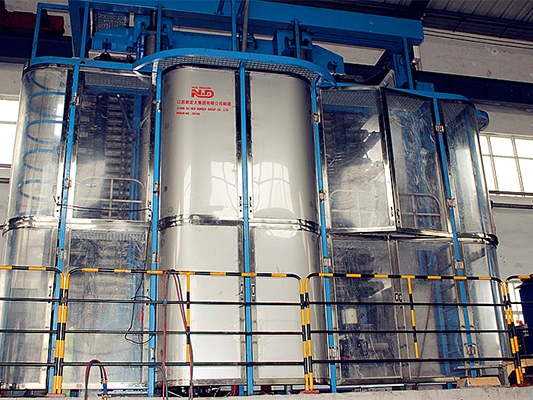
Um envelhecimento premer filtro Raramente falha sem aviso prévio. Na maioria das fábricas, os primeiros sinais aparecem na operação diária: torta de filtração úmida após um ciclo completo, tempo de lote mais longo, paradas repetidas, consumo rápido do tecido filtrante e resultados instáveis causados pelo controle manual. Embora esses problemas possam parecer isolados, em conjunto, eles indicam que seu equipamento antigo não atende mais às condições do material, às metas de capacidade ou aos requisitos de automação. Reconhecer esses cinco sinais de ineficiência da prensa de filtro ajudará sua equipe a decidir se um reparo padrão é suficiente ou se uma atualização completa da prensa de filtro é necessária.
A umidade da torta de filtro ainda está muito alta após a prensagem?
A alta umidade da torta de filtração é um dos sinais mais claros de que a unidade existente pode estar perdendo desempenho na desidratação. A planta pode até concluir todos os ciclos, mas a torta descarregada permanece úmida, pesada, pegajosa ou difícil de transportar. Isso gera custos extras com armazenamento, secagem, manuseio ou descarte posterior.
Bolo úmido após prensagem completa
A presença de uma torta úmida após um ciclo completo de prensagem significa que o processo não está removendo líquido suficiente antes da descarga. Na operação diária, isso geralmente se manifesta como uma torta pegajosa no tecido, manchas de água ao redor da área de descarga ou pilhas que não mantêm a forma após o descarregamento. Se a planta precisar estender o tempo de secagem fora da prensa, significa que a prensa de filtro não está mais processando toda a sua capacidade.
Pressão de compressão insuficiente ou secagem ao ar inadequada
A alta umidade pode ser causada por pressão de compressão insuficiente, secagem ao ar inadequada, alimentação instável, pontos de vedação desgastados ou uma superfície de tecido que não drena bem. Se a etapa de compressão não conseguir impulsionar o líquido através da estrutura da torta, a etapa posterior de secagem ao ar pode apenas melhorar a superfície, enquanto o líquido permanece dentro da torta.
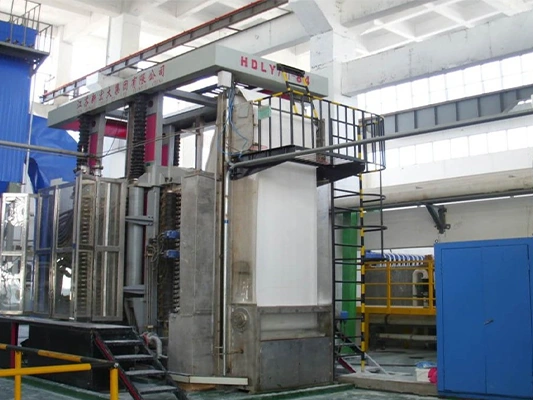
É aqui que o projeto do equipamento começa a importar. Filtro de Pressão Automática Vertical NHDName Foi projetado para lavagem, filtragem e desidratação, com pressão máxima de 1,6 MPa e uma vantagem competitiva focada na redução significativa da umidade na torta de filtração. Esses pontos são importantes quando o objetivo do processo não é apenas a separação sólido-líquido, mas também a descarga estável com baixa umidade.
Como verificar: Analise os registros de pressão de prensagem e compare os registros de umidade.
Comparar registros operacionais: A equipe da planta deve revisar os registros de umidade da torta juntamente com os registros de pressão, tempos de secagem ao ar, concentração de alimentação e idade do tecido filtrante.
Identificar incidentes isolados: Um único lote úmido geralmente é apenas o resultado de uma variação temporária na matéria-prima.
Identificar tendências de longo prazo: Um aumento contínuo da umidade ao longo de várias semanas indica um desajuste mais sério no sistema.
Ciclos de produção em lote mais longos estão reduzindo a capacidade da fábrica?
Ciclos de produção mais longos muitas vezes ficam ocultos nos relatórios diários de produção. A fábrica pode até continuar funcionando, mas cada lote leva alguns minutos a mais do que antes. Ao longo de vários ciclos, esses minutos se transformam em perda de capacidade diária.
Tempo de alimentação e compressão mais longo
Uma fase de alimentação mais longa pode indicar um fluxo de polpa mais lento, maior resistência do tecido ou formação de torta menos uniforme. Uma fase de prensagem mais longa pode significar que a torta precisa de mais tempo para atingir o mesmo nível de umidade desejado. Quando ambos os problemas ocorrem simultaneamente, a prensa de filtro começa a limitar toda a linha de produção.
Peças mecânicas perdem precisão ou não possuem otimização automática de ciclo.
O tempo de ciclo também pode aumentar quando as peças mecânicas perdem precisão. Movimentos desalinhados das placas, descarga lenta da torta, sistemas hidráulicos envelhecidos ou lavagem ineficiente do tecido introduzem atrasos dispendiosos entre as etapas do processo. Em equipamentos com baixa automação, as configurações do ciclo também podem depender muito do julgamento do operador, o que torna cada turno ligeiramente diferente.
Um série de filtros de prensa automáticos Vale a pena rever a configuração quando a produção exige um controle de ciclo mais preciso, uma descarga mais consistente e menos ajustes manuais. A decisão deve continuar sendo baseada em dados do processo, e não apenas na idade da máquina.
Como verificar: Comparação do tempo de ciclo
A equipe de processo deve dividir um ciclo completo em alimentação, prensagem, secagem ao ar, descarga e lavagem do tecido. Em seguida, deve comparar os dados atuais com os registros de operações anteriores ou com a meta de projeto original.
Se o ciclo total for mais longo, identifique qual etapa apresentou a maior alteração. Uma etapa de alimentação mais longa indica problemas de fluxo e resistência do tecido. Uma etapa de descarga mais longa indica problemas na liberação da torta ou desgaste mecânico. Um tempo maior para ajustes manuais indica limitações da automação.
Os problemas com tempo de inatividade e peças de reposição estão ocorrendo com muita frequência?
Uma prensa de filtro não precisa parar todos os dias para representar um risco para a capacidade produtiva. Pequenas paradas repetidas podem prejudicar o planejamento da produção mais do que uma única falha grave, pois tornam a produção imprevisível.
Paradas repetidas durante a produção normal
Paradas repetidas durante a produção normal podem ser causadas por falhas hidráulicas, problemas de vedação, problemas de movimentação da placa, desalinhamento do tecido, bloqueio da descarga, erros de sensores ou intervenção do operador. A unidade pode reiniciar após cada reparo, mas o mesmo padrão de falha geralmente retorna.
Componentes envelhecidos ou peças sobressalentes limitadas
Equipamentos antigos costumam ser mais difíceis de dar suporte. Algumas peças estão desgastadas, outras não são mais fáceis de encontrar e alguns reparos restauram apenas parcialmente o funcionamento. Se a entrega de peças de reposição demorar muito, mesmo uma pequena falha pode paralisar toda a linha de produção.
Nesta fase, a questão não é se mais uma peça pode ser substituída. A questão mais importante é se a unidade existente ainda consegue suportar a demanda atual da usina.
Como verificar: Revisão do registro de manutenção
Analise os registros de manutenção dos últimos 3 a 6 meses. Verifique o número de paradas, áreas com falhas recorrentes, tempo médio de reparo, tempo de espera por peças de reposição e se a mesma falha continua a ocorrer.
Se os registros de manutenção mostrarem paradas mais frequentes, maior tempo de espera por peças e falhas repetidas nas mesmas áreas, uma revisão de atualização deve ser iniciada antes que o equipamento cause uma interrupção significativa na produção.
O consumo de tecido filtrante está se tornando anormalmente alto?
O tecido filtrante é um consumível, mas o consumo anormal não é normal. Se a vida útil do tecido diminuir sem que as condições de operação melhorem, a planta poderá estar arcando com os custos de um problema mais grave no equipamento ou no processo, devido à substituição repetida do tecido.
Vida útil reduzida do tecido filtrante
A menor vida útil do pano geralmente se manifesta por entupimento mais rápido, rasgos, desgaste das bordas, polimento da superfície, deformação ou dificuldade em soltar a torta de descontaminação. Se um pano novo apresentar bom desempenho apenas por um curto período, o problema pode não ser o pano em si.
Desgaste de partículas ou desempenho insatisfatório do sistema de lavagem de roupas
O desgaste excessivo das partículas, a formação irregular da camada filtrante, a lavagem inadequada do tecido e a regeneração deficiente podem reduzir sua vida útil. Se a lavagem não remover os resíduos da camada filtrante da superfície, o próximo ciclo começará com maior resistência. Essa resistência pode retardar a filtração, aumentar a umidade e intensificar o estresse mecânico no tecido.
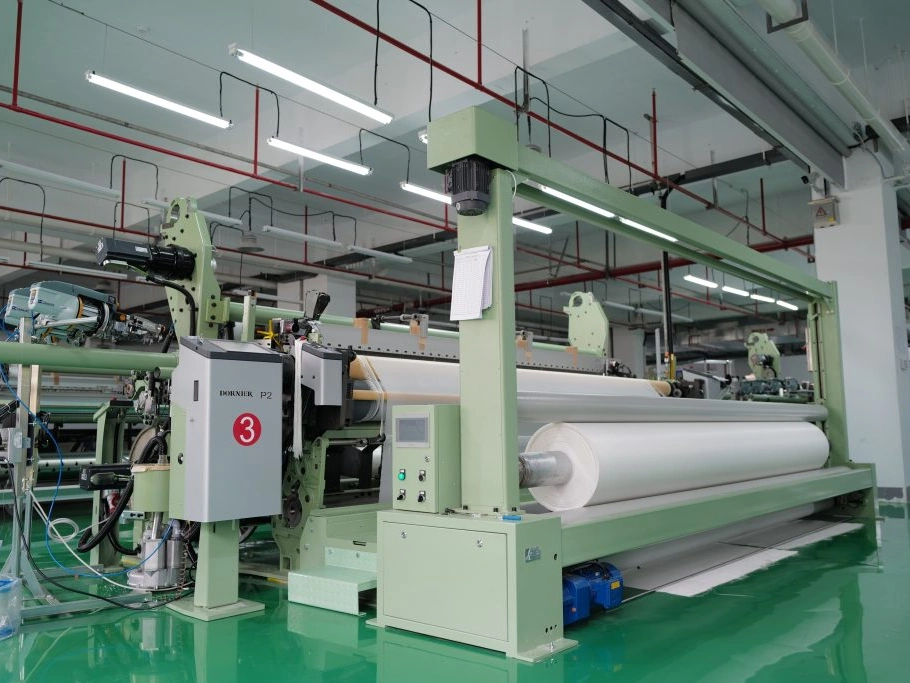
Para evitar o desgaste prematuro, é fundamental escolher o design e o material certos do tecido. Tecido filtrante da NHD O processo de seleção começa com a análise da pasta específica — incluindo tamanho das partículas, pH, faixa de temperatura e permeabilidade ao ar necessária — e inclui testes no tecido existente do cliente como base de comparação. panos de filtro NHD São produzidos em teares alemães Dornier importados, que proporcionam a consistência da trama e a resistência à tração necessárias para suportar intervalos de serviço mais longos. O resultado é um tecido que resiste a operações de prensagem vertical de alta frequência, mantendo a descarga da torta limpa, o risco de entupimento baixo e a regeneração eficaz.
Como verificar: Custo do tecido e verificação de falhas no molde
A equipe da fábrica deve monitorar a vida útil do tecido por lote, e não apenas pelo tempo cronológico. É importante registrar a posição da falha, o tipo de dano e a condição operacional em que o dano ocorreu. Desgaste nas bordas, danos no fluxo central, ataque químico e bloqueio indicam causas diferentes.
A baixa automação torna os resultados da prensa de filtro menos estáveis?
A baixa automação nem sempre significa uma falha. O equipamento ainda pode funcionar, mas a repetibilidade do processo depende muito da discrição do operador. Isso se torna um problema quando a capacidade aumenta, os turnos mudam ou a planta precisa de um controle de processo mais rigoroso.
Ajustes manuais excessivos no ciclo de lavagem
O ajuste manual do ciclo significa que os operadores decidem quando aumentar a alimentação, quando parar a prensagem, quanto tempo secar, quando lavar o tecido ou como lidar com uma descarga difícil. Operadores experientes podem manter a linha funcionando, mas o resultado pode variar de um turno para outro.
Resultados inconsistentes entre turnos
Resultados inconsistentes entre turnos frequentemente se manifestam em variações de umidade, tempos de lote diferentes, limpeza irregular dos panos ou maior número de alarmes após a troca de operadores. Essas variações vão além da gestão da força de trabalho; elas refletem, fundamentalmente, precisão de controle inadequada, monitoramento insuficiente ou falta de diagnóstico automático de falhas.
O filtro de pressão automático vertical NHD combina alta automação, uma interface de controle amigável e funções de autodiagnóstico e alarme. Para fábricas que buscam reduzir o descarregamento manual ou a limpeza com pano, essas funções ajudam a transformar ações repetitivas do operador em um ciclo mais controlado.
Como verificar: Analise o nível de automação, os registros de ciclo, o histórico de alarmes e a frequência de intervenção do operador.
A avaliação da automação deve ir além de simplesmente verificar se a máquina possui um painel de controle. É preciso analisar quantas etapas são automáticas, com que frequência os operadores intervêm, quais alarmes se repetem e se os registros de ciclo podem ser rastreados.
Conclusão
Uma prensa de filtro que continua produzindo torta úmida, lotes mais lentos, paradas repetidas, desgaste rápido do tecido filtrante e ciclos manuais instáveis não é mais apenas um problema de manutenção. Esses sinais indicam que a unidade existente pode estar operando fora de sua faixa de processo atual. Os registros de umidade da torta, tempo de ciclo, dados de pressão, consumo de tecido filtrante, disponibilidade de peças de reposição e condições do local devem ser analisados em conjunto antes de se tomar qualquer decisão de reparo.
As instalações que enfrentam pressão no desempenho de drenagem, na consistência operacional ou na dependência de mão de obra manual podem encontrar uma solução ideal. Filtro de Pressão Automática Vertical NHDNameA prensagem de alta pressão, a lavagem automática de tecidos, o autodiagnóstico e a construção durável atendem diretamente aos sinais de melhoria discutidos acima. Para uma avaliação gratuita do processo, a equipe da fábrica pode enviar os dados operacionais atuais e as informações do local para sales@chinanhd.com ou WhatsApp 86 13667324277.
FAQ
P1: Quando uma fábrica deve modernizar sua prensa de filtro em vez de repará-la?
A1: Uma planta deve reavaliar a necessidade de atualização da prensa de filtro quando ocorrerem simultaneamente alta umidade da torta, ciclos mais longos, paradas frequentes, desgaste rápido do tecido filtrante e baixa automação. Se os mesmos sintomas persistirem após o reparo, a unidade existente pode não ser mais adequada à janela de processo.
Q2: Que dados devem ser preparados antes de solicitar à NHD uma avaliação da prensa de filtro?
A2: A NHD pode analisar dados operacionais como condição da lama, capacidade atual, umidade da torta, tempo de ciclo, registros de pressão, consumo de tecido filtrante, histórico de manutenção, problemas com peças de reposição, nível de automação e espaço disponível no local.
P3: A automação pode melhorar o desempenho da prensa de filtro?
A3: A automação pode melhorar a consistência, mantendo as configurações do ciclo estáveis, reduzindo o descarregamento manual e o trabalho de limpeza dos panos, registrando alarmes e facilitando a identificação de falhas recorrentes antes que ocorram longos períodos de inatividade.