
 Turkish
  English
  French
  Spanish
  Russian
  Arabic
  Portuguese
  Indonesian
  German
  Persian
  Vietnamese
  中文
中文 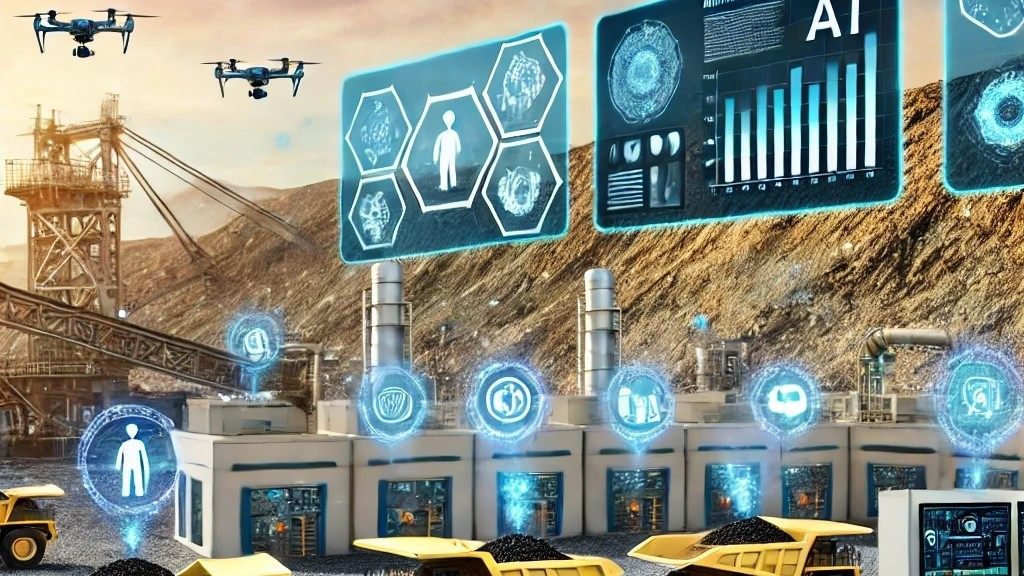
AI, mineral mevduatlarının tanımlanmasını değiştiriyor. Keşif ekiplerinin karmaşık jeolojik bilgileri daha iyi hız, hassasiyet ve ayrıntılarla incelemelerine yardımcı olur. Ancak umut verici siteleri tespit etmek, bulmacanın sadece bir parçasıdır. Sondaj daha derinleştikçe, etkili katı-sıvı ayrımı çamurun doğru yönetilmesi ve keşif bilgilerinin istikrarlı saha operasyonlarına çevrilmesi için çok önemli hale gelir.
Yapay Zeka Mineral Keşifleri Nasıl Dönüştürüyor
Yapay zeka (AI), mineral keşif hızını ve doğruluğunu yeniden şekillendirdi. Büyük veri kümeleri kullanarak, AI sistemleri eski jeolojik tekniklerin sık sık kaçırdığı gizli mineral desenleri tespit edebilir. Makine öğrenme modelleri, olası mevduatları öncekinden daha hızlı ve daha tam bulmak için uydu görüntülerini, jeokimyasal ve jeofiziksel verileri analiz eder. Tahmin algoritmaları da keşif süresini azaltır. Bunu anahtar hedef alanlara odaklanarak, sondaj hassasiyetini artırarak ve çevresel etkiyi azaltarak yaparlar.
Yine de, mineral keşifi daha da yeraltına itdikçe, veri karmaşıklığı artmaktadır. AI tabanlı modellerin değişen alan durumlarına uyum sağlarken muazzam miktarda jeolojik ayrıntıları işlemesi gerekir. Bu kombinasyon güçlü bilgisayar kaynakları gerektirir. Ayrıca, özellikle de çamur özelliklerinin model güvenilirliğini doğrudan etkilediği katı-sıvı ayırımında madencilik operasyonlarından güvenilir süreç verilerine ihtiyacı var.
AI-Driven Exploration'daki Veri Zorlukları
AI’nin tahmin gücü veri kalitesine ve tutarlılığına dayanır. Mineral araştırmasında, geçmiş yılların jeolojik kayıtlarını canlı sondaj ve işleme ayrıntıları ile karıştırmak büyük bir engel yaratır. Sensör kurulumunda, örnekleme hızında ve site koşullarında farklılıklar model tahminlerini eğilebilir. Ayrıca, geniş veri akışlarını ele almak, aynı anda çeşitli kaynaklardan terabayt veriyi yöneten sağlam kurulumlar gerektirir.
Örneğin, ne zaman kalınlaştırıcı çıkış verileri veya bulamaç yoğunluğu ölçümleri değişir, maden analizi için AI modelleri yeraltı işaretlerini yanlış okuyabilir. Böylece, süreç kontrol ayarlarını AI analiziyle eşleştirmek güvenilir bir jeolojik planlama için hayati önem taşır.
Mineral İşleme Verimliliğinde Katı-Sıvı Ayrımının Rolü
Katı-sıvı ayrımı, pürüzsüz mineral işleme görevlerinin çekirdeğini oluşturur. Değerli katı maddelerin geri kazanmasını sağlarken, işlem suyunun tesis boyunca geri dönüştürülmesini sağlar. Bu adım, filtrasyon, kurutma ve hareketli malzemeler gibi sonraki aşamaları etkiler. Bunların her biri toplam enerji kullanımını ve maliyet tasarrufını etkiler.
Katı-Sıvı Ayırma Temellerini Anlamak
Katı-sıvı ayırma, daha fazla kullanıma hazır yoğun bir alt akış oluşturmak için mineral çamurlardan suyu çıkarmak anlamına gelir. Ana ekipman kalınlaştırıcılar içerir, filtrelerve parçacık boyutu dağılımı ve katı maddeler konsantrasyonu gibi çamur özelliklerine uymak için inşa edilen santrifüjler. Bir kalınlaştırıcı, sıvı-katı karışımları eşit fazlarda bölmek için yerçekimi tabanlı yerleştirme vitesi olarak hareket eder. Çalışma, yerleşmeyi hızlandıran flokülanlar tarafından desteklenen doğal yerleşmeye bağlıdır.
Neden Su Değiştirme Verimliliği AI-Rehberli Operasyonlarda Önemlidir
AI liderliğindeki madencilik kurumlarında, suvsuzluk performansı otomatik kontrol sistemleri için istikrarlı besleme durumlarını korumada önemli bir rol oynar. Çok fazla nem maden analizi sensörlerini karıştırabilir veya tahmin bakım sistemlerini bozabilir. Kötü katı-sıvı ayrımı sadece enerji ihtiyaçlarını arttırmakla kalmaz, aynı zamanda ekstra pompalama veya ısıtma talepleri yoluyla çalışma maliyetlerini de artırır. Daha iyi suvsuzluk, fiziksel işlemler ve dijital izleme sistemleri arasında daha sorunsuz bir entegrasyon sağlar.
Katı-Sıvı Ayırımının Temel Bileşeni Olarak Kalınlaştırıcı Teknoloji
Derin madencilik daha fazla aşınma ile daha kalın çamur yarattıkça, modern kalınlaştırıcı teknolojisi üretim ve dengeyi korumak için hayati önem taşır.
Kalınlaştırıcı Operasyonunun Arkasındaki İlkeler
Bu dişli katı-sıvı karışımlarını bölmek için yerçekimini kullanır. Kalınlaştırıcılar, daha yoğun parçacıkların tabana düşmesine izin verirken, açık su üst kısmından akıyor. Sonuçları besleme yoğunluğuna, parçacık büyüklüğü yayılmasına ve flokülant makyajına bağlıdır. Bunların hepsi yerleşme hızına ve aşma açıklığına karar verir.
Rake sistemi, sertleşmeyi veya tank tabanında sıkışıklıkları önlemek için yerleşmiş katıları çıkış noktasına itmeye devam eder. Ana rolü, yerleşmiş katı maddeleri orta çıkışa yönlendirmek, sertleşme nedeniyle tank tabanının tıkanmasını durdurmak ve tıkanmaları önlemek için taze yemi eşit bir şekilde yaymaktır.
Kalınlaştırıcı Tasarım ve Otomasyondaki Yenilikler
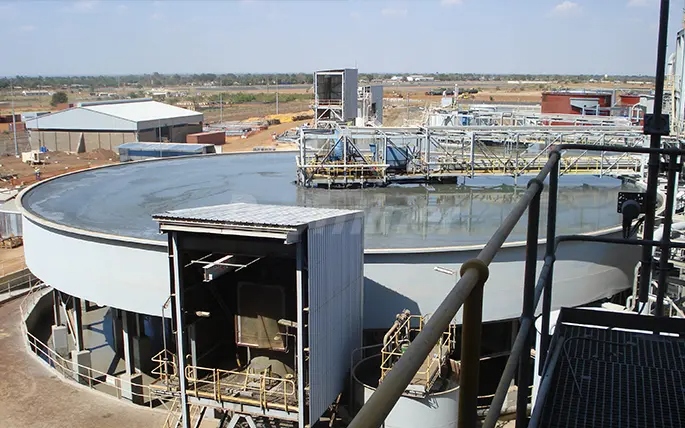
Günümüzün kalınlaştırıcıları, tork gerilimini, yatak yüksekliğini ve katı maddelerin yoğunluğunu canlı takip eden akıllı sensörler içerir. Şu NHD DCS ile eşleştirilmiş seri kalınlaştırıcı, malzemeleri her açıdan izleyebilir. Otomatik kontrol için bağlı dişli ve süreç ayrıntılarını birleştirir. Bu özellikler kapalı döngü otomasyonunu destekler. Burada, AI sistemleri flokulyan miktarlarını veya besleme hızlarını anında yanıt verilerine dayanarak ayarlarlar.
Yeni NHD serisi derin konik kalınlaştırıcı, alümina tesislerinde kırmızı çamur işleme için uygun çok yüksek sıkıştırma oranlarına ulaşarak bu ilerlemeyi gösterir. Kapasitesi düzenli kalınlaştırıcıların 15 katına ulaşırken, akış altındaki sıkıştırma gücü ortak olanlardan yaklaşık 10 kat daha büyük. Akıllı yapısı inceleme veya flokülant karıştırma sırasında kesme zararını kesmektedir. Aynı zamanda, devam eden ağır çalışmaları destekler.
Su Değirme Verilerini AI Keşif Modellerine Entegre Etmek
Süreç mühendisliği ve yapay zekanın karışımı, keşif tahminleri ve tesis üretimi iyileştirileri arasındaki eski bölünmeleri aşıyor.
Proses Parametrelerini Jeolojik Tahminlerle Bağlamak
Alt akış yoğunluğu veya aşma açıklığı gibi canlı suvsuzluk rakamları, jeolojik tahmin modellerini keskinleştirebilir. Bulamaç eylemlerini maden makyaj eğilimlerine bağlayarak bunu yaparlar. Ana kontrol panellerine eklendiğinde, bu rakamlar gerçek tesis sonuçlarını kullanarak AI tabanlı keşif grafiklerini uçakta güncellemeye yardımcı olur.
Tork reaksiyon hatları veya yerleşme hızları gibi kalınlaştırıcılardan gelen çalışma faktörlerini jeolojik verilerle bağlayarak uzmanlar işlemede maden gövdesinin eylemlerini daha doğru tahmin edebilirler. Bu, hem tahmin hassaslığını hem de çıkış etkinliğini artıran bir geri bildirim dairesi oluşturur.
AI Entegrasyonu Aracılığıyla Tahmini Bakımın Geliştirilmesi
Geçmiş kalınlaştırıcı sonuçlarında eğitilen makine öğrenme ekipmanları, dişli bozulmaları meydana gelmeden önce garip desenleri tespit eder. Tork ölçücüsü daha önce belirtilen sorunu çözüyor. İş sırasında tork değişimlerini gerçek zamanlı olarak algılar ve yerleşmiş çamur ve çıkış bulamağını düzeltmek için süreç ayrıntılarını düzeltir. Bu tür tahmin incelemeleri, tork gerginlerinin normal seviyelerden saptığında veya çamur birikiminin istikrarı arttırması riski olduğunda bakım mürettebatlarının ileri hareket etmesine izin verir. Bu yöntem, parça ömrünü uzatırken kapatma şansını azaltır. Derin madencilik noktalarında yaygın olan sabit ağır yük kurumları altında çalışan tesisler için önemli bir fayda sunar.
Madencilik Operasyonlarında Optimize edilmiş Katı-Sıvı Ayırımının Sürdürülebilir Faydaları
Güçlü katı-sıvı ayırma, su kullanımını ve enerji ihtiyaçlarını azaltarak mevcut madencilik çabalarındaki yeşil hedeflere çok şey katıyor.
Geri alınan süreç suyu mühürlenmiş sistemlerde geri dönebilir, tatlı su çekmelerini düşürerek küçültülen göl boyutlarını azaltabilir. Daha iyi kalınlaştırma, kuyruklar kurumlarına bağlı kuyruklar depolama risklerini kesir. Bu, dünya çapında artan bir ekolojik endişedir.
Otomatik denetim sistemleri arttırır yeşil çabalar İş döngülerinde aşırı flokülasyonu veya çok fazla mekanik karıştırmayı kesmek. Daha düşük pompalama ihtiyaçları, kullanılan ton başına daha az enerjiye yol açar. Bu, daha küçük karbon ayak izlerine doğru açık bir hareket gösteriyor. NHD’nin Otomatik Kalınlaştırıcı, kendi kendini ayarlayan yapısı ile bu fikri iyi gösteriyor. Operatörler sadece bir kontrol kutusundan sistemi başlatır. Sonra, rake kaldırma gibi sıkıntı düzeltmeleri de dahil olmak üzere tüm rutin görevler kendi başına gerçekleşir.
Gelecek Görünümü: AI Analitiğini Süreç Mühendisliği İnovasyonu ile Birleştirmek
Önümüzdeki yol, keşif zekasının tesis otomasyon ağları ile sorunsuz bir şekilde entegre edildiği tamamen kendi başına çalışan mineral işleme ayarlarına yol açar.
Katı-sıvı ayırma sensörlerinin ana AI panellerine karıştırılması, keşif hedefleri ve tesis akışı kontrolü arasında ortak ayarlama sağlayacaktır. Tüm işleme hatlarının dijital kopyaları gerçek kullanımdan önce deneme çalışmalarına izin verecektir. Bu, verim performansını arttırarken riskleri azaltır. Devam eden çalışmalar, canlı sensör döngüleri kullanarak kendilerini ayarlayan kendini ayarlayan kalınlaştırma ayarları oluşturmayı amaçlamaktadır. Yüksek konsantrasyon: katı maddelere sahip bulamaç yoğunluğu 'e yükselebilir (dünya çapında bunu başarabilen diğer birkaç firma). Bu adımlar sadece daha iyi bir süreç istikrarı değil, aynı zamanda ayarlanmış flokülasyon akışları yoluyla kimyasal ihtiyaçlarda büyük damlalar vaat eder.
Sık Sorulan Sorular
S1: Katı-sıvı ayrımı AI tabanlı mineral keşifini nasıl etkiler?
A1: Sürekli suvsuzluk, AI modelleri tedarik eden sensörler için bile giriş kalitesini korur. Bulamaç yoğunluğu veya nemdeki değişiklikler kaynak haritalaması veya sınıf tahminleri için kullanılan tahmin sonuçlarını bükülebilir.
Q2: Ne avantajları var NHD kalınlayıcılar geleneksel tasarımlardan daha fazla sağlar mı?
A2: Temel birimlerden on beş kat daha fazla kapasite sunarlar. Ayrıca, çok sürücü döner destekler ve gelişmiş tork izleme ayarları yoluyla ağır gerginlikler altında uzun vadeli istikrarı korurlar.
S3: Akıllı kalınlaştırıcılar sürdürülebilirlik hedeflerine katkıda bulunabilir mi?
A3: Evet, akıllı kalınlaştırıcılar temiz suyu iyi yeniden kullanır, küçültme miktarları, otomatik kontrollerle güç kullanımını kesmek ve kimyasal ihtiyaçları azaltmak. Hem maliyet tasarrufu hem de ekolojik kuralları destekliyorlar.